Overview
Samothraki is both an archaeological landscape and a mountain island. The Sanctuary of the Great Gods at Paleopolis gave the island an influence far beyond its political size, attracting initiates from across the Greek and Roman worlds. The sanctuary's monumental Hellenistic architecture included the Arsinoeion, Hieron, Propylon of Ptolemy II, Stoa and Nike Monument. After the sanctuary declined, Byzantine inhabitants reused ancient stone to construct military fortifications. In the fifteenth century the Genoese Gattilusi created a network of castles and towers at Paleopolis, Chora and near the Fonias river, making visible the island's strategic value in the contested northern Aegean. The island's cultural heritage is inseparable from its physical geography: Mount Saos rises to 1,611 metres, hundreds of streams cut through forested slopes, and waterfalls form the famous vathres, natural rock pools that are among Samothraki's best-known modern attractions.
Highlights
- Sanctuary of the Great Gods
One of the ancient Mediterranean's most important mystery sanctuaries, active for roughly eleven centuries.
- Winged Victory of Samothrace
The celebrated Hellenistic Nike was discovered here in 1863 in its original sanctuary setting.
- Arsinoeion
The enormous circular Hellenistic building demonstrates the scale of royal patronage at the sanctuary.
- Gattilusi Towers of Paleopolis
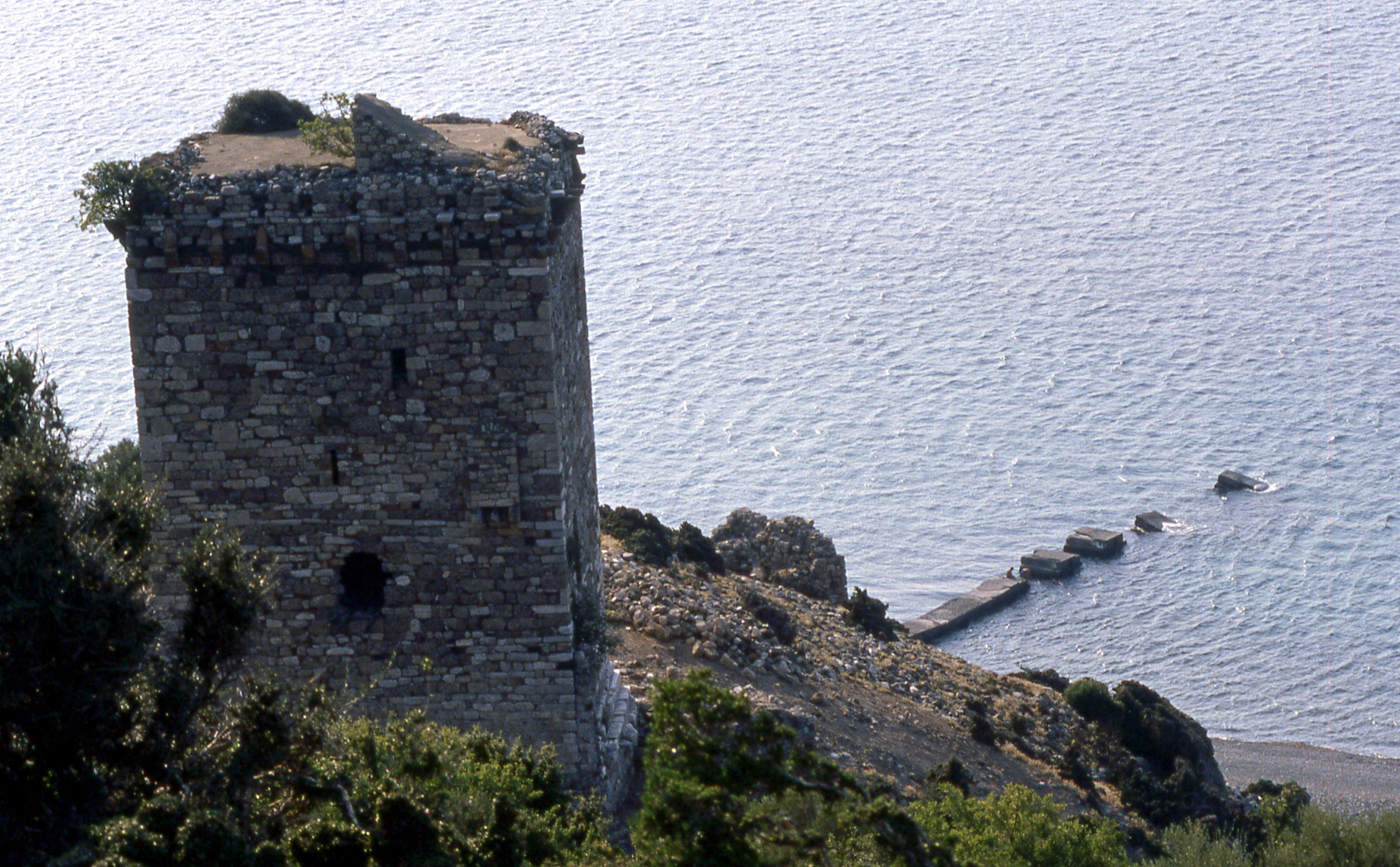
Fifteenth-century Genoese fortifications rise beside the ancient city and reuse stone from earlier monuments.
- Castle of Chora
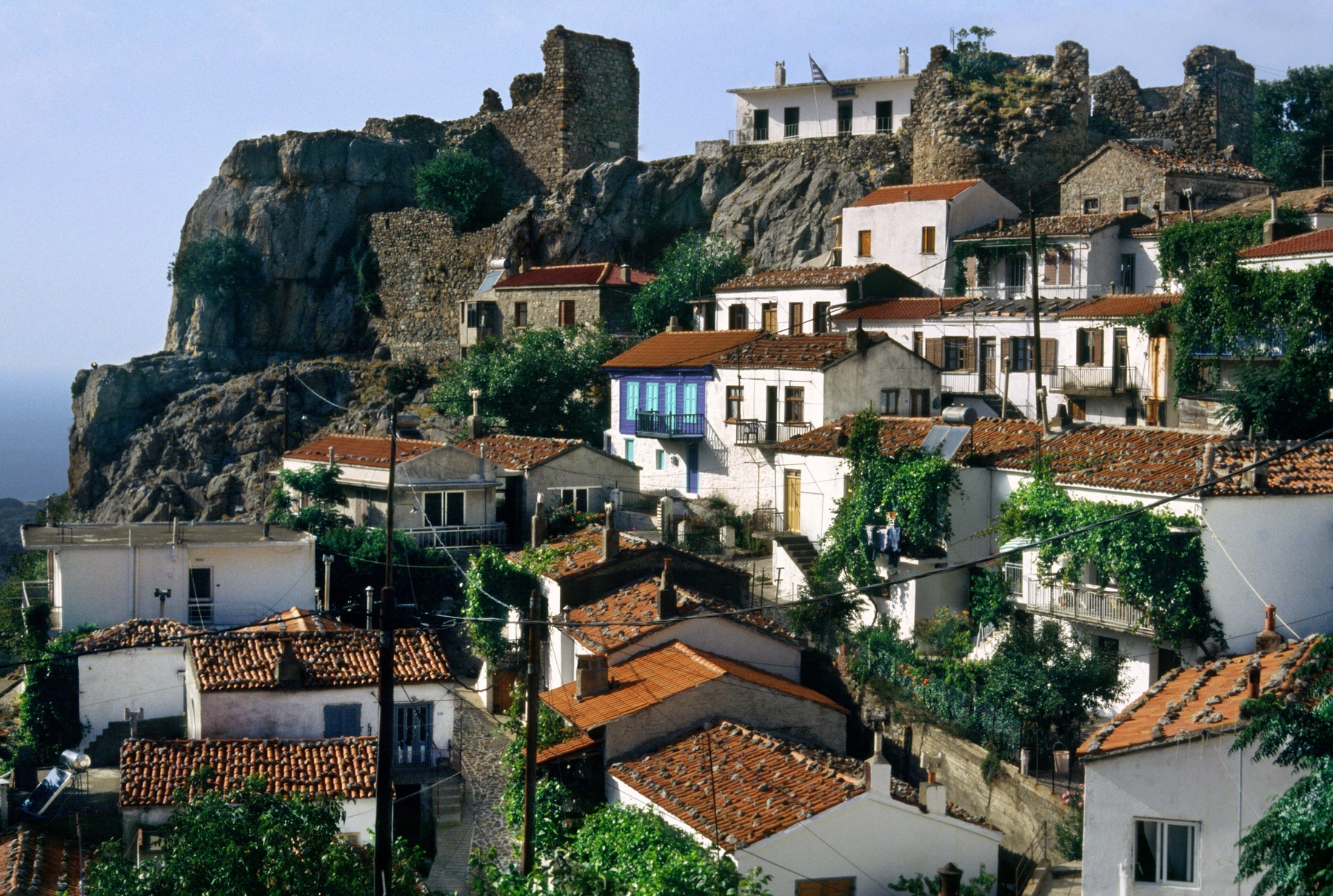
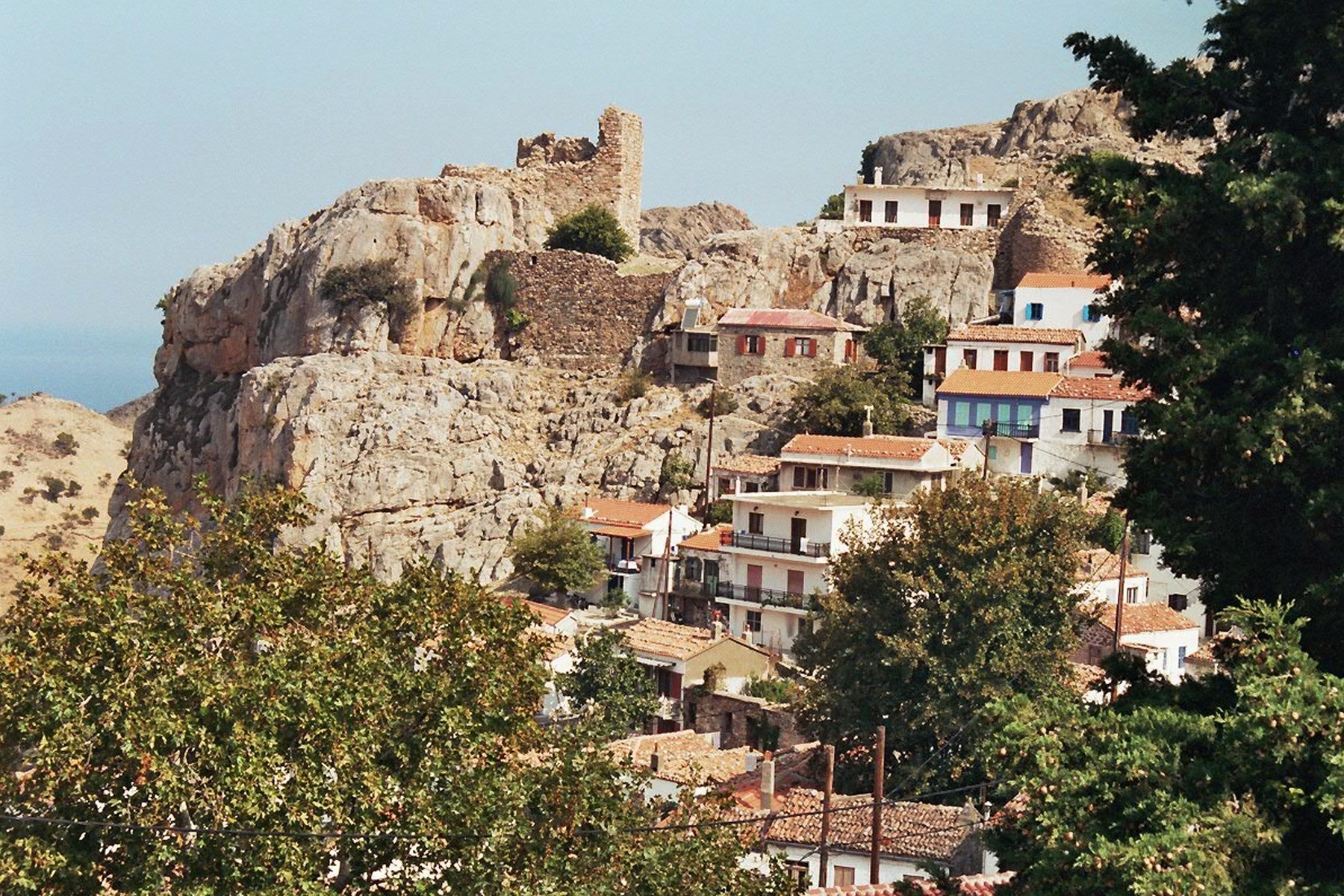
The medieval fortress dominates the traditional inland capital and reflects the island's strategy of refuge from maritime attack.
- Byzantine Fortification
A 10th-century military enclosure within the ancient sanctuary reused blocks from Hellenistic monuments.
- Archaeological Museum
The renovated museum interprets the sanctuary, ancient city, cemeteries, inscriptions and the island's wider archaeology.
- Mount Saos
At 1,611 metres, the mountain gives Samothraki one of the most dramatic profiles of any Aegean island.
- Fonias and the Vathres
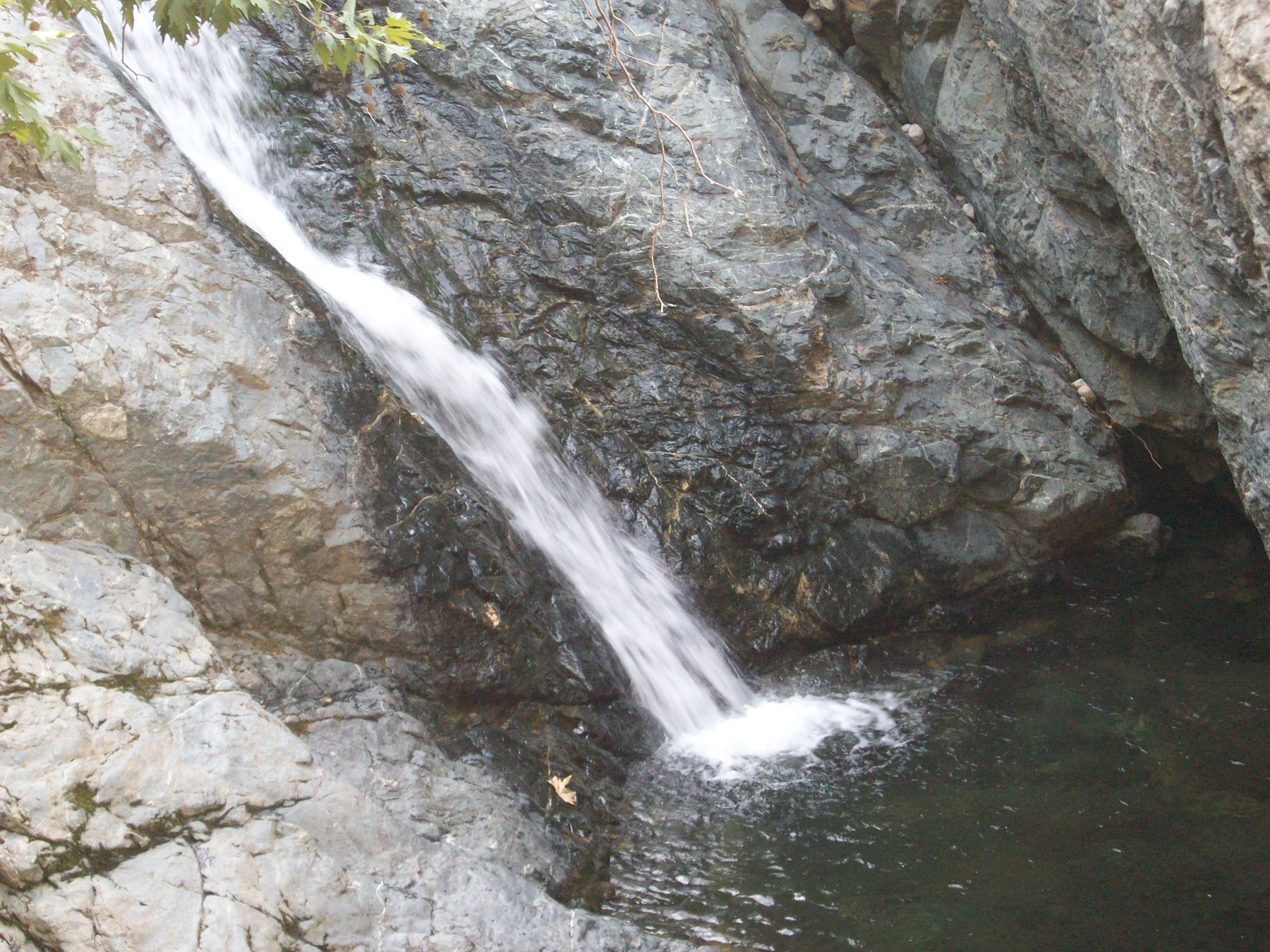
Mountain streams create waterfalls and deep natural pools beneath plane trees and forested ravines.
- Therma Springs
Geothermal waters add a long-standing bathing and wellness tradition to the island's water-rich landscape.
- Chora
Cobbled lanes, stone houses, churches, folklore collections and the medieval castle form the cultural heart of the island.
- Panagia Krimniotissa
The cliff-top chapel above the southern coast dramatizes the relationship between religious devotion and Samothraki's rugged terrain.
Strategic role
A sacred and strategic island commanding northern Aegean sea-lanes, combining an internationally important ancient sanctuary with Byzantine and Genoese fortifications and a rugged mountain landscape that shaped settlement and defense.
Overview: The Island of the Great Gods
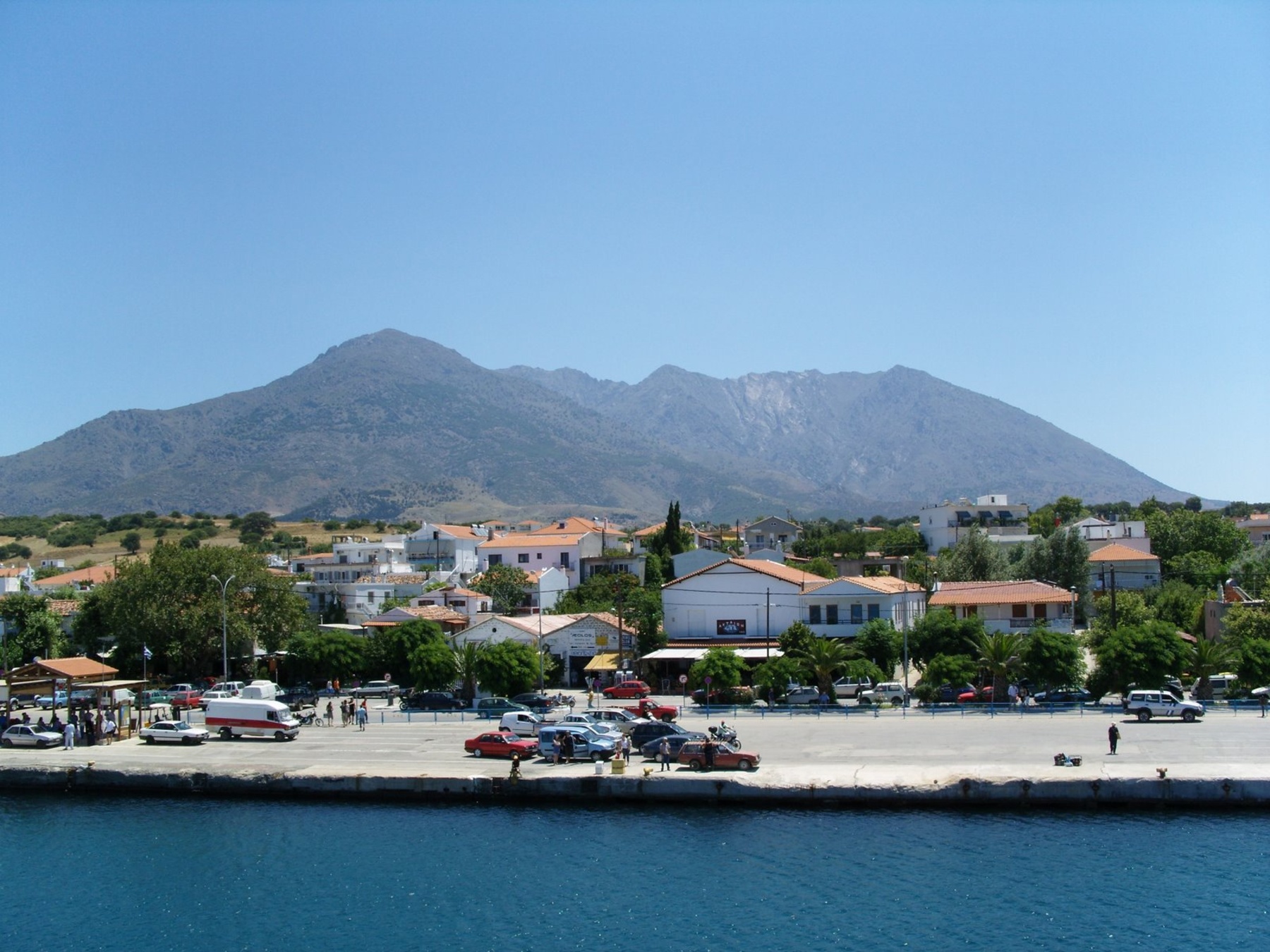
Samothraki occupies an extraordinary position in the northern Aegean, visually dominated by Mount Saos and historically defined by the Sanctuary of the Great Gods. The island never needed to be a major political power to exert influence: its religious sanctuary drew pilgrims and initiates from across the Greek and Roman Mediterranean, while its mountainous profile and position near routes linking the Hellespont, Thrace and the wider Aegean made it a recognizable maritime landmark. Later rulers valued those same strategic qualities, building Byzantine and Genoese fortifications above ancient Paleopolis and around the inland capital of Chora. The result is an island where sacred architecture, defensive construction and natural topography remain unusually interwoven.
The Sanctuary of the Great Gods
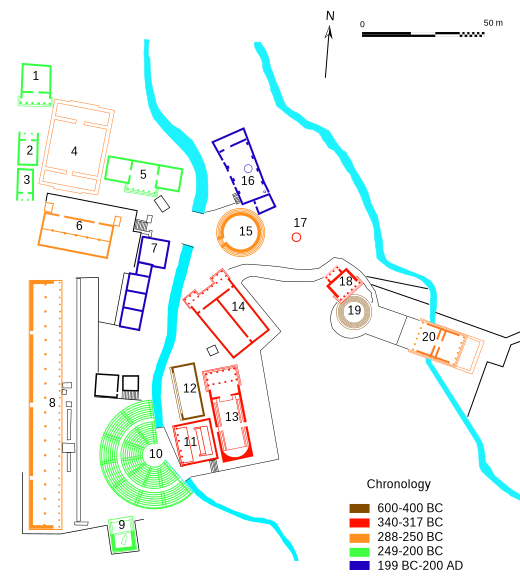
The Sanctuary of the Great Gods at Paleopolis was one of the ancient Mediterranean's most important centers of mystery religion. The Hellenic Ministry of Culture describes religious activity there over roughly eleven centuries, from the Archaic period into Late Antiquity. Initiation was open more broadly than in many ancient cults, and the sanctuary attracted participants from different regions and social ranks. Its rites remain only partly understood because initiates were bound to secrecy, but ancient evidence makes clear that the Great Gods were associated with protection, particularly in relation to travel and the sea. The sanctuary developed along a steep ravine, so its monuments were arranged on terraces rather than according to a rigid axial plan, creating a dramatic sequence of approaches, gateways, halls and sacred spaces.
Hellenistic Monumentality: Arsinoeion, Hieron and Propylon
Royal patronage transformed the sanctuary during the Hellenistic period. The Arsinoeion, dedicated by Arsinoe II in the early third century BCE, was an enormous circular building used in the cult. The Propylon of Ptolemy II created a monumental eastern entrance. The Hieron accommodated the higher stage of initiation, while the Hall of Choral Dancers, or Temenos, and the great Stoa shaped ceremonial movement and congregation. Macedonian royal dedications connected Samothraki with the political world that followed Alexander the Great. These buildings were not isolated temples but components of an experiential sacred landscape in which architecture, topography, nighttime ritual and controlled movement heightened the mystery of initiation.
The Winged Victory of Samothrace
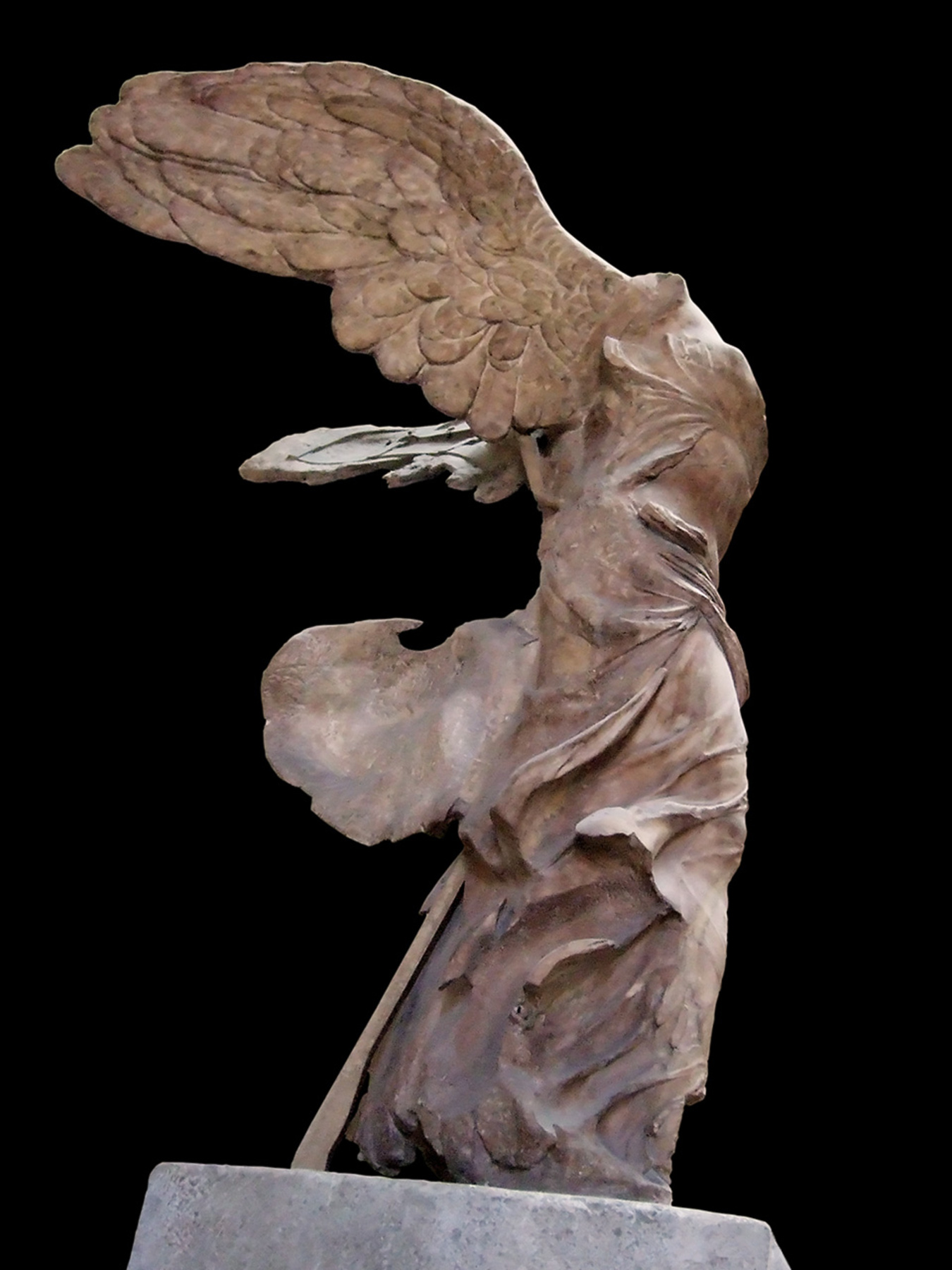
The most famous object ever found on the island is the Winged Victory, or Nike of Samothrace, discovered by Charles Champoiseau in 1863. The statue stood high on the western side of the Sanctuary of the Great Gods, alighting on the prow of a marble warship in a monument generally dated to the early second century BCE. The Louvre describes it as a votive offering commemorating a naval victory, while the precise identity of the dedicator remains debated; a Rhodian connection is often proposed but should not be treated as certain. Its original elevated position made the figure visible as a dynamic apparition above the sanctuary. Removed to France in the nineteenth century, the statue is now one of the Louvre's best-known works, while continuing research at Samothraki reconstructs the architectural setting from which it came.
Ancient City, Harbors and the Christian Transition
The sanctuary stood beside the ancient city at Paleopolis rather than within it. Substantial remains of the city's fortification walls survive, and the coast preserves evidence of ancient harbor works that connected Samothraki to northern Aegean sea routes. The island's religious landscape changed gradually in Late Antiquity. Visit Greece notes the remains of a three-aisled Early Christian basilica of the fifth to sixth centuries near Paleopolis, traditionally connected with the memory of the Apostle Paul's passage through Samothraki described in Acts. The Archaeological Museum presents material not only from the sanctuary but also from the ancient city, cemeteries and other island sites, allowing visitors to see how life extended beyond the famous mystery cult.
Byzantine Fortification and the Reuse of Antiquity
After the ancient sanctuary fell out of use, its monumental stone became a resource for later inhabitants. Excavations by the American team at Samothrace document a roughly square military fortification constructed on the sanctuary's Western Hill in the tenth century CE. Byzantine builders reused limestone and marble from Hellenistic monuments, including material associated with the Stoa, Neorion and other structures. The fort appears to have served a military function for about a century before being adapted for domestic use. This building is particularly revealing because it demonstrates the transformation of the sacred landscape into a defensive one: prestigious ancient architecture was literally dismantled and recombined to answer medieval security needs.
The Gattilusi: Castles and Towers of the Fifteenth Century
In the fifteenth century Samothraki became part of the northern Aegean possessions of the Genoese Gattilusi family. Their fortifications remain among the island's most visible medieval monuments. A municipal cultural-heritage study dates the major Gattilusi investment to the 1430s and 1440s, including the imposing tower complex at Paleopolis. Visit Greece dates the principal castle works to 1431–1433. The Paleopolis towers stand beside the ancient city and harbor and incorporate reused ancient material, visually linking the Hellenistic and medieval landscapes. A further castle crowns Chora, while another tower guards the area near the Fonias river. Together they formed a dispersed defensive network rather than a single isolated fortress.
Chora: Traditional Capital beneath a Genoese Castle
Chora is built inland on steep slopes where it could avoid direct exposure to maritime raiding. Its tightly packed houses, cobbled lanes and changing levels create a settlement adapted to difficult terrain. Above it rise the remains of the Gattilusi castle, making the relationship between refuge settlement and fortification especially clear. Visit Greece highlights both the medieval castle and the Folklore Museum, as well as the nineteenth-century Church of the Dormition. Unlike Paleopolis, where monumental archaeology dominates, Chora expresses continuity of community: medieval defense, Ottoman-period and modern village life, churches, domestic architecture and local traditions occupy the same compact mountain setting.
The Archaeological Museum and the Recovery of Samothrace
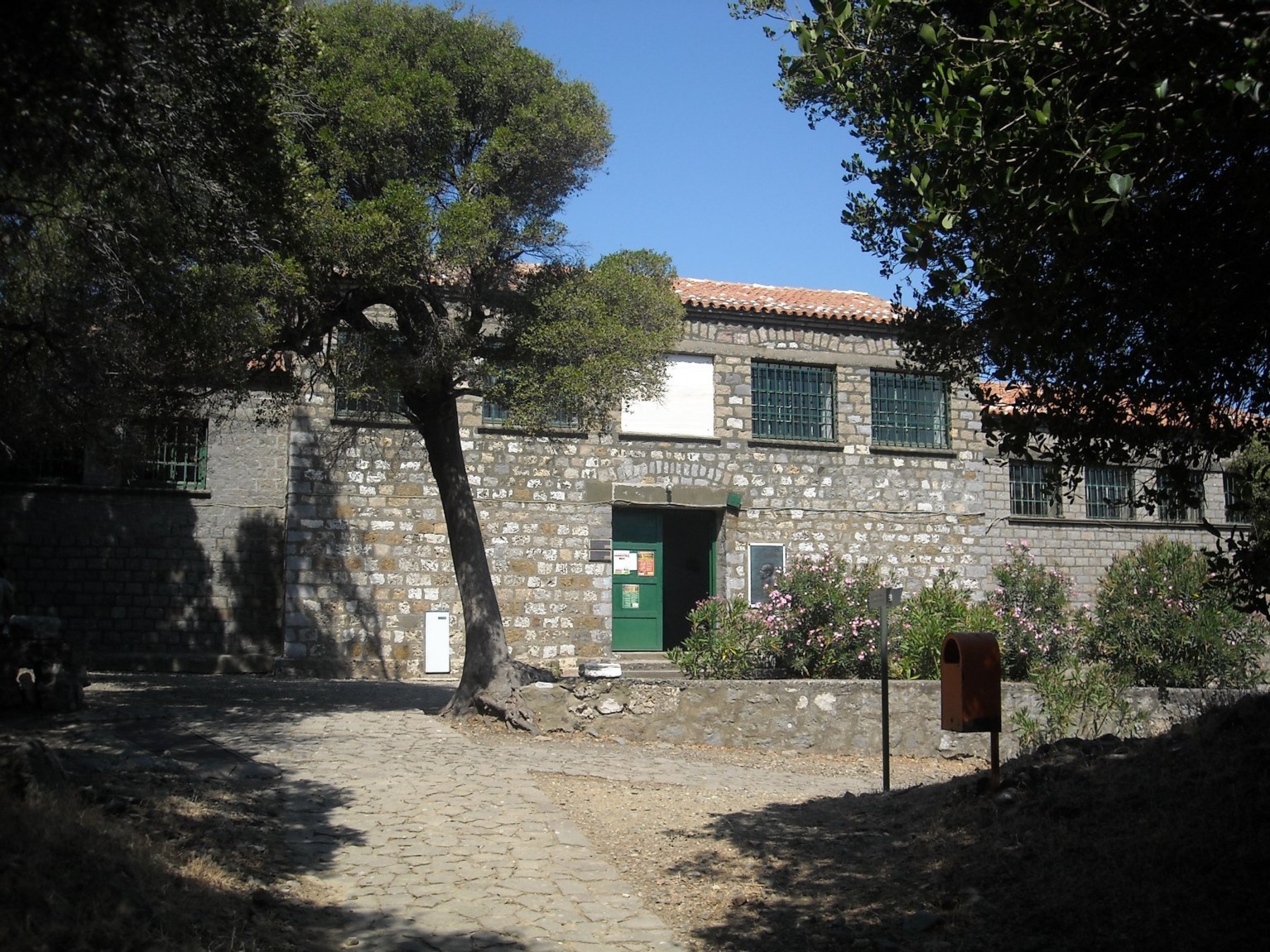
The Archaeological Museum of Samothrace is essential to understanding the island because many of the sanctuary's architectural and sculptural fragments require reconstruction and explanation. The Ministry of Culture's current presentation organizes the museum across halls devoted to architectural restorations, the ancient city and cemeteries, entry into the sanctuary, initiation, inscriptions and finds from elsewhere on the island. The museum building was designed by Stuart M. Shaw and developed between 1939 and 1961, with the first exhibition opening in 1955; a major renovation in the twenty-first century renewed the display. Together with the long-running American excavations, the museum turns Samothraki into a place where archaeological research itself forms part of the visitor experience.
Mount Saos, Fonias and the Vathres
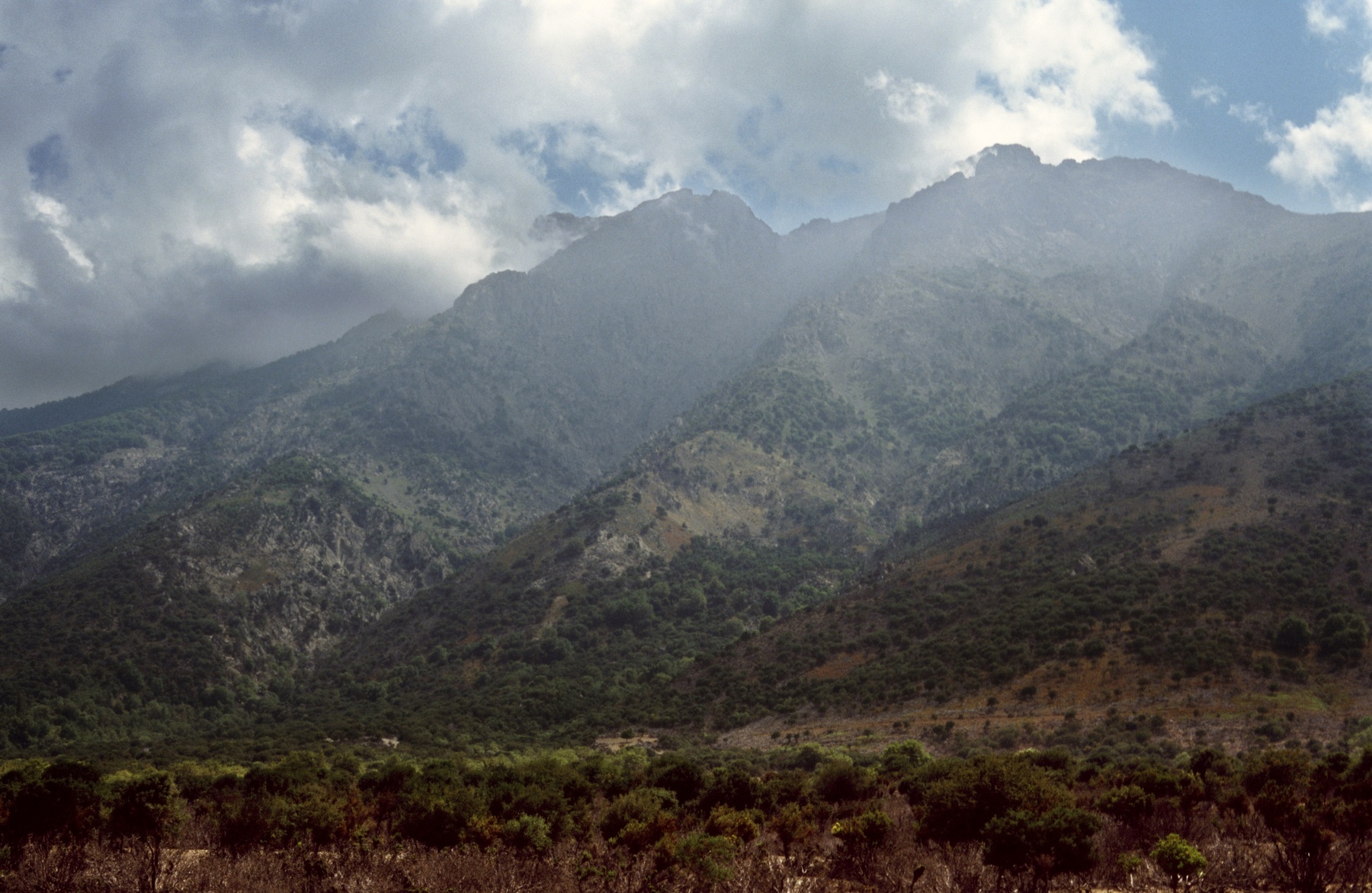
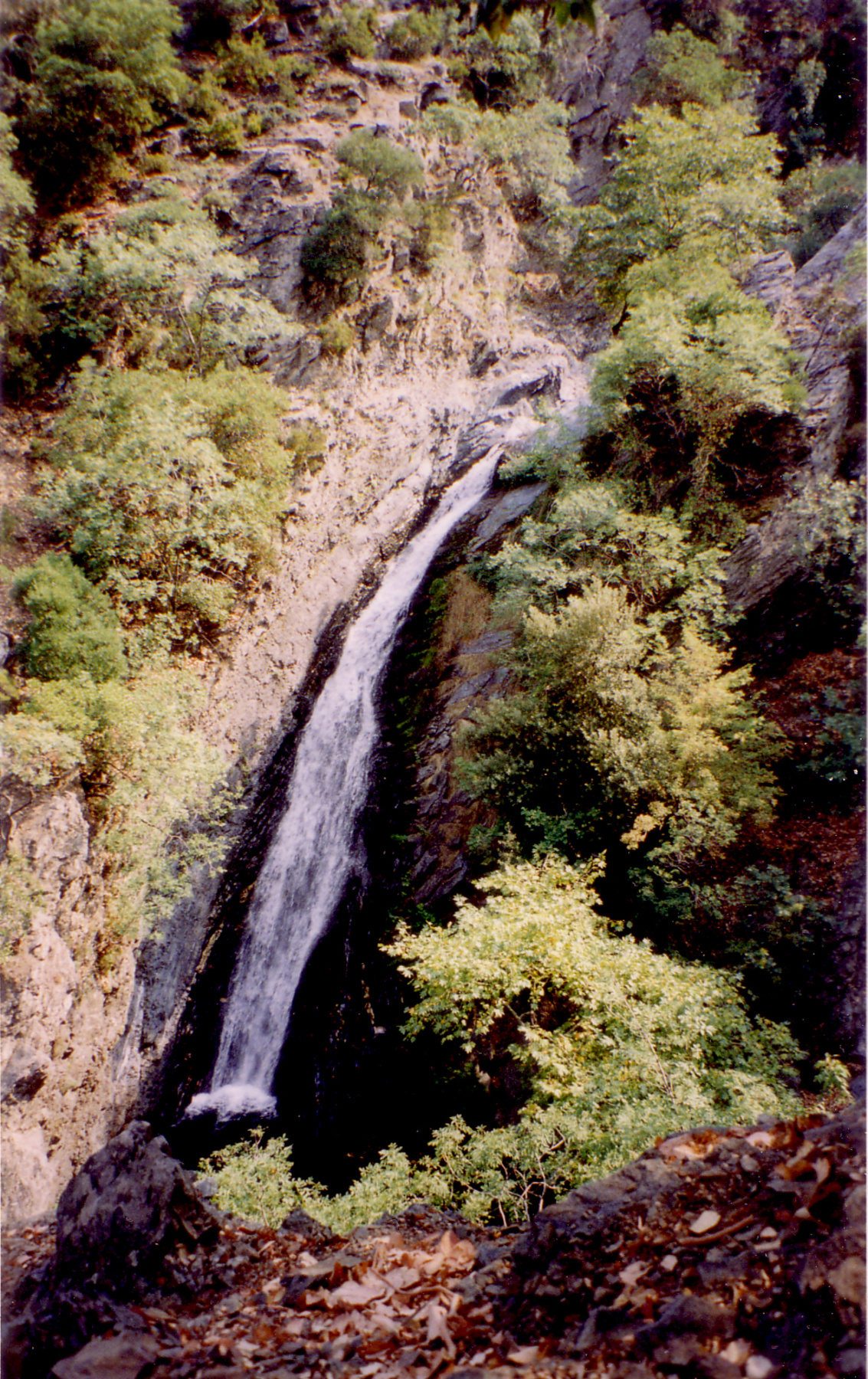
Samothraki's natural environment is as important to its identity as its monuments. Mount Saos rises abruptly to 1,611 metres at Fengari, making it the highest mountain on an Aegean island. Water descends from the massif through forested ravines and creates the island's characteristic waterfalls and vathres, natural rock basins used for swimming. Visit Greece singles out the Fonias stream and its Kleidosi waterfall, as well as Gria Vathra and the extraordinary Kremasto waterfall, which drops toward the sea. This abundance of running water gives Samothraki a landscape unlike the drier islands farther south and helps explain both its dense vegetation and its strong association with outdoor exploration.
Forests, Beaches and Thermal Springs
The northern slopes of Samothraki support plane trees, oaks, chestnuts, cedars and dense Mediterranean vegetation, while the coast alternates between pebbly coves, cliffs and a small number of sandy beaches. Kipos is known for dark pebbles; Pachia Ammos is the principal sandy beach and lies below the dramatic chapel of Panagia Krimniotissa. Much of the southern and eastern coastline is easier to appreciate by boat because steep terrain limits road access. At Therma, geothermal springs have long supported bathing and wellness traditions. The combination of cool mountain water, thermal springs and open sea makes water—in sacred, practical and recreational forms—a recurring theme across the island.
Culture, Memory and the Visitor Experience
Samothraki's cultural identity extends beyond its headline monuments. Chora's Folklore Museum preserves material relating to island households, clothing and rural life. Churches and chapels occupy prominent positions in villages and remote landscapes, including Panagia Krimniotissa high above the southern coast. Local cuisine reflects pastoral and agricultural traditions as well as the sea, while the island's festivals and religious celebrations maintain community ties between villages and diaspora families. The modern visitor encounters a place where archaeology, mountain culture and everyday island life are not sharply separated: a day may move from Hellenistic architecture to a medieval tower, a forest waterfall, a thermal spring and a traditional village square.
Why Visit
Samothraki is exceptional because no single attraction explains it. The Sanctuary of the Great Gods gives the island international archaeological importance; the Winged Victory connects it to one of the world's most celebrated ancient sculptures; Byzantine and Gattilusi fortifications reveal its strategic role in the northern Aegean; and Chora preserves the atmosphere of a mountain refuge beneath a medieval castle. At the same time, Mount Saos, the Fonias gorge, the vathres, forests, thermal springs and difficult coastline make the natural landscape inseparable from the historical one. Visitors interested in castles, archaeology, religion, hiking, water landscapes or traditional island culture can all find a coherent story here: Samothraki repeatedly transformed its dramatic geography into sacred space, refuge, defense and identity.
Architecture
- Sanctuary of the Great Gods with monumental Hellenistic ceremonial architecture
- Arsinoeion, one of the largest surviving circular buildings of the ancient Greek world
- Hieron, Anaktoron, Temenos, Stoa and Ptolemaic propylon within the sanctuary
- Nike Monument designed to display the Winged Victory above a marble ship's prow
- Massive ancient city walls at Paleopolis
- 10th-century Byzantine military fortification built with reused ancient architectural blocks
- Gattilusi tower complex at Paleopolis, partly built with spolia from the ancient city and sanctuary
- Gattilusi castle above Chora integrated with the steep traditional settlement
- Gattilusi watchtower near the Fonias river
- Traditional stone houses and cobbled lanes of Chora
- Church of the Dormition in Chora and island chapels integrated with the mountain landscape
Timeline
- Neolithic period Archaeological evidence records human activity on Samothraki from prehistoric times.
- 7th century BCE The Sanctuary of the Great Gods was already an active religious center; cult activity continued for more than a millennium.
- 5th–4th centuries BCE Major ceremonial areas of the sanctuary developed, including the Sacred Circle and buildings associated with initiation and communal ritual.
- c. 340 BCE The Hall of Choral Dancers, or Temenos, was constructed as a major marble building within the sanctuary.
- 323–316 BCE Philip III Arrhidaeus and Alexander IV were commemorated in a major votive monument at the sanctuary.
- 288–281 BCE The Arsinoeion, an enormous circular cult building, was constructed under the patronage of Arsinoe II.
- 285–281 BCE Ptolemy II Philadelphus dedicated the monumental propylon forming an important entrance to the sanctuary.
- Early 3rd century BCE The great Stoa was built to accommodate visitors and gatherings within the sanctuary.
- Early 2nd century BCE The Nike Monument was created on the Western Hill; the Winged Victory stood on a marble ship's prow as a votive dedication.
- Roman Imperial period The Sanctuary of the Great Gods remained an international pilgrimage and initiation center under Roman rule.
- 4th century CE Ancient religious activity at the sanctuary came to an end during the Christianization of the Roman Empire.
- 5th–6th centuries CE An Early Christian basilica was established near Paleopolis, marking the transformation of the island's religious landscape.
- 10th century Byzantine inhabitants built a military fortification on the sanctuary's Western Hill using stone reused from ancient monuments.
- 1431–1433 Gattilusi fortification works were undertaken on Samothraki, including the castle associated with Chora.
- c. 1435–1440 The major Gattilusi tower complex at Paleopolis was constructed or substantially developed.
- Mid-15th century Additional Gattilusi towers protected strategic locations including the Fonias area.
- 1450s Ottoman expansion ended Gattilusi control of Samothraki; the island subsequently became part of the Ottoman Empire.
- 1863 Charles Champoiseau discovered the fragments of the Winged Victory of Samothrace in the Sanctuary of the Great Gods.
- 1875–1879 Further Austrian and French investigations clarified the Nike monument; Champoiseau returned in 1879 and recovered the ship-shaped base.
- 1938 onward Systematic American excavations and research transformed modern understanding of the sanctuary and its monuments.
- 1955 The first exhibition of the Archaeological Museum of Samothrace opened to the public.
- Late 20th–21st centuries Conservation, museum renewal and continuing archaeological research expanded interpretation of the sanctuary, ancient city and later fortifications.
Visiting today
Samothraki is best experienced as a network of archaeological, fortified and natural sites. Paleopolis combines the Sanctuary of the Great Gods, Archaeological Museum, ancient city remains and Gattilusi towers. Chora offers the medieval castle, traditional architecture and folklore heritage. Fonias, Gria Vathra and Mount Saos require appropriate footwear and mountain awareness; stream levels, slippery rock, heat, storms and difficult terrain can change conditions quickly. Some beaches and waterfalls are accessible most easily by boat. Check current Ministry of Culture information for the sanctuary and museum, and local guidance for mountain routes and thermal facilities.
Historical contexts
- Sanctuary of the Great Gods
- Samothracian Mysteries
- Hellenistic Aegean
- Roman Pilgrimage
- Byzantine Fortification
- Genoese Gattilusi
- Ottoman Period
- Northern Aegean Maritime Routes
- Mountain and Water Landscape
- Living Island Heritage
Expedition guides
Images
References
- Hellenic Ministry of Culture — Sanctuary of the Great Gods on Samothrace
- Hellenic Ministry of Culture — Archaeological Museum of Samothrace
- Hellenic Ministry of Culture — Archaeological Museum of Samothrace, new exhibition
- Visit Greece — Samothrace: The Island of the Great Gods
- American Excavations Samothrace — Sanctuary research and excavations
- American Excavations Samothrace — Byzantine Fortification
- American Excavations Samothrace — Nike Monument
- Municipality of Samothraki — Thracian and Byzantine Cultural Heritage study
- Musée du Louvre — A Stairway to Victory
- Musée du Louvre — Winged Victory of Samothrace collection record
Related Stops
Topics
- Sacred Island
- Sanctuary Of The Great Gods
- Samothracian Mysteries
- Winged Victory
- Hellenistic
- Roman
- Byzantine
- Gattilusi
- Genoese Aegean
- Medieval Fortification
- Chora Castle
- Archaeological Museum
- Mount Saos
- Waterfalls
- Vathres
- Thermal Springs
- Traditional Settlement
- Northern Aegean