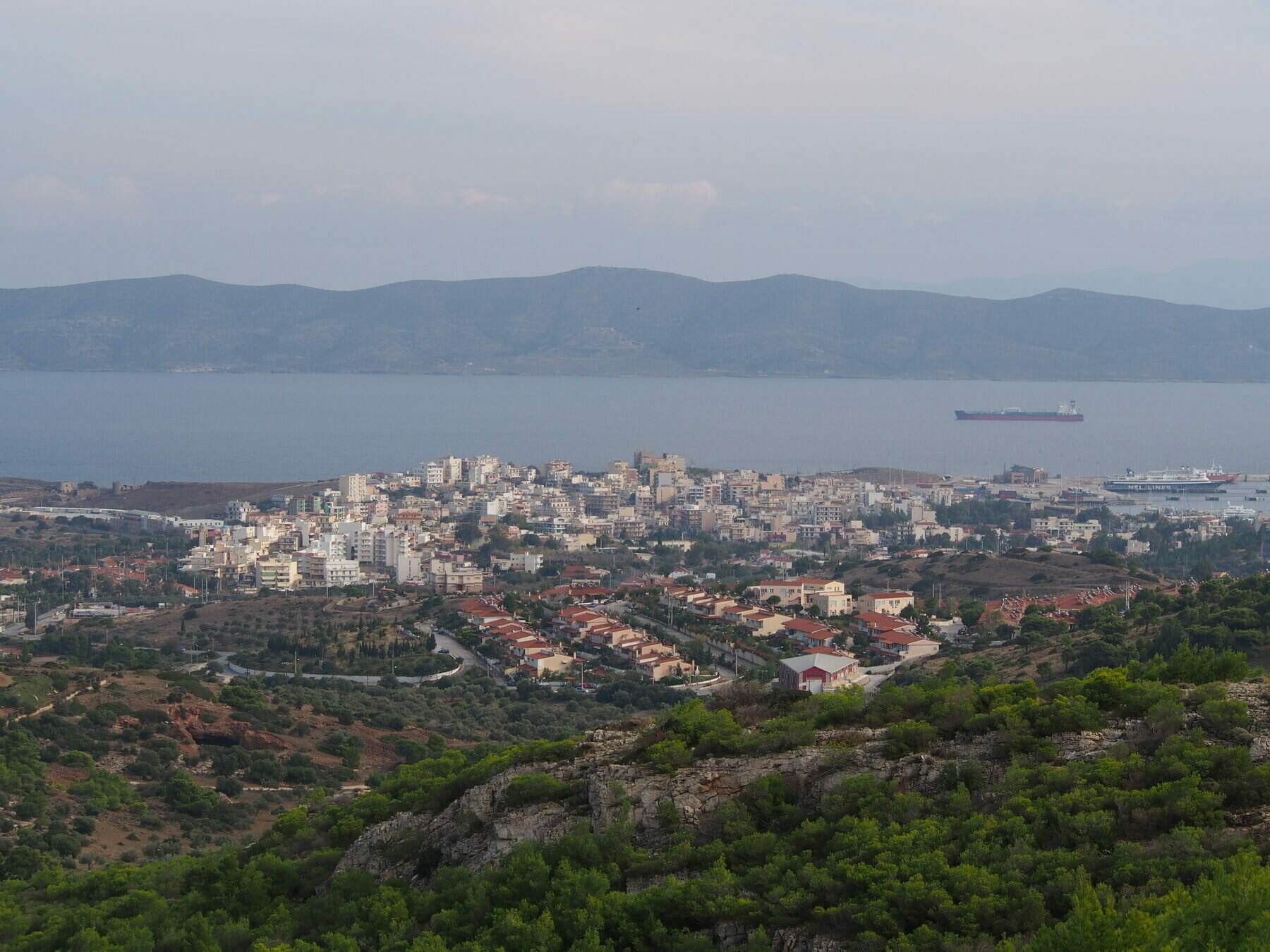
Attica
Lavrio
Lavrio is a historic harbor and mining town on southeastern Attica, combining ancient Laurion’s silver-mining landscape with modern marina, ferry, and yachting infrastructure.
sailing expedition · 17 itinerary entries
Lavrio, the eastern islands, Thrace, Chalkidiki and the Northern Sporades
A long Lavrio circuit linking Psara, Chios, Lesvos, Limnos, Samothraki, Kavala, Chalkidiki, Platamon and the Northern Sporades.
Approximate voyage framework: 798 NM
Nominal duration: 21 days
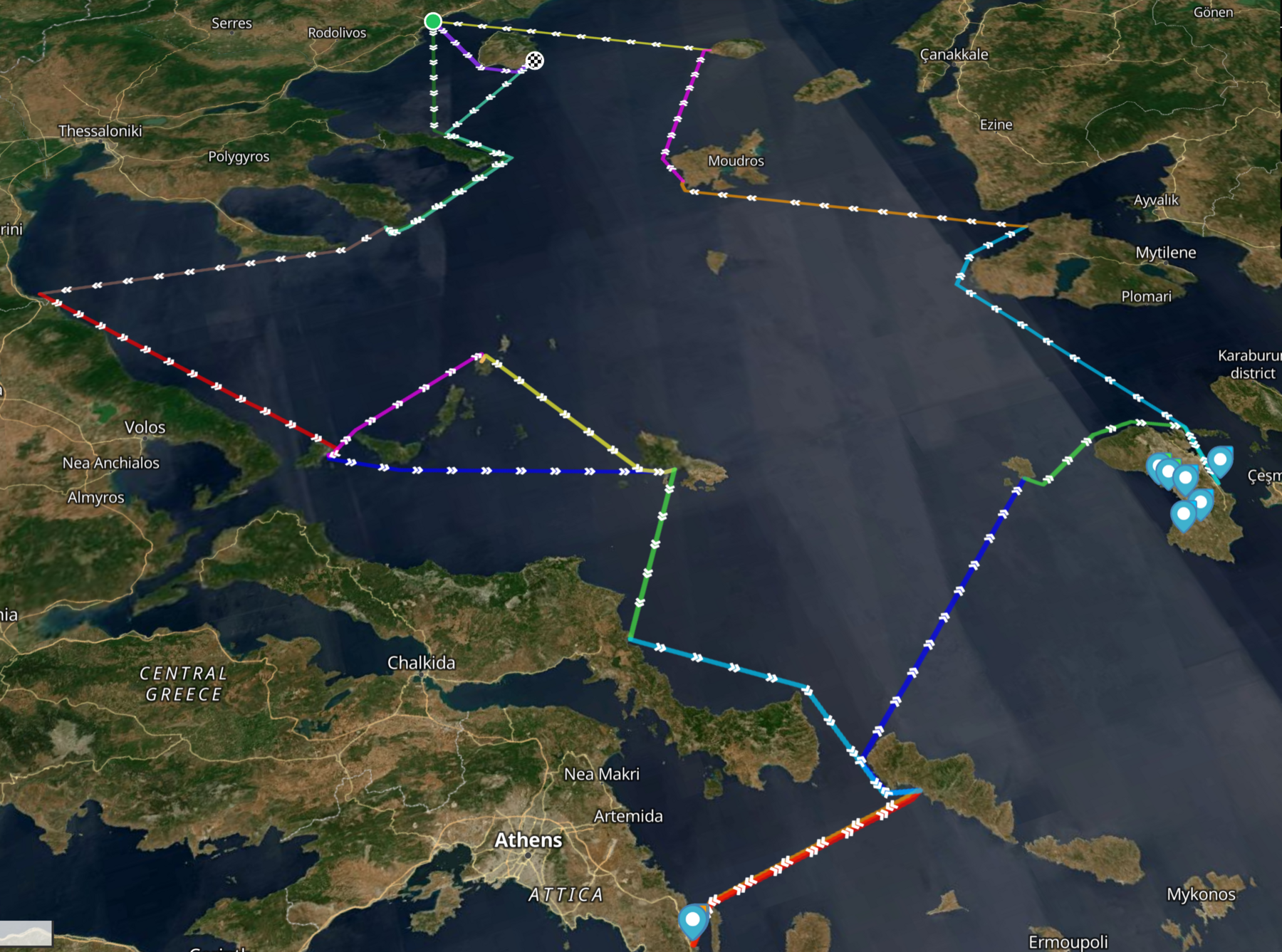
A weather-led grand circuit with substantial open-water legs. Aliki divides the Kavala–Porto Koufo passage; Planitis offers an optional remote overnight between Skiathos and Skyros.
Aliki and Kyra Panagia are optional passage breaks. Direct alternatives remain available without enforcement.
A one- or two-day land circuit exploring Chios Castle, Nea Moni, Avgonima, Anavatos, Mesta and Pyrgi. It complements Expedition VI but also stands on its own as an independent visit to the island.
These files contain the authored route or waypoints; changing the planner does not update them.
Adaptable itinerary
The default stop order and optional choices are shown below. When the planner loads, you can adjust optional stops, passage variants, and stays; route distances and time summaries update from the shared route data.
| # | Destination | Role and default choice | Related place | Nautical site options | Authored stay |
|---|---|---|---|---|---|
| 1 | LavrioRoute and destination notesFull stop and shelter details in COG |
Departure BaseRequired | Lavrio | Olympic Marine, Lavrio | 0 nights |
| 2 | Batsi, AndrosRoute and destination notesExpedition roleFinal provisioning, fuel and forecast-review stop before the early Batsi–Psara gateway passage. |
Overnight StopRequired | Andros | Batsi Harbor, Andros | 1 night |
| 3 | Psara | Historical DestinationRequired | Psara | Psara Harbor | 1 night |
| 4 | Chios | Historical DestinationRequired | Chios Anavatos Mesta Pyrgi | Chios Marina Chios Harbor | 2 nights |
| 5 | Molyvos / Methymna | Historical DestinationRequired | Molyvos | Molyvos Harbor | 2 nights |
| 6 | Myrina | Historical DestinationRequired | Myrina | Myrina Harbor | 2 nights |
| 7 | Kamariotissa, SamothrakiRoute and destination notesFull stop and shelter details in COG |
Overnight StopRequired | Samothraki | Kamariotissa Port, Samothraki | 1 night |
| 8 | KavalaRoute and destination notesLand excursionReserve a full day for Philippi. Kavala Fortress and the old town can be visited from the waterfront on foot or by local transport. Nearby monumentsFull stop and shelter details in COG |
Historical DestinationRequired | Kavala Philippi | Kavala Port / Yacht Berthing | 2 nights |
| 9 | Aliki, ThasosRoute and destination notesFull stop and shelter details in COG |
Conditional StopOptional · included by default | Aliki, Thasos Thasos | Aliki Anchorage, Thasos | 1 night |
| 10 | Porto KoufoRoute and destination notesExpedition roleForecast-led shelter and recovery stop; historically secondary but operationally valuable. |
Weather RefugeRequired | Nautical stop; no standalone place page | Porto Koufo Harbor | 1 night |
| 11 | PlatamonasRoute and destination notesHistorical targetPlatamon Castle is the primary reason for the stop. Confirm harbor suitability separately from monument access. Nearby monumentsFull stop and shelter details in COG |
Historical DestinationRequired | Platamon | Platamonas Harbor | 1 night |
| 12 | SkiathosRoute and destination notesExpedition roleUseful recovery, provisioning and crew-comfort stop before the final southbound stages. Nearby monumentsFull stop and shelter details in COG |
Historical DestinationRequired | Skiathos | Skiathos Port | 2 nights |
| 13 | Kyra PanagiaRoute and destination notesFull stop and shelter details in COG |
Conditional StopOptional · included by default | Kyra Panagia | Planitis Agios Petros Kyra Panagia Anchorage Monastery Bay | 1 night |
| 14 | Linaria, SkyrosRoute and destination notesFull stop and shelter details in COG |
Overnight StopRequired | Skyros | Linaria Port, Skyros | 1 night |
| 15 | Agioi Apostoloi, EviaRoute and destination notesExpedition roleOperational return stop; confirm current berth conditions and services before relying on it. |
Overnight StopRequired | Nautical stop; no standalone place page | Agioi Apostoloi Harbor, Evia | 1 night |
| 16 | Batsi, AndrosRoute and destination notesExpedition roleFinal provisioning, fuel and forecast-review stop before the early Batsi–Psara gateway passage. |
Overnight StopRequired | Andros | Batsi Harbor, Andros | 1 night |
| 17 | LavrioRoute and destination notesFull stop and shelter details in COG |
Return BaseRequired | Lavrio | Olympic Marine, Lavrio | 0 nights |
Planning information is not navigational advice. Confirm current charts, weather, Notices to Mariners, local berthing rules, and conditions before sailing.
18 linked places
Attica
Lavrio is a historic harbor and mining town on southeastern Attica, combining ancient Laurion’s silver-mining landscape with modern marina, ferry, and yachting infrastructure.
Cyclades
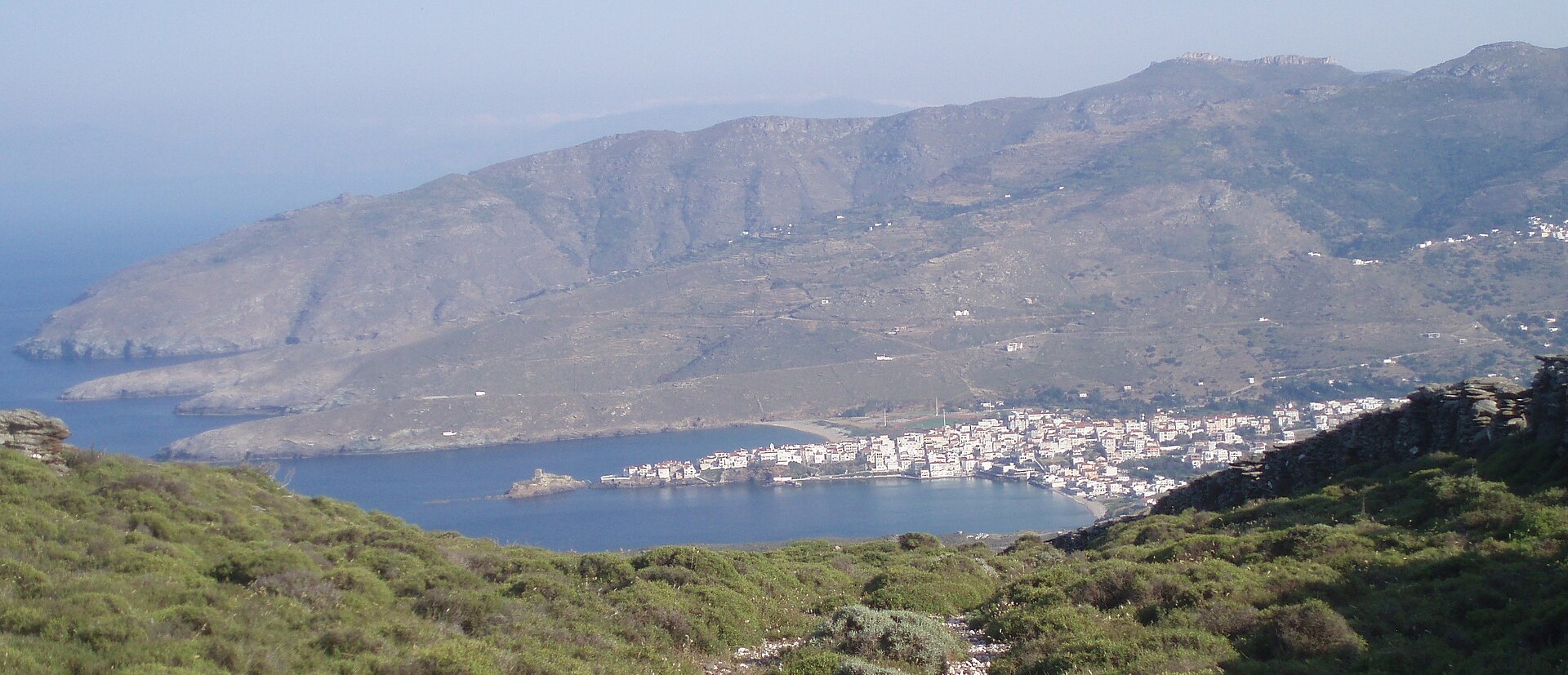
Andros is one of the most historically and environmentally distinctive islands of the Cyclades. The fortified Final Neolithic settlement of Strofilas preserves exceptional rock art; Zagora and Ypsili illuminate Geometric and Archaic urbanism; and Palaiopolis became the island's long-lived Classical and Roman capital. Byzantine prosperity based on silk and shipping left important churches and monastic foundations, while Latin rule produced major fortifications such as Kato and Epano Kastro. In the modern era Andriot shipowners helped shape Greek merchant shipping, financing the neoclassical mansions, museums and cultural institutions of Chora. Abundant springs, rivers, terraces, stone bridges and restored paths give the island a greener and more water-rich cultural landscape than most of the Cyclades.
North Aegean
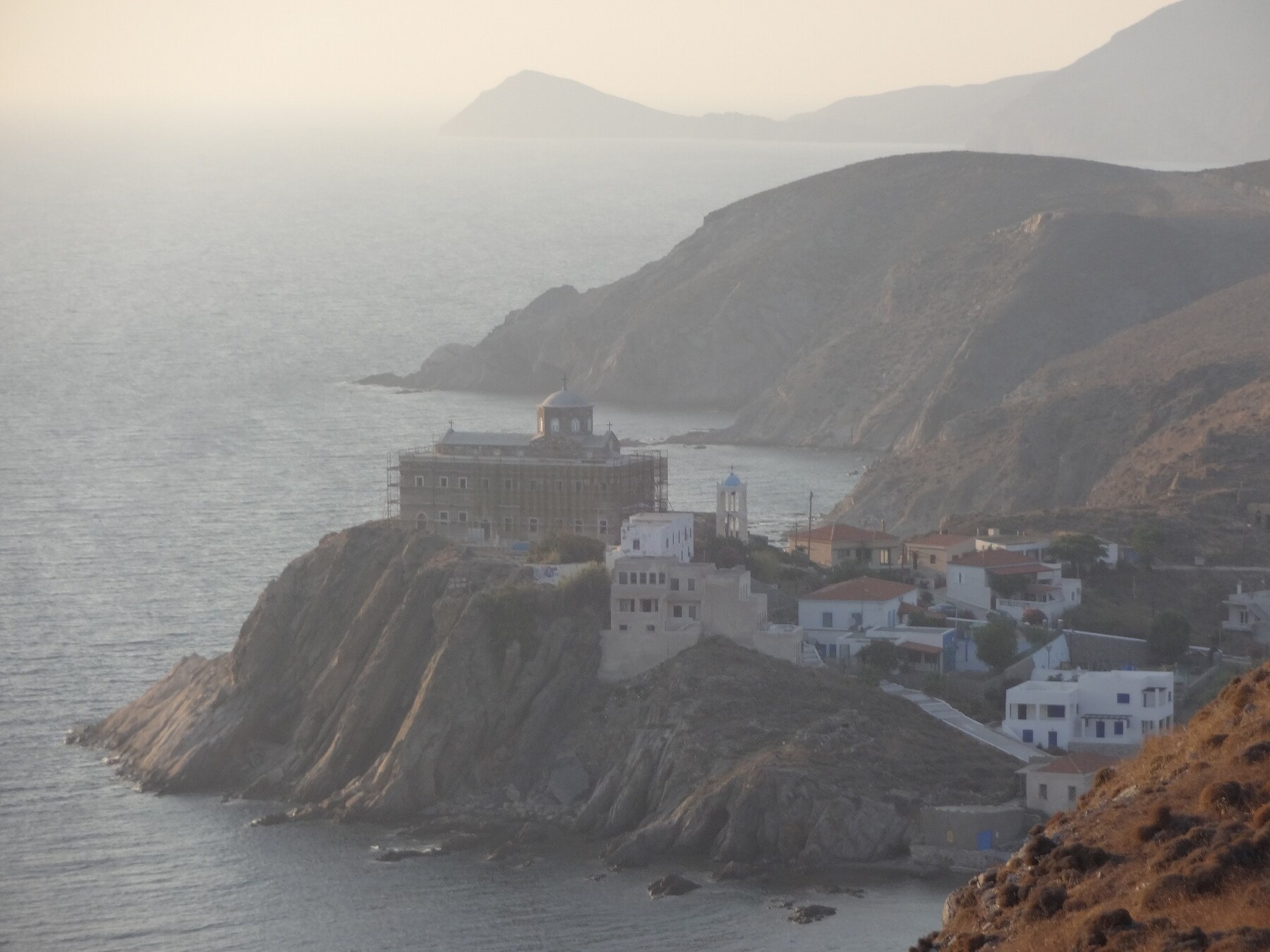
Psara is a small, rugged island whose influence on the Greek War of Independence far exceeded its size. Its prosperous merchant fleet, celebrated fireship captains, and destruction in 1824 made it an enduring symbol of naval resistance, sacrifice, and national memory.
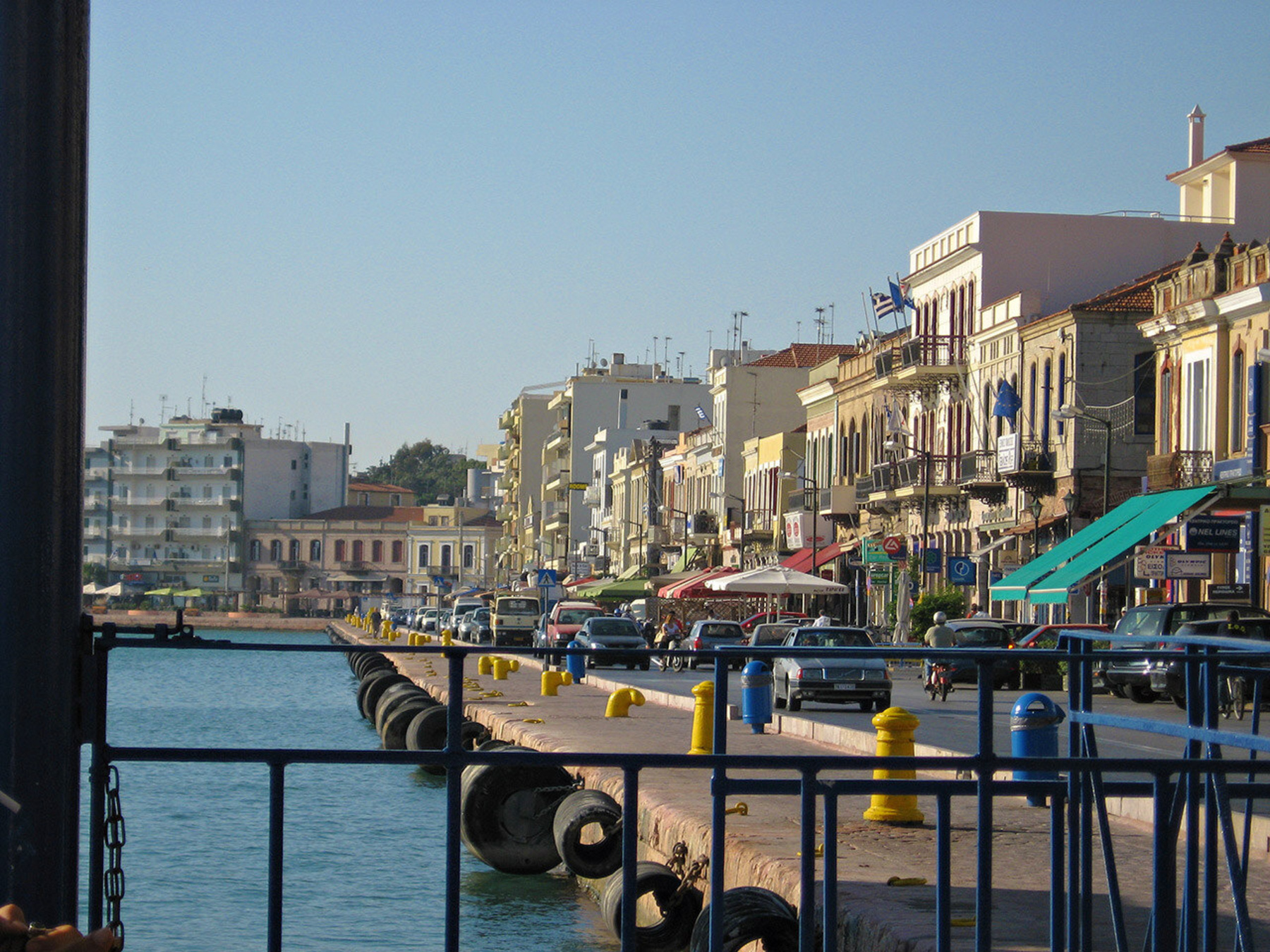
Chios, North Aegean
Chios has occupied a strategic position between the Aegean and the coast of Asia Minor since antiquity. Prosperity from maritime trade and the unique cultivation of mastic attracted Byzantine emperors, Genoese merchants, and Ottoman administrators, each leaving a distinct imprint on the island. Its medieval castle, UNESCO-listed Nea Moni, fortified mastic villages, and dramatic mountain settlements preserve an exceptional record of continuity from the Middle Byzantine period through the modern Greek state.
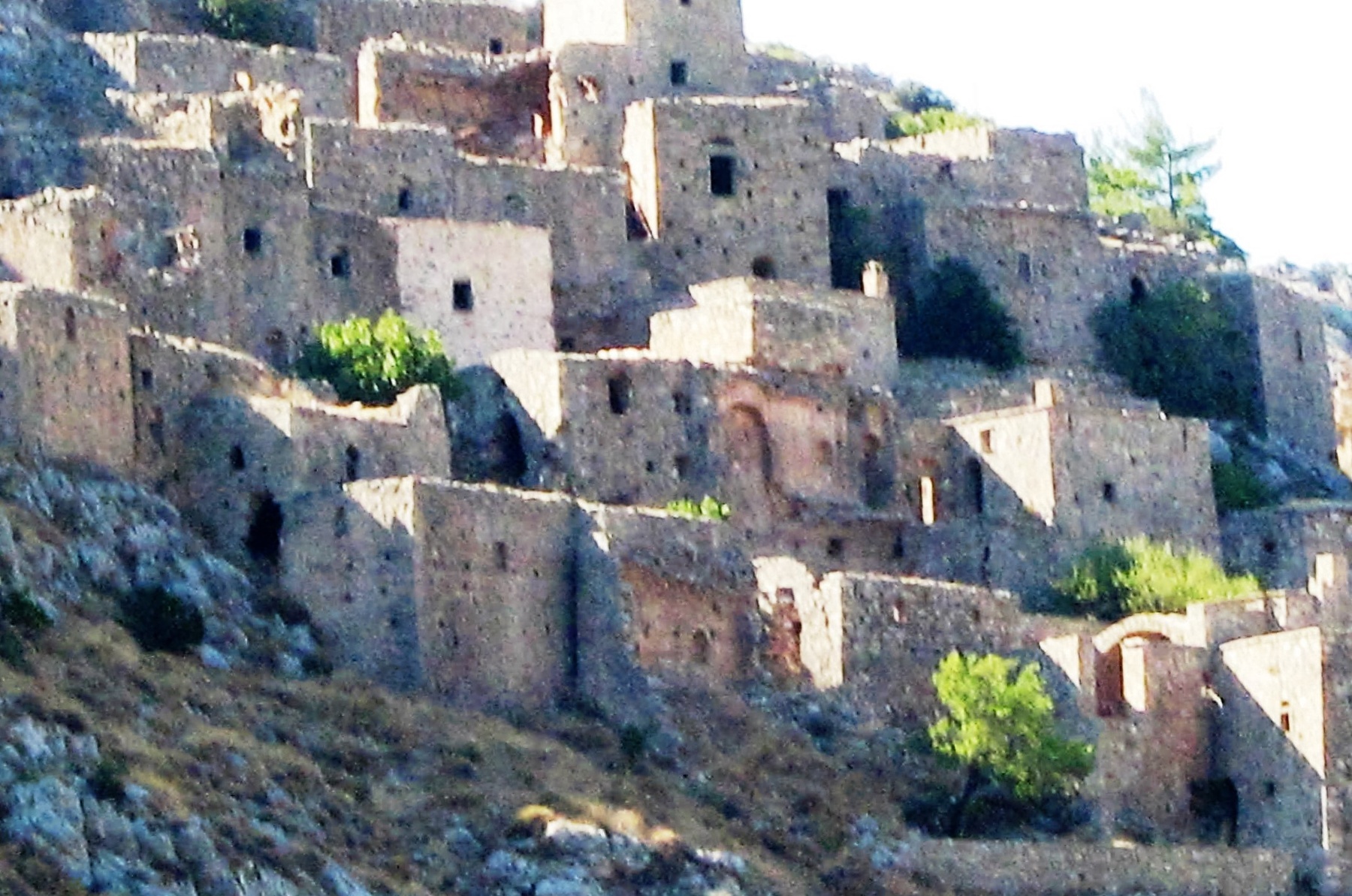
Chios, North Aegean
Anavatos is a largely deserted defensible settlement built into a steep rock in central Chios. Its enclosed nucleus, slope-bound Mesochori and post-1881 New Village preserve distinct phases of community life. Dense houses, constrained routes, churches, water storage, work spaces and communal buildings joined protection to everyday needs. The catastrophe of 1822 was a defining rupture, but occupation continued before earthquake damage and gradual depopulation reshaped the village. Conservation now forms part of the history visitors encounter.
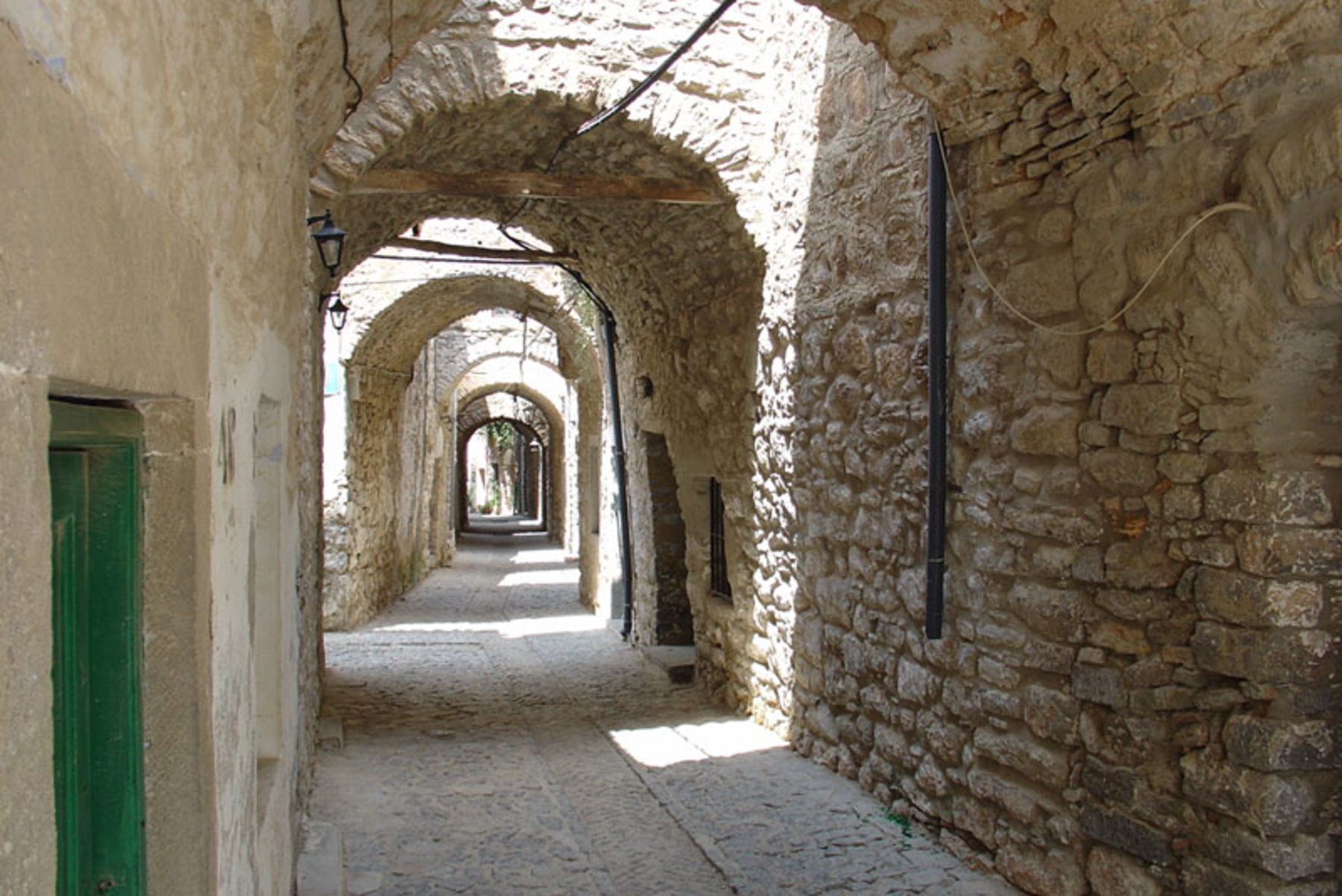
Chios, North Aegean
Mesta is one of the best-preserved medieval fortified villages of southern Chios and a defining example of the Mastichochoria, the mastic-growing settlements shaped by defense, commerce and communal life. Its polygonal plan, adjoining stone houses, vaulted alleys, controlled gates and former central tower transformed the village itself into a castle. Developed under Byzantine and especially Genoese influence, Mesta remained closely tied to the cultivation and protection of Chios mastic and survives today as a living historic settlement.
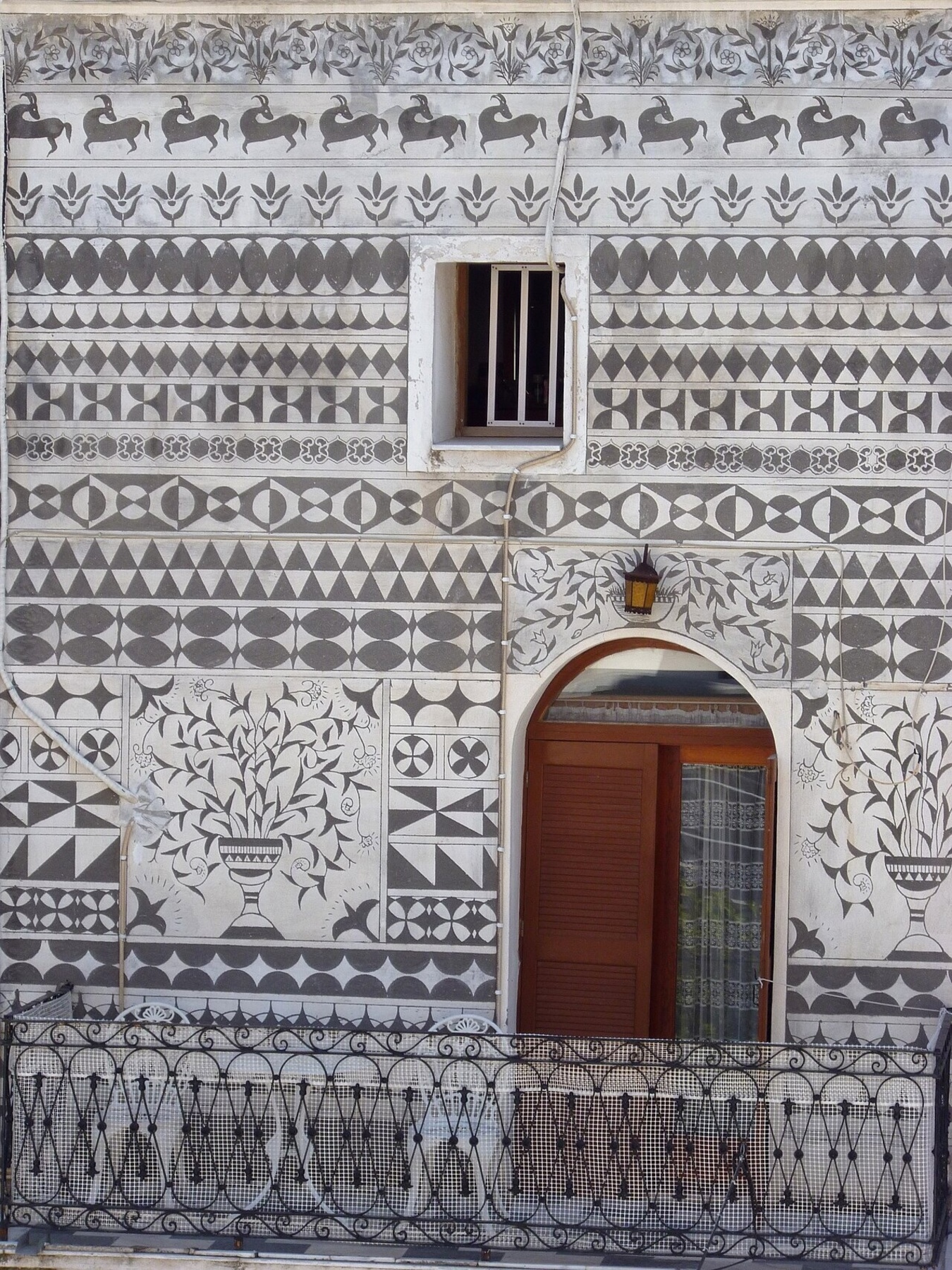
North Aegean
Pyrgi is one of the mastic villages of southern Chios, where a compact medieval settlement meets an extraordinary tradition of decorated house fronts. Its xysta patterns make the streets memorable, but the village rewards attention beyond its façades: defensive planning, the domed Church of the Holy Apostles and the surrounding cultivated landscape tell connected stories of protection, worship and work. The nearby Chios Mastic Museum explains the skills and institutions behind the resin that helped shape this region.
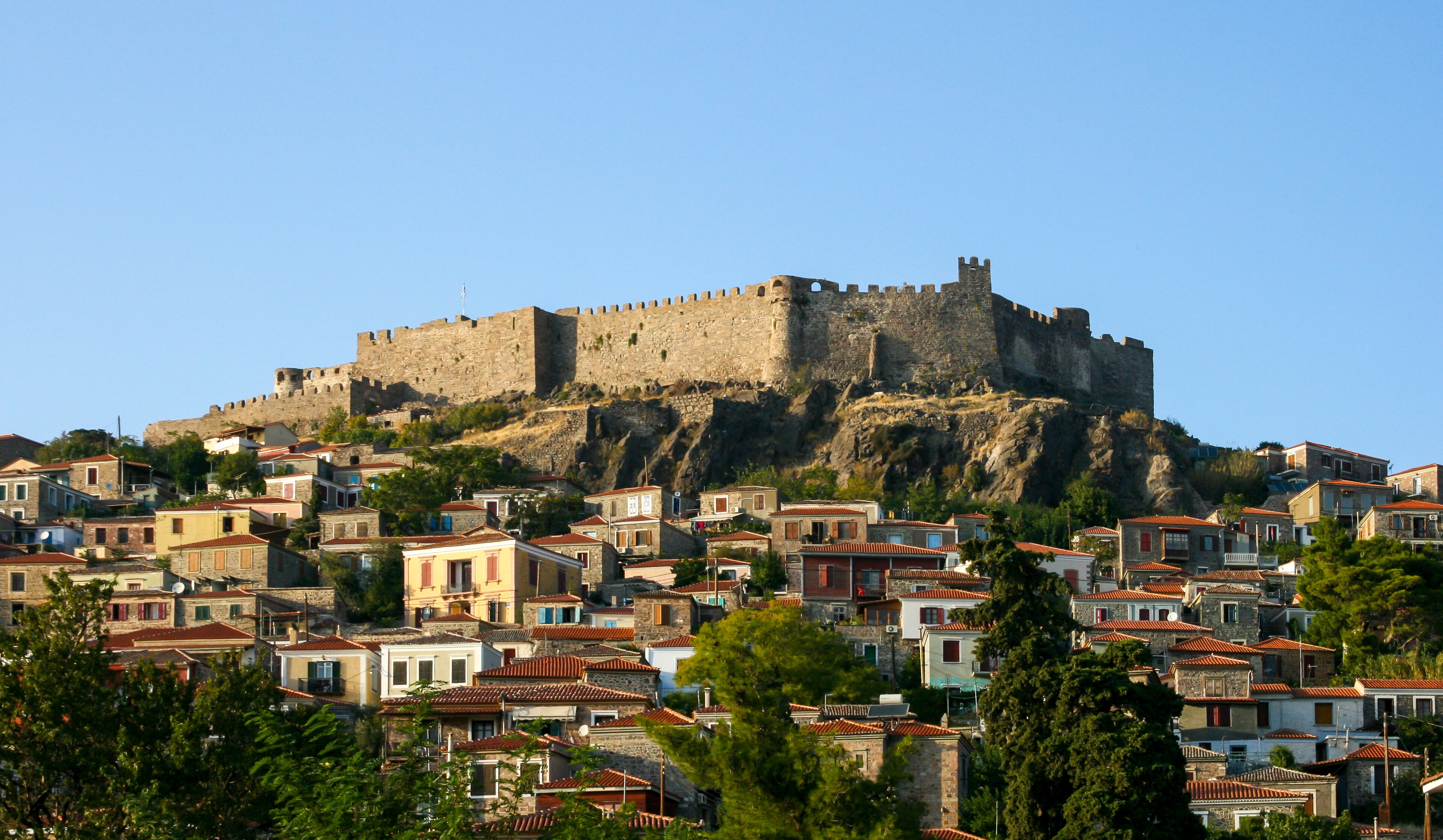
North Aegean
A hilltop castle above Molyvos and its harbor, with layered medieval defenses, wide sea views and a new archaeological collection tracing the history of ancient Methymna.
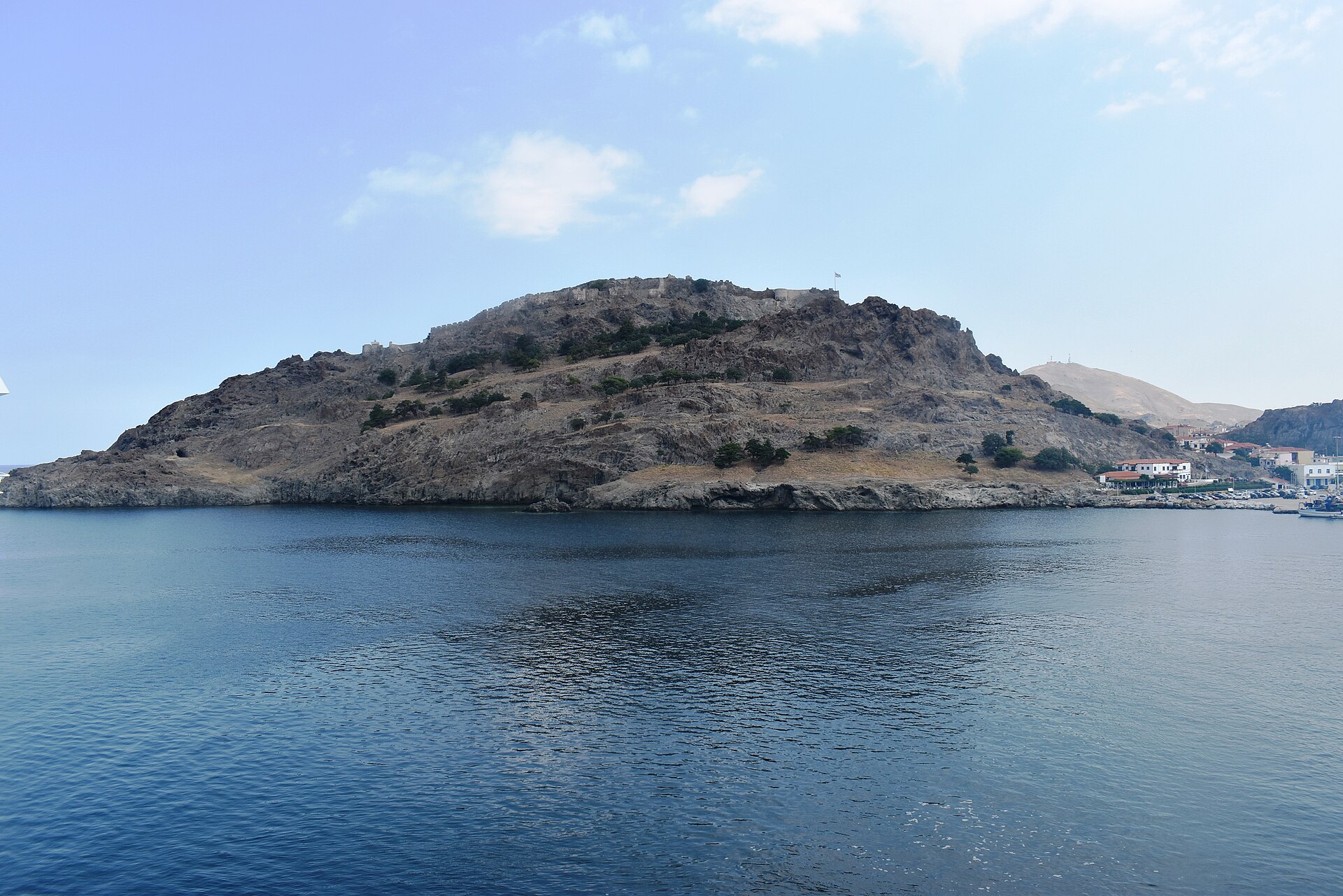
North Aegean
Myrina Castle occupies the steep promontory between the town’s two waterfronts. Its walls follow volcanic rock above the sea, enclosing gateways, towers and the remains of a settlement rather than a single monumental building. Byzantine, Venetian and Ottoman interventions shaped the fortress over centuries. The climb makes the relationship between town, harbors and defensive height unusually clear, while the archaeological museum below places the castle within the much longer history of Lemnos.
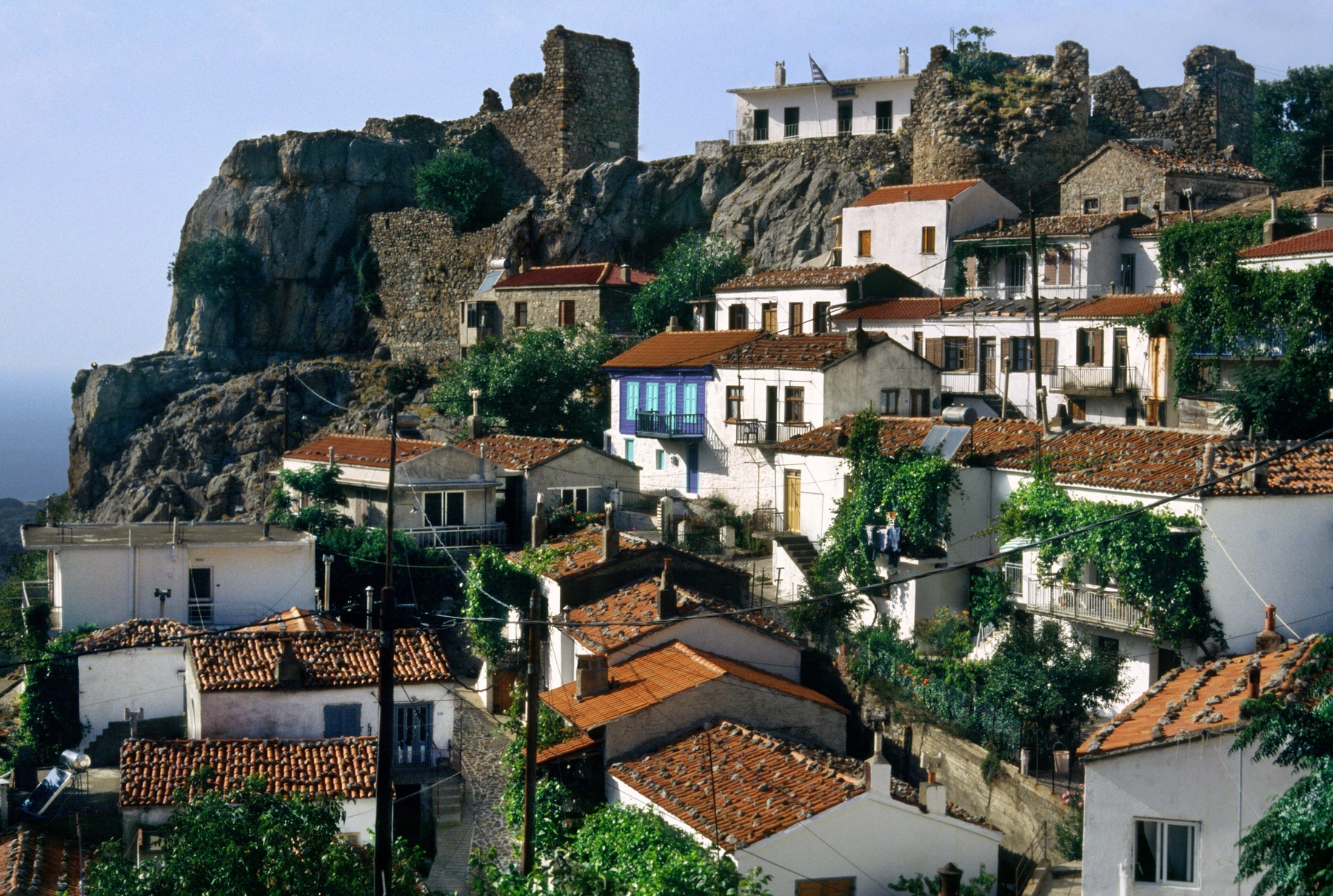
Thracian Sea
Samothraki is one of the most distinctive islands of the northern Aegean: a steep mountain rising directly from the Thracian Sea, crowned by Mount Saos and ringed by torrents, waterfalls and natural pools. Its Sanctuary of the Great Gods was an international center of mystery religion for more than a millennium and produced the celebrated Winged Victory of Samothrace. Byzantine and Gattilusi fortifications later guarded Paleopolis, Chora and strategic approaches. Today archaeology, medieval towers, traditional villages, thermal springs, hiking, waterfalls and a powerful mountain-and-sea landscape make the island a destination of exceptional historical and natural depth.
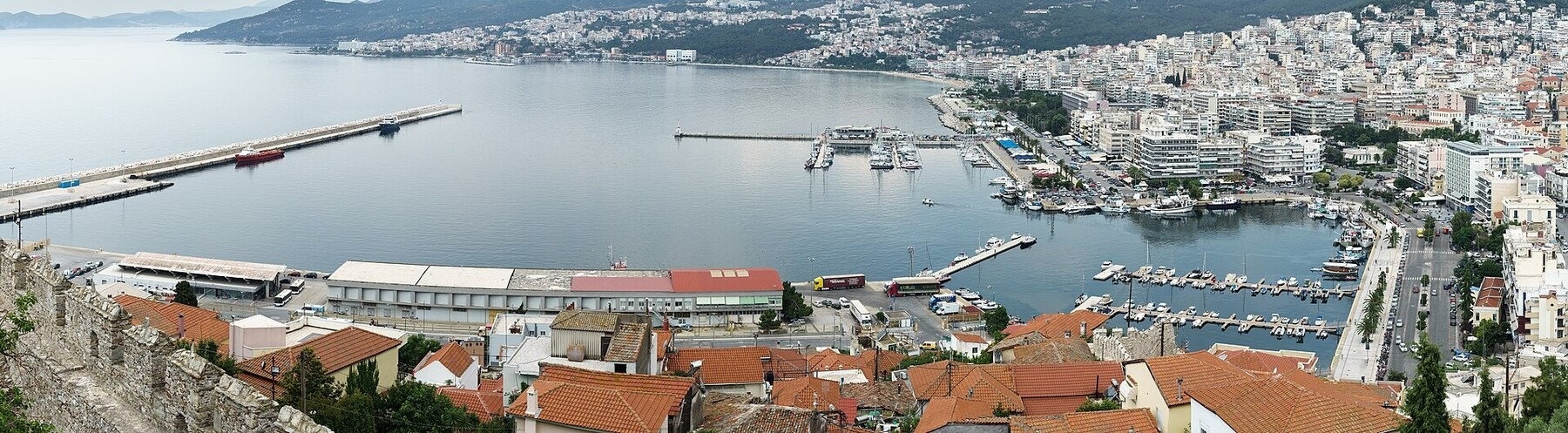
Eastern Macedonia and Thrace
Kavala rises amphitheatrically above one of the northern Aegean’s most important harbors. The walled Panagia peninsula preserves the city’s medieval and Ottoman core, with the fortress at its summit, the Imaret and Muhammad Ali’s house on its slopes, and the Kamares aqueduct marking the transition to the modern city. Ancient Neapolis, Byzantine Christoupolis, Ottoman Kavala, and the tobacco port of the nineteenth and twentieth centuries remain visible in a compact urban landscape closely connected with Philippi and the Via Egnatia.
Eastern Macedonia and Thrace
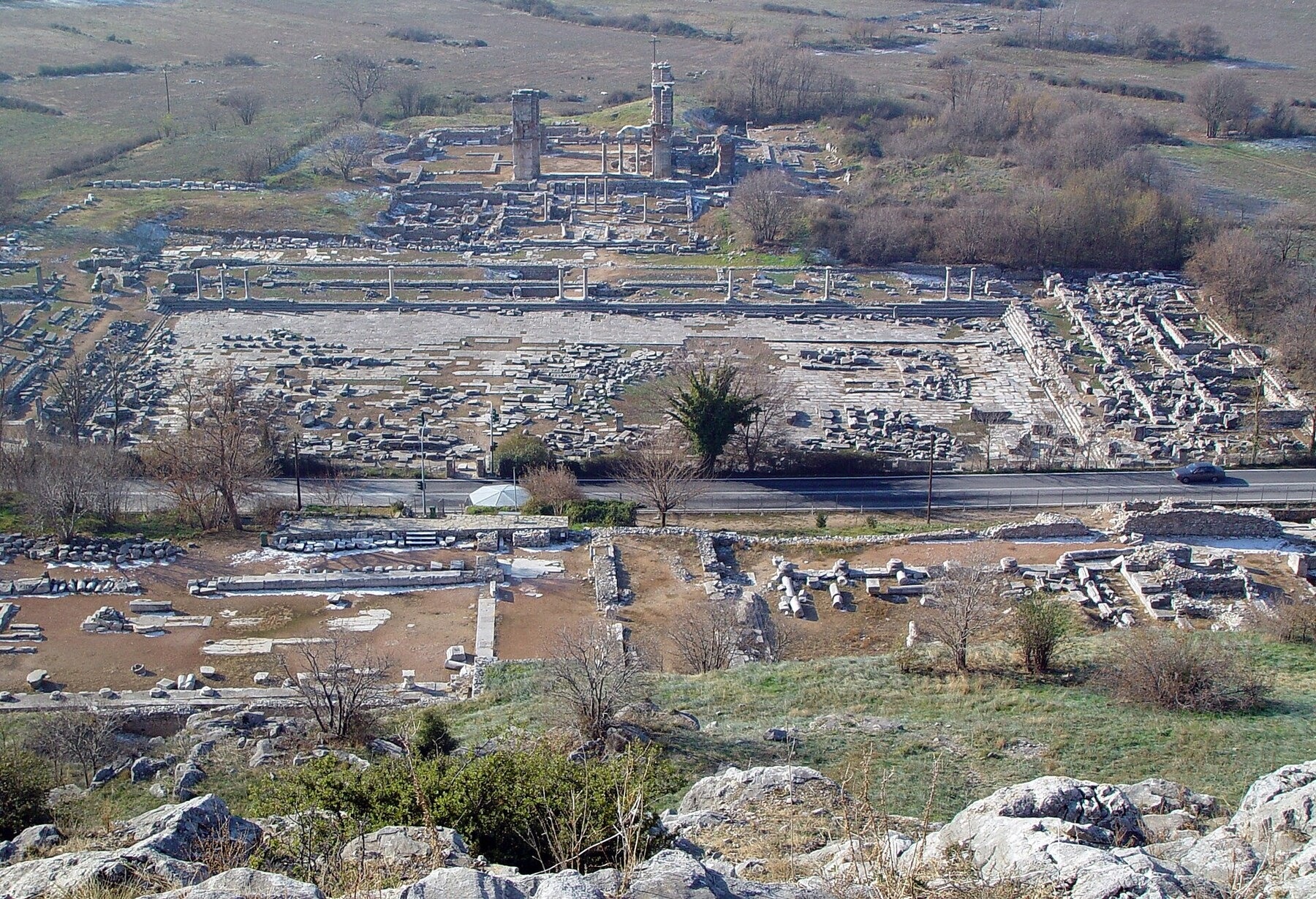
Philippi occupies one of the most consequential archaeological landscapes in northern Greece. Founded as Krenides and renamed by Philip II of Macedon in 356 BC, the city controlled fertile land, mineral resources, and the route later formalized as the Via Egnatia. The nearby battlefield of 42 BC helped end the Roman Republic, after which Philippi became a veteran colony reshaped in the image of Rome. In the first century AD, Paul established an influential Christian community here. Its theatre, forum, paved road, monumental basilicas, Octagon, walls, and acropolis reveal successive Macedonian, Roman, Early Christian, and Byzantine cities.
Thasos
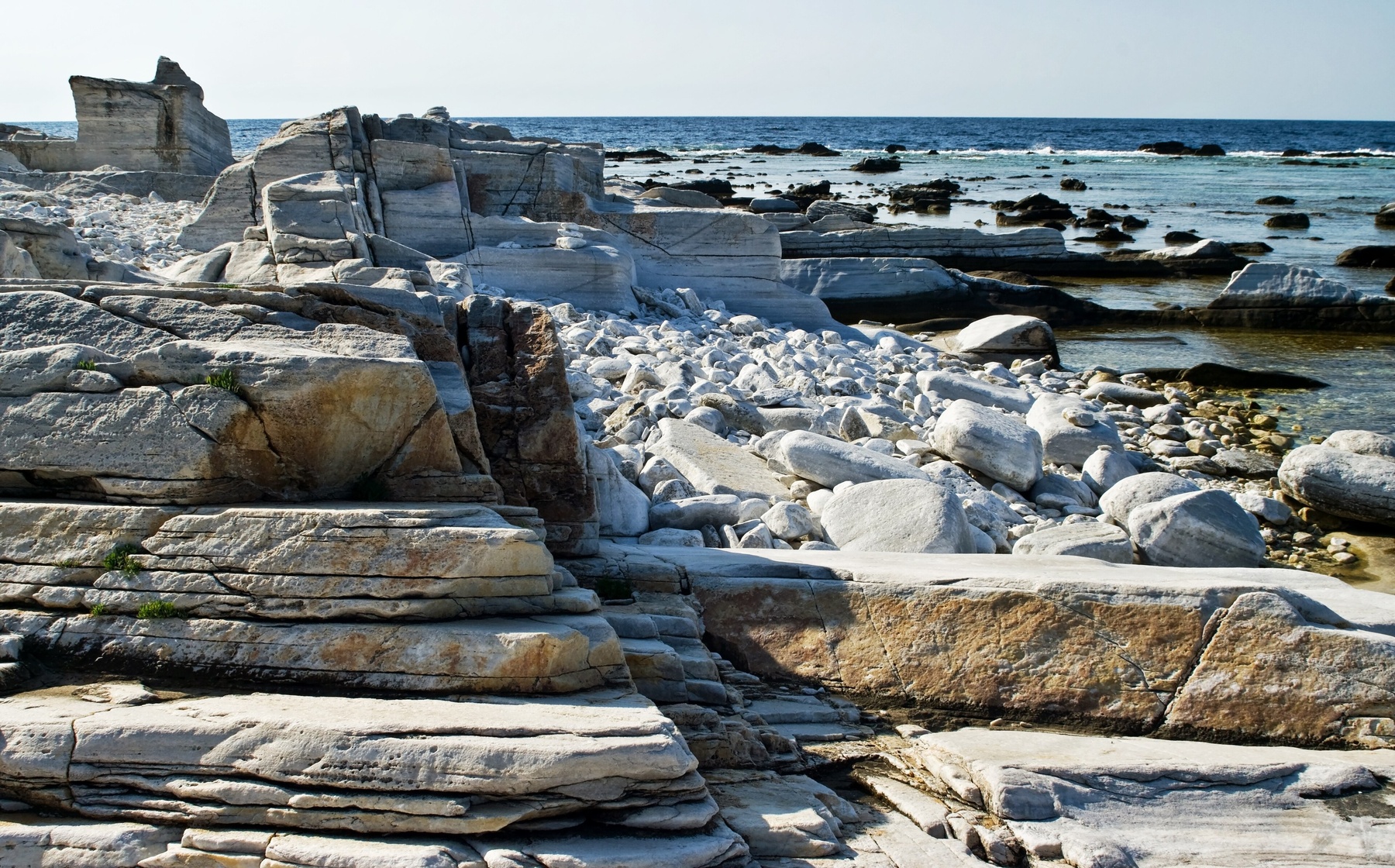
Aliki is one of the most complete ancient quarry landscapes in Greece. On a small peninsula in southeastern Thasos, marble was extracted from the Archaic period through Late Antiquity, while ships loaded stone directly from workings cut to the water's edge. Beside the quarries stood a coastal sanctuary used by sailors and quarry communities, and in Late Antiquity a double basilica transformed the sacred topography again. Quarry faces, unfinished blocks, inscriptions, sanctuaries, basilicas and sheltered coves make Aliki an exceptional place to understand the economic, religious and maritime systems behind Thasos's celebrated marble.
North Aegean
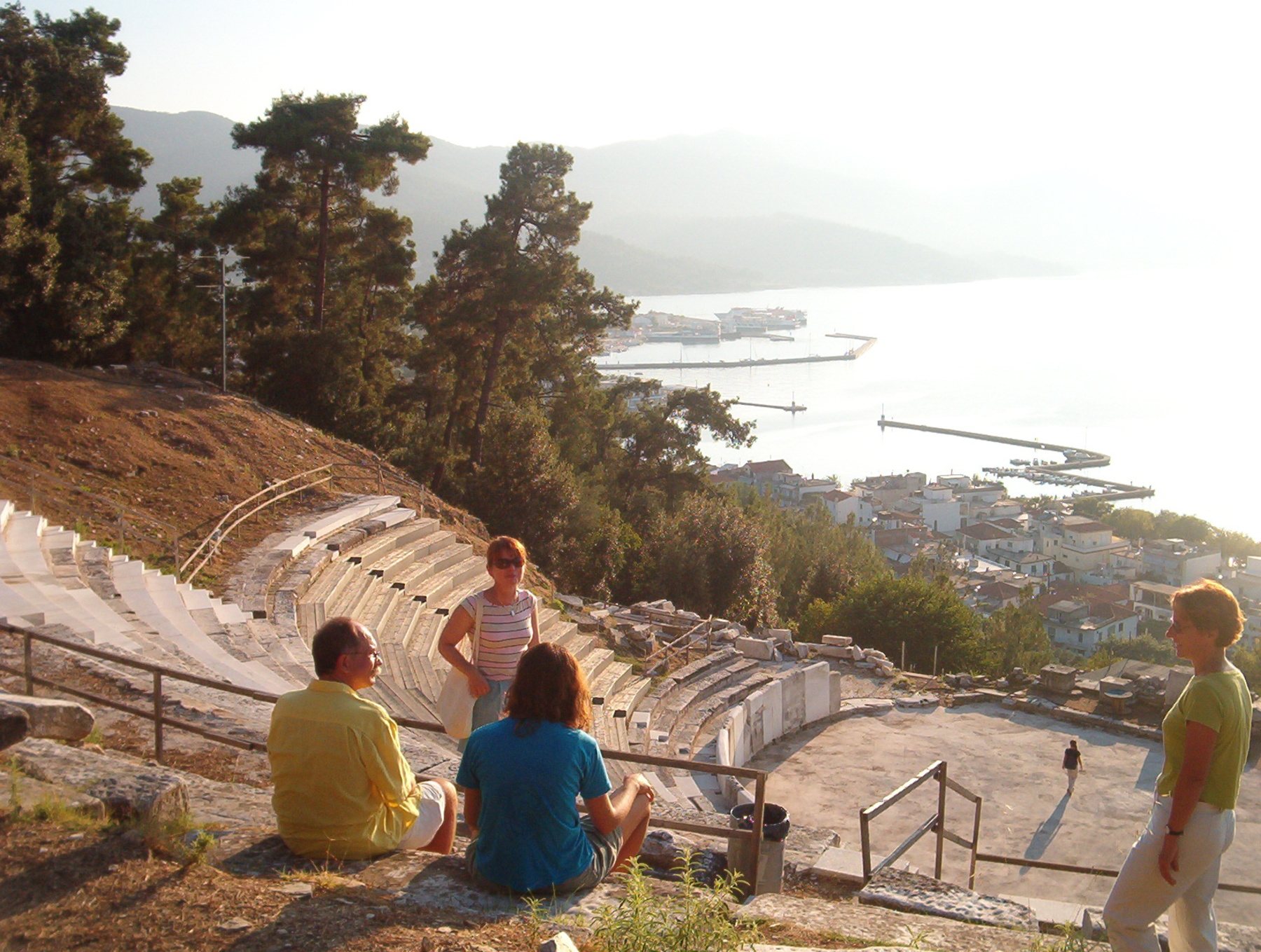
Thasos is one of the richest historical landscapes of the northern Aegean. The ancient city at Limenas preserves a major defensive circuit, agora, theatre, sanctuaries, acropolis and early Christian remains, while the quarries of Aliki reveal the island’s long role in the Mediterranean marble trade. Medieval insecurity pushed communities toward fortified mountain settlements such as Kastro and Theologos. Ottoman and Egyptian administration, modern mining at Limenaria, monastic traditions, forested villages and enduring crafts complete a cultural history in which natural resources, defense and maritime exchange are inseparable.
Central Macedonia
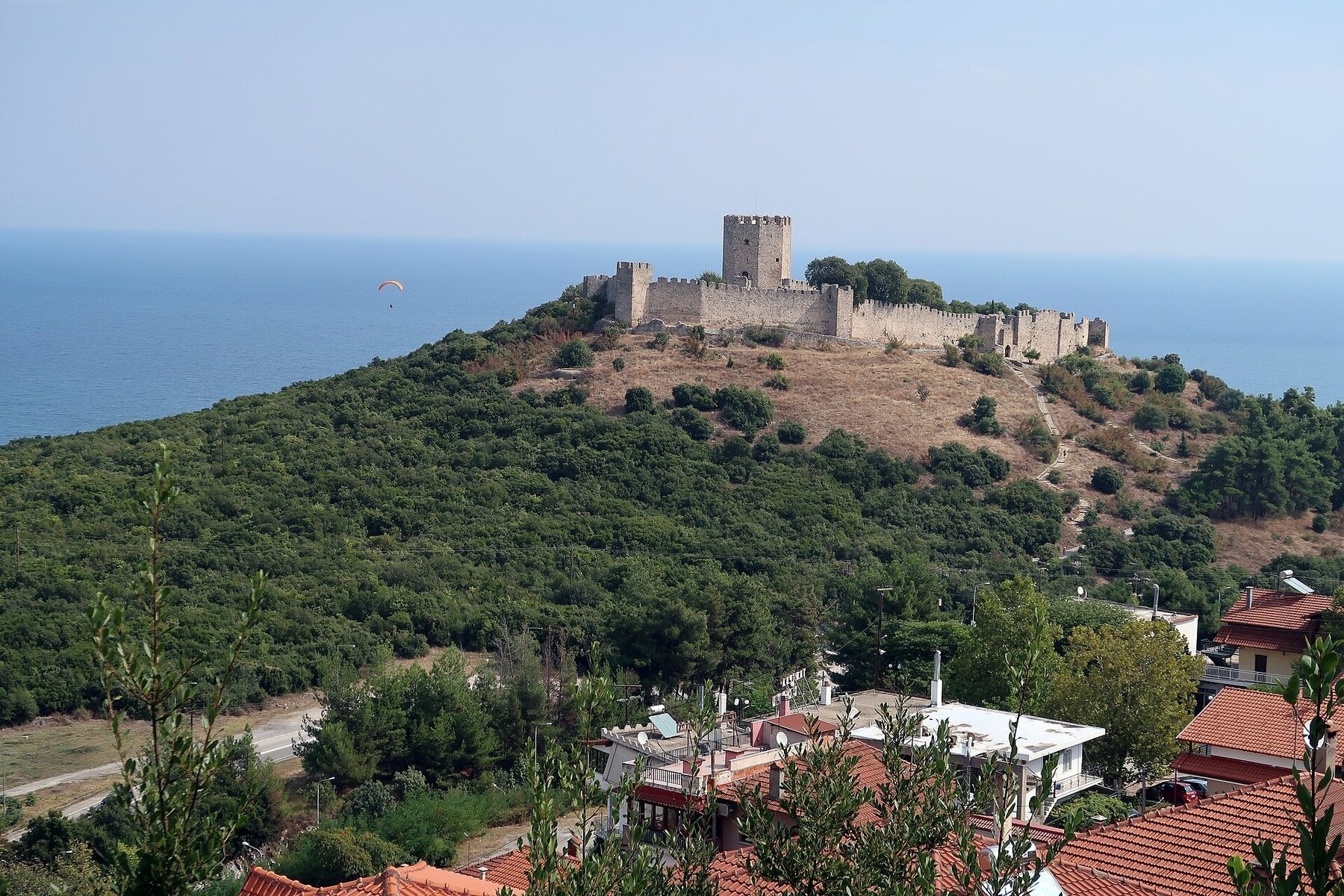
Platamon Castle occupies one of the most strategically expressive sites in Greece. From its hill above the coast, the fortress controls the constricted passage between the Tempe valley, southern Pieria, and the Macedonian plain. The surviving enceinte, inner acropolis, and imposing polygonal keep embody successive Middle Byzantine, Frankish, Late Byzantine, Venetian, and Ottoman phases. Beneath Mount Olympus and directly above the Aegean, the castle combines military architecture with an unusually legible landscape: roads, railway, shoreline, mountain passes, and maritime approaches all converge within view of its walls.
Northern Sporades
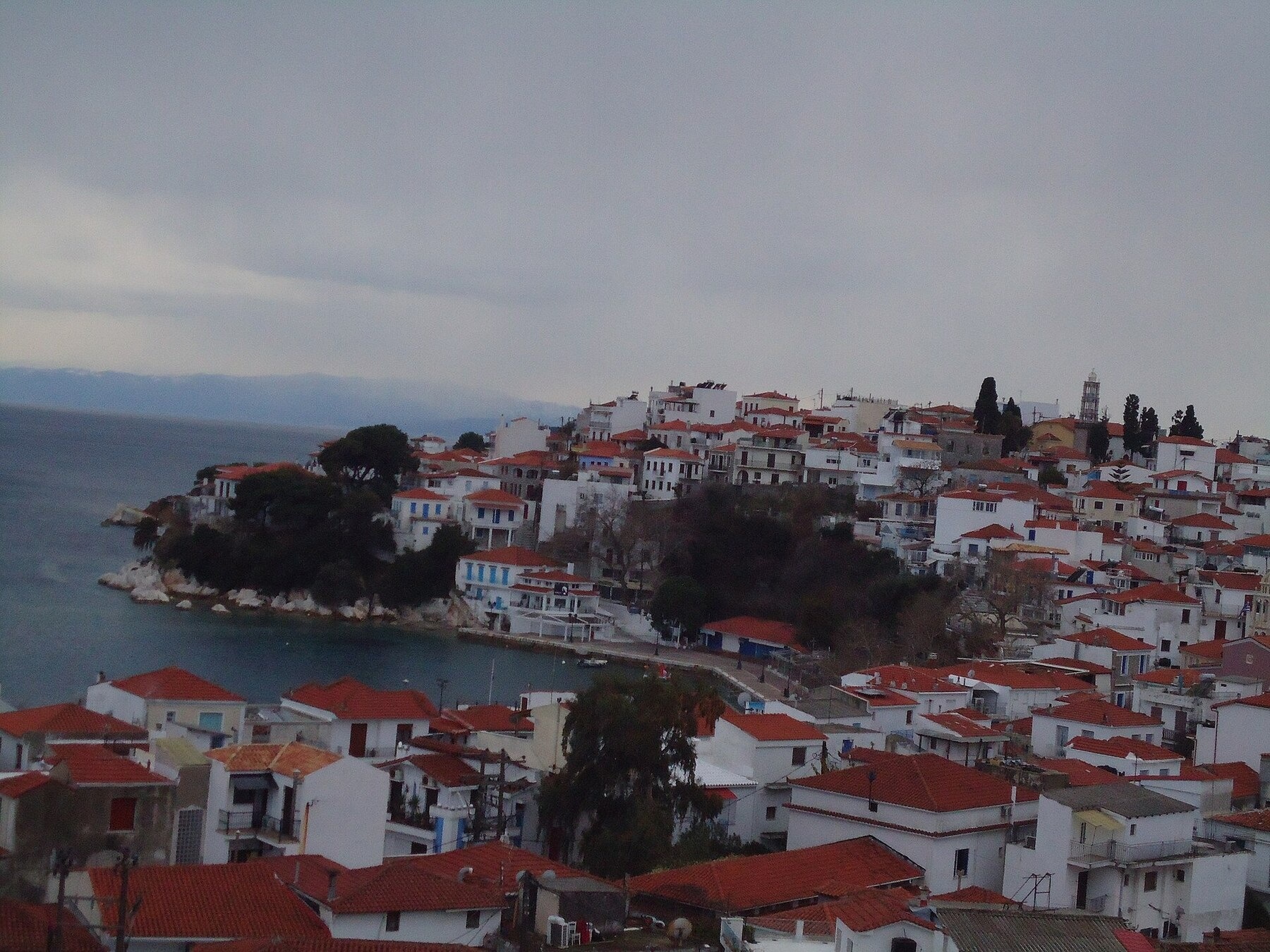
Skiathos combines a lively Aegean port with two contrasting fortified landscapes and an unusually strong literary identity. Bourtzi, the wooded peninsula dividing the old and new harbors, preserves the memory of a medieval stronghold beside the modern town. On the island’s exposed northern coast, Kastro occupies a dramatic sea cliff where the population sought refuge from piracy for nearly five centuries. Monasteries, shipbuilding traditions, churches, pine-covered hills, and the house of Alexandros Papadiamantis complete a cultural landscape in which maritime insecurity, Orthodox faith, poverty, migration, and island resilience became both lived history and literature.
Northern Sporades
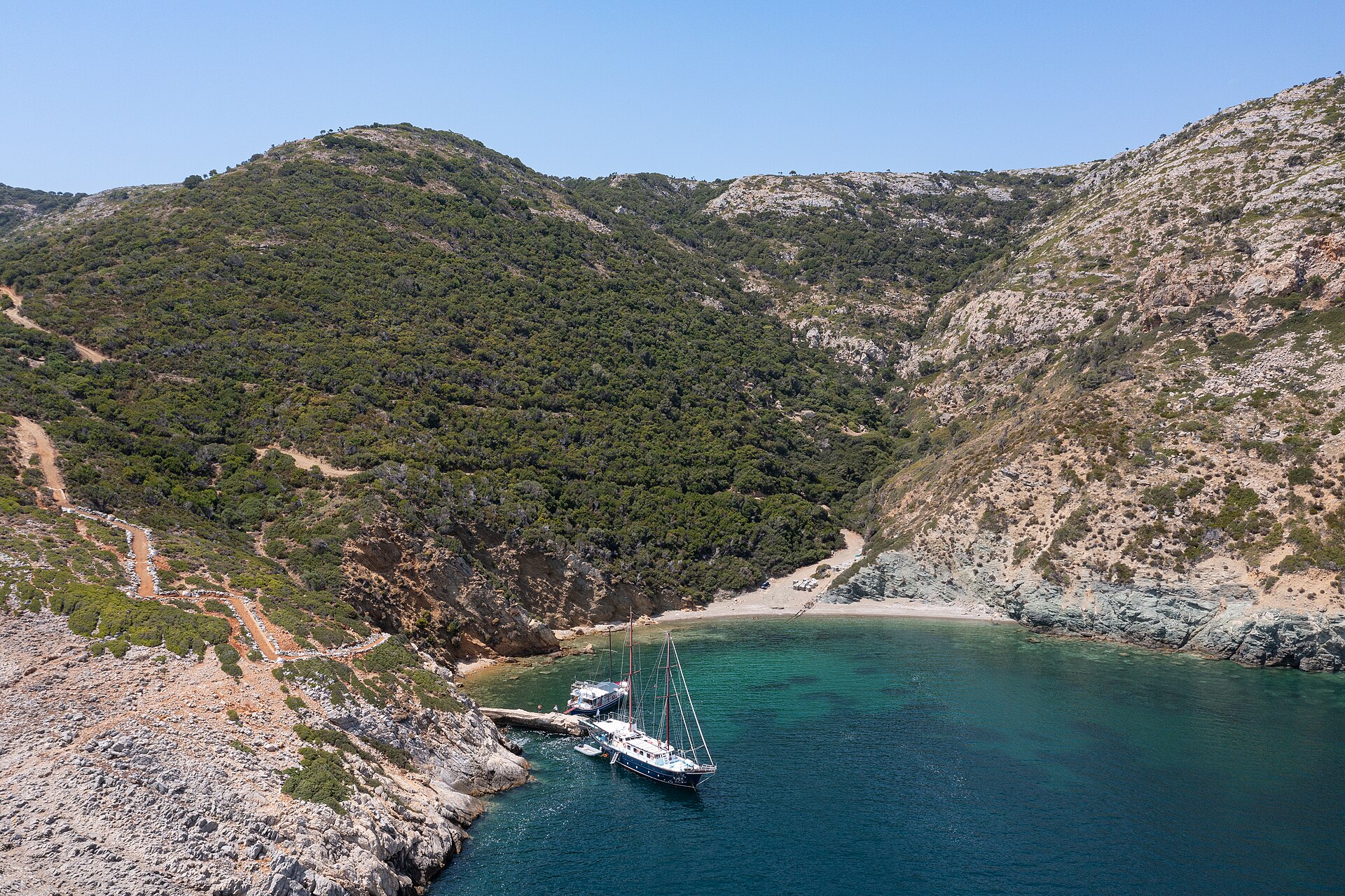
Kyra Panagia, also known as Pelagos, lies north of Alonissos in the Northern Sporades marine park. Its shrub-covered hills, deeply indented bays and monastery create a landscape with few buildings but a long human story. Archaeology at Agios Petros reveals prehistoric settlement and later maritime trade, while the monastery preserves a connection with Mount Athos. Understanding the island means holding those cultural histories together with the protection of its coast, sea and wildlife.
Northern Sporades
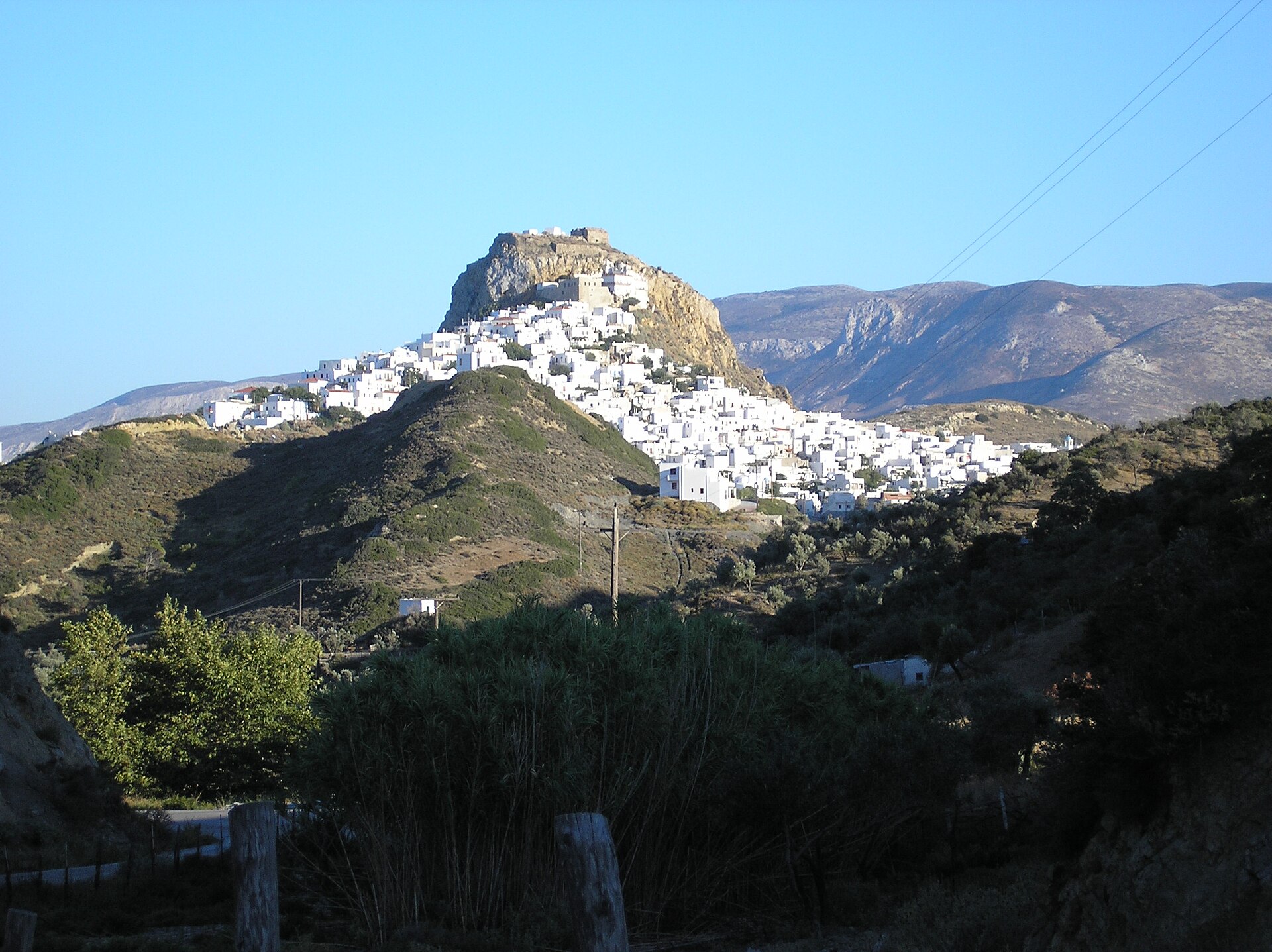
Skyros combines a dramatic hill town with prehistoric archaeology, distinctive crafts and a varied island landscape. Chora gathers below a fortified rock and the Monastery of Agios Georgios, while the museums connect ancient finds with the interiors and skills of Skyrian households. At Palamari, a coastal Bronze Age settlement reveals a much earlier world of exchange and defense. Beyond these monuments, Carnival traditions and the small Skyrian horse keep the island’s cultural identity closely tied to everyday life and the land.