Highlights
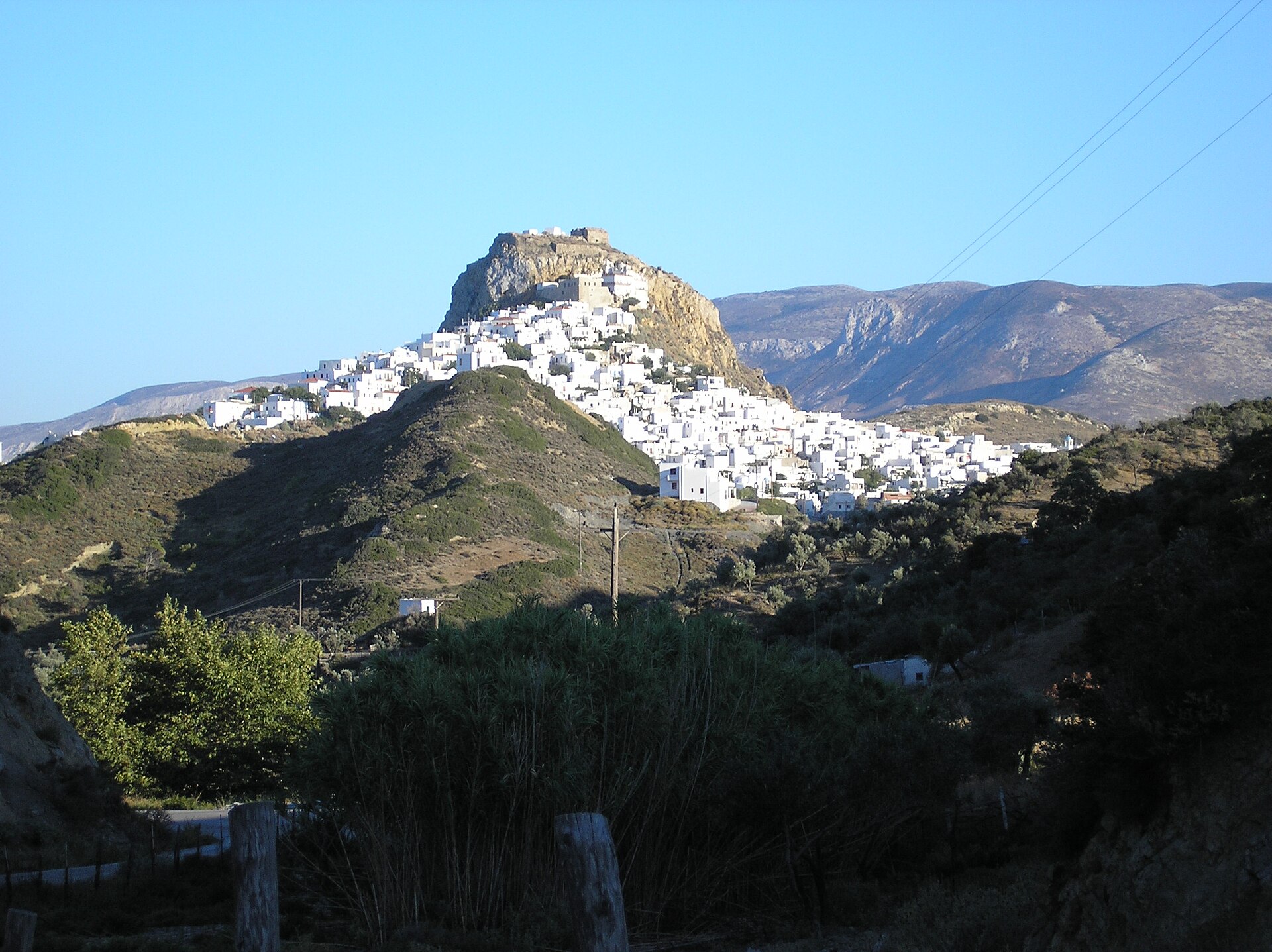
- Chora and its skyline
The inhabited town and fortified rock explain each other.
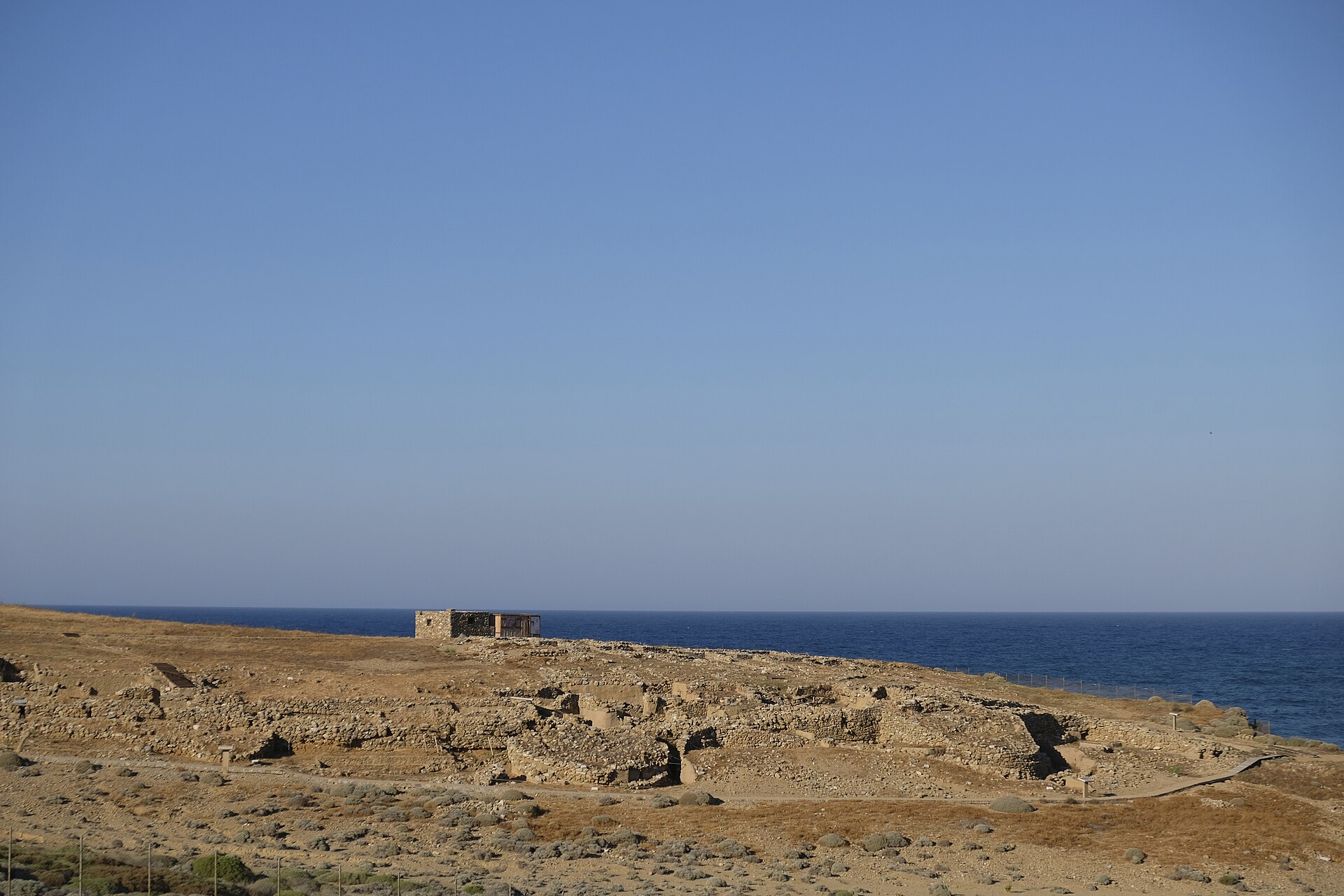
- Palamari
A fortified coastal community opens a window onto Bronze Age Skyros.
- Two different museums
Ancient finds and domestic culture enrich the visit beyond the castle.
- Craft and Carnival
Living skills and performance keep the island’s traditions in use.
Strategic role
An island community linking Aegean exchange, a defensible hill town and enduring craft and religious traditions.
Chora beneath the castle rock
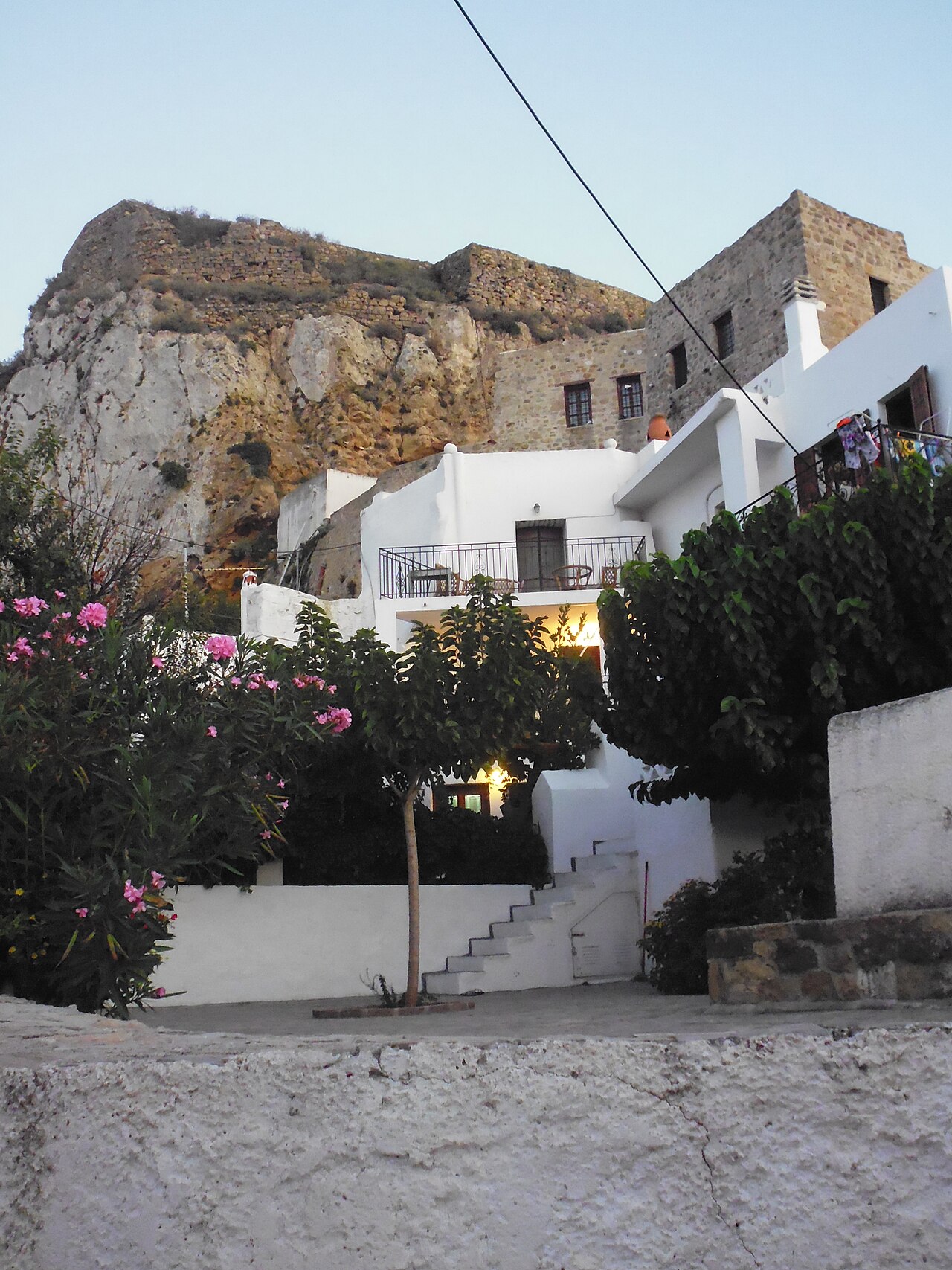
Skyros’s main town climbs towards an abrupt rocky summit. Whitewashed houses and winding lanes gather below the fortifications, making the contrast between inhabited slope and commanding height especially striking. The harbor at Linaria is elsewhere on the island: arrival there is the beginning of a journey to Chora, not arrival at the foot of the castle.
Walk slowly through the settlement and notice how lanes turn around houses and churches. Its appeal lies as much in this lived-in fabric as in the silhouette above it.
A fortified height and the island’s patron saint
The castle rock carries a long defensive history, with ancient occupation followed by Byzantine and later medieval works. The surviving enclosure is a layered monument rather than the creation of a single ruler. Its position explains the attraction of high ground in a landscape exposed to movement across the Aegean.
The Monastery of Agios Georgios, below the castle, connects that defended setting with religious life. Associated with the Great Lavra on Mount Athos, it honors the island’s patron saint. The present church dates broadly around 1600, within a much older monastic tradition. The monastery and castle have separate access arrangements; seeing one does not establish entry to the other.
Palamari: a much earlier fortified settlement
On the northeastern coast, Palamari reveals a different kind of fortified place. This Bronze Age settlement preserves the remains of houses, streets and strong defenses beside the sea. Its position and finds connect it with movement and exchange across the Aegean long before the medieval castle above Chora.
Look for the relationship between domestic spaces and the enclosure rather than expecting a freestanding castle keep. Palamari is a separate archaeological visit, with its own access arrangements. Many finds are displayed in the island’s archaeological museum, where small objects help explain the excavated buildings.
Museums: archaeology and the Skyrian house
The Archaeological Museum brings together material from Palamari and other island sites. Pottery, metalwork and sculpture trace a long chronology; a gallery devoted to the traditional household connects that archaeological story with more recent domestic culture. It is a useful place to begin or conclude a visit to the island’s ruins.
The Faltaits Museum, established in 1964, offers a complementary encounter with local history, folk art and collecting. Its setting in a family mansion gives household objects, costumes, books and documents a more intimate frame. These are distinct institutions, not two names for the same collection.
Craft, Carnival and the rural island
Skyrian woodcarving, ceramics, embroidery and weaving are more than museum subjects. Look for the skills and patterns that connect displayed objects with contemporary workshops and homes. During the pre-Lenten Carnival, the bell-laden Geros and accompanying figures transform Chora’s streets into a setting for performance and community participation.
Beyond the town, wooded northern areas contrast with the drier southern landscape. The small Skyrian horse is part of the island’s agricultural heritage. Arrange any encounter through responsible local keepers and respect animals and habitat; its importance does not depend on a claimed direct descent from famous horses of antiquity.
Visiting: November 2026 access snapshot
The official winter schedule for 1 November 2026 to 31 March 2027 lists Skyros Castle as closed for works. The monastery operates under its own management. Plan to appreciate the castle’s setting from permitted public areas and confirm whether restrictions have changed before attempting entry.
The same schedule lists Palamari for group visits by arrangement with the Ephorate of Antiquities. Contact the archaeological service and each museum directly for current access. Chora involves slopes, steps and uneven paving, while different island sights require transport between them. Respect occupied homes, services and all work-site barriers.
Architecture
- Dense whitewashed settlement below a fortified rocky summit
- Layered ancient, Byzantine and later defenses
- Agios Georgios monastery and its post-medieval church
- Domestic architecture interpreted through museum collections
- Bronze Age houses, streets and fortification at Palamari
Timeline
- Bronze Age Palamari develops as a fortified coastal settlement.
- Antiquity–medieval period The height above Chora is occupied and successively fortified.
- Around 1600 The present church of Agios Georgios takes shape within the older monastic site.
- 1964 The Faltaits Museum is established.
- Winter 2026–27 The official schedule lists the castle as closed for works.
Visiting today
Base a visit on Chora’s public lanes and museums, with separate arrangements for the monastery and Palamari. The castle is listed as closed for works in the winter 2026–27 schedule; confirm changes with the archaeological service. Expect hills, steps and transport between coastal sites.
Expedition guides
Images
References
- GNTO — Skyros
- GNTO — Monastery of Agios Georgios
- Hellenic Heritage — Palamari
- Hellenic Heritage — Archaeological Museum of Skyros
- Municipality of Skyros — Museums
- Municipality of Skyros — Natural environment
- Government Gazette B 6405, 22 October 2026 — Winter 2026–27 hours, p.71260 (official document mirror)
Related Stops
Topics
- Fortifications
- Traditional Settlement
- Bronze Age
- Religious Heritage
- Folk Art
- Museums