Highlights
- Olympic Marine
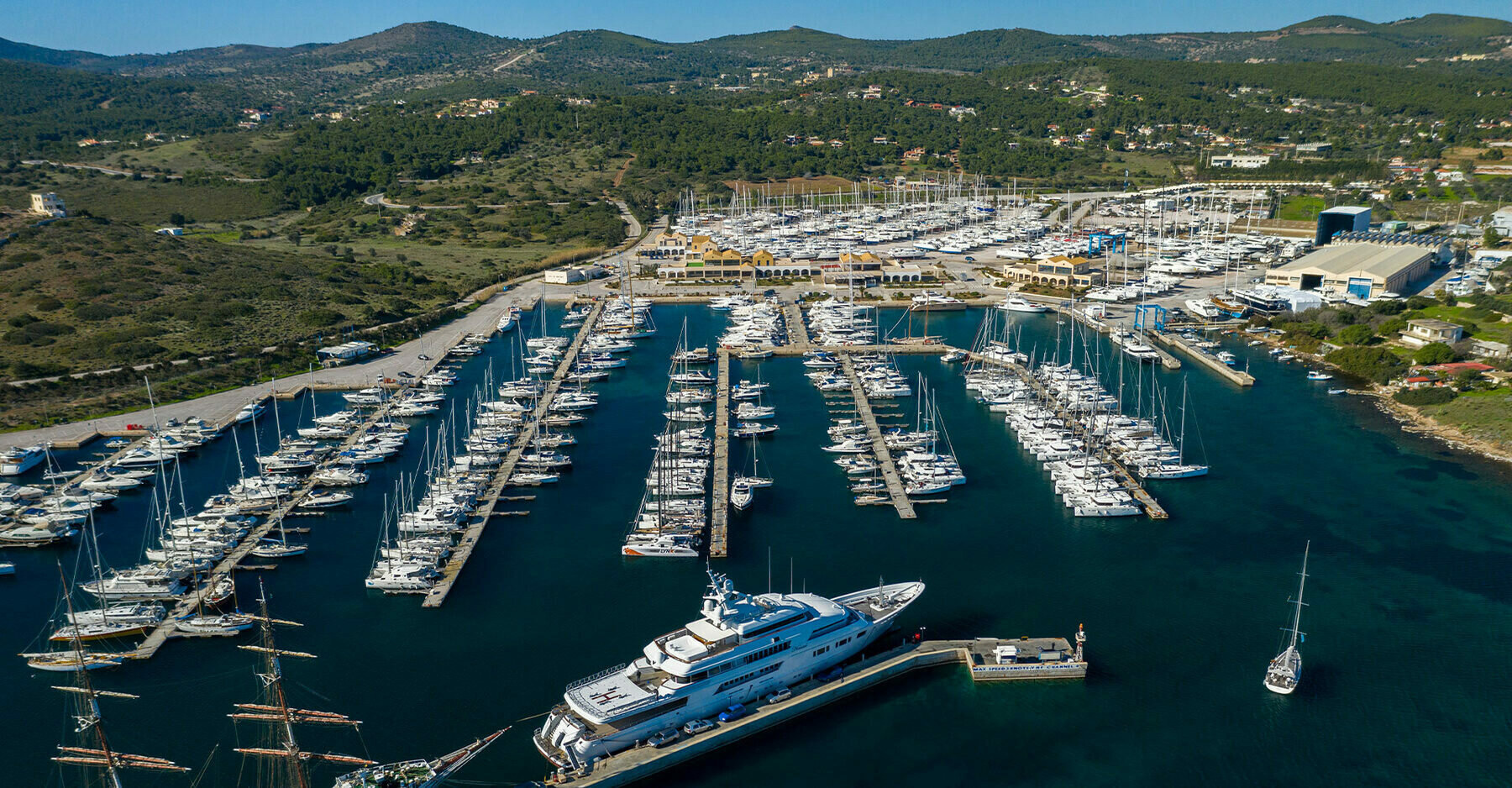
Major marina and charter base with yacht services, refueling, repairs, storage, and provisioning support.
- Lavrio Harbor
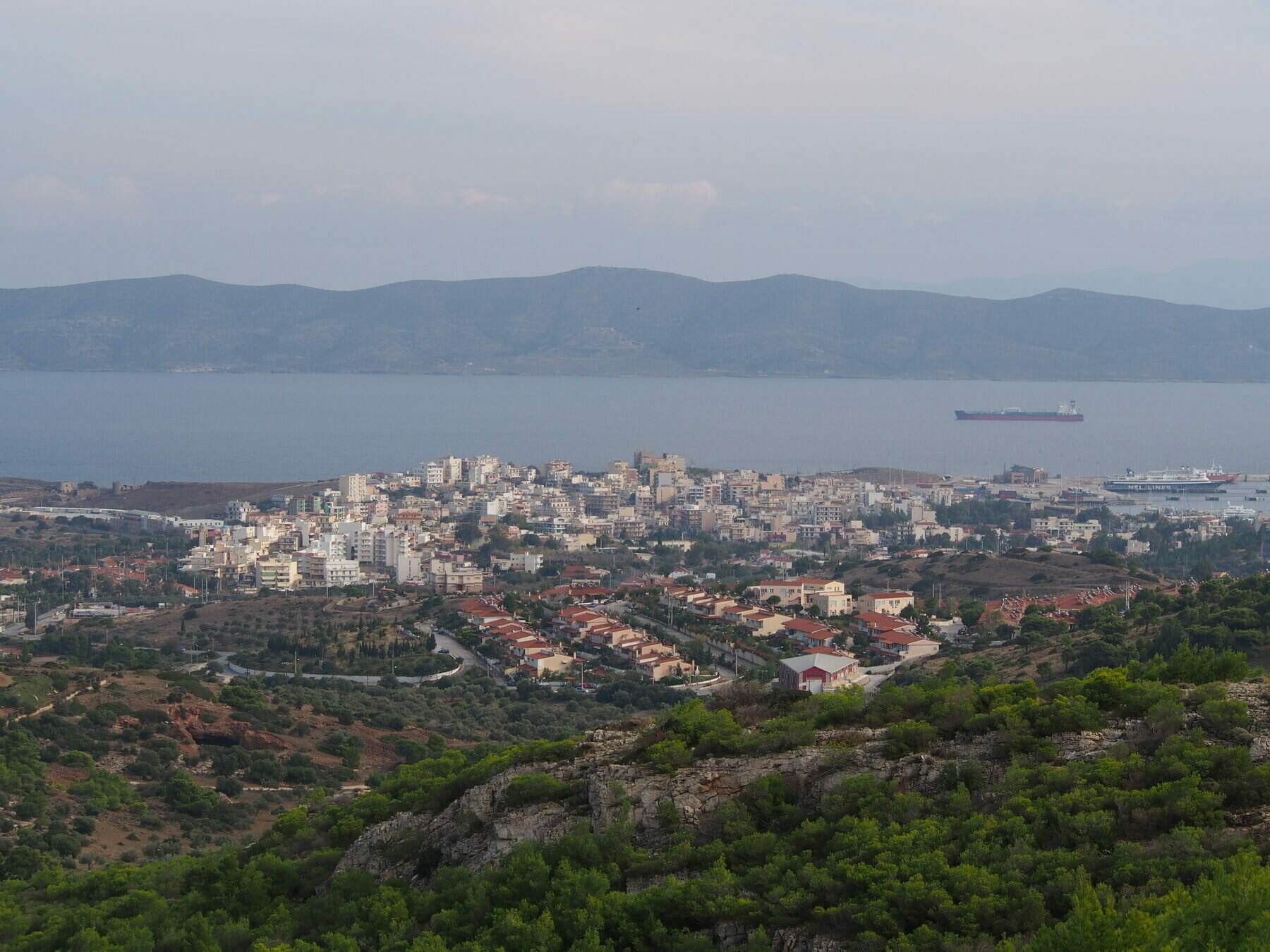
Working port town with ferry, fishing, yacht, and local commercial activity.
- Laurion Silver Mines
Ancient mining district whose silver helped sustain the naval power of classical Athens.
- Thorikos
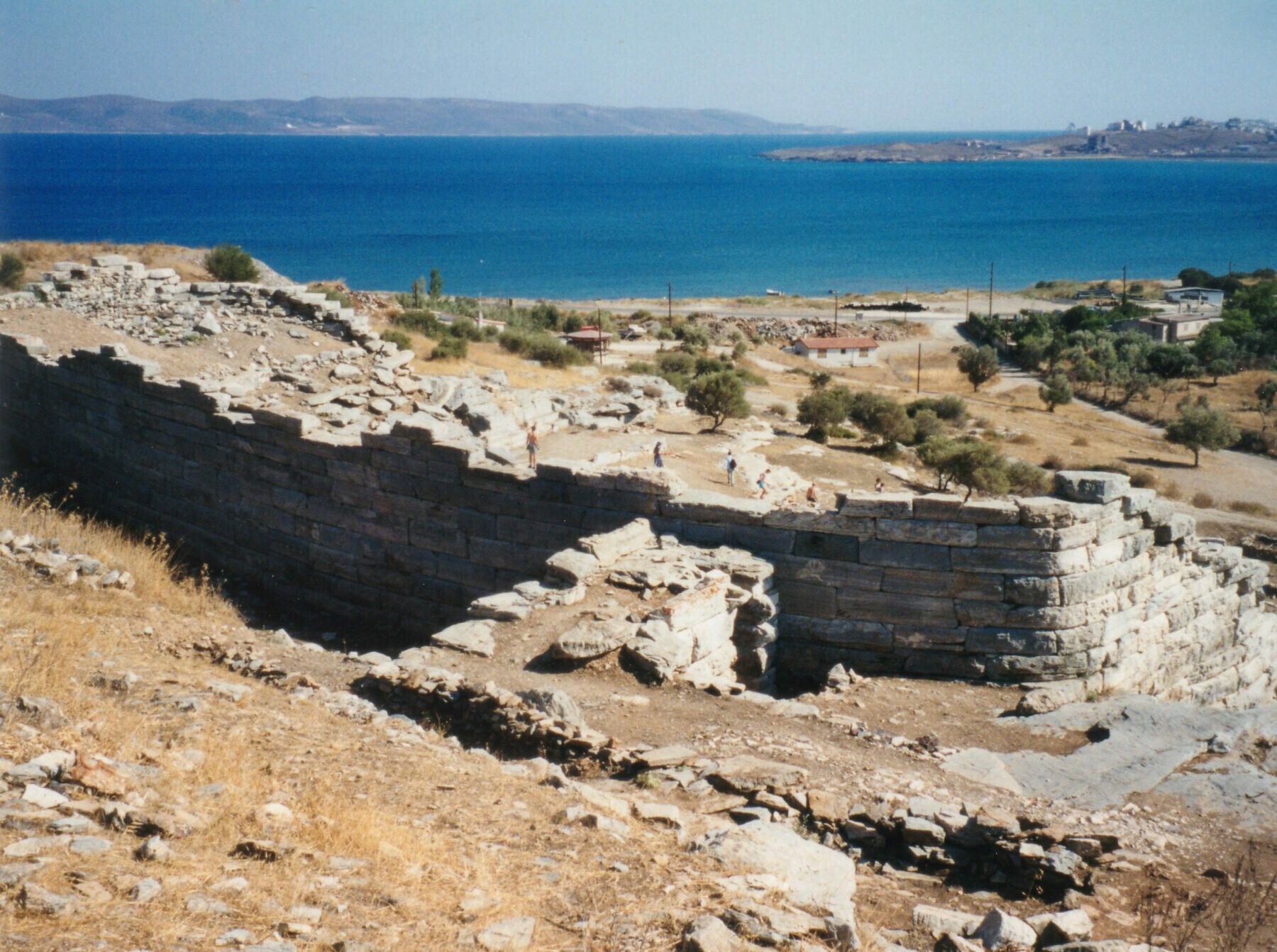
Ancient settlement with theatre, mining remains, and views over the Lavrio region.
- Cape Sounion
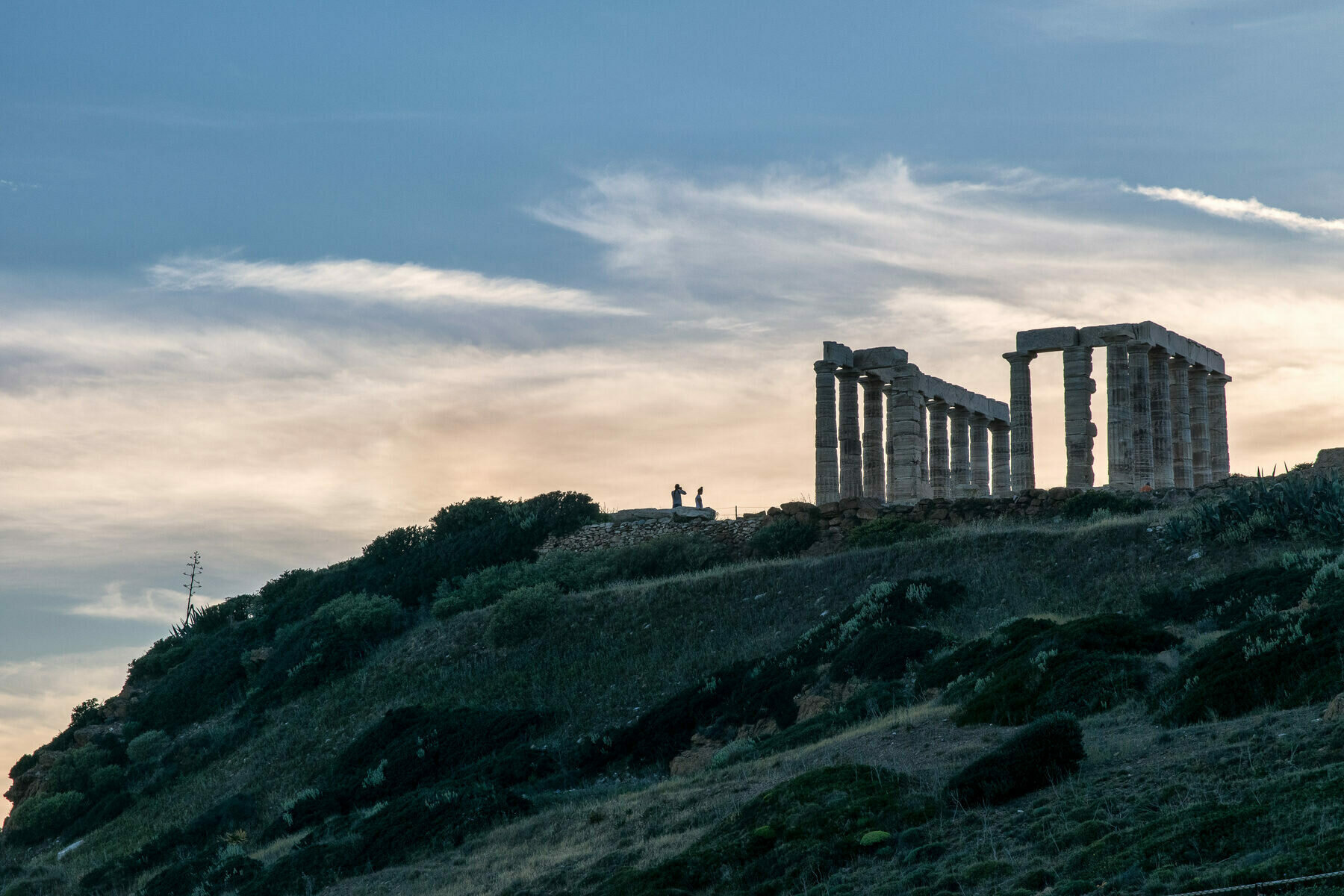
Nearby headland crowned by the Temple of Poseidon, historically and visually tied to Aegean navigation.
Overview
Lavrio serves as a natural point of departure for various sailing expeditions due to its central location. It is not a castle stop in the strict sense, but a maritime gateway: a working harbor, charter base, provisioning town, and historic landscape at the southeastern edge of Attica.
Olympic Marine and the Charter Base
Olympic Marine, just south of Lavrio, is one of the principal charter and yachting bases serving the Aegean. Its importance to this expedition is practical rather than monumental: many crews begin or end charters here, making it an ideal staging point for a voyage that combines sailing logistics with historical interpretation. The marina provides berthing, repair services, refueling, storage, and support facilities for yachts.
Historical Significance
Lavrio's deeper significance lies in the ancient silver mines of Laurion. The mining district helped finance the naval power of classical Athens, including the fleet that shaped the balance of power in the Aegean. Beginning the expedition here bridges the naval world of antiquity and the later fortified seascape of Byzantines, Franks, Venetians, Ottomans, and the modern Greek state.
Nearby Sites
Lavrio can be used as a base for short excursions. The ancient theatre and mining remains at Thorikos lie nearby, while Cape Sounion and the Temple of Poseidon offer one of the most dramatic maritime viewpoints in Attica. These sites frame the first day of the voyage with a sense of continuity between mining, seafaring, religion, and naval power.
Maritime Role
Lavrio is one of Greece's principal gateways to the Aegean, serving commercial shipping, ferries, recreational boating, and yacht charter operations. Its combination of modern marina facilities, repair infrastructure, and proximity to Athens makes it a popular embarkation and disembarkation point for cruises throughout the Saronic Gulf, Cyclades, and eastern Peloponnese.
Sailing Notes
Lavrio provides direct access to the Saronic Gulf, the Cyclades, and the eastern Peloponnese. The surrounding waters are generally straightforward to navigate, although ferry traffic and commercial shipping require attention near the harbor approaches. During summer, the Meltemi may accelerate around Cape Sounion and along the Attica coast, while southerly winds can affect harbor comfort and passage planning.
Timeline
- Early Bronze Age Mining begins in the Laurion district, exploiting rich deposits of lead, silver and other ores.
- 6th century BC Athens assumes control of the Laurion mines, greatly expanding their production.
- 483 BC Following the discovery of a rich silver vein, Themistocles persuades the Athenians to invest the revenues in a fleet of triremes.
- 480 BC The fleet financed by Laurion silver plays a decisive role in the Greek victory at the Battle of Salamis.
- Hellenistic and Roman periods Mining activity declines but continues intermittently under successive administrations.
- 1860s Modern industrial exploitation of the ancient mines begins, transforming Lavrio into one of Greece's principal mining centers.
- Late 19th century Lavrio develops into a major industrial town with smelting works, rail connections and an important commercial harbor.
- 20th century Mining gradually declines while Lavrio evolves into a regional port and maritime center.
- Present Lavrio serves as one of Greece's principal yacht charter bases and the departure point for Expedition I.
Expedition guides
Images