Overview
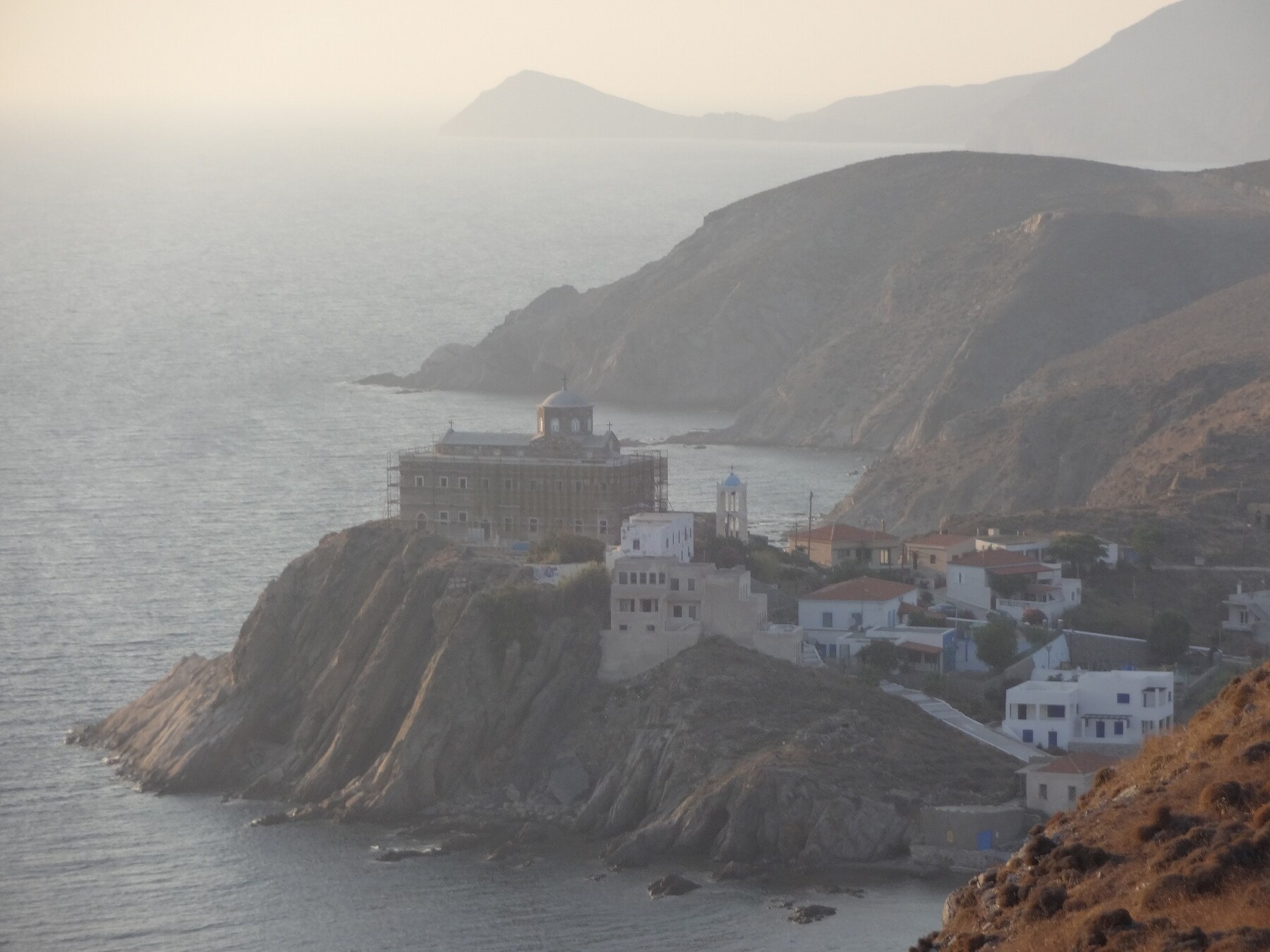
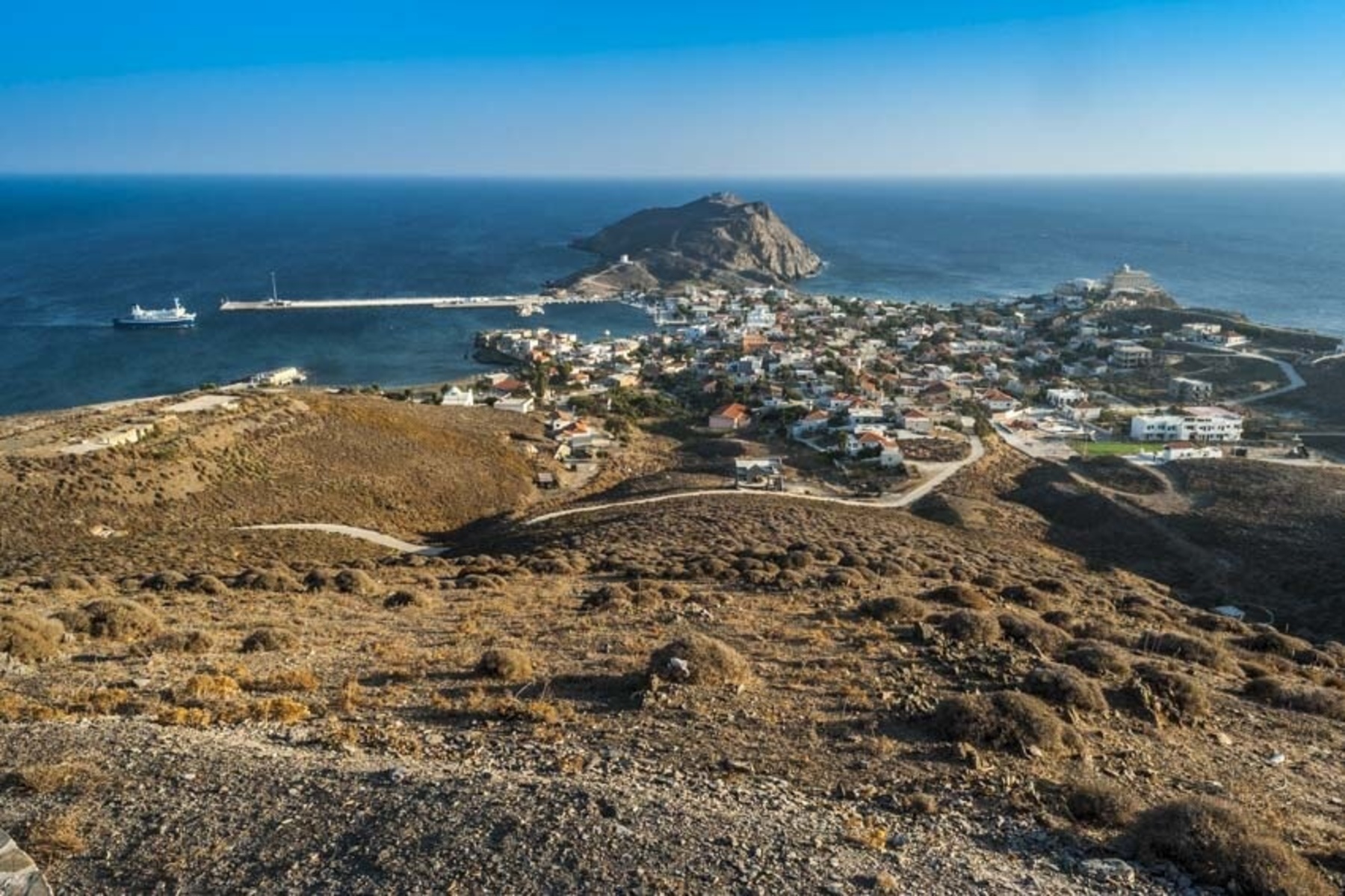
The modern settlement and harbor open onto a memorial landscape dominated by Mavri Rachi, the height associated with the final resistance of 1824. Churches, maritime monuments, and works of historical art connect the island's austere terrain with the seafaring culture that made Psara one of the principal naval communities of the revolutionary era.
Highlights
- Mavri Rachi memorial landscape
- Psara harbor and maritime setting
- Church of Agios Nikolaos
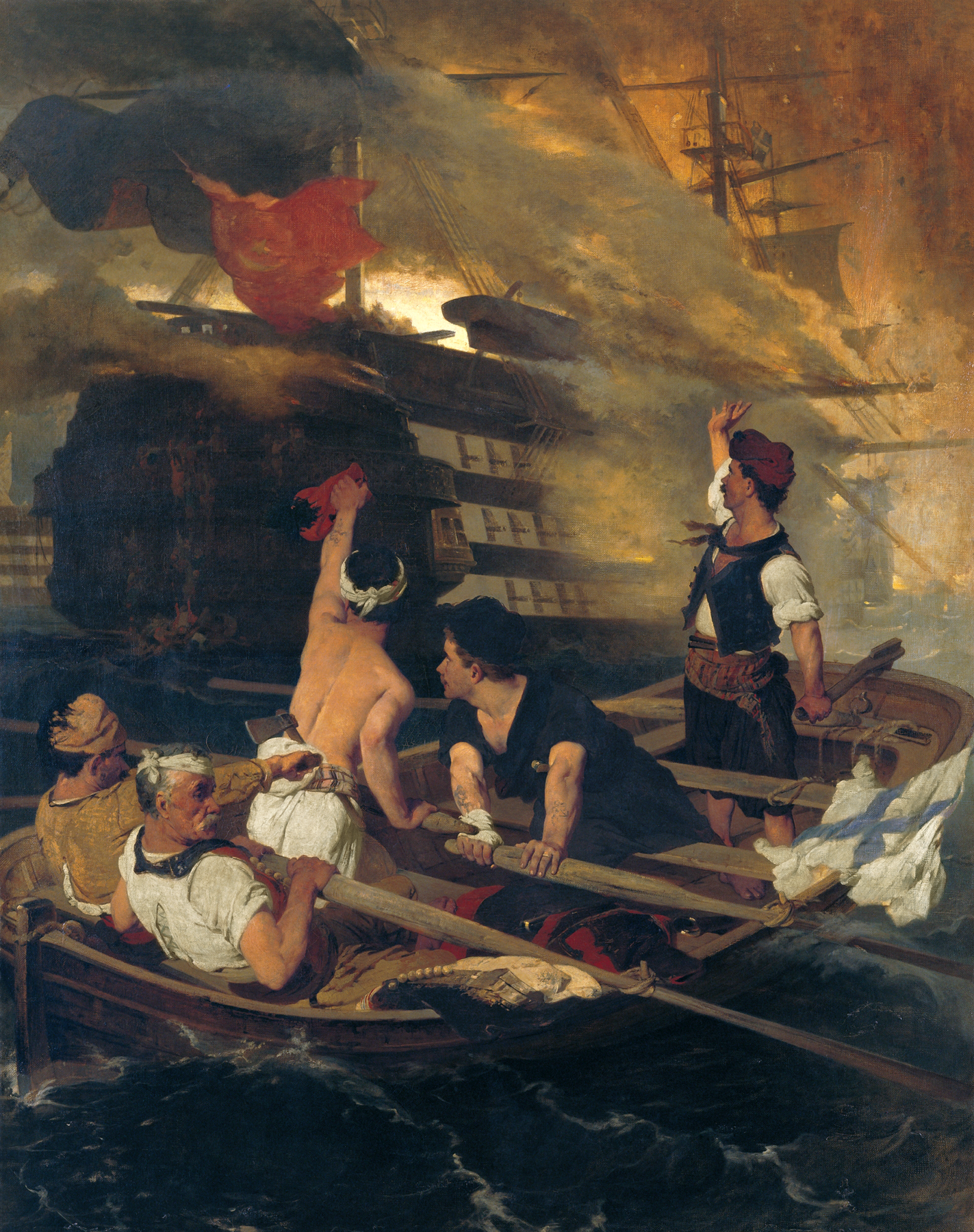
- Konstantinos Kanaris and the fireship tradition
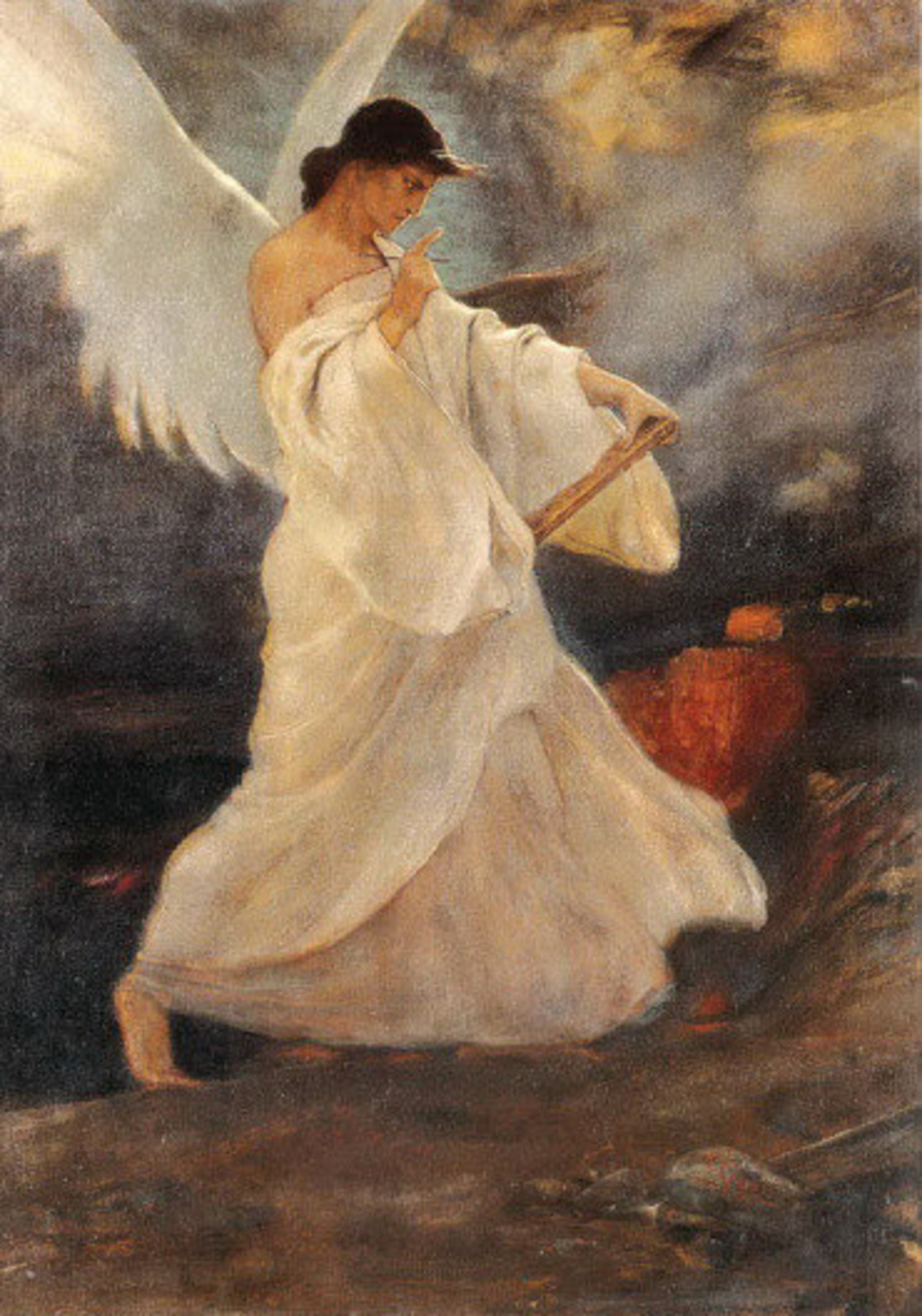
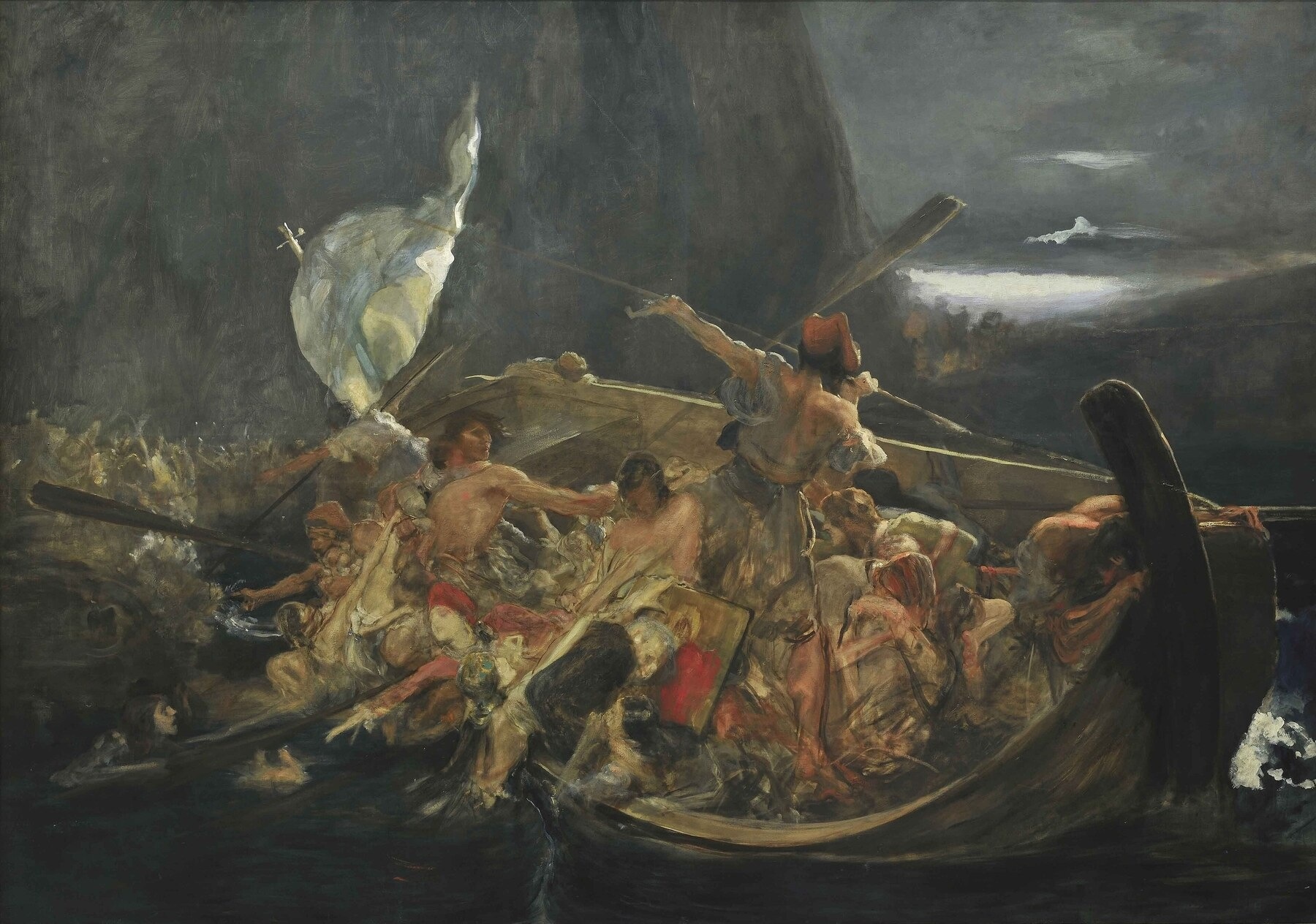
- Artistic memory of the destruction of 1824
Monuments and sites
From maritime community to naval power
Although inhabited since antiquity, Psara rose to prominence under Ottoman rule through shipping, commerce, and a demanding seafaring culture. Its captains and crews accumulated experience across the eastern Mediterranean, while merchant wealth supported a community whose identity was closely tied to the sea. By the opening of the Greek War of Independence, Psara stood with Hydra and Spetses among the principal naval islands able to supply armed vessels, trained crews, and commanders to the revolutionary cause.
Fireships and the wider Aegean war
Psarian sailors became especially associated with fireships, small vessels prepared to ignite and destroy larger warships. Konstantinos Kanaris emerged as the best-known of these commanders after the burning of the Ottoman flagship off Chios in 1822. His attack linked the naval history of Psara directly with the catastrophe on neighboring Chios and demonstrated how knowledge of currents, wind, darkness, and ship handling could offset the overwhelming material strength of the Ottoman fleet.
The destruction of 1824
In June 1824 an Ottoman expedition overwhelmed the island after fierce resistance. Defenders and civilians gathered on Mavri Rachi, where the final explosion of a powder magazine became the defining image of Psara's destruction. Large numbers were killed, enslaved, or displaced, and the established maritime community was shattered. The catastrophe entered European philhellenic culture through poetry, painting, and historical writing, transforming Psara from a naval base into a symbol of collective sacrifice.
Landscape, memory, and identity
Psara's historic meaning is carried less by monumental fortification than by the relationship between landscape and memory. The barren ridge above the settlement, the harbor from which merchantmen and fireships sailed, the Church of Agios Nikolaos, and later memorials form a connected historical setting. Together they preserve the story of a community whose economic strength, revolutionary commitment, destruction, and reconstruction remain inseparable from the geography of the island.
Timeline
- 18th century Psara develops into a prosperous Aegean merchant and maritime community.
- 1821 Psara joins the Greek War of Independence and commits ships and crews to the naval struggle.
- 1822 Konstantinos Kanaris burns the Ottoman flagship off Chios.
- June 1824 Ottoman forces capture and destroy Psara after fierce resistance.
- 19th century The destruction of Psara becomes a major theme in Greek national memory and philhellenic art.
Expedition guides
Images
References
Related places
Related Stops
Topics
- Historic Island
- Naval History
- Greek War Of Independence
- Maritime Heritage
- Memorial Landscape