A North Aegean sailing expedition organized around Genoese Chios, the Gattilusi sphere of Lesvos and Lemnos, and weather-sensitive island passages.
Approximate voyage framework: 260–320 NM · Suggested duration: 7–12 plus 1–2 optional land excursion days days
The voyage and its setting
Expedition VI uses Chios as both historical anchor and operational base. The optional Chios Heritage Circuit can be completed before embarkation, after the sailing loop, or as an independent island visit. The expedition then sails a flexible North Aegean loop through Psara, northern Lesvos, Lemnos and Oinousses. The route is deliberately conditional: Psara and Lemnos can be skipped or shortened when the Meltemi or schedule pressure requires a tighter loop.
A route through historical waters
Why this is the V2 reference case
This expedition demonstrates the new architecture: the expedition is primary, stops are operational, the Chios Heritage Circuit is modeled as a reusable excursion, historical targets are reusable monuments, and GPX downloads are treated as planning resources.
Weather philosophy
The North Aegean itinerary should not be over-fixed. Psara and Lemnos are useful decision valves; a good V2 presentation should make the default route, skip options, and historical priorities obvious at a glance.
Psara go/no-go
Skip Psara if the forecast makes the northwest leg uncomfortable or exposes the harbor.
Lemnos extension
Treat Myrina as the main northern extension; omit it if delayed or if the return window to Chios is poor.
A one- or two-day land circuit exploring Chios Castle, Nea Moni, Avgonima, Anavatos, Mesta and Pyrgi. It complements Expedition VI but also stands on its own as an independent visit to the island.
The default stop order and optional choices are shown below. When the planner loads, you can adjust optional stops, passage variants, and stays; route distances and time summaries update from the shared route data.
The authored itinerary below remains available if the interactive planner does not load.
Weather-dependent first island stop. Skip if the North Aegean forecast makes the leg or harbor unattractive. Avoid forcing this leg into a poor northerly window.
Major northern extension. Include when the weather window and crew energy justify the added mileage. Main go/no-go branch for the northern part of the route.
Planning information is not navigational advice. Confirm current charts, weather, Notices to Mariners, local berthing rules, and conditions before sailing.
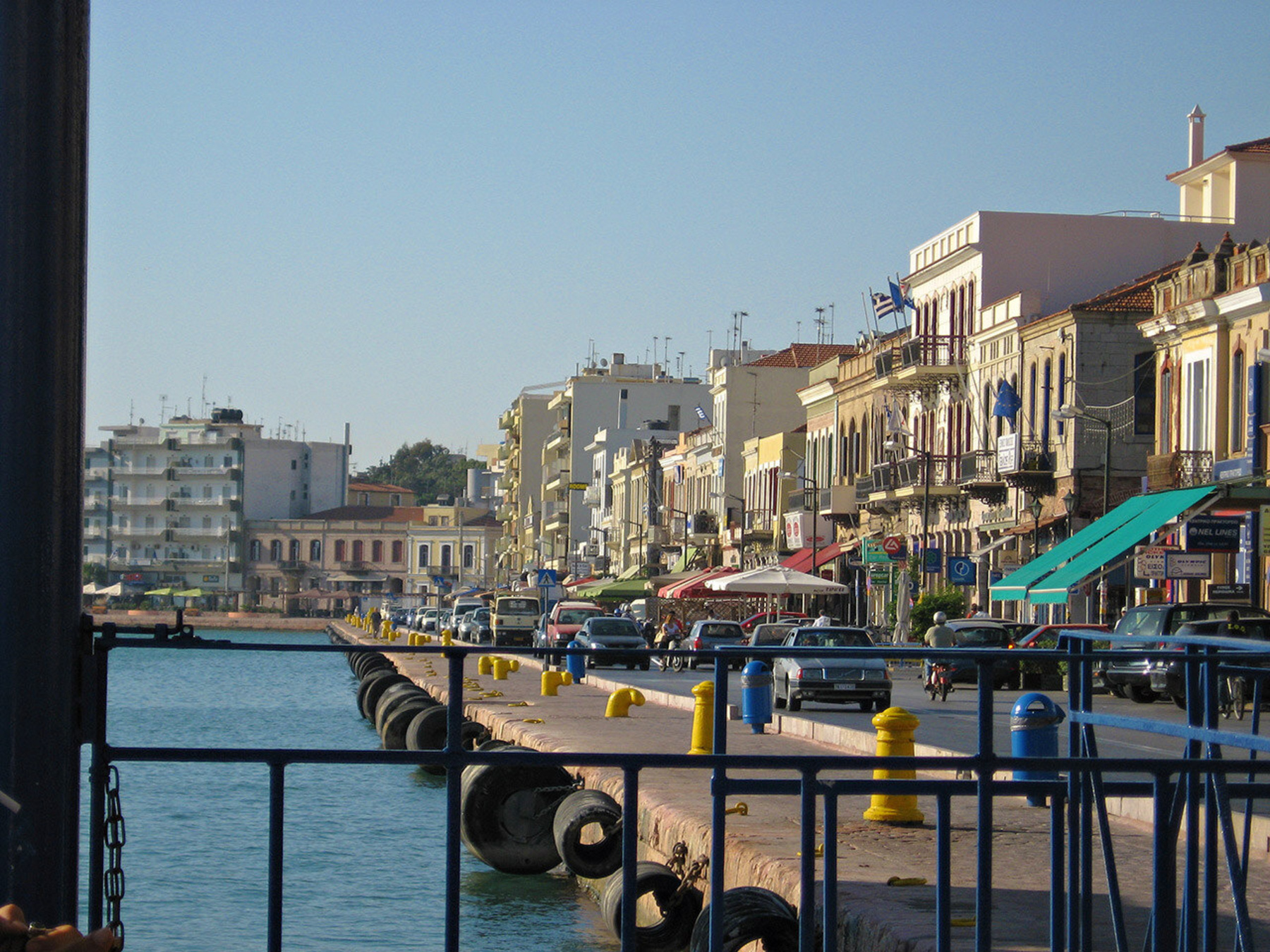
Chios has occupied a strategic position between the Aegean and the coast of Asia Minor since antiquity. Prosperity from maritime trade and the unique cultivation of mastic attracted Byzantine emperors, Genoese merchants, and Ottoman administrators, each leaving a distinct imprint on the island. Its medieval castle, UNESCO-listed Nea Moni, fortified mastic villages, and dramatic mountain settlements preserve an exceptional record of continuity from the Middle Byzantine period through the modern Greek state.
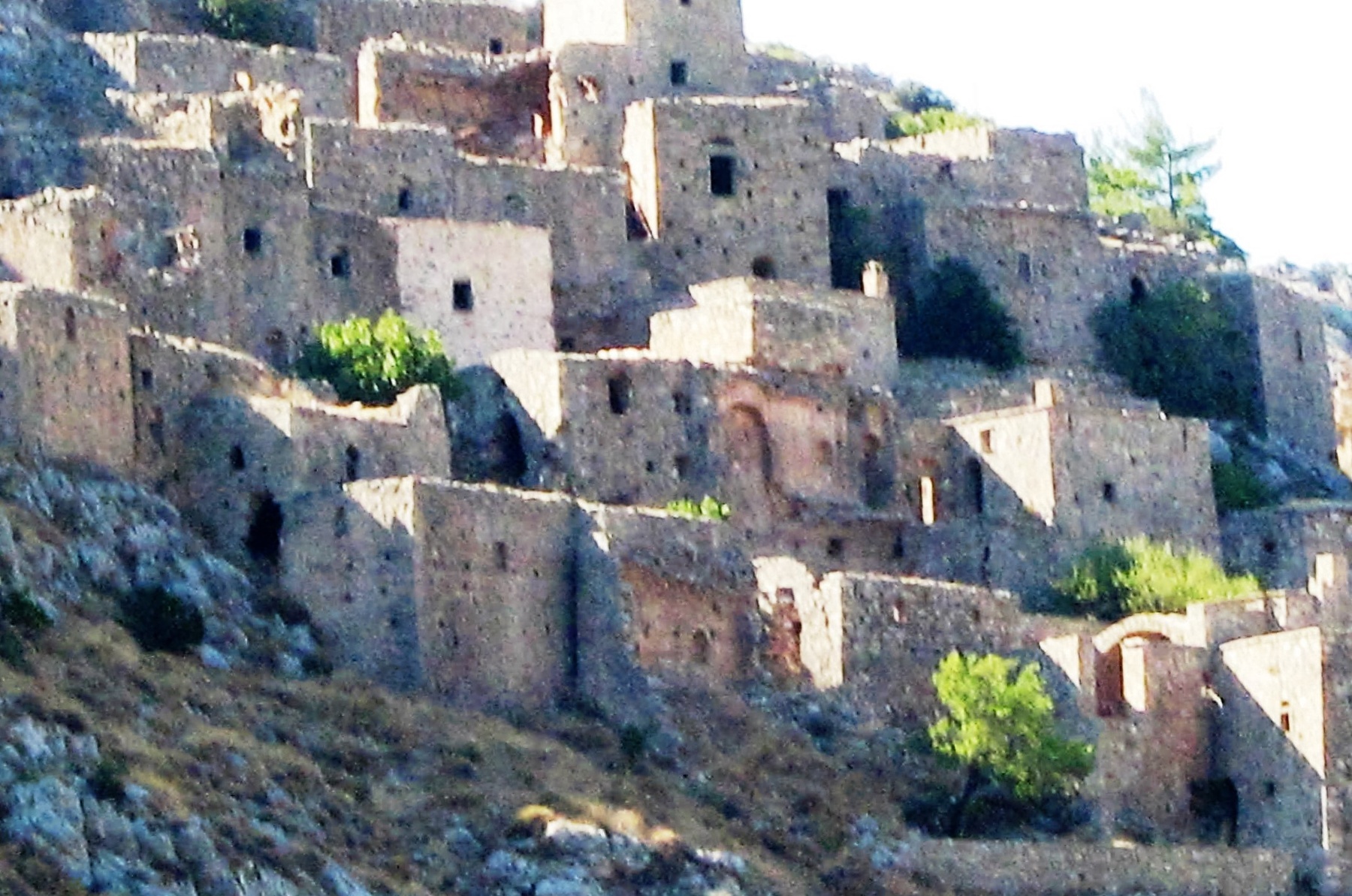
Anavatos is a largely deserted defensible settlement built into a steep rock in central Chios. Its enclosed nucleus, slope-bound Mesochori and post-1881 New Village preserve distinct phases of community life. Dense houses, constrained routes, churches, water storage, work spaces and communal buildings joined protection to everyday needs. The catastrophe of 1822 was a defining rupture, but occupation continued before earthquake damage and gradual depopulation reshaped the village. Conservation now forms part of the history visitors encounter.
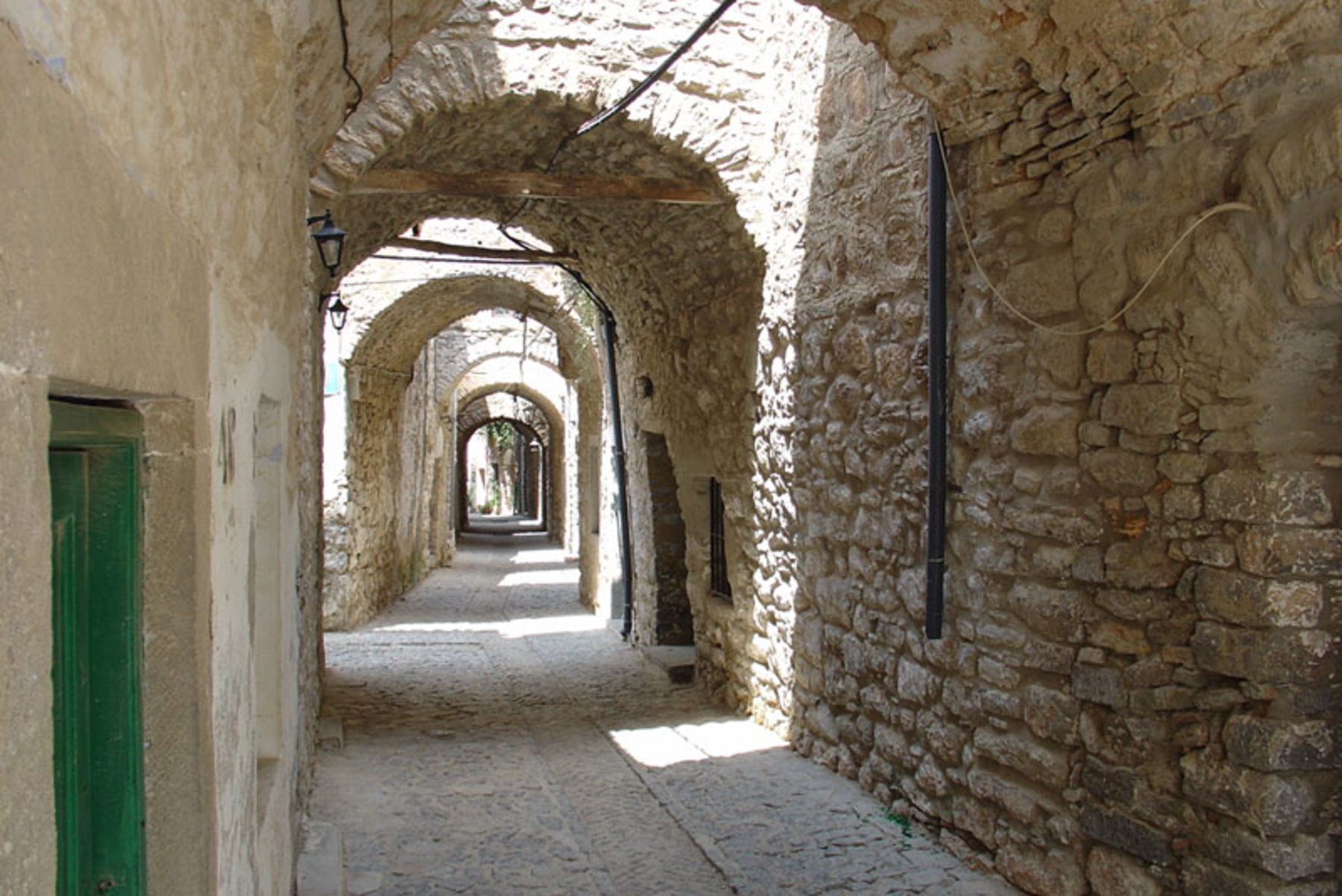
Mesta is one of the best-preserved medieval fortified villages of southern Chios and a defining example of the Mastichochoria, the mastic-growing settlements shaped by defense, commerce and communal life. Its polygonal plan, adjoining stone houses, vaulted alleys, controlled gates and former central tower transformed the village itself into a castle. Developed under Byzantine and especially Genoese influence, Mesta remained closely tied to the cultivation and protection of Chios mastic and survives today as a living historic settlement.
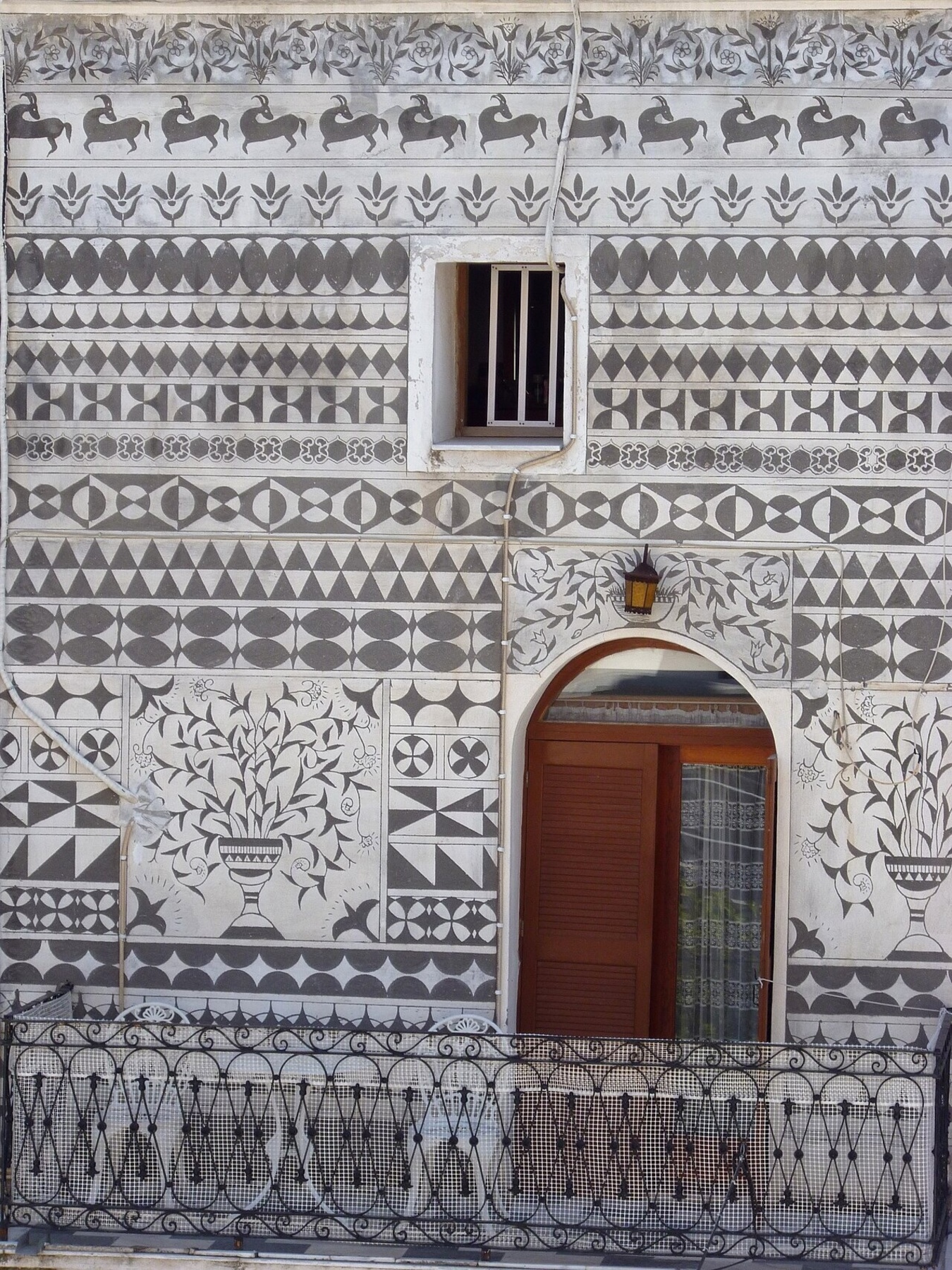
Pyrgi is one of the mastic villages of southern Chios, where a compact medieval settlement meets an extraordinary tradition of decorated house fronts. Its xysta patterns make the streets memorable, but the village rewards attention beyond its façades: defensive planning, the domed Church of the Holy Apostles and the surrounding cultivated landscape tell connected stories of protection, worship and work. The nearby Chios Mastic Museum explains the skills and institutions behind the resin that helped shape this region.
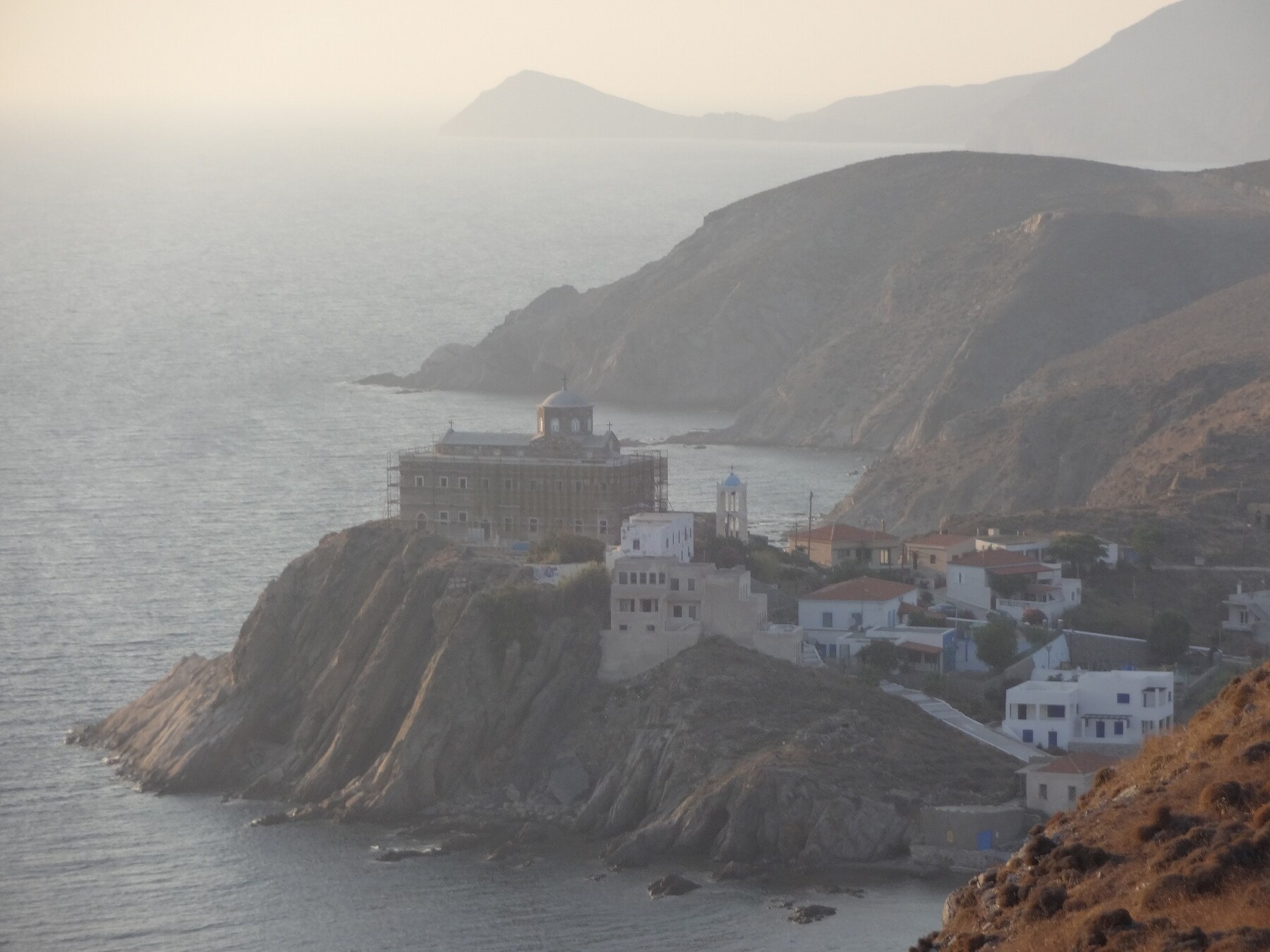
Psara is a small, rugged island whose influence on the Greek War of Independence far exceeded its size. Its prosperous merchant fleet, celebrated fireship captains, and destruction in 1824 made it an enduring symbol of naval resistance, sacrifice, and national memory.
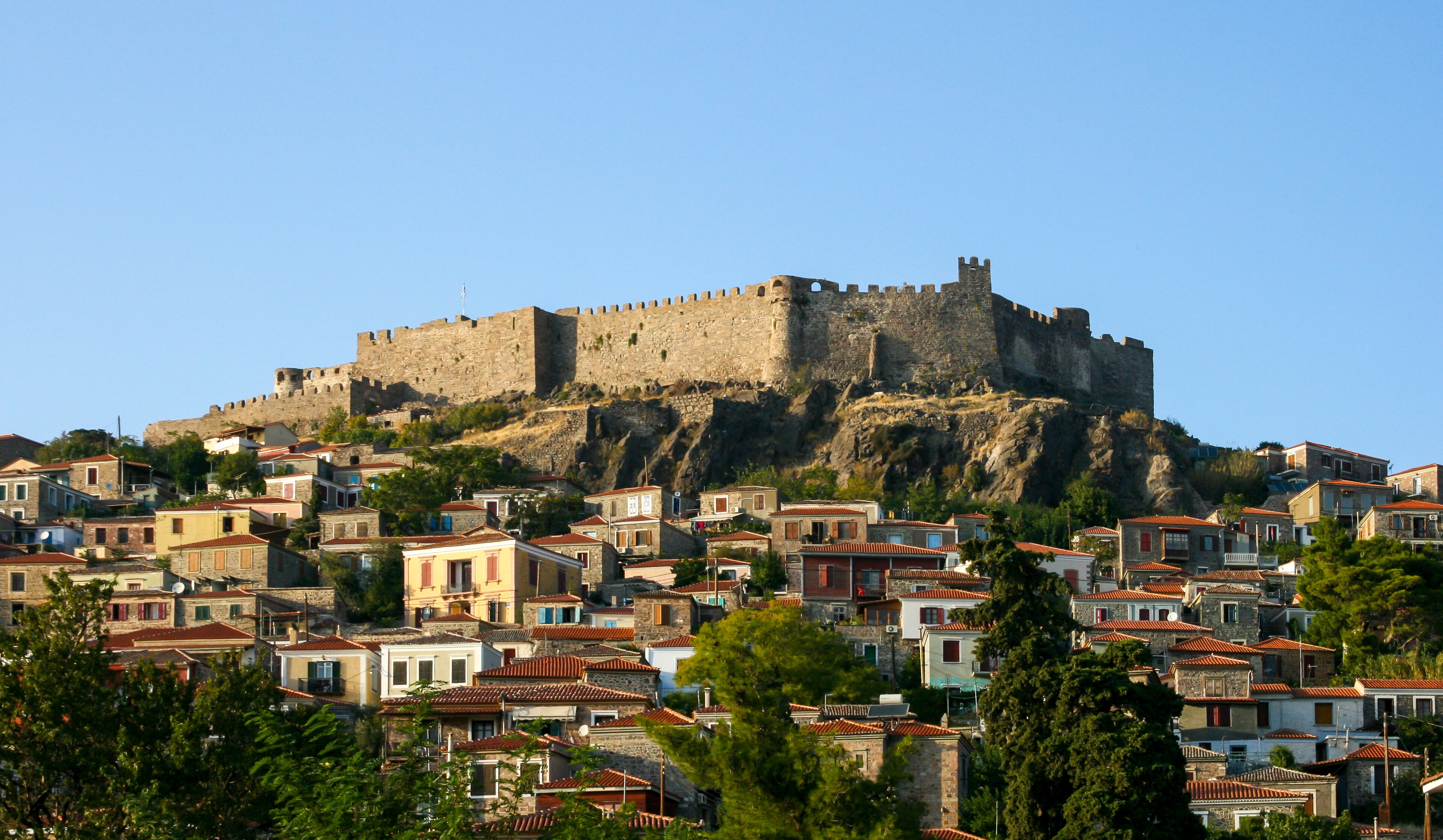
A hilltop castle above Molyvos and its harbor, with layered medieval defenses, wide sea views and a new archaeological collection tracing the history of ancient Methymna.
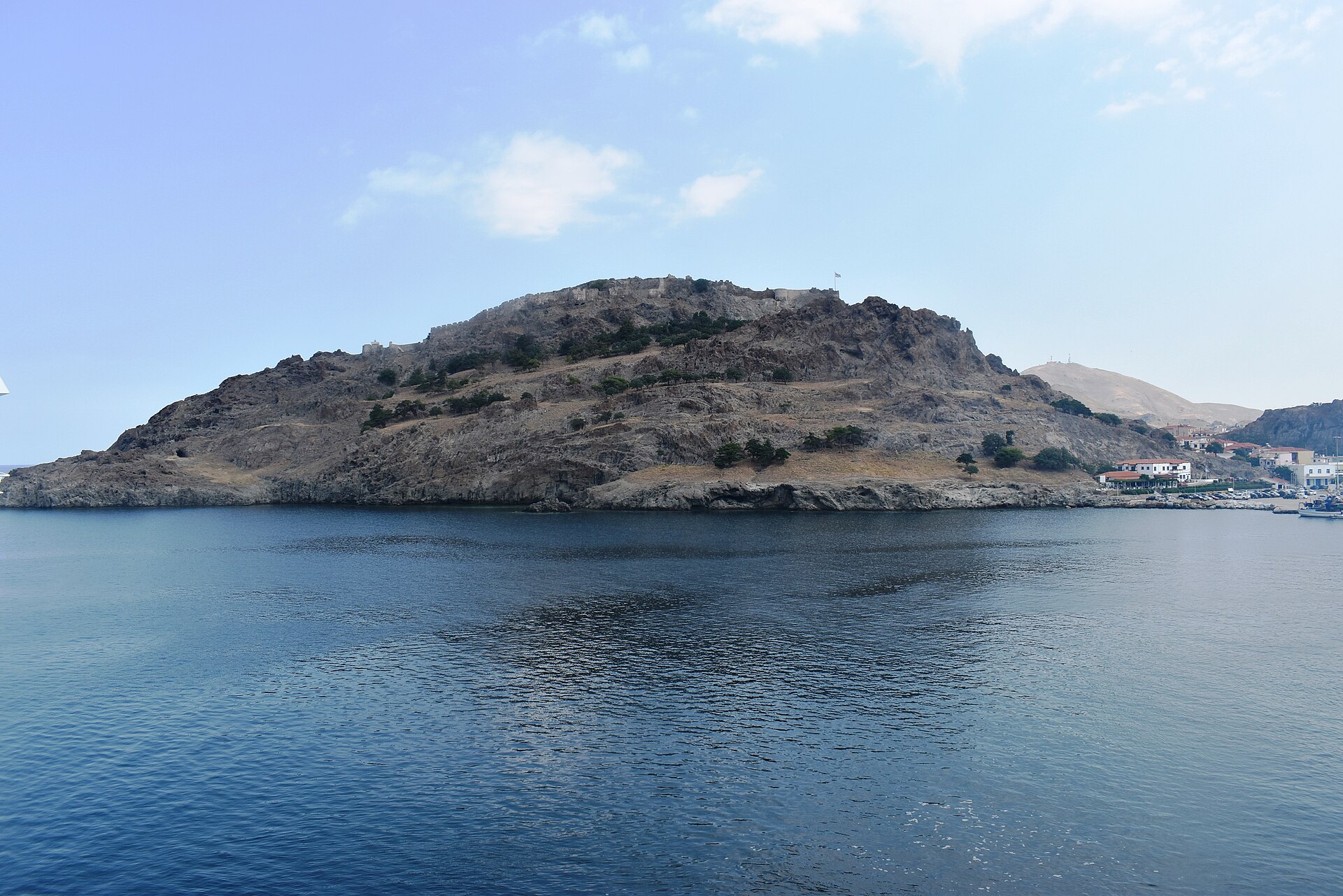
Myrina Castle occupies the steep promontory between the town’s two waterfronts. Its walls follow volcanic rock above the sea, enclosing gateways, towers and the remains of a settlement rather than a single monumental building. Byzantine, Venetian and Ottoman interventions shaped the fortress over centuries. The climb makes the relationship between town, harbors and defensive height unusually clear, while the archaeological museum below places the castle within the much longer history of Lemnos.
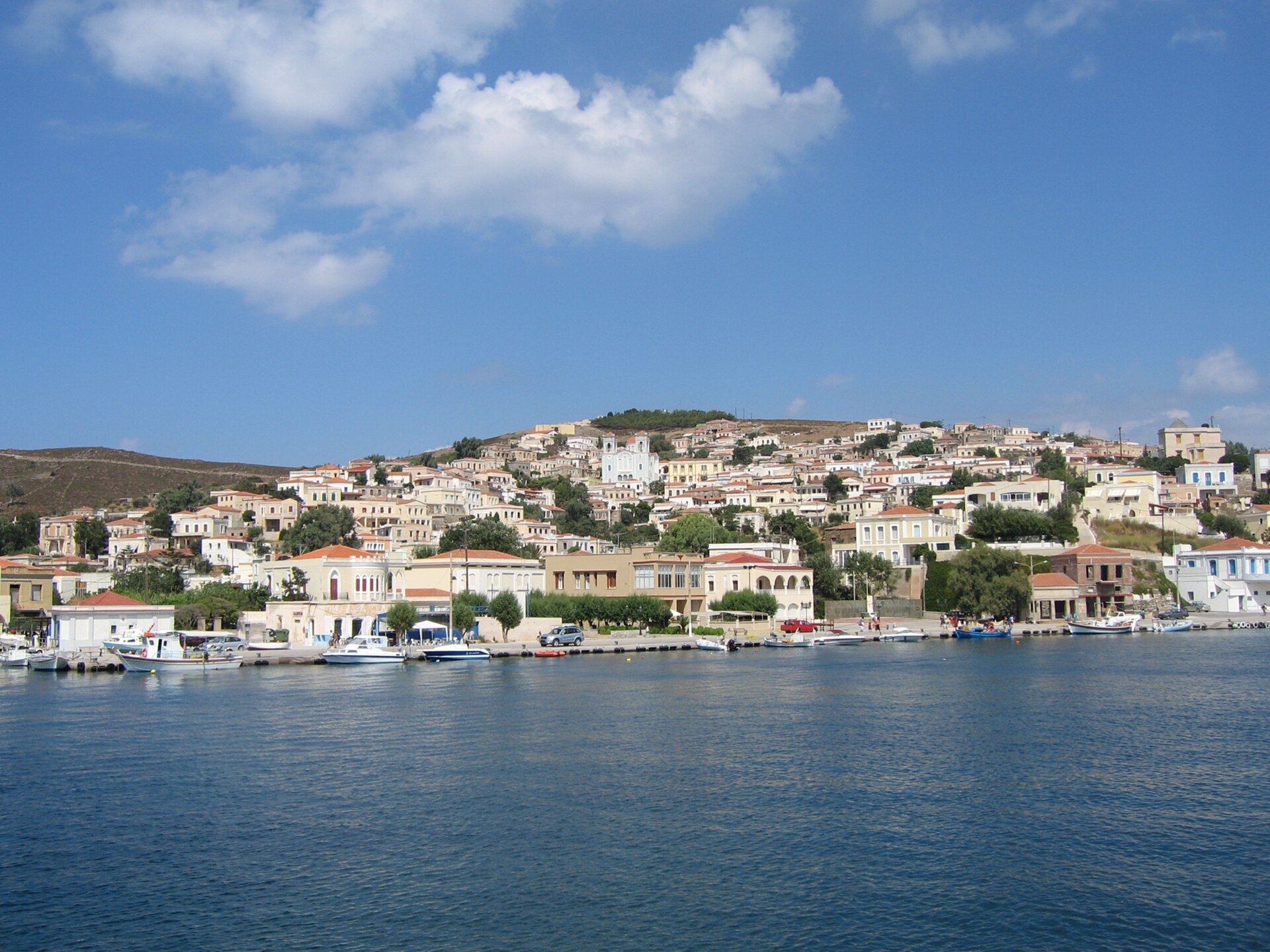
Oinousses is a small island group between Chios and the coast of Asia Minor, with a maritime influence far greater than its size suggests. The principal settlement climbs above the harbor in tiled-roof houses and narrow lanes, while its museum preserves the ships, paintings and family memories of generations at sea. Here the cultural story centers on seamanship, migration, education and island patronage. The waterfront, museum and living town offer complementary ways to understand that relationship.