Overview
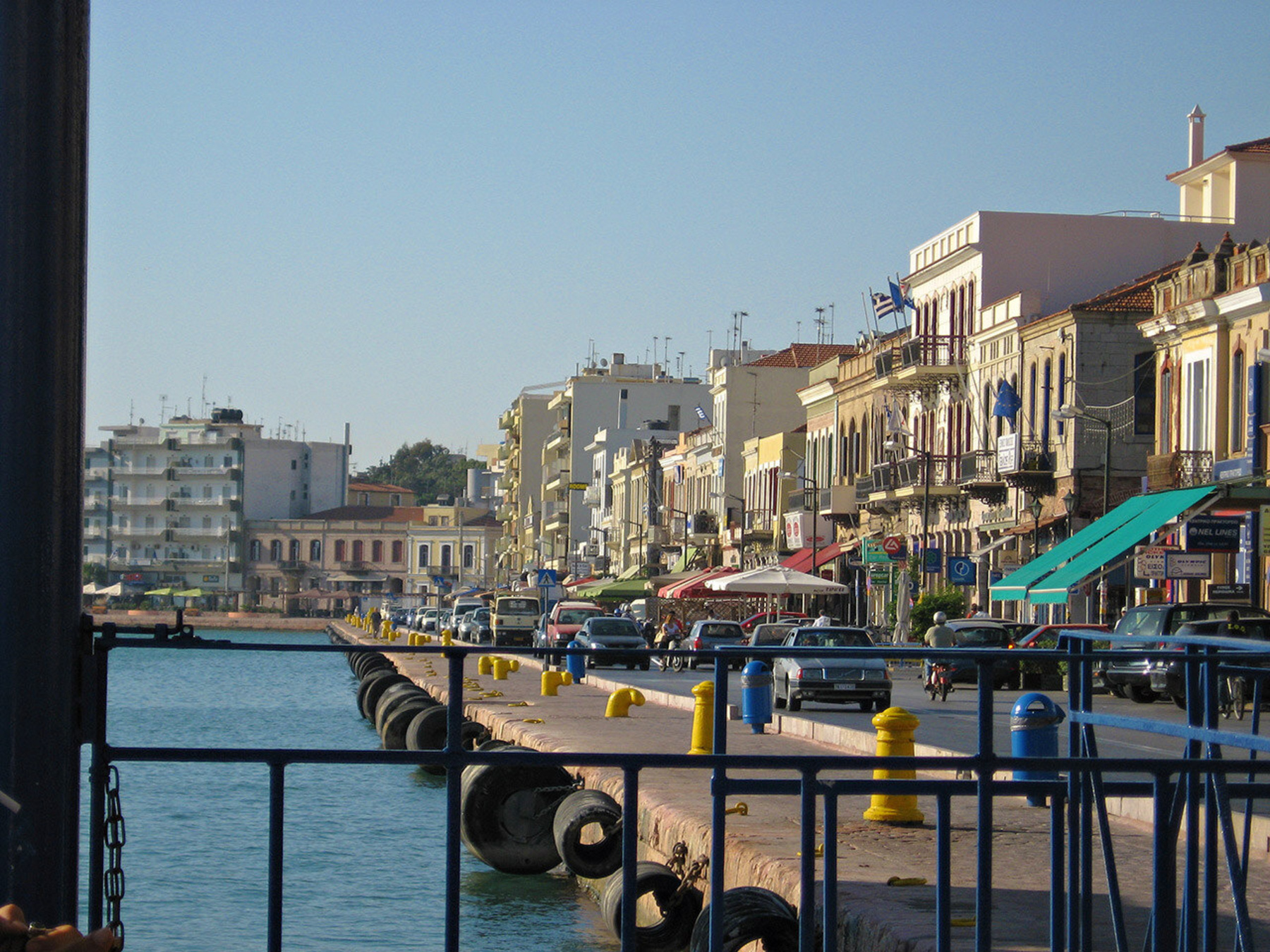
Chios combines the history of its fortified harbor city with the wider landscape of the island. Chios Castle anchors the urban story, while Nea Moni, the Mastichochoria, Anavatos, Pyrgi, Mesta, and Volissos reveal how commerce, religion, settlement, and defense developed across the island. Together these sites connect the local geography of the North Aegean to the wider history of Byzantium, Genoese commercial rule, Ottoman administration, the Greek War of Independence, and the maritime routes linking the Aegean with Asia Minor.
Highlights
- Chios Castle
- Nea Moni
- Mesta
- Anavatos
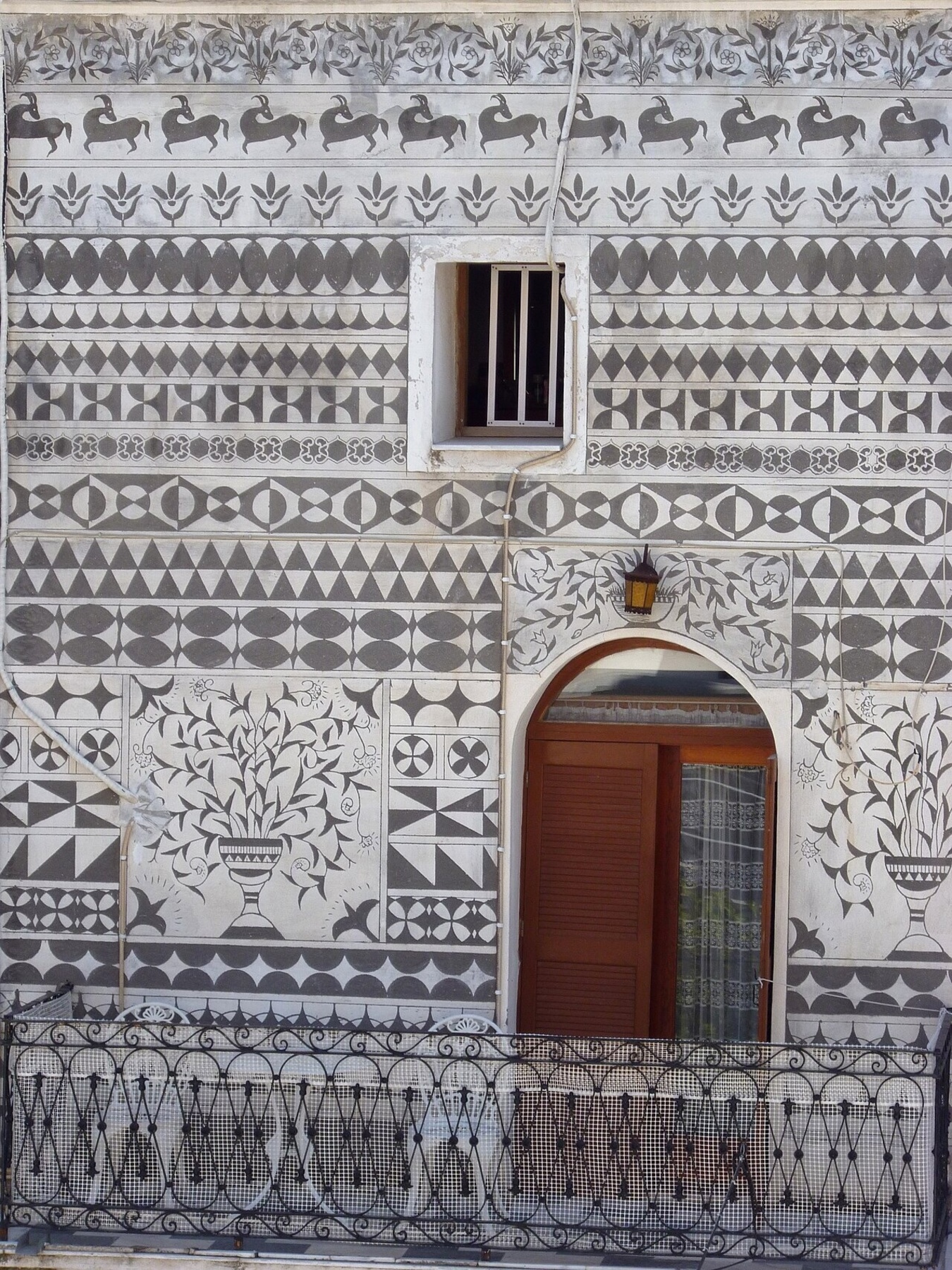
- Pyrgi
- Mastic villages
Strategic role
A major fortified urban and island center in the eastern Aegean, combining harbor defense, maritime commerce, religious monuments, mastic production, and long strategic continuity.
Fortifications and archaeological sites
Chios Castle
urban fortress
Byzantine / Genoese / Ottoman
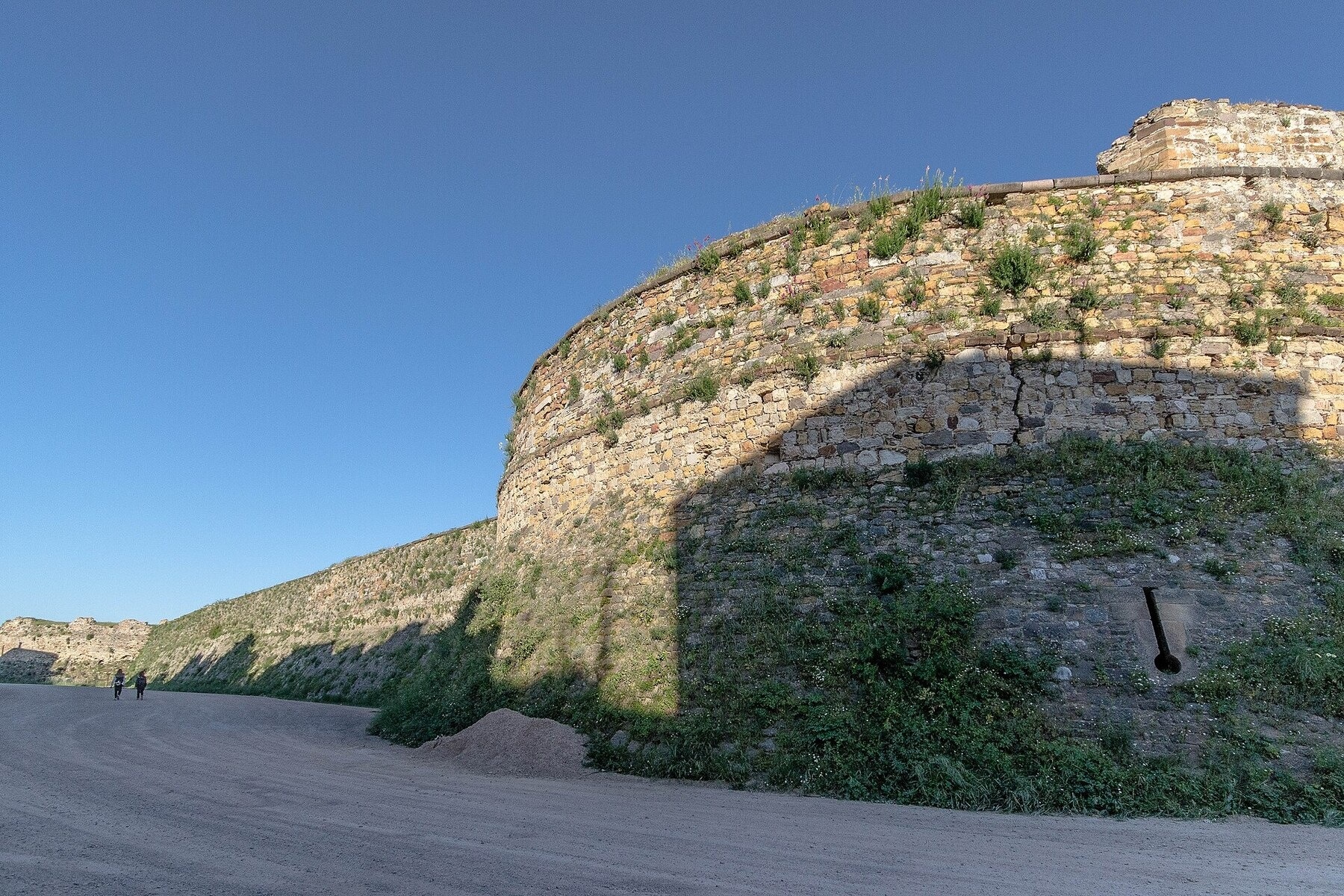
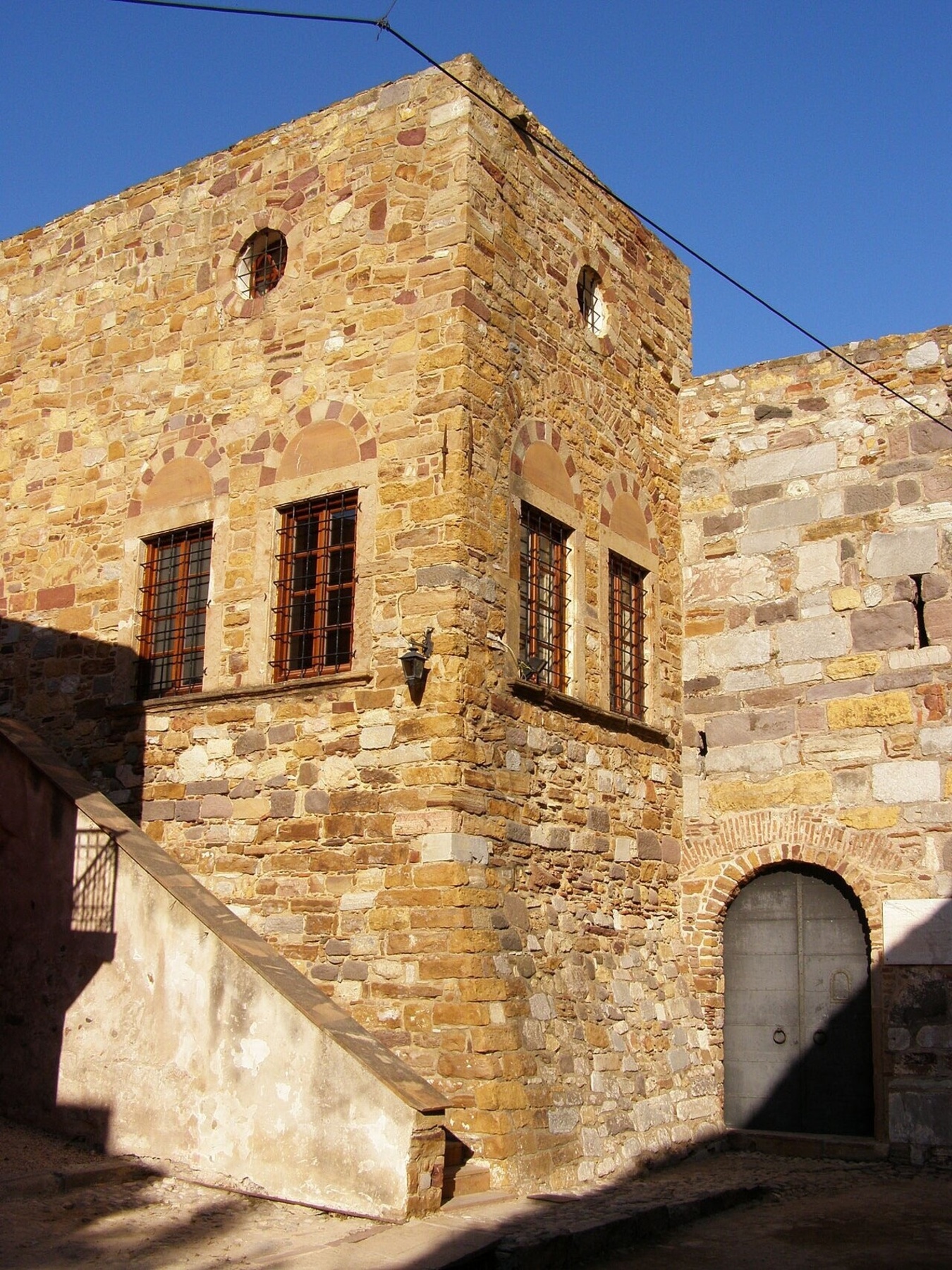
The fortified urban quarter beside the harbor of Chios town, repeatedly adapted by Byzantine, Genoese, and Ottoman authorities.
Nea Moni
monastery
Middle Byzantine
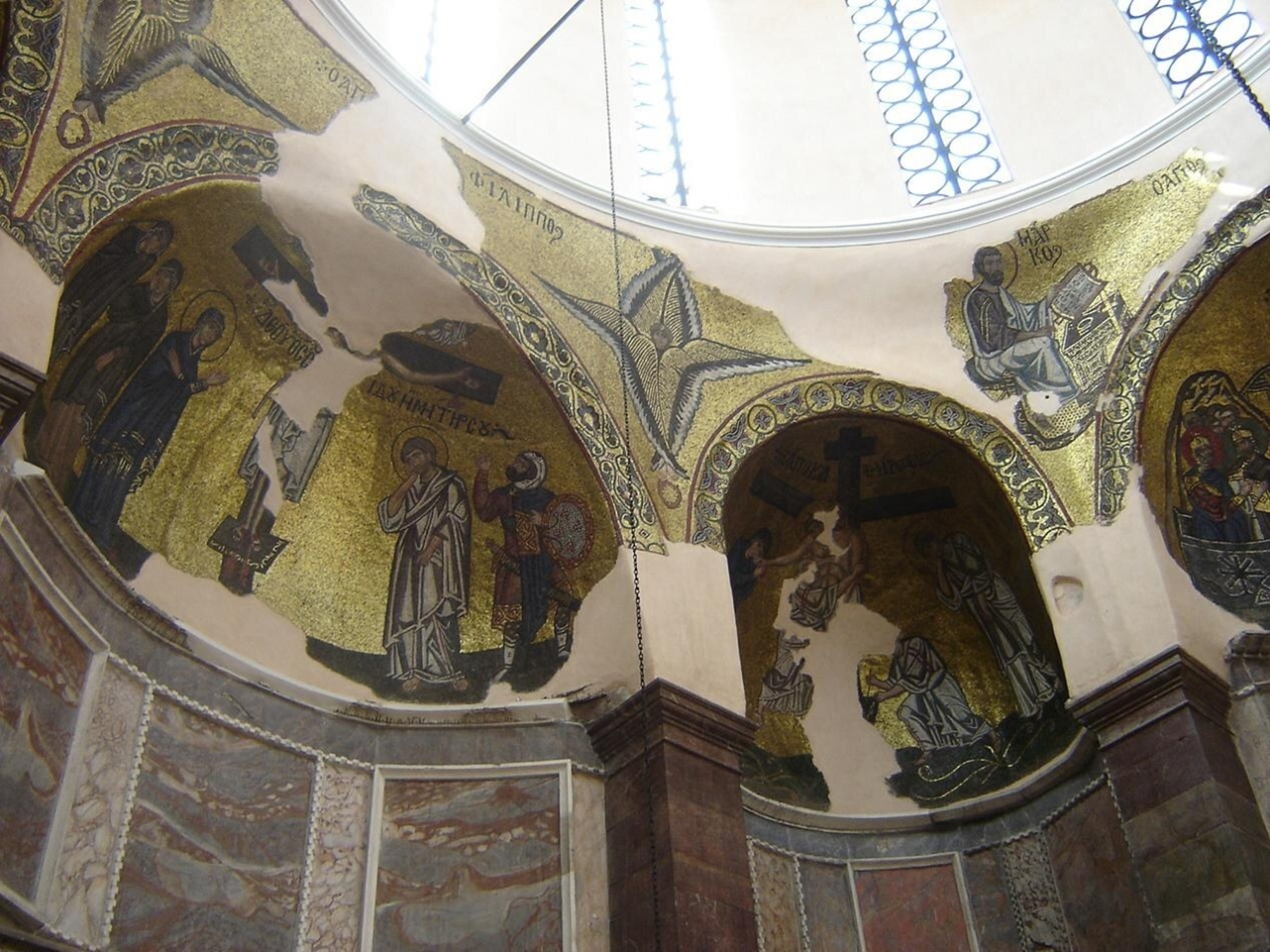
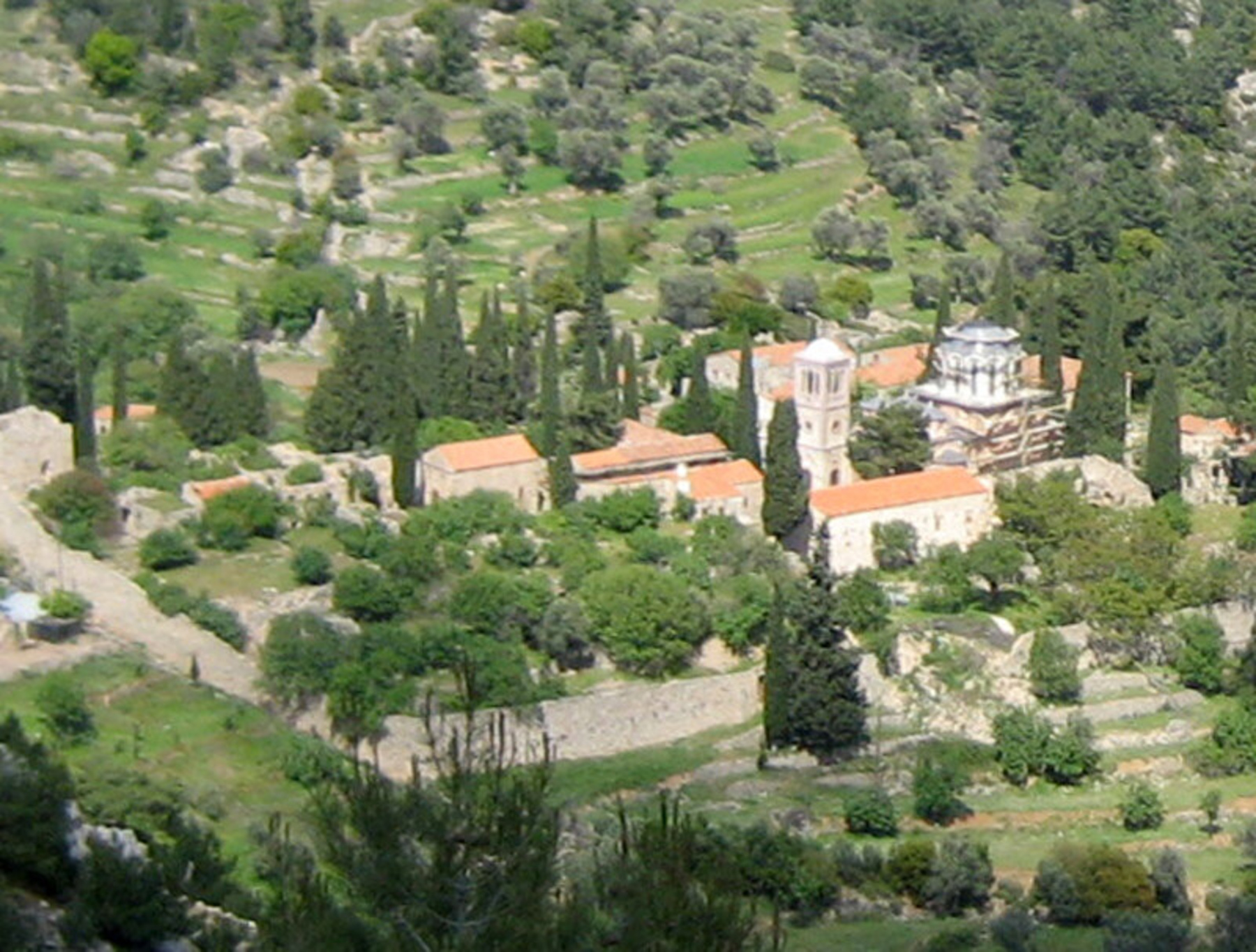
A major eleventh-century Byzantine monastery renowned for its mosaics and imperial patronage.
Anavatos
fortified abandoned village
medieval / early modern
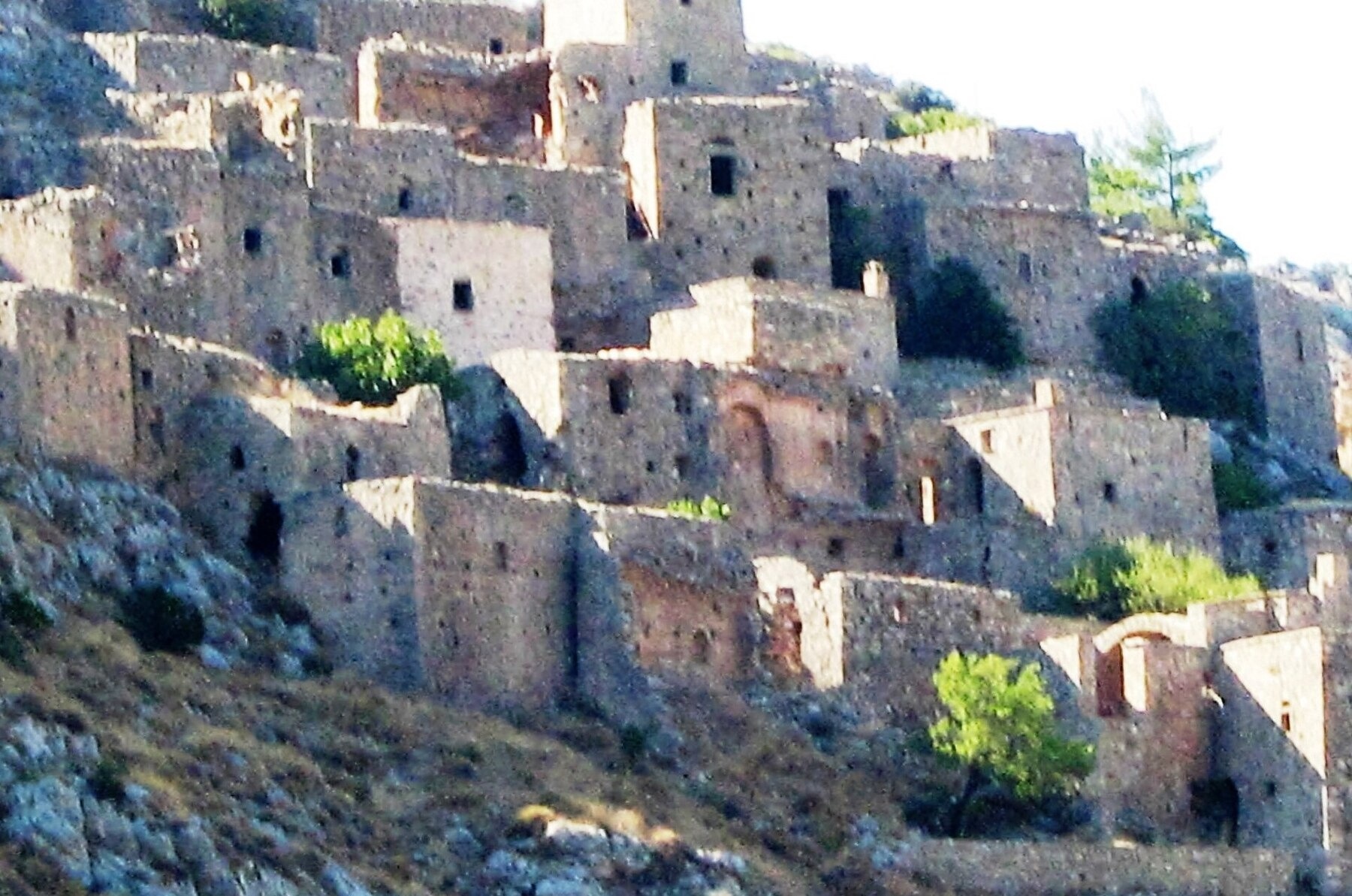
A dramatic cliff settlement in western Chios associated with refuge, defense, and the island's nineteenth-century catastrophe.
Mesta
fortified village
Genoese / mastic village
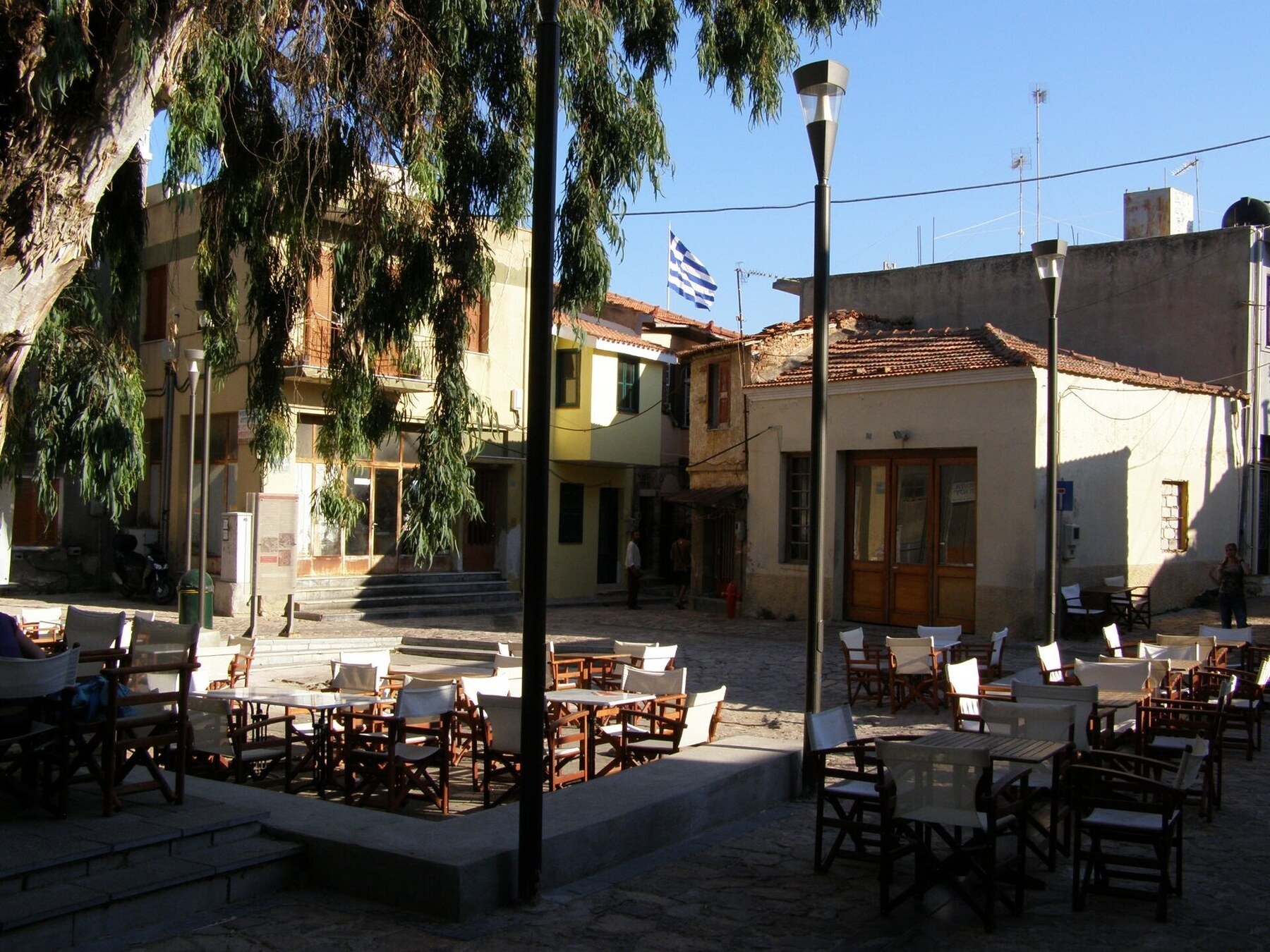
A compact defensive settlement of southern Chios shaped by the organization and protection of mastic production.
Monuments and sites
From antiquity to the Byzantine frontier
Known in antiquity for shipping, wine, and mastic, Chios became one of the leading islands of the eastern Aegean. Its position opposite the coast of Asia Minor made it a commercial hub and an important naval station. During the Byzantine period the island formed part of the empire's maritime frontier, while the eleventh-century foundation of Nea Moni introduced one of the finest surviving ensembles of Middle Byzantine mosaic art. Repeated Arab, Seljuk, and later Turkish raids encouraged increasingly sophisticated defensive systems linking the fortified harbor city, inland settlements, and places of refuge.
Chios town, its castle, and the fortified harbor
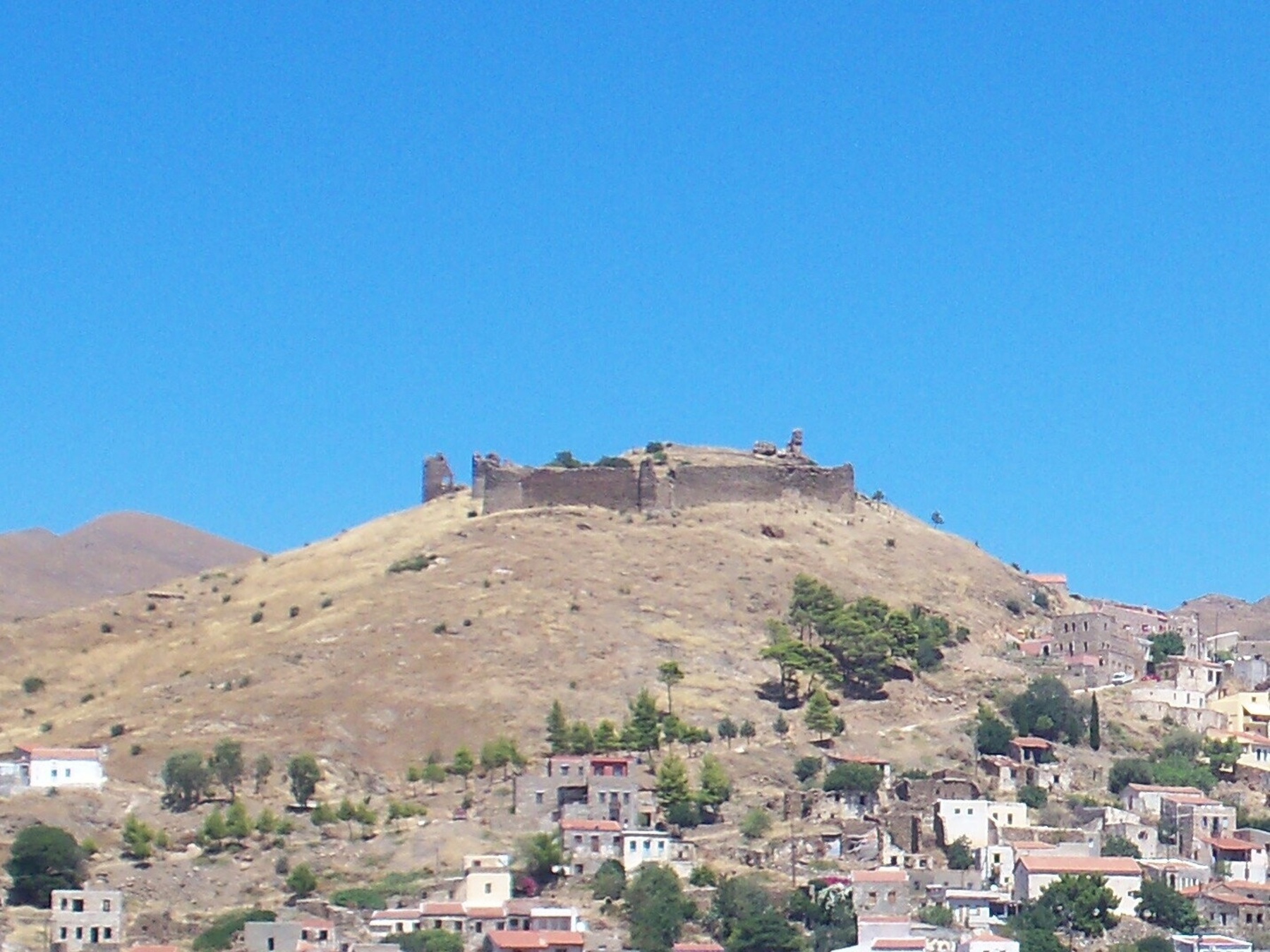
The castle of Chios developed as the fortified core of the principal town and harbor. Byzantine foundations were strengthened and reorganized under Genoese rule, when the enclosed urban quarter became closely tied to administration, trade, and the defense of the anchorage. Ottoman authorities retained and adapted the walls, gates, civic spaces, and religious buildings. Rather than standing apart from the town, the castle formed one of its defining districts and expressed Chios's continuing importance as a commercial and strategic center facing the coast of Asia Minor.
The Genoese island and the landscape of mastic
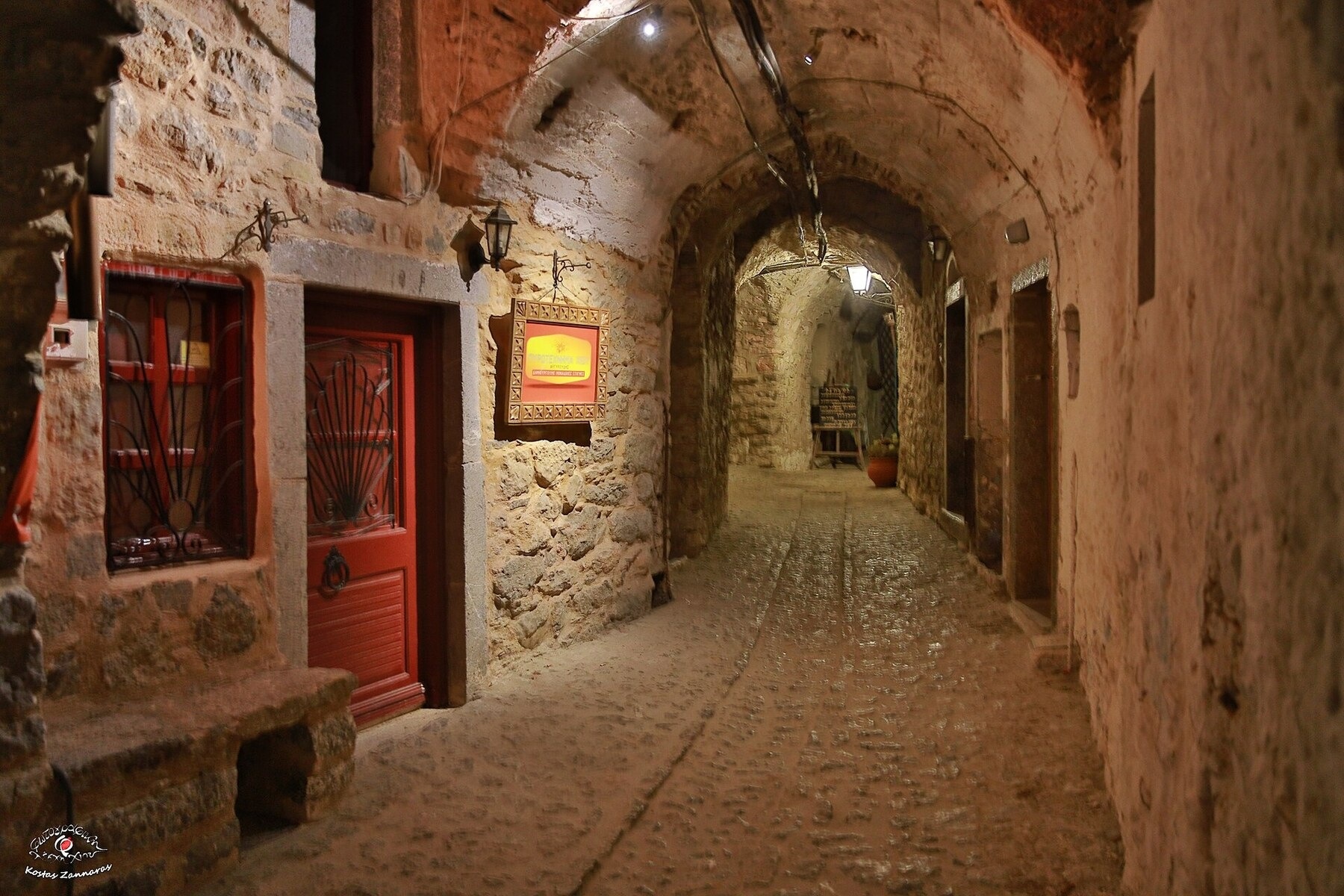
Following the Fourth Crusade, Chios eventually came under the control of the Genoese Maona of Chios and Phocaea in the fourteenth century. Genoese administrators reorganized the island around the profitable mastic trade, strengthening Chios Castle and developing a remarkable network of fortified villages in the south, including Mesta and Pyrgi. Their compact street plans, controlled entrances, defensive towers, and close-knit houses protected both residents and the valuable resin prized throughout the Mediterranean and Near East. The result was not a single fortress system but a defended economic landscape extending from the harbor to the Mastichochoria.
Ottoman rule, tragedy, and legacy
The Ottomans captured Chios in 1566 while preserving commercial privileges that allowed the island to remain prosperous. This prosperity ended catastrophically during the Greek War of Independence when the Massacre of Chios in 1822 devastated communities across the island and shocked European opinion, inspiring artists including Eugène Delacroix. Chios gradually recovered through commerce, shipping, and renewed mastic production before its incorporation into Greece in 1912. Today the island's Byzantine monuments, Genoese fortifications, Ottoman heritage, maritime traditions, and living medieval villages form one of the most historically layered cultural landscapes in the Aegean.
Architecture
- Fortified urban enclosure, city walls, and gates at Chios town
- Citadel and defensive structures associated with the harbor
- Urban fabric, civic spaces, and religious monuments within the castle quarter
- Fortified village plans, controlled entrances, towers, and joined houses in the Mastichochoria
- Middle Byzantine monastic architecture and mosaics at Nea Moni
- Harbor, road, and sea-lane relationships connecting the town with the wider island
Timeline
- c. 8th century BC Chios emerges as an important Ionian city-state with strong maritime and commercial connections.
- 1042–1056 Nea Moni is founded under the patronage of Emperor Constantine IX Monomachos.
- Byzantine period Chios develops as an eastern Aegean maritime frontier, with defenses protecting the harbor, settlements, and routes across the island.
- 1346 The Genoese Maona assumes control of Chios and reorganizes administration and mastic production.
- 14th–16th centuries Chios Castle and the fortified mastic villages are strengthened within a wider commercial and defensive system.
- 1566 The Ottoman Empire captures Chios and adapts its fortified, civic, and commercial infrastructure.
- 1822 The Massacre of Chios devastates the island during the Greek War of Independence and becomes a major event in European philhellenic memory.
- 1912 Chios is incorporated into the modern Greek state.
- 1990 Nea Moni is inscribed as a UNESCO World Heritage Site.
Visiting today
Chios is best understood as a connected urban and island landscape. The castle and harbor form the historical core of Chios town, while Nea Moni, Anavatos, Mesta, Pyrgi, and other settlements extend the story across the island. Access conditions and opening hours for individual monuments should be confirmed before visiting.
Historical contexts
- Late Byzantium
- Genoese Aegean
- Ottoman Period
- Rise of Modern Greece
- Harbor Defense and Sea-Lane Control
Expedition guides
Images
References
Related places
Related Stops
Topics
- Chios
- North Aegean
- Great Fortified City
- Genoese
- Byzantine
- Ottoman
- Mastic
- Medieval Villages
- Harbor Defense
- Sea Lane Control