Highlights
- The river and the city beneath the streets
Ancient Ambracia lies beneath modern Arta.
- A capital whose life exceeded its castle
After 1204 Arta became the capital of the independent Epirote state.
- Patronage made visible at Parigoritissa
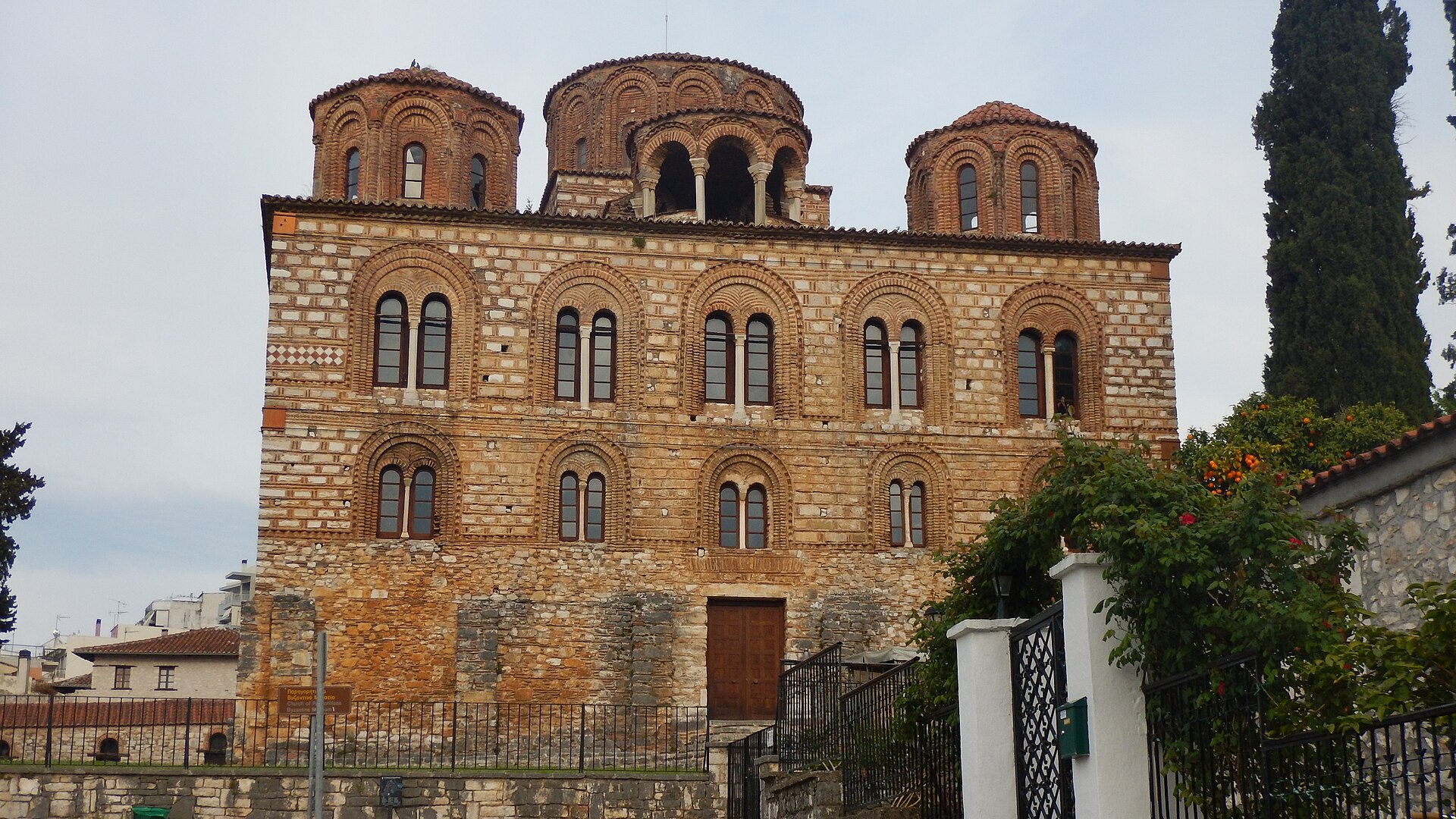
Panagia Parigoritissa was built at the end of the 13th century under Nikephoros I and Anna Palaiologina as the principal church of a monastery.
- A bridge of engineering, border and legend
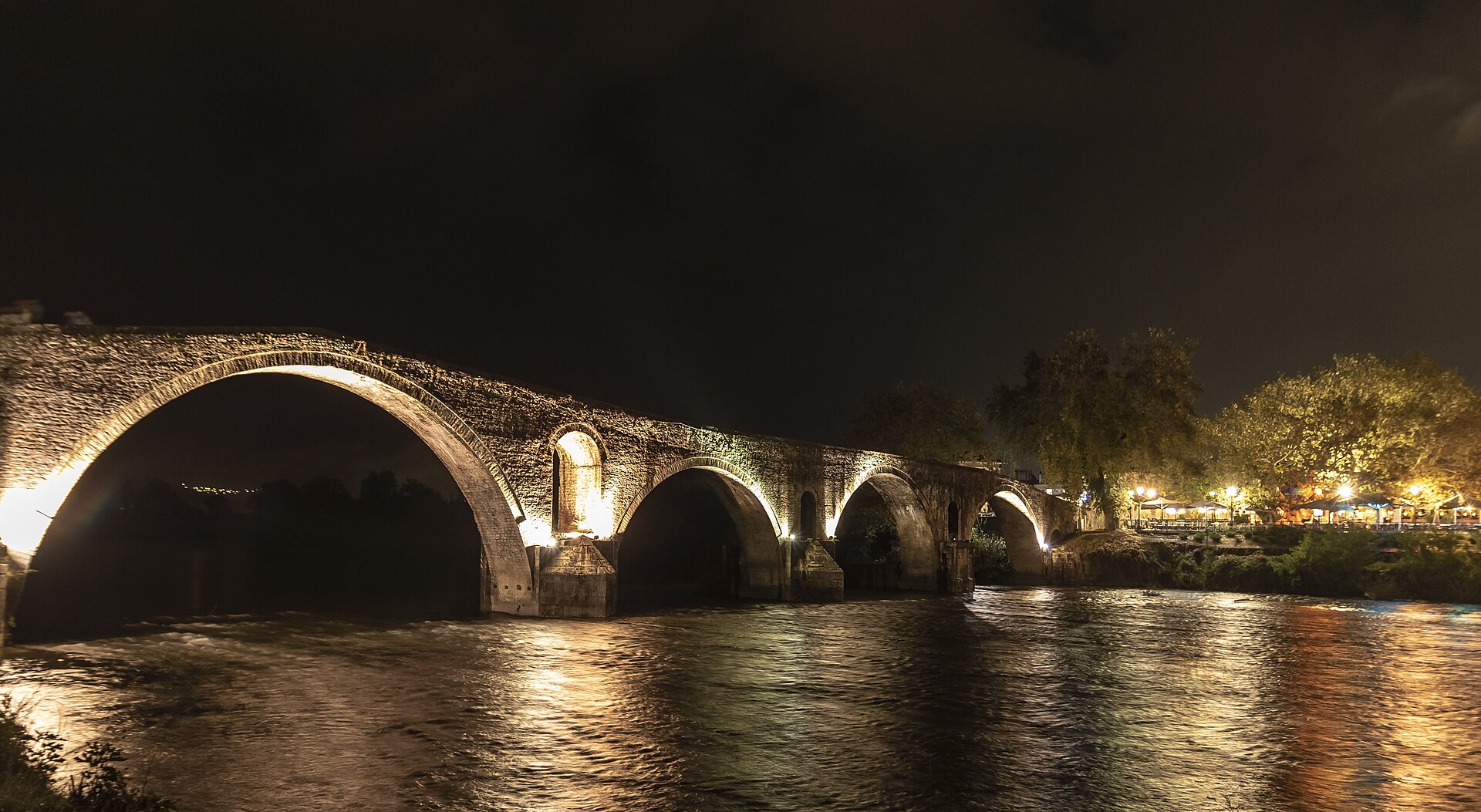
The famous stone bridge combines different building phases, with major rebuilding in the early 17th century.
Strategic role
A river city whose ancient remains, medieval patronage and changing crossing explain successive regional roles.
The river and the city beneath the streets
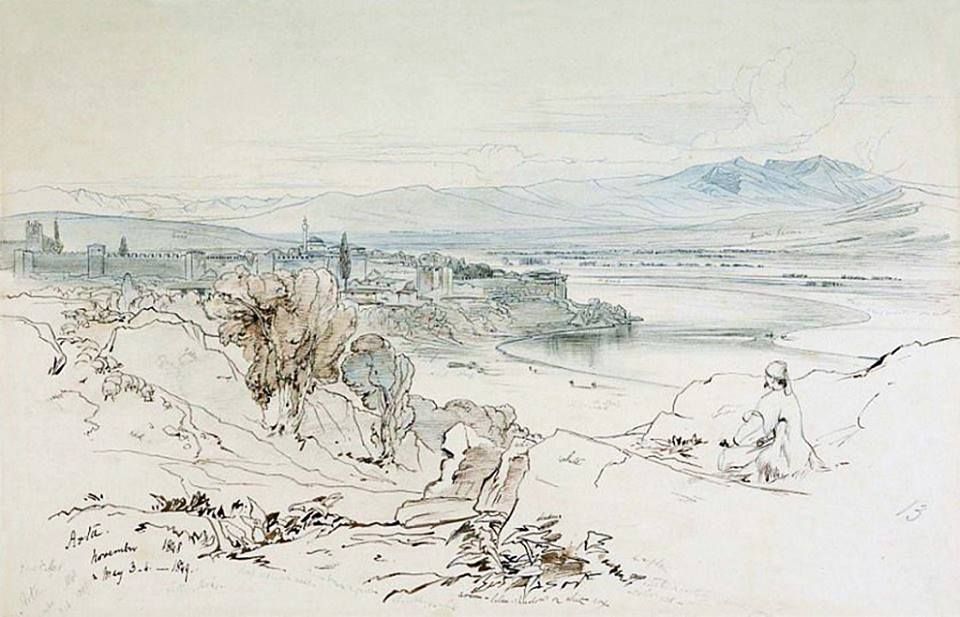
Ancient Ambracia lies beneath modern Arta. Excavated remains and the Archaeological Museum make this earlier city visible without requiring the modern street plan to be read as an unchanged ancient one. The Arachthos linked the settlement with the gulf and inland routes, but its shifting course has altered that relationship. The castle’s eastern side once had protection from water now lying farther away; geography here is a changing historical condition, not a fixed backdrop.
A capital whose life exceeded its castle
After 1204 Arta became the capital of the independent Epirote state. The castle incorporated older wall material and underwent medieval reinforcement, while the town’s important religious buildings stood beyond it. That distinction matters: the relatively compact enclosure cannot stand for the full extent or activities of the capital. Later Ottoman changes accommodated firearms and administration, and subsequent prison and tourism uses reshaped the interior again.
Patronage made visible at Parigoritissa
Panagia Parigoritissa was built at the end of the 13th century under Nikephoros I and Anna Palaiologina as the principal church of a monastery. Its expansive interior and remarkable system of columns supporting the dome express ambitious patronage. Dome mosaics and the mixture of decorative traditions place Arta within wider artistic connections. The church also preserves later paintings: its present appearance is a history of additions, not one untouched medieval moment.
Agia Theodora and dynastic memory
Agia Theodora offers a different encounter with medieval Arta from the monumental display at Parigoritissa. The church belonged to a monastery where Theodora, wife of the Epirote ruler Michael II, lived after his death. Her burial and later veneration connected dynastic memory with the city’s devotional life. The building preserves earlier fabric, later additions and reused architectural members; it continues as a parish church and pilgrimage place. A visit therefore belongs within an active religious setting rather than an abandoned court monument.
A bridge of engineering, border and legend
The famous stone bridge combines different building phases, with major rebuilding in the early 17th century. Its arches and relief openings respond to the force and changing level of the river. Between 1881 and the Balkan Wars the crossing also marked a political boundary. The ballad of the master builder’s sacrificed wife belongs to the bridge’s powerful cultural memory; it is not evidence that such a sacrifice occurred or that one securely dated building campaign explains the whole structure.
Collections and a living urban landscape
The Archaeological Museum near the bridge interprets Ambracia, while the sculpture collection associated with Parigoritissa addresses the Byzantine city and its wider region. They offer different frames for remains scattered through the town. Present-day Arta is also a place of streets, markets and everyday life; walking between the bridge, central monuments and castle gives the historic sites an urban setting rather than turning them into an isolated checklist.
A visit shaped by conservation
Parigoritissa’s Ephorate page checked on 22 November 2026 announces closure for restoration. Its architectural significance remains important, but visitors should not plan on seeing the interior or mosaics without confirmation of reopening. Check the museum, church-related collection and castle separately. Keep clear of work areas and distinguish public routes from archaeological or worship spaces; the bridge and riverbank give another way to understand the city when interiors are unavailable.
Architecture
- Castle walls incorporating earlier material
- Internal citadel and later artillery adaptations
- Parigoritissa’s dome-support system and decorative brickwork
- Multi-phase stone bridge with flood-relief openings
- Ancient remains within the modern town
Timeline
- Late 7th century BC Corinthian colonists founded Ambracia on the site of the later city.
- 11th–12th centuries The medieval castle developed, incorporating ancient defensive material.
- After 1204 Arta became the capital of the Epirote state.
- Late 13th century Nikephoros I and Anna Palaiologina sponsored Parigoritissa.
- 1449 The Ottomans took Arta.
- Early 17th century A major rebuilding phase contributed to the bridge’s surviving form.
- 1881 Arta joined the Greek state; the bridge became a frontier crossing.
- 1960 The Xenia hotel introduced a new tourism use inside the castle.
Visiting today
Plan separate checks for castle, Archaeological Museum and church-related collections. The Ephorate’s Parigoritissa page checked 22 November 2026 announces restoration closure; confirm reopening before expecting interior access.
Historical contexts
- Late Byzantium
- Ottoman Period
- Rise of Modern Greece
Expeditions
- Expedition IV
Images
References
Related places
Topics
- Epirus
- Byzantine City
- Ambracia
- River Crossing
- Church Architecture
- Ottoman
- Archaeology