Highlights
- A lake city connected to the hinterland
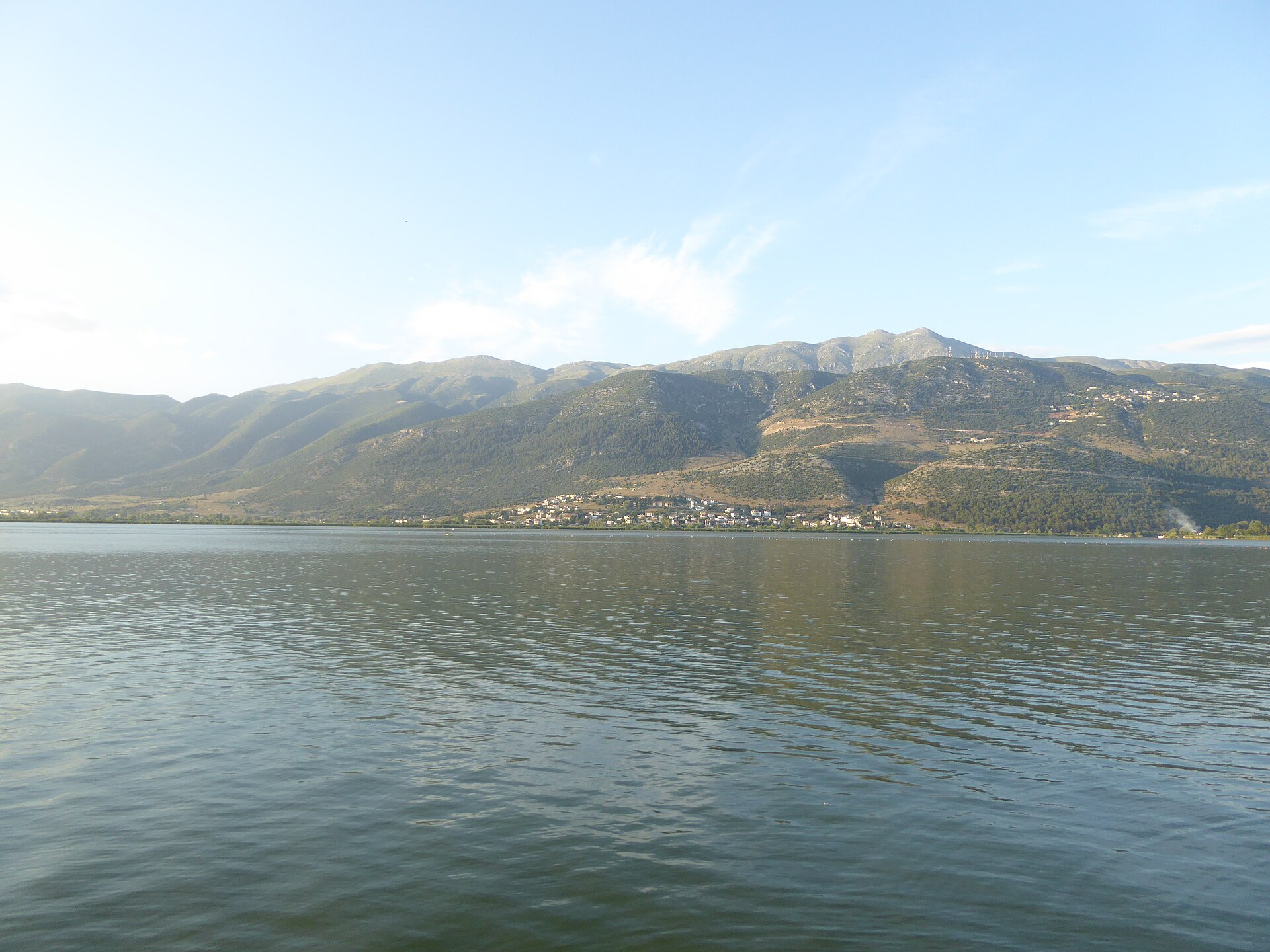
Lake Pamvotida gives Ioannina its most recognizable setting, but the city was also an inland center connected with mountain communities and coastal ports.
- A castle with two citadels and inhabited streets
The walled quarter retains ordinary houses and lanes between its major monuments.
- Ottoman transformation and Ali Pasha
Ottoman rule began in 1430.
- Romaniote life and the rupture of 1944
Ioannina’s Greek-speaking Romaniote Jewish community was woven into its commercial and neighborhood life, with homes inside and outside the walls.
Strategic role
A lakeside urban center shaped by fortification, trade, multiple communities and craft.
A lake city connected to the hinterland
Lake Pamvotida gives Ioannina its most recognizable setting, but the city was also an inland center connected with mountain communities and coastal ports. Trade and craft made those links tangible. The fortified peninsula offers a starting point for understanding the lake-city relationship; the streets outside it show how settlement and commerce extended beyond the walls. The lake island is a separate destination, not another district inside the castle.
A castle with two citadels and inhabited streets
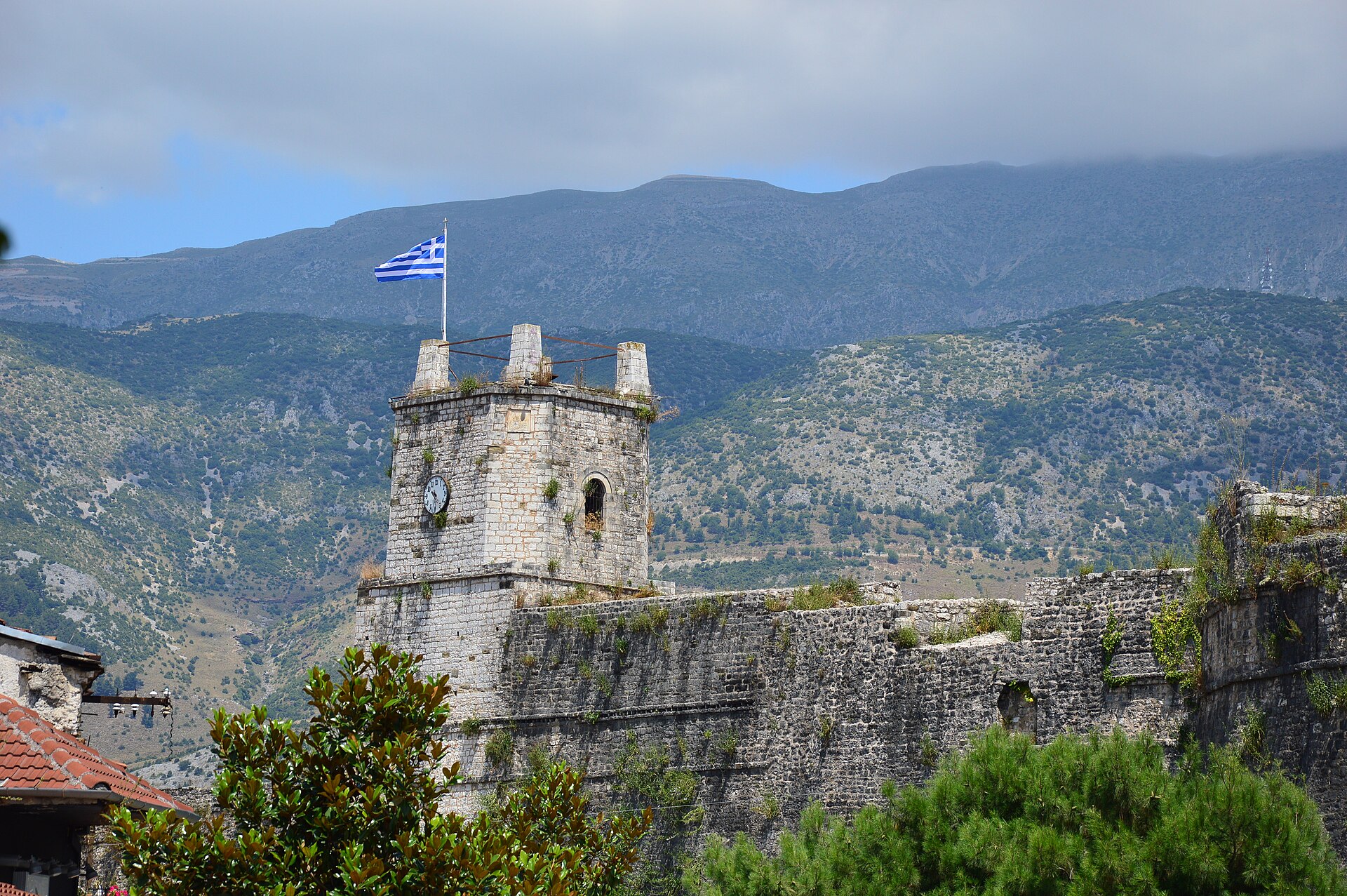
The walled quarter retains ordinary houses and lanes between its major monuments. Its Kale occupies the southeastern height, while the northeastern citadel is associated with the Aslan Pasha Mosque. Byzantine towers survive within a landscape extensively altered in the Ottoman period. This arrangement rewards walking between the two heights: it reveals differences between a fortified urban community, military precincts and later museum uses rather than one self-contained palace.
Ottoman transformation and Ali Pasha
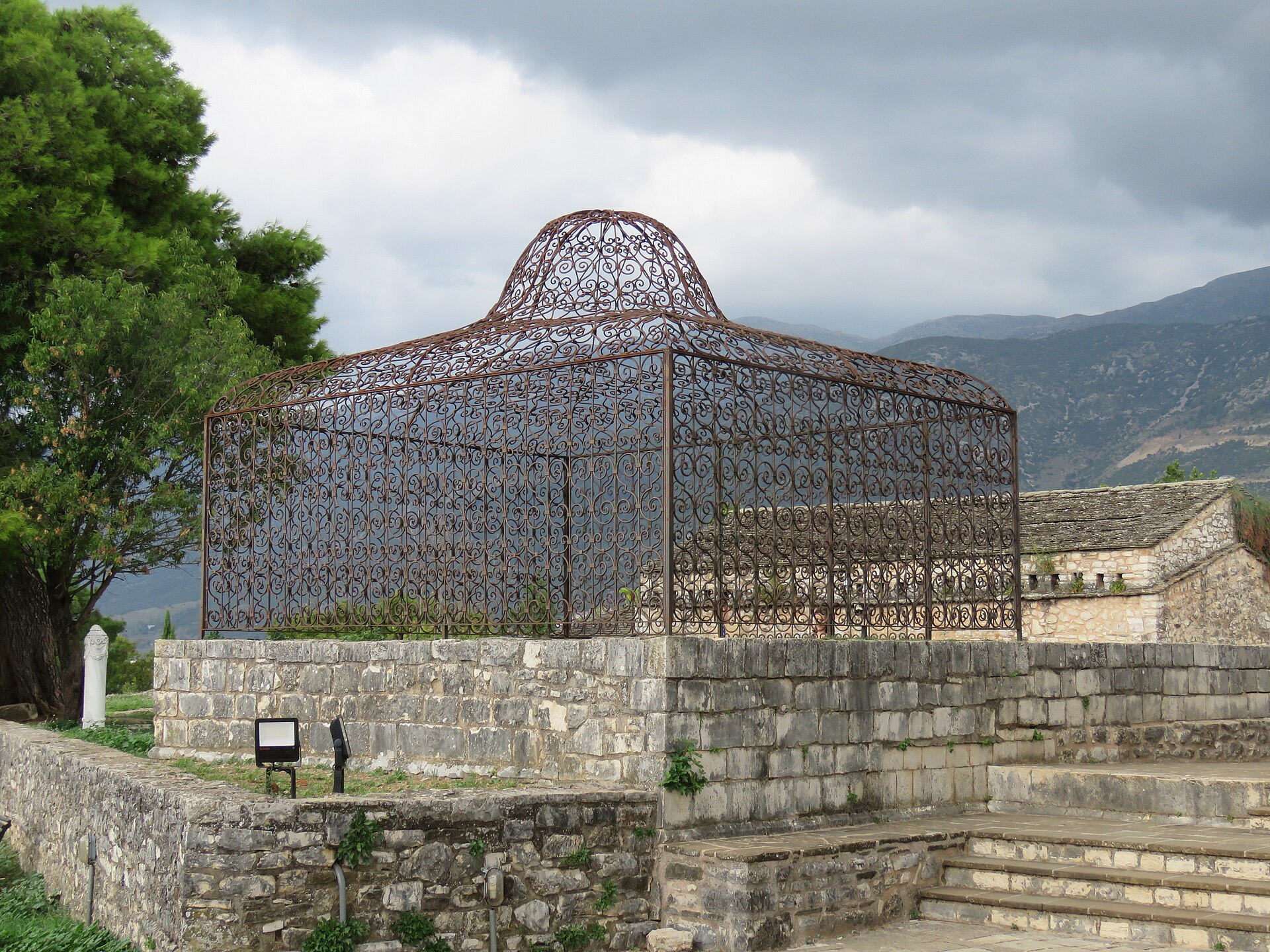
Ottoman rule began in 1430. The suppressed revolt of 1611 was followed by expulsion of Christians from the castle and the building of prominent Muslim monuments. Later, Ali Pasha’s government enlarged the city’s political and commercial reach and transformed its defenses and administrative spaces. The Fethiye Mosque and his tomb at Its Kale help locate this history, while markets, educational activity and craft explain why the city mattered beyond a ruler’s household.
Romaniote life and the rupture of 1944
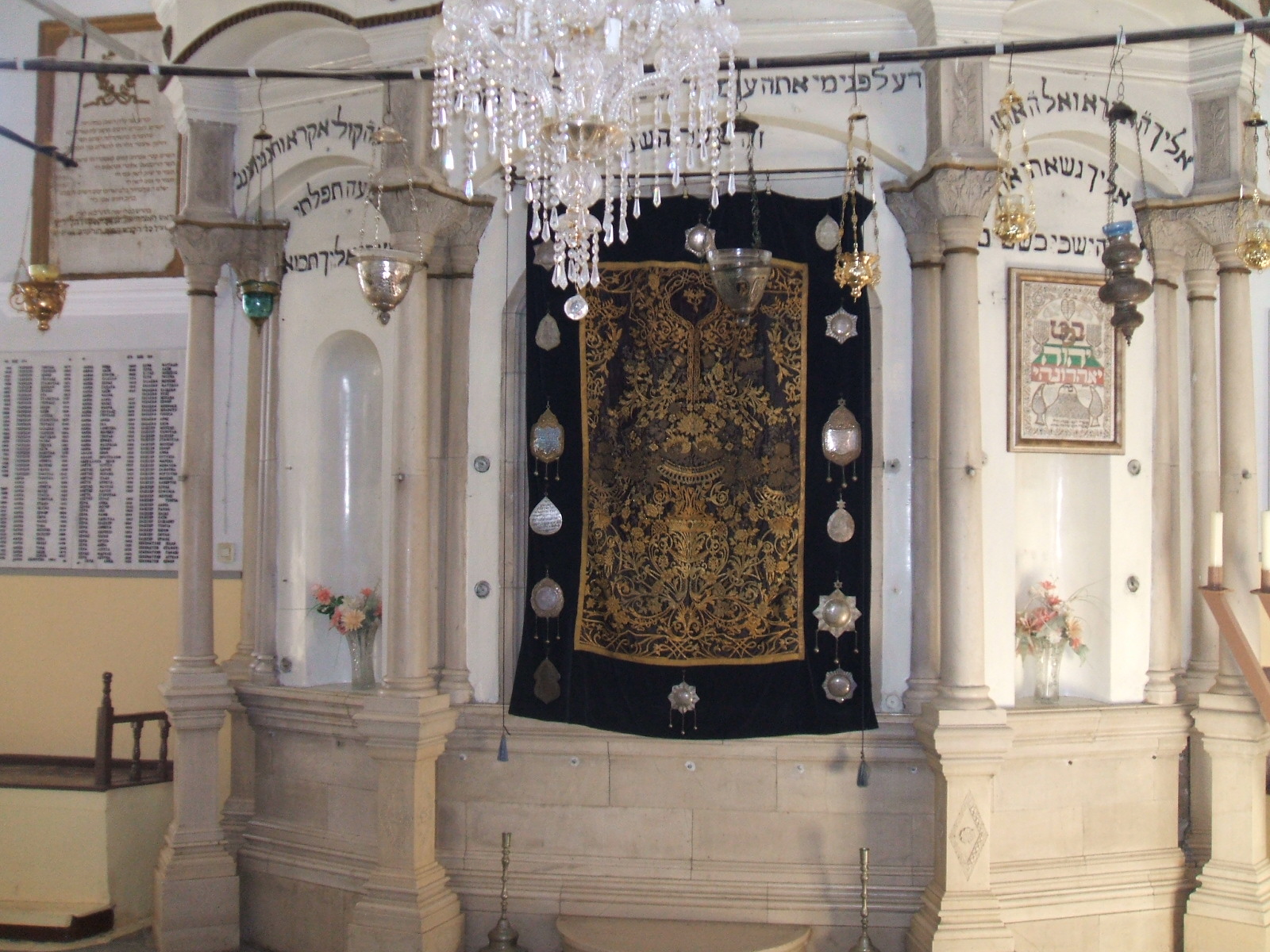
Ioannina’s Greek-speaking Romaniote Jewish community was woven into its commercial and neighborhood life, with homes inside and outside the walls. The Kahal Kadosh Yashan synagogue survives within the castle. On 25 March 1944 German occupying forces deported the community to Auschwitz-Birkenau, where most were murdered. The surviving synagogue and memorial landscape therefore carry histories of religious life, loss and remembrance; they should not be treated simply as picturesque additions to an Ottoman monument tour.
Museums that tell different histories
The Byzantine Museum at Its Kale interprets the region’s Christian and Byzantine material, while the Municipal Ethnographic Museum at the Aslan Pasha Mosque presents the city’s communities. PIOP’s Silversmithing Museum occupies a bastion and former service spaces at Its Kale. Its focus is production: techniques, tools and finished silverwork connect fine objects with labor, exchange and continuing craft. These collections complement one another and have separate operators and visiting arrangements.
Beyond the walls and across the water
The lakeside promenade and old commercial streets keep the relationship between water, work and settlement visible. The Archaeological Museum in the modern city provides a wider Epirote frame, distinct from the castle’s collections. The island’s monastic heritage and Ali Pasha associations can extend the story, but require a separate crossing and their own access checks. Allow the living town to remain part of the encounter rather than using it only as an approach to the fortifications.
Architecture
- Inhabited castle quarter between two citadels
- Surviving Byzantine towers within later defenses
- Fethiye Mosque and Ali Pasha tomb at Its Kale
- Aslan Pasha Mosque and associated Ottoman buildings
- Kahal Kadosh Yashan synagogue
- Military spaces adapted for museum interpretation
Timeline
- Medieval period The lake peninsula developed as a fortified urban center with surviving Byzantine elements.
- 1430 Ioannina surrendered to Ottoman authority.
- 1611 A failed revolt was followed by major changes to residence and religious buildings inside the castle.
- Late 18th–early 19th centuries Ali Pasha made Ioannina a powerful regional center and transformed its defenses.
- 1913 Ioannina entered the Greek state.
- 25 March 1944 The German occupation authorities deported the city’s Jewish community.
- 2016 The Silversmithing Museum opened at Its Kale.
Visiting today
The castle is a living quarter; museum access is separate from walking its streets. Check each collection and arrange synagogue visits with the community where required. Lake-island visits have separate transport and opening conditions; no service timetable is assumed here.
Historical contexts
- Late Byzantium
- Ottoman Period
- Rise of Modern Greece
Expeditions
- Expedition IV
Images
References
Related places
Topics
- Epirus
- Lake City
- Byzantine
- Ottoman
- Romaniote Heritage
- Silversmithing
- Museums
- Urban History