Highlights
- A town facing south
The waterfront gives Ierapetra its most immediate identity, but the town should not be reduced to the small fortress at the harbor.
- Recovering Hierapytna through objects
The archaeological collection preserves material from the Bronze Age through Roman and late-antique times.
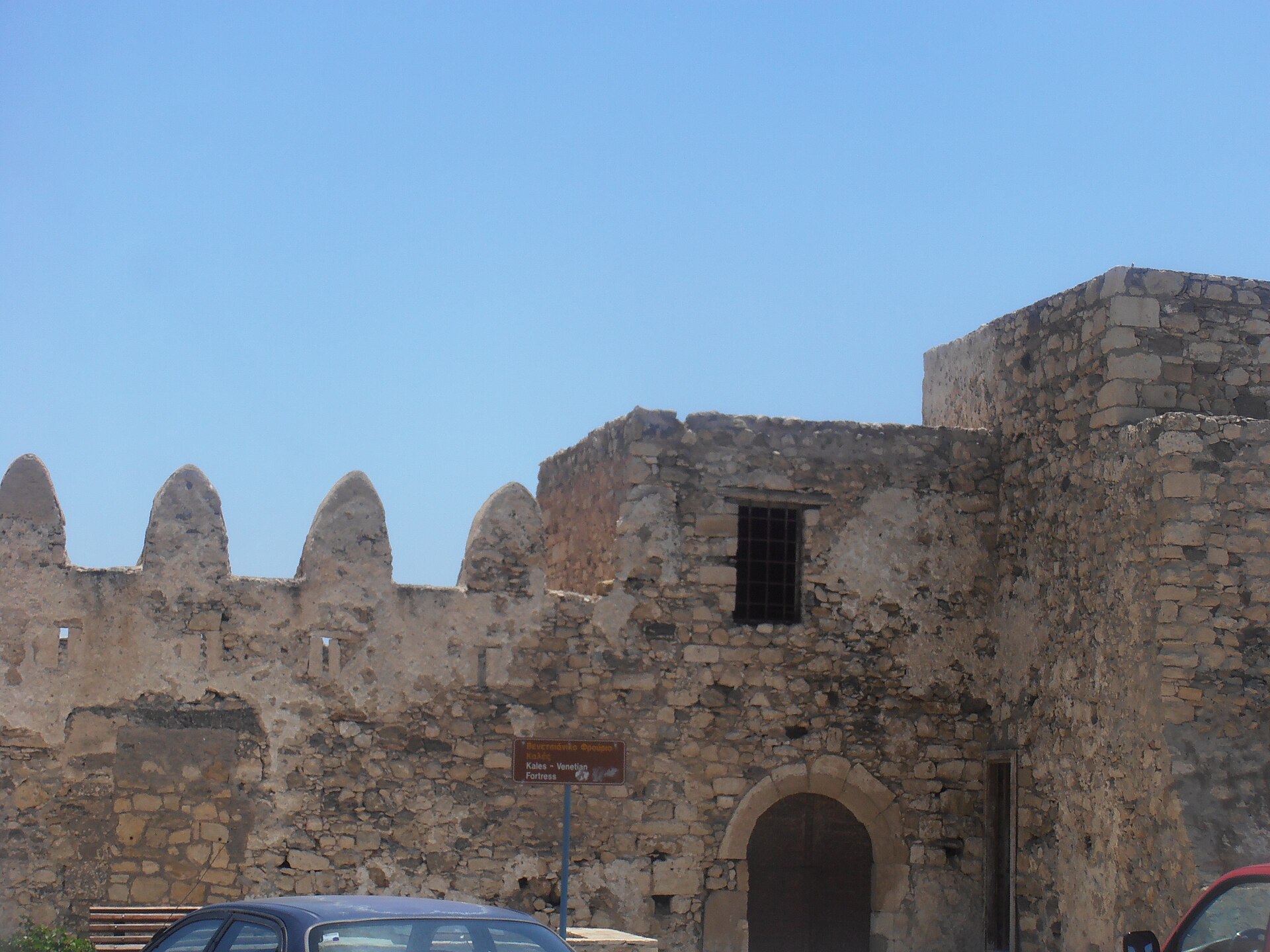
- Kales and the harbor entrance
Kales occupies the entrance to the town’s harbor.
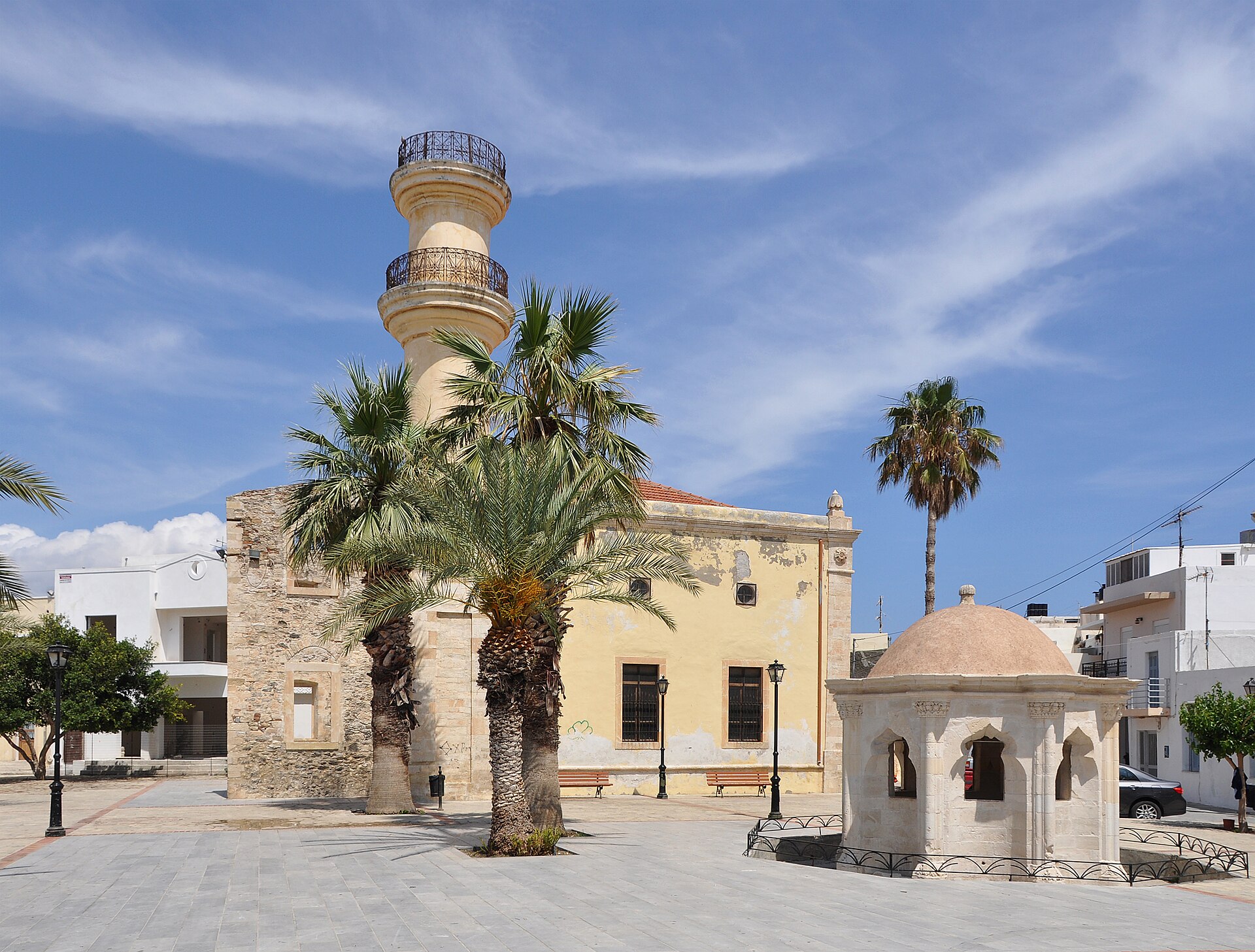
- Mosque, fountain and churches
The mosque and fountain in the older town preserve a visible Ottoman presence alongside Christian religious buildings.
Strategic role
A south-facing Cretan port whose harbor defenses, ancient remains and religious buildings preserve successive urban roles.
A town facing south
The waterfront gives Ierapetra its most immediate identity, but the town should not be reduced to the small fortress at the harbor. Its older streets, religious buildings and archaeological collection explain different communities and institutions connected with the port. The ancient name Hierapytna belongs to a city at the site of modern Ierapetra; finds also come from the surrounding district. The distinction matters because the museum represents a wider landscape, while much of the ancient urban fabric is not visible as a single continuous excavated city.
Recovering Hierapytna through objects
The archaeological collection preserves material from the Bronze Age through Roman and late-antique times. Sculpture, inscriptions, pottery and burial finds connect the ancient city with its hinterland. A treaty inscription from Hierapytna makes the city’s political relationships unusually tangible, while Roman statues indicate the importance of public and religious display. These are different forms of evidence from the later walls of Kales. Seen together, they restore an ancient dimension that a harbor walk alone cannot fully communicate.
Kales and the harbor entrance
Kales occupies the entrance to the town’s harbor. The municipality identifies a rectangular fortification dating to the Venetian period, with substantial later Ottoman repairs that changed its interior and exterior. The standing structure therefore incorporates more than one period of military use. Its scale is compact: compare the enclosing walls and entrance with the water immediately outside. The position explains protection of the port, while the repeated repairs show a structure maintained for changing needs rather than one frozen at foundation.
Mosque, fountain and churches
The mosque and fountain in the older town preserve a visible Ottoman presence alongside Christian religious buildings. They make the urban story broader than a sequence of military conquests. A place of worship, a public water point and a church each organized everyday movement and communal life in different ways. Current use and access should be checked separately: looking at an exterior does not imply an open interior. The older streets connect these landmarks with the harbor and the inhabited town.
An Ottoman school becomes a museum
The collection is housed in an Ottoman school building erected in 1899. That change of use links the preservation of antiquities to another period in the town’s history: a former educational institution now presents the material remains of much earlier communities. The building and its contents therefore tell complementary stories. Rather than treating the museum as a list of treasures, look for the contrast between inscriptions, sculpture and objects from tombs, which illuminate civic authority, public representation and domestic or funerary practice.
Planning a town visit
Combine the waterfront and Kales exterior with the older quarters and the archaeological collection, checking each managed site independently. This gives a fuller picture than treating the town as a fortress stop. As checked on 22 November 2026, Hellenic Heritage has announced that Kales will be closed from 25 to 27 November 2026. This is a bounded future closure, not a statement that the site is indefinitely closed. Confirm later arrangements with the archaeological service; museum opening and access to religious buildings follow separate schedules.
Architecture
- Compact rectangular fortress at the harbor entrance
- Ottoman-period repairs to inherited military fabric
- Mosque and public fountain within the older town
- Former Ottoman school reused for an archaeological collection
Timeline
- Antiquity Hierapytna developed at the site of modern Ierapetra; objects and inscriptions preserve its wider connections.
- Venetian period A rectangular harbor fortress formed part of the port’s defenses.
- Ottoman period Repairs altered Kales, while mosque and other urban buildings added new institutions to the town.
- 1899 The Ottoman school now housing the archaeological collection was constructed.
Visiting today
Combine the waterfront and Kales exterior with the older quarters and the archaeological collection, checking each managed site independently. This gives a fuller picture than treating the town as a fortress stop. As checked on 22 November 2026, Hellenic Heritage has announced that Kales will be closed from 25 to 27 November 2026. This is a bounded future closure, not a statement that the site is indefinitely closed. Confirm later arrangements with the archaeological service; museum opening and access to religious buildings follow separate schedules.
Historical contexts
- Venetian Maritime Empire
- Ottoman Period
- Rise of Modern Greece
- Harbor Defense and Sea-Lane Control
Expeditions
- Expedition I
Images
References
Related places
Topics
- Ierapetra
- Historical Landscape
- Material Culture
- Visitor Context