Overview
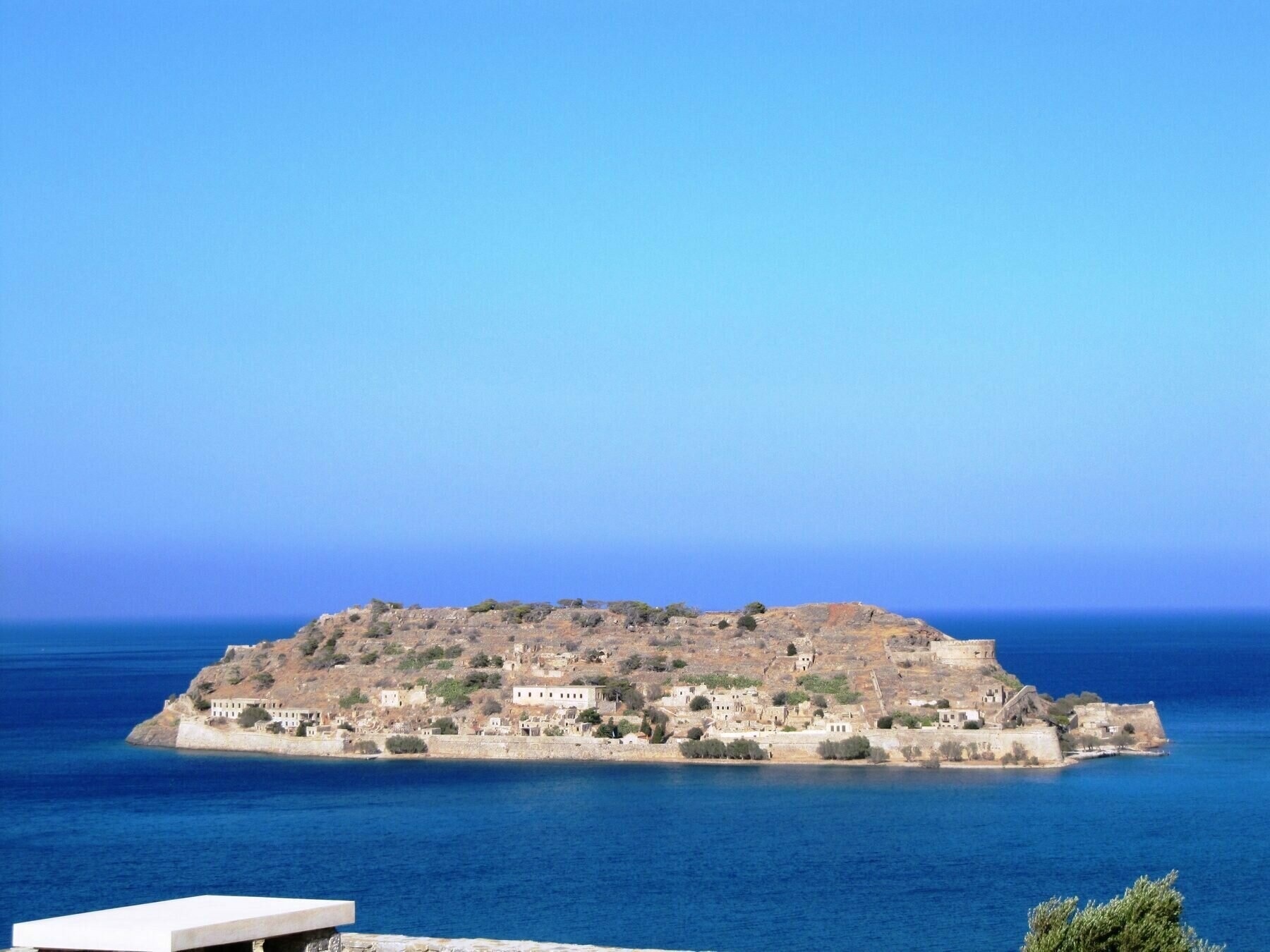
Spinalonga occupies a small rocky island at the entrance to the Gulf of Mirabello, facing the sheltered waters of Elounda and the ancient harbor of Olous. The Venetians fortified it as a maritime stronghold for eastern Crete, and it remained in Venetian hands even after much of the island fell to the Ottomans. Under Ottoman rule it became a fortified settlement, and in the twentieth century it was transformed into Greece's last leper colony. Few places in the Castles of Greece project show such a powerful sequence of changing identities within the same walls.
Highlights
- Venetian fortress
- Island walls and sea batteries
- Ottoman settlement
- Leper colony remains
- Views over the Gulf of Mirabello
- Boat approach from Plaka or Elounda
- Circuit walk around the island
Fortifications and archaeological sites
Venetian Fortress
island fortress
Venetian, late 16th century
A compact but formidable artillery fortress guarding the entrance to the Gulf of Mirabello and the sheltered waters of Elounda.
Ottoman Settlement
fortified village
Ottoman, 18th–19th centuries
A civilian settlement that developed within the walls after the Ottoman occupation of eastern Crete.
Leper Colony
historic settlement
1903–1957
Greece's national leper colony and one of the last active leper colonies in Europe.
Overview
Spinalonga is a fortified island whose history is unusually layered. It began as a Venetian sea fortress, became an Ottoman settlement, and later served as Greece's national leper colony. The same walls that once defended a maritime frontier later enclosed a village and then a community of isolation, making Spinalonga one of the most powerful historical landscapes in Crete.
Strategic Setting
Spinalonga occupies a commanding position at the entrance to the Gulf of Mirabello, controlling access to the sheltered waters of ancient Olous, near modern Elounda. From this position the fortress could oversee maritime traffic, protect the natural harbor and support Venetian control of eastern Crete. Its isolated yet accessible location later made it equally suitable for an Ottoman settlement and, centuries afterward, for Greece's national leper colony.
Name and Geography
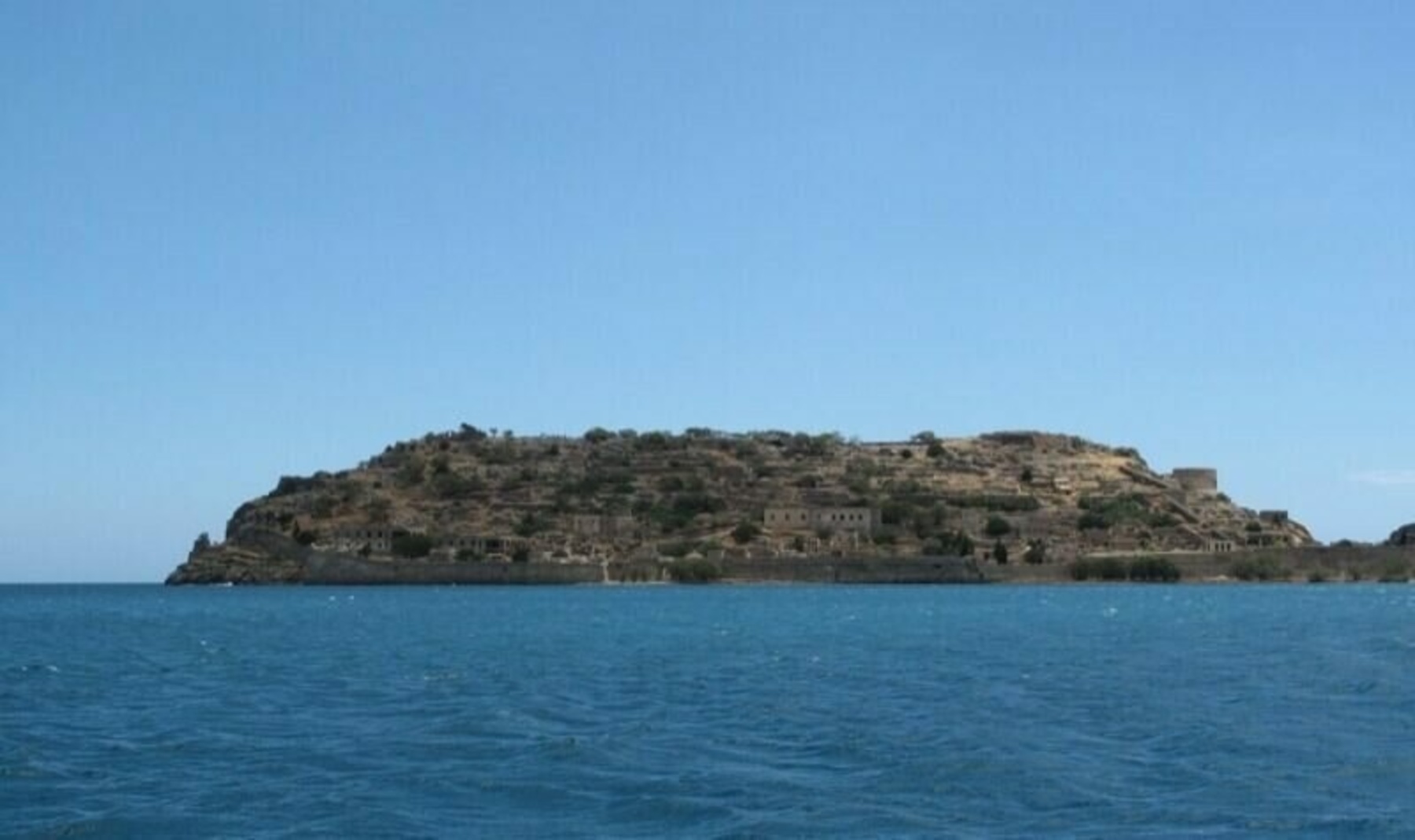
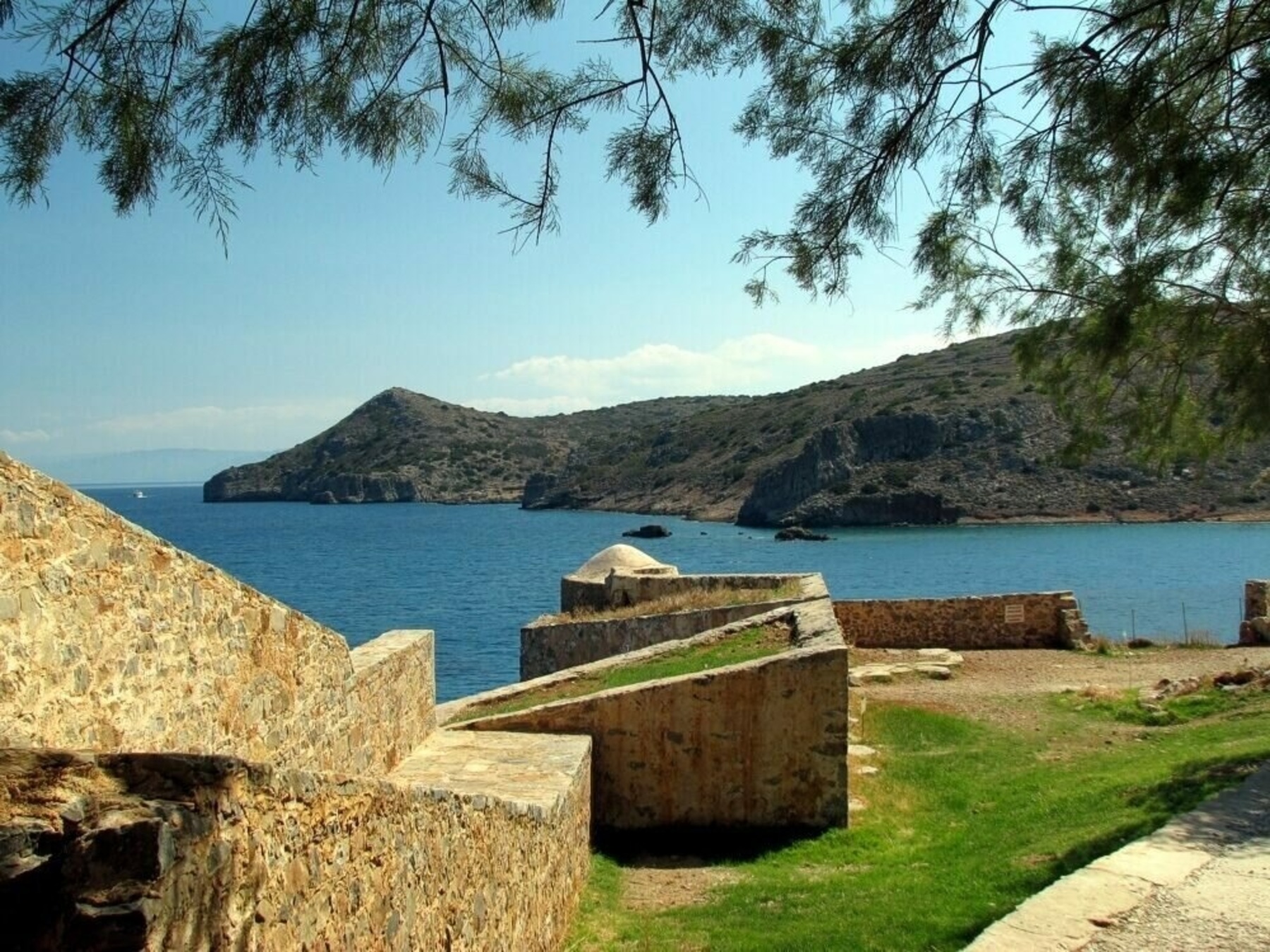
The Venetian fortress occupies the small island universally known today as Spinalonga, strategically positioned at the northern entrance to the Gulf of Mirabello and the sheltered waters of ancient Olous. Just to the southeast lies the much larger island of Kalydon, separated from Spinalonga by a narrow channel. Although many modern visitors refer to the entire area simply as 'Spinalonga', the two islands are geographically distinct. The fortress, Ottoman settlement and later leper colony all occupied the smaller island of Spinalonga, while Kalydon remained a separate island throughout their history. The name 'Spinalonga' itself dates from the Venetian period and has become firmly associated with the fortified islet.
The Venetian Fortress
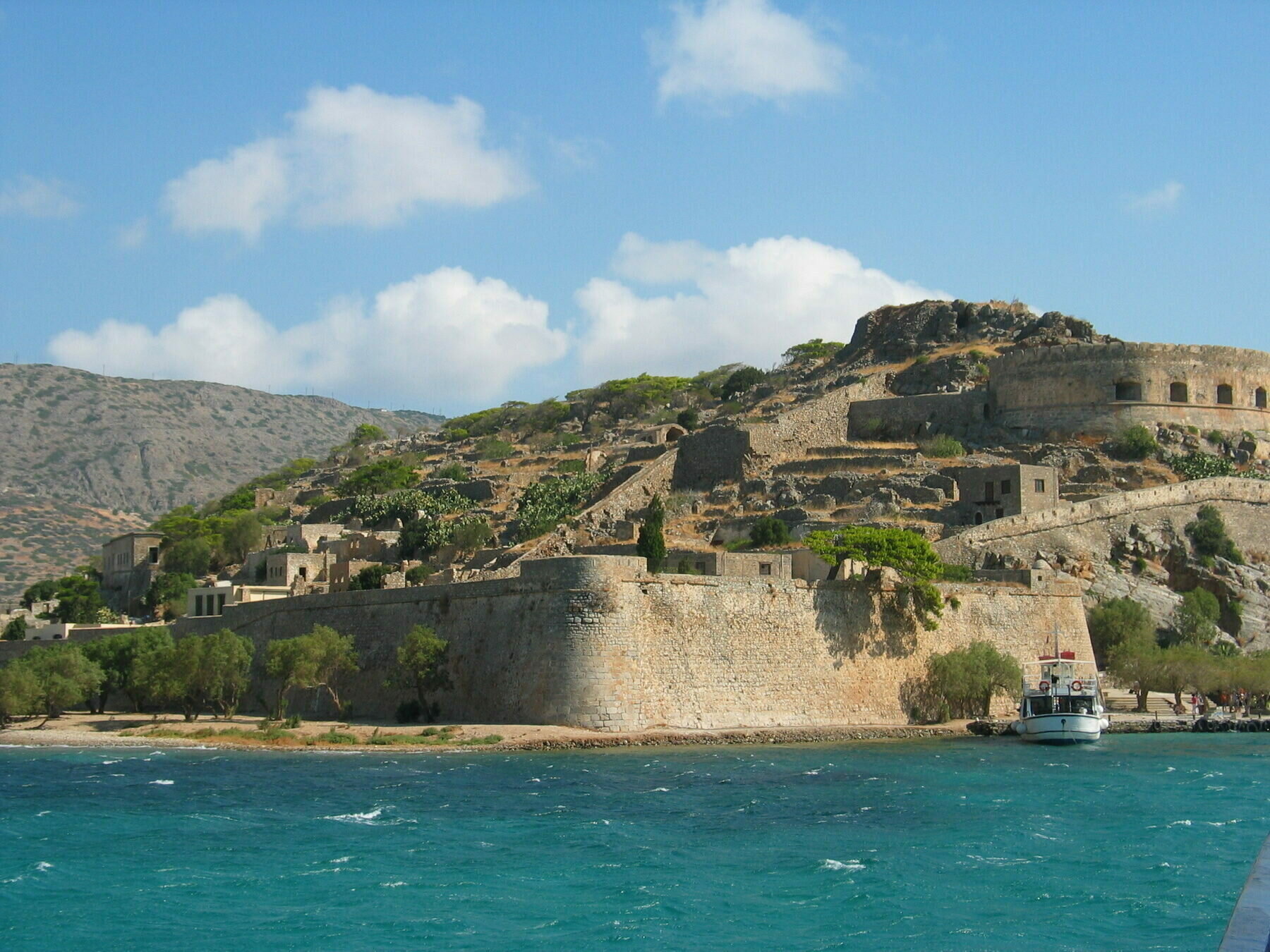
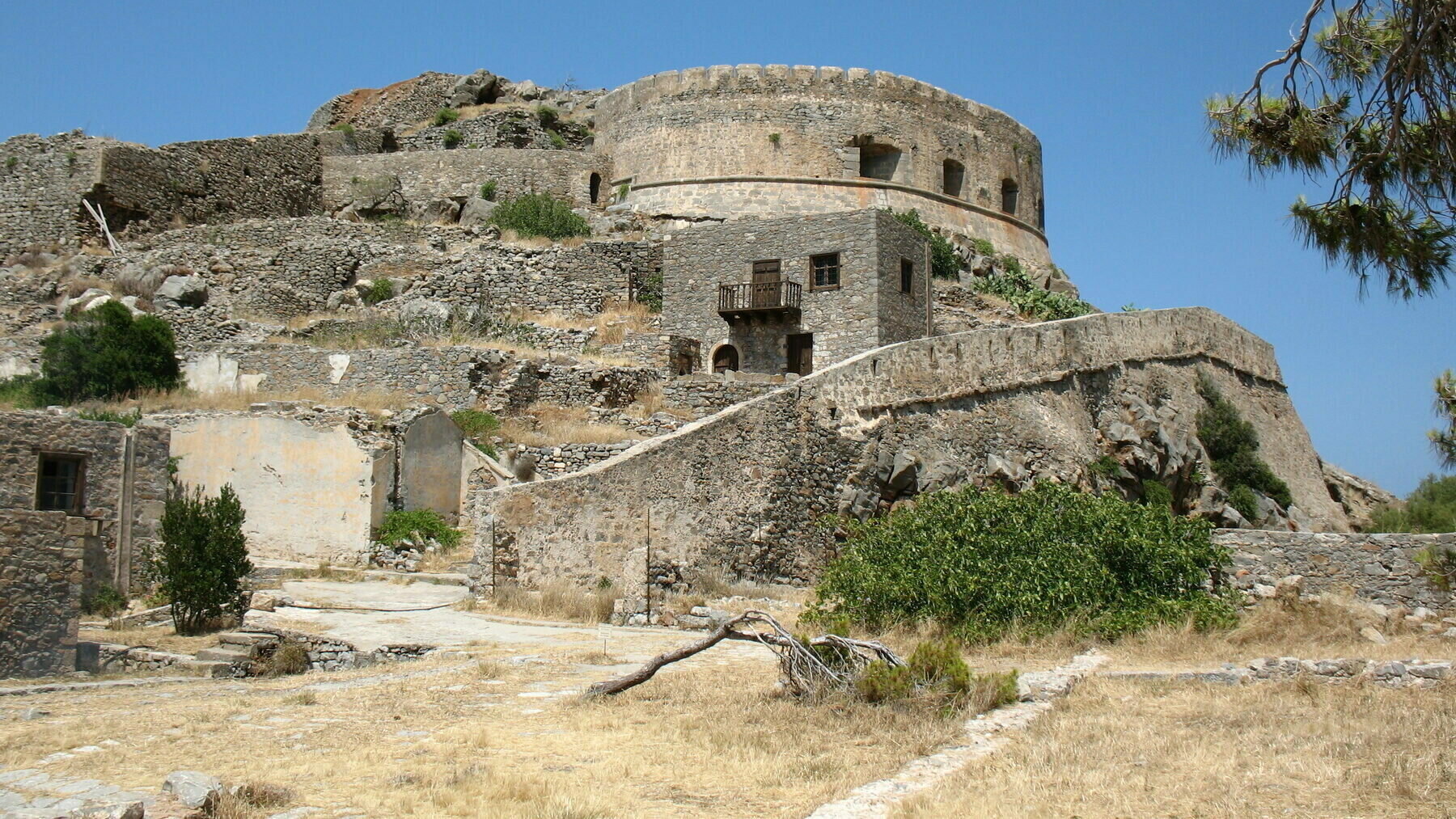
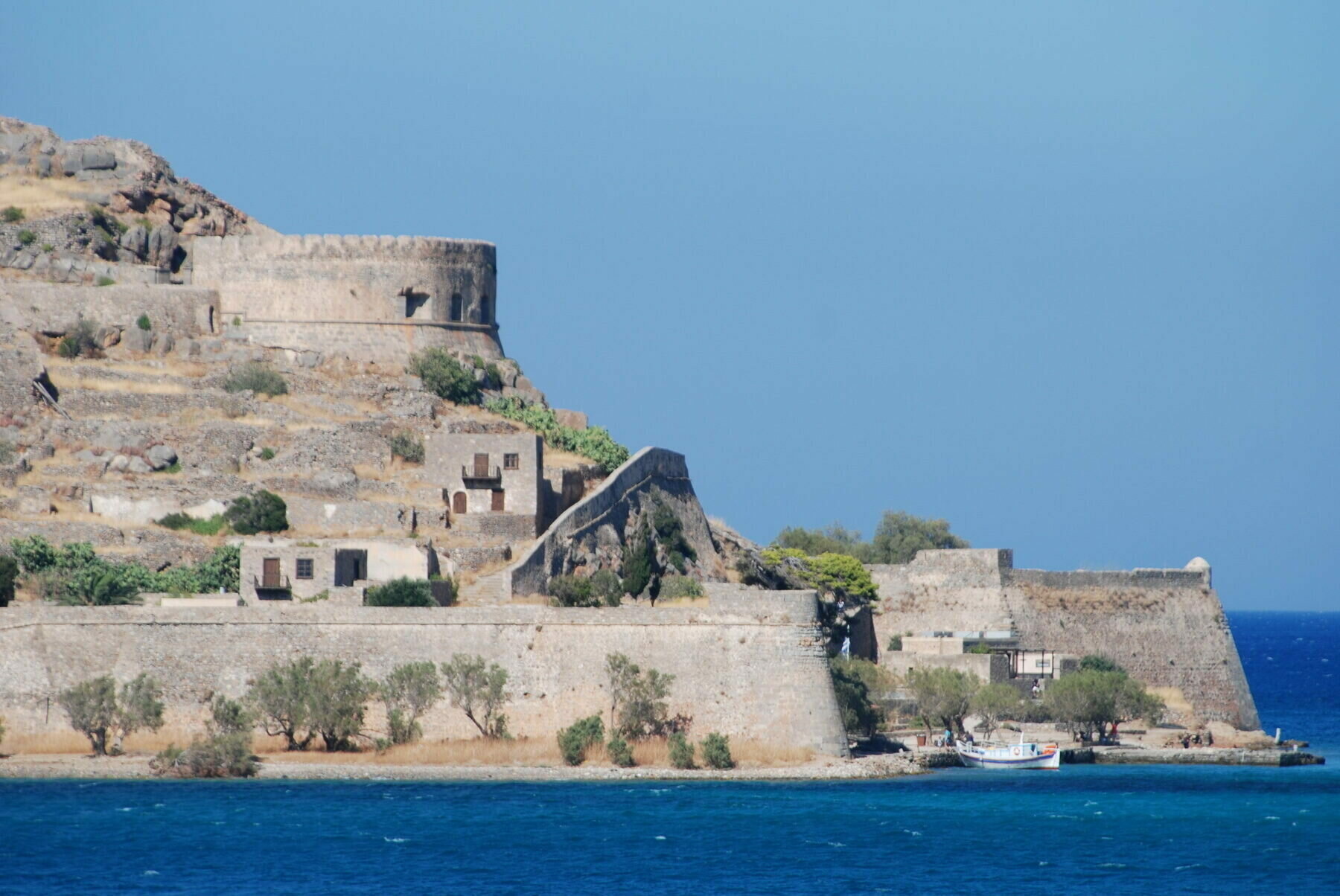
Venice began fortifying Spinalonga in the late sixteenth century as part of the wider defense of Crete. The island's walls, bastions and batteries were designed for artillery warfare and maritime control. Unlike an inland castle, Spinalonga functioned as a sea fortress: its purpose was to command water, protect anchorages and deny an enemy fleet easy access to the Gulf of Mirabello.
Ottoman Spinalonga
After the island passed to Ottoman control in 1715, Spinalonga gradually became a civilian settlement inside the former Venetian walls. Houses, shops, religious buildings and narrow streets gave the fortress a new life as a fortified village. This Ottoman phase is essential to understanding Spinalonga as more than a military ruin.
The Leper Colony
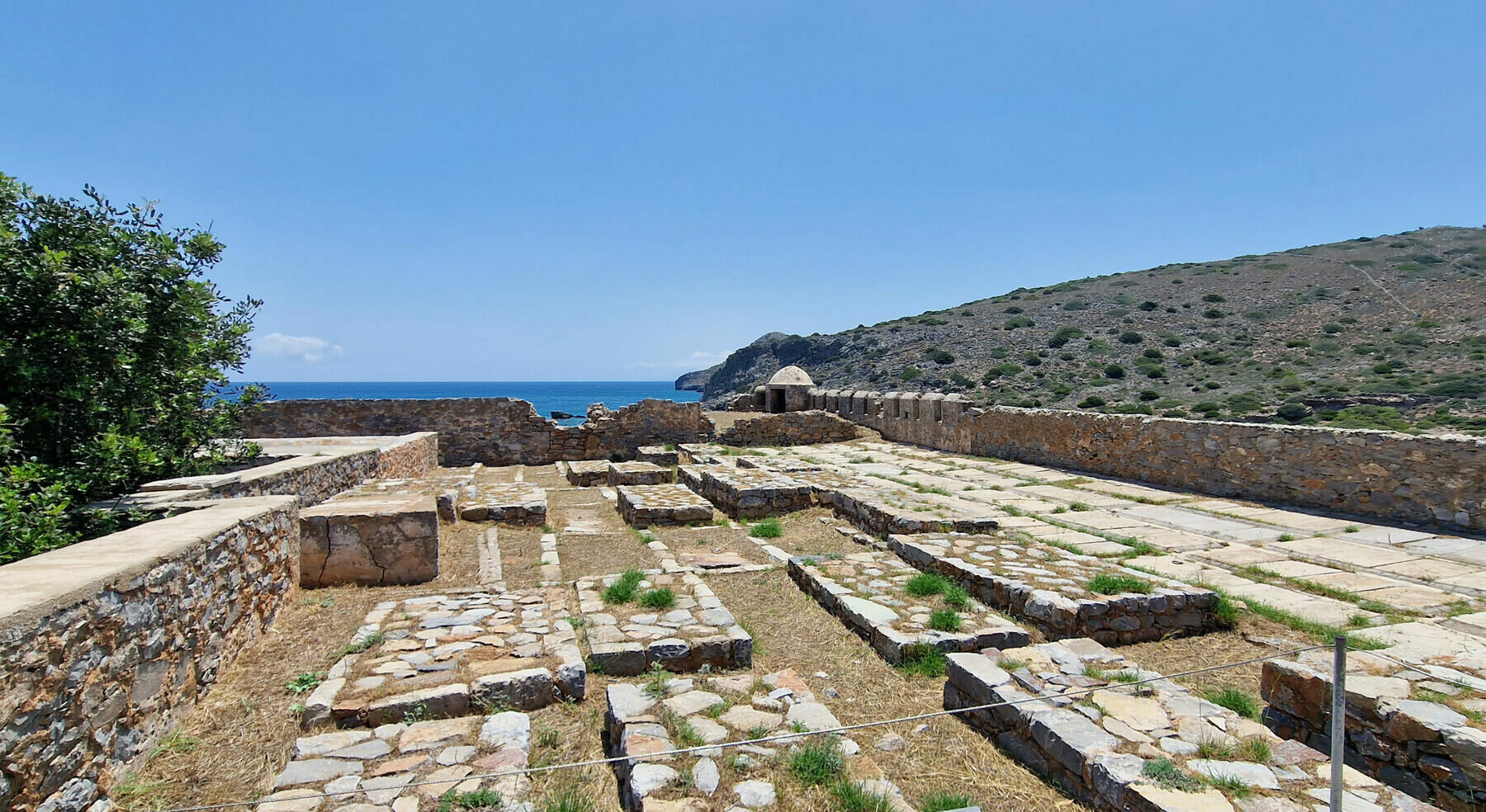
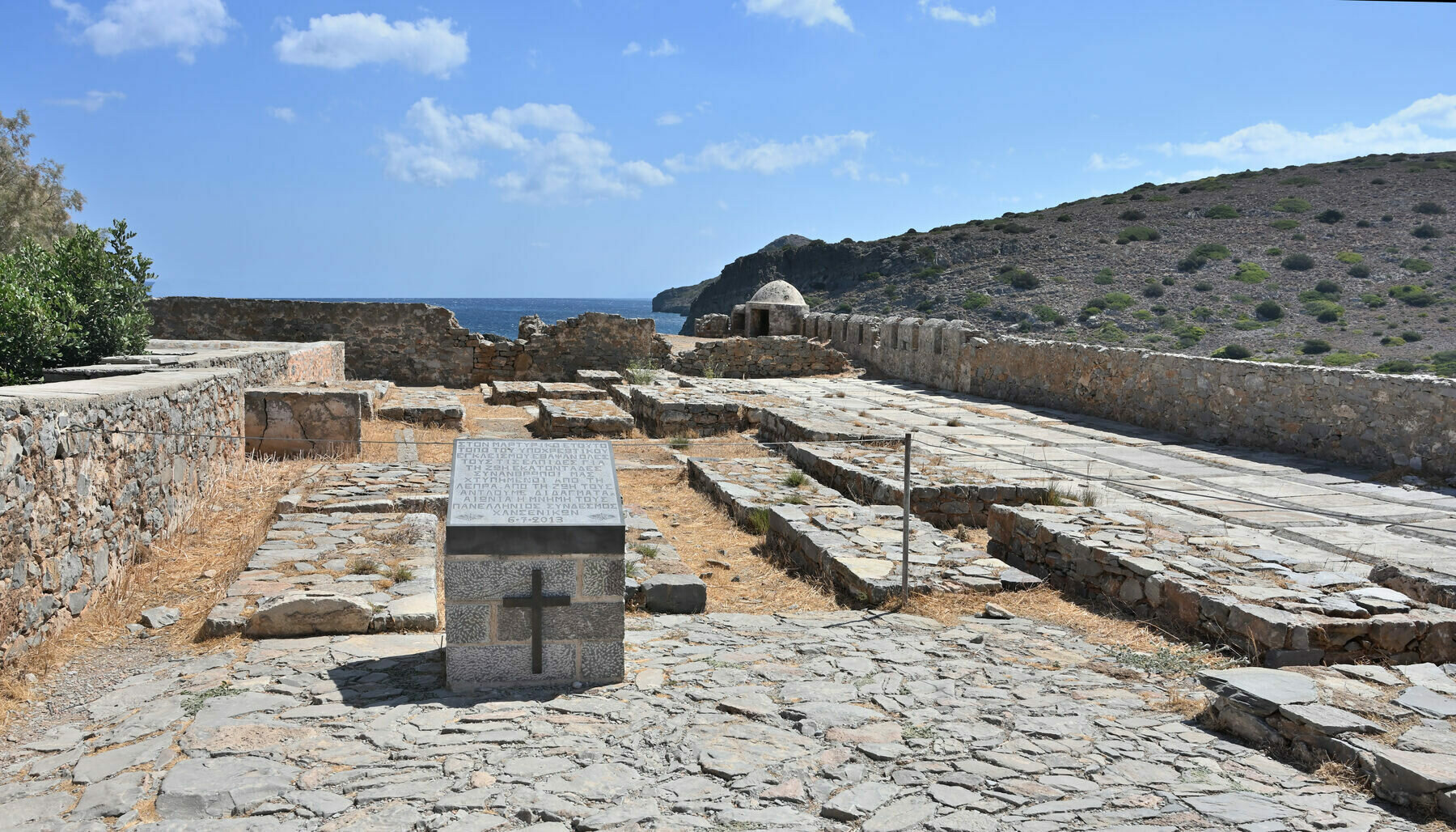
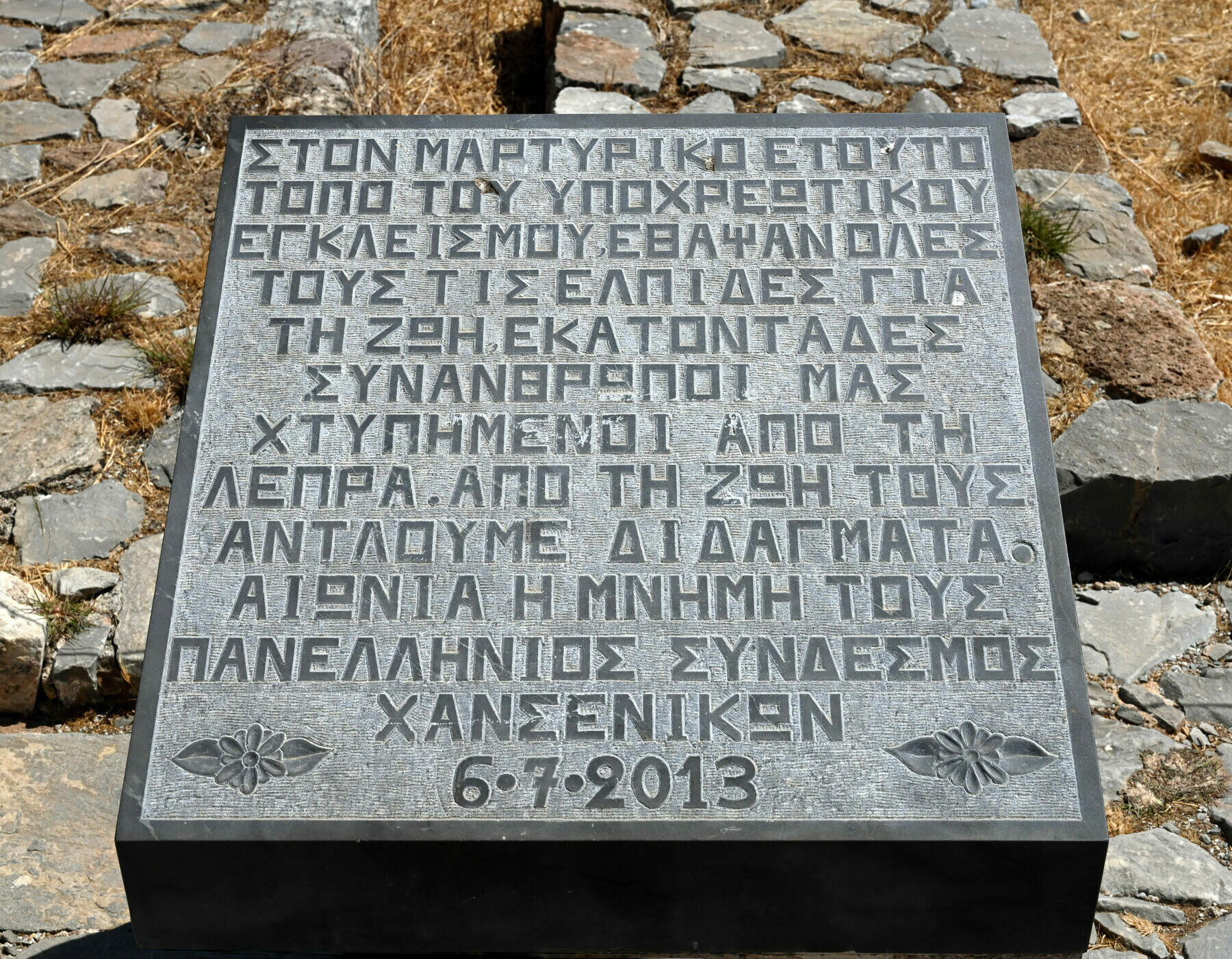
In 1903 Spinalonga was designated as Greece's national leper colony. The isolation of the island, once useful for military defense, was repurposed for public health segregation. The community remained active until 1957, preserving one of the most poignant chapters in modern Greek social history. Today the remains of houses, hospital structures, streets and cemetery spaces recall the lives of those who lived there.
Military Architecture
Spinalonga's fortifications reflect the compact power of an island artillery fortress. The walls follow the contours of the rocky islet, while bastions and batteries command the surrounding sea channels. The fortress was not designed to dominate a city from above, but to control movement through water and protect a strategic harbor landscape.
Visiting the Island Today
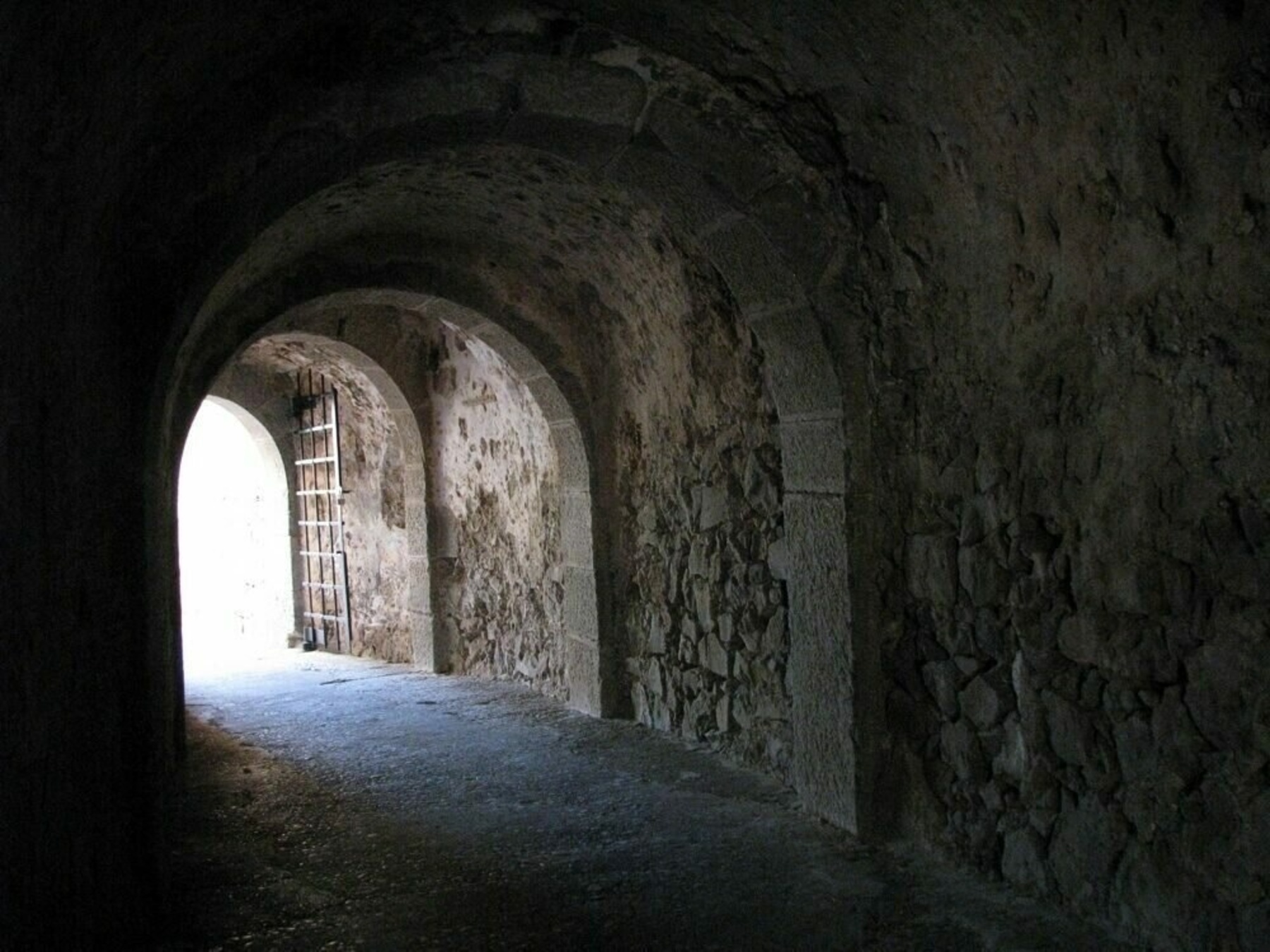
Visitors usually reach Spinalonga by boat from Plaka, Elounda or Agios Nikolaos. The circuit through the island passes through fortress gates, settlement streets, batteries, ruined houses and viewpoints over the Gulf of Mirabello. The site is best understood by walking the full circuit and reading the island as a sequence of Venetian, Ottoman and modern Greek layers.
Why it Matters for Expedition I
Spinalonga marks the eastern end of the Cretan fortified sequence in Expedition I. After Chania, Rethymno and Irakleion, it shifts the scale from fortified cities to a compact island fortress. It also expands the expedition's narrative beyond military history, showing how fortified places could be reused as settlements, places of exile and sites of modern memory.
Architecture
- Island fortress
- Bastioned artillery defenses
- Sea walls
- Harbor batteries
- Fortified settlement
- Ottoman domestic architecture
- Modern institutional reuse
Timeline
- Antiquity The wider area around Elounda and ancient Olous forms a sheltered maritime landscape on the Gulf of Mirabello.
- Venetian period The small island at the entrance to the gulf is recognized as a strategic point for controlling access to the natural harbor.
- 1579 Venice begins construction of the fortress of Spinalonga as part of its defensive system in eastern Crete.
- Late 16th century The island is transformed into an artillery fortress with sea walls, bastions and batteries commanding the surrounding waters.
- 1645–1669 During the Cretan War, Spinalonga remains an important Venetian stronghold even as Ottoman forces conquer much of Crete.
- 1715 Spinalonga is surrendered to the Ottoman Empire, ending its role as one of the last Venetian possessions on Crete.
- 18th–19th centuries An Ottoman civilian settlement develops within the walls, adapting the former military fortress into a lived community.
- 1898 Crete becomes autonomous, altering the political status of the island and its remaining Ottoman communities.
- 1903 Spinalonga is designated as Greece's national leper colony.
- 1957 The leper colony closes, ending the island's final inhabited phase.
- Present Spinalonga is preserved as a major archaeological and historical site and is one of Crete's most visited monuments.
Expedition guides
Images
References
Related places
Related Stops
Topics
- Fortified Island
- Venetian
- Ottoman
- Crete
- Harbor Defense
- Island Fortress
- Gulf Of Mirabello
- Leper Colony
- Sea Lane Control