Overview
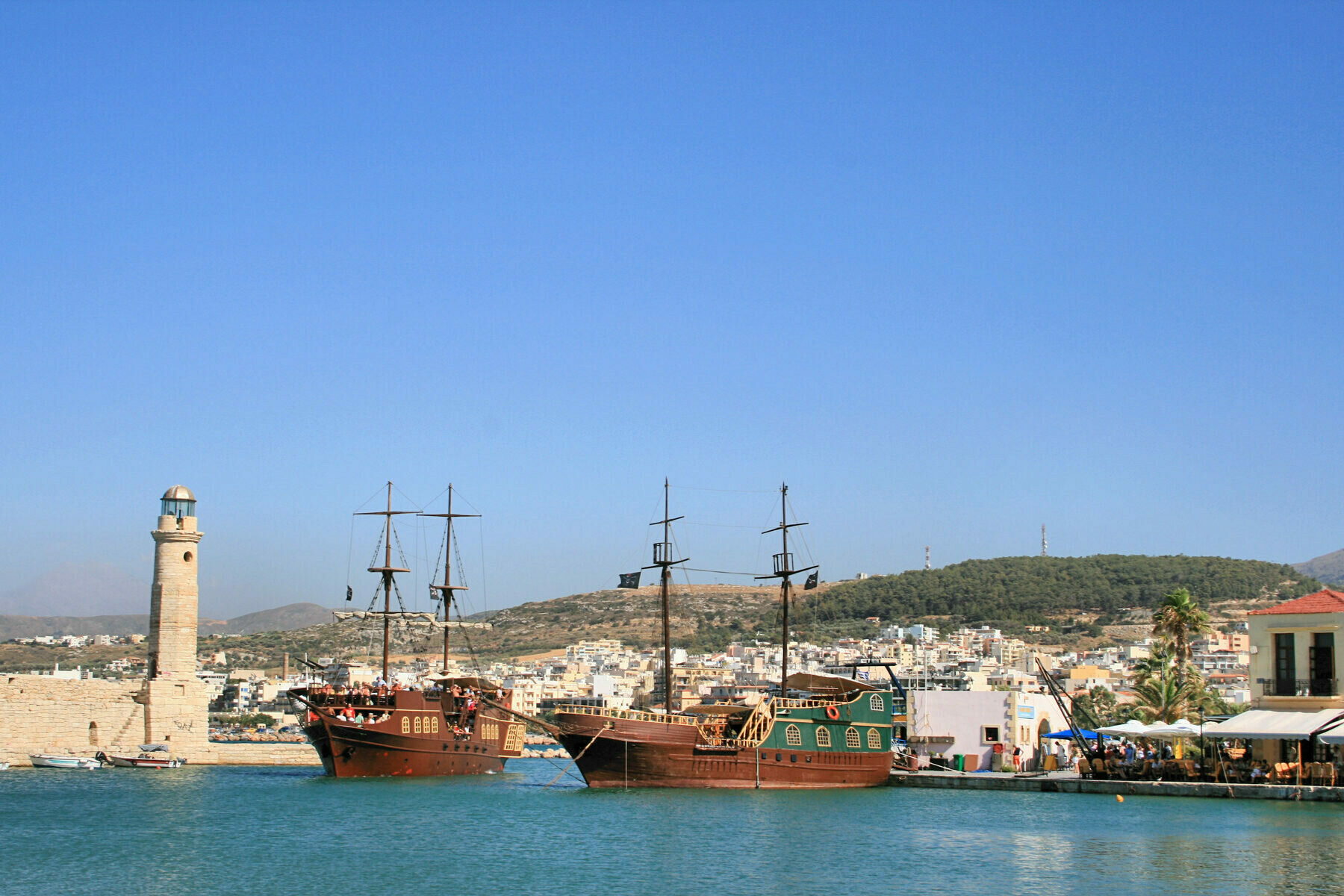
Rethymno is not simply the site of a fortress; it is a fortified Renaissance city whose defenses, harbor and urban fabric developed together under Venetian rule. The Fortezza rises above the old town on Paleokastro hill, while the Venetian harbor and dense historic quarter preserve the maritime and administrative setting that gave the fortress its purpose. Later Ottoman adaptation added another layer to the city without erasing its Venetian structure, making Rethymno one of the most complete fortified urban landscapes of Expedition I.
Highlights
- The Fortezza
- Venetian harbor
- Renaissance old town
- Ottoman monuments
- Sea views from the fortress
- Rimondi Fountain
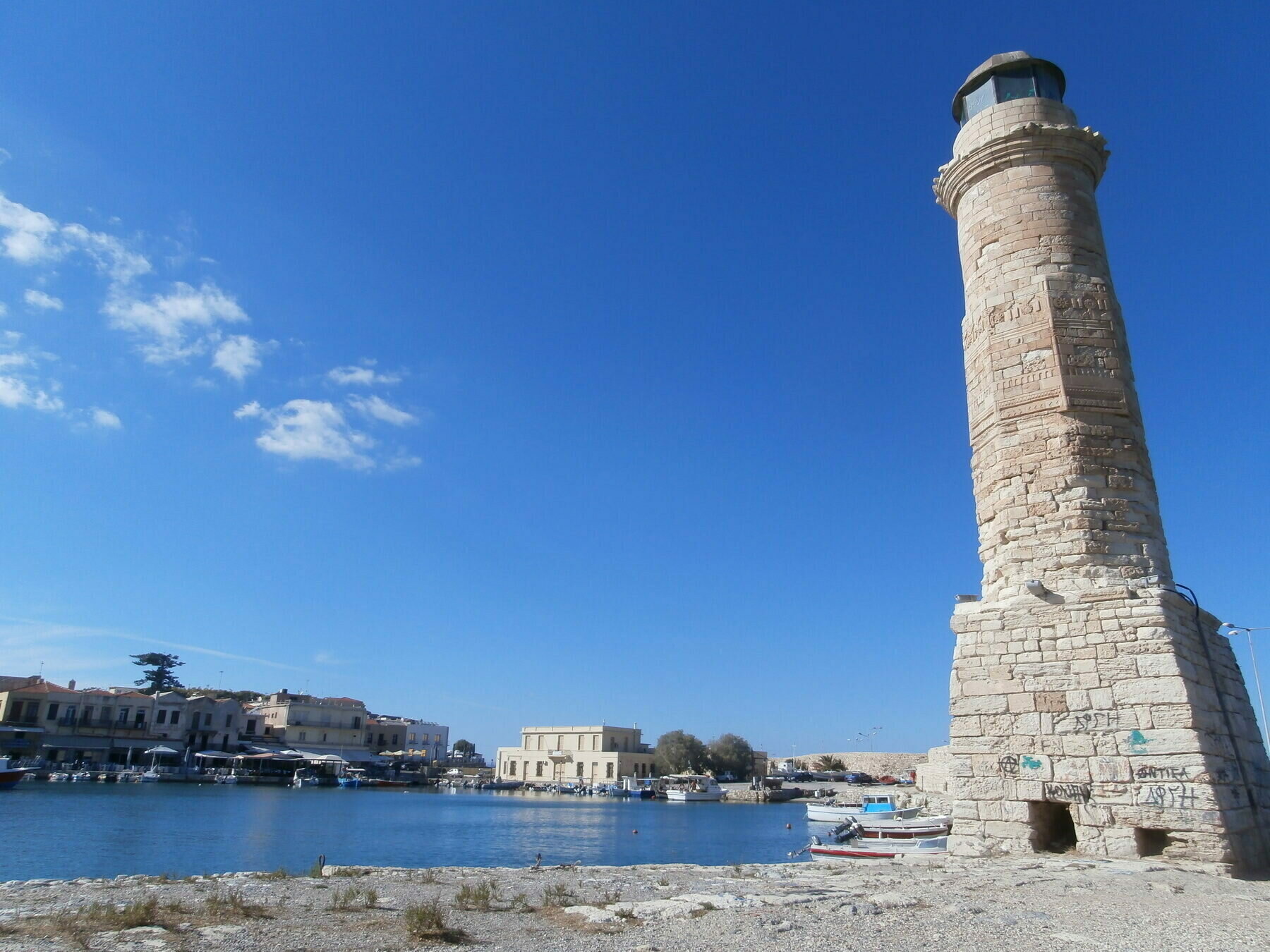
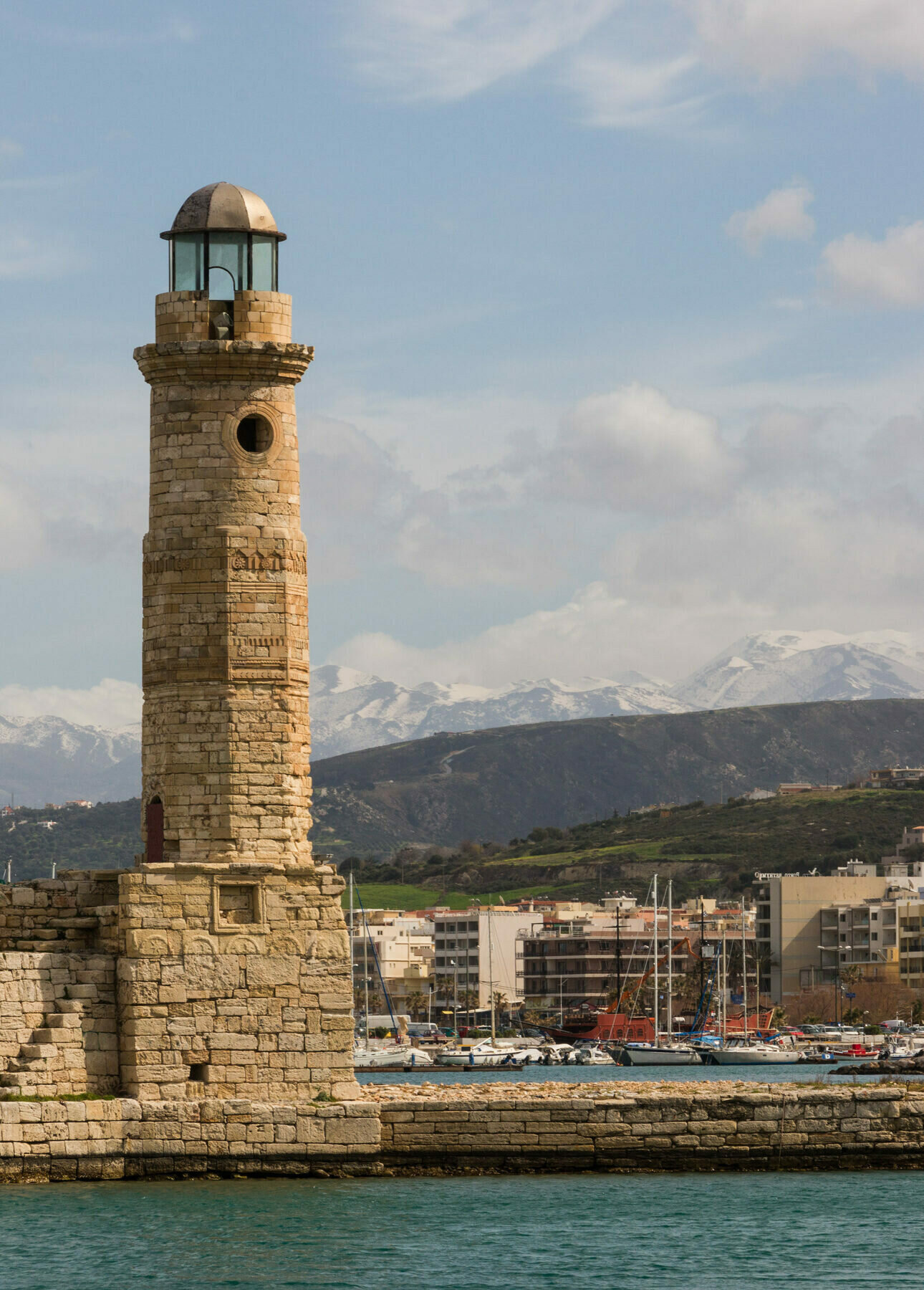
- Historic harbor lighthouse
Fortifications and archaeological sites
Fortezza
bastioned fortress
Venetian, late 16th century
The great Venetian fortress on Paleokastro hill, built after the Ottoman raid of 1571 to protect Rethymno and dominate the surrounding coast.
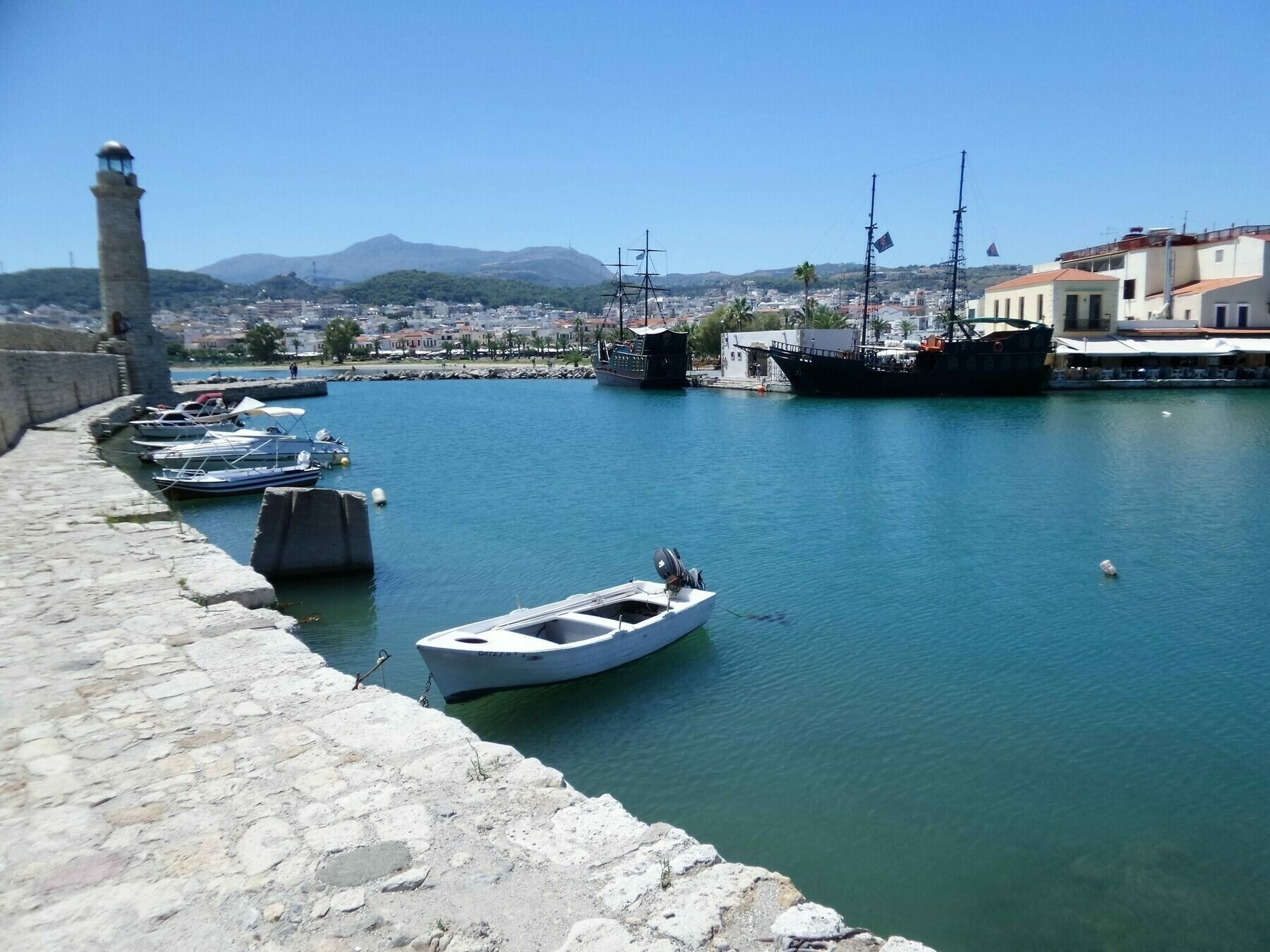
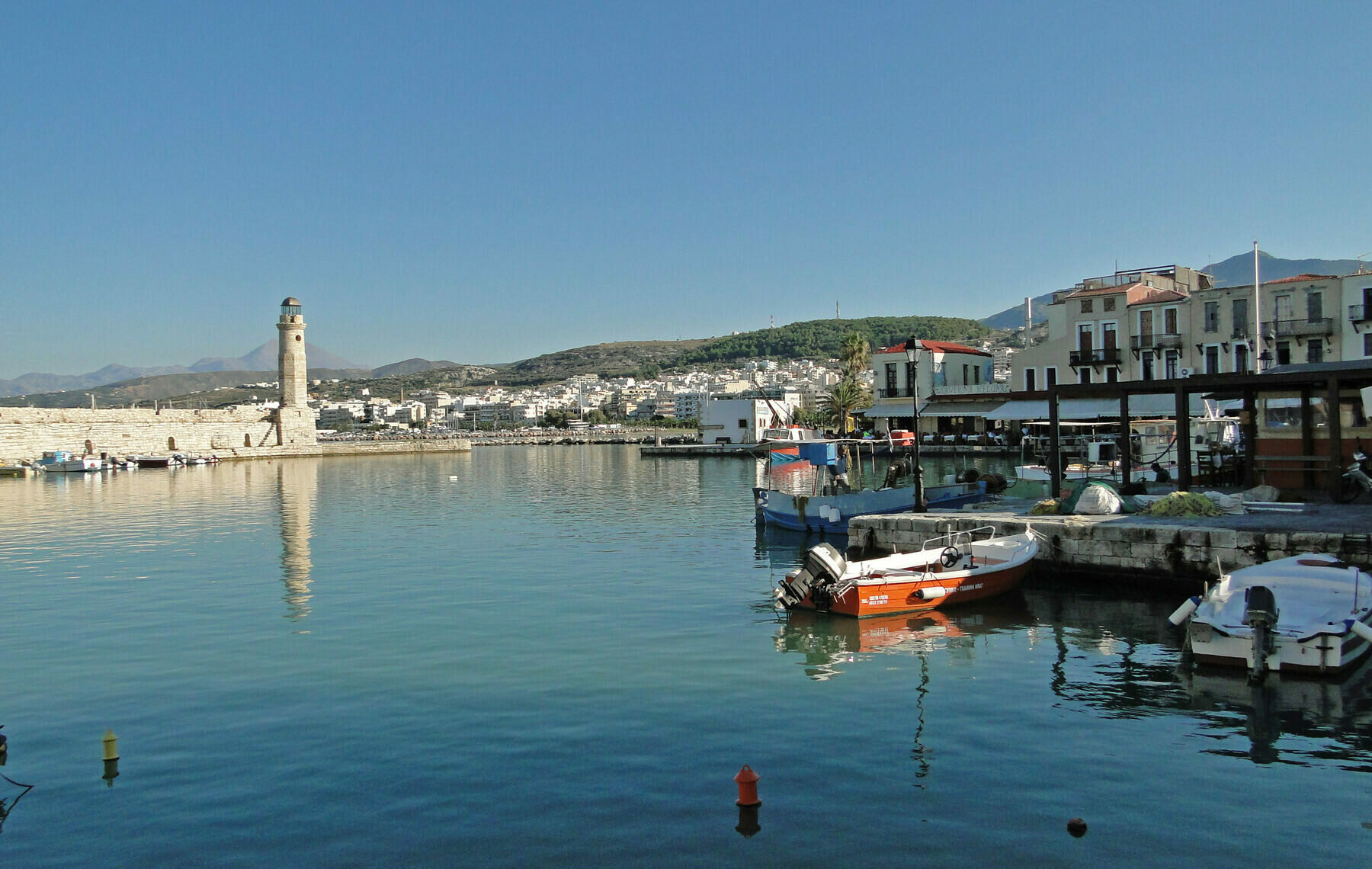
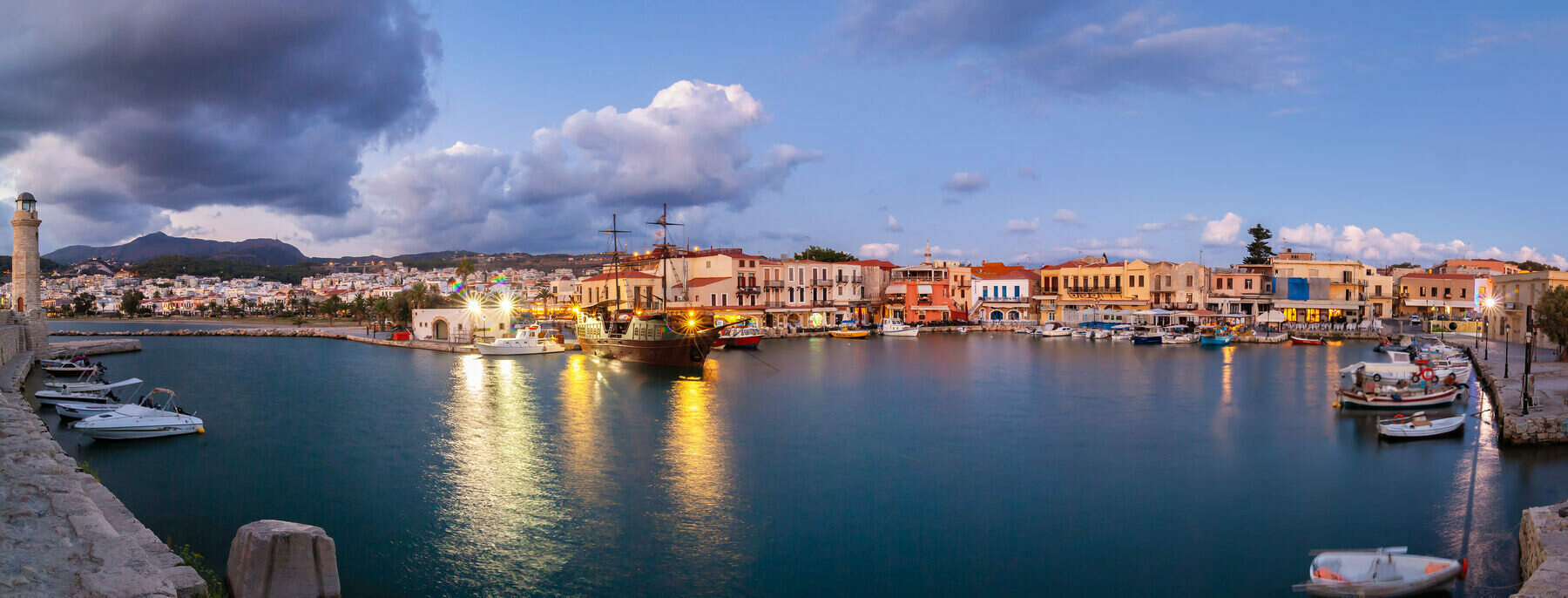
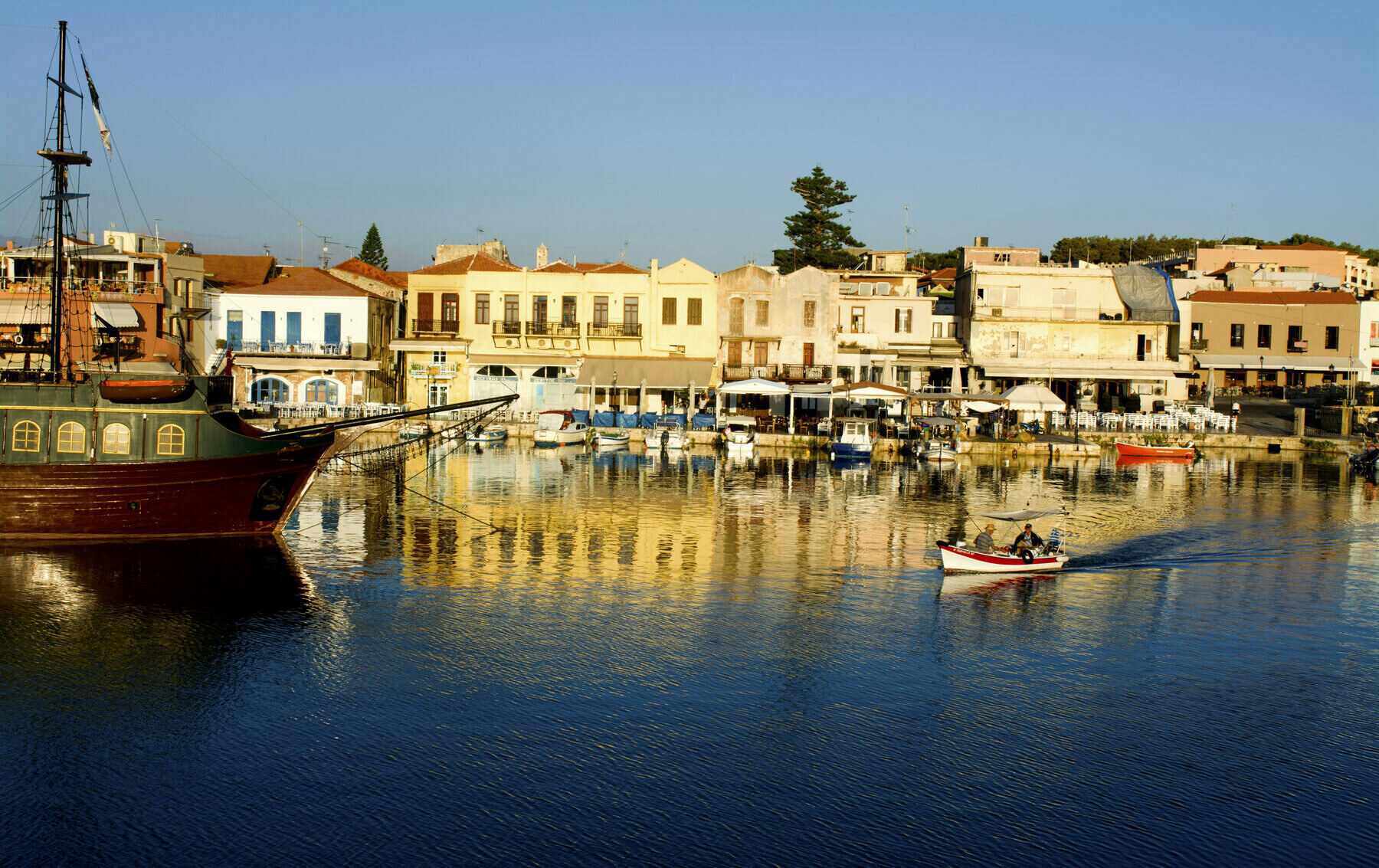
Venetian Harbor
historic harbor
Venetian and later Ottoman
The small historic harbor that served Rethymno's maritime trade and still frames the old town's seaward identity.
Old Town
historic urban quarter
Venetian and Ottoman
A dense historic townscape of Venetian houses, civic buildings, churches, mosques, fountains and narrow streets below the Fortezza.
Overview
Rethymno is one of the clearest examples in Greece of a fortified Renaissance city. Its story is centered on the Fortezza, but the fortress cannot be understood apart from the old town, harbor and Venetian administrative landscape below it. Together they preserve the relationship between maritime trade, urban life and military architecture in Venetian Crete.
Strategic Setting
Rethymno occupies the north coast of Crete between Chania and Irakleion. Although it never equaled Irakleion in political importance, its position gave Venice a useful regional harbor and administrative center. The city faced the Cretan Sea while remaining connected to the agricultural and mountainous interior of central Crete.
The Venetian City
Under Venetian rule, Rethymno developed as a compact urban center with residences, churches, civic buildings and commercial streets. The surviving old town preserves much of this character. Venetian façades, arched doorways, fountains and narrow streets reveal a civic landscape shaped by Renaissance urban culture as much as by military necessity.
The Fortezza
The Fortezza was constructed after the destructive Ottoman raid of 1571 demonstrated that the older defenses were inadequate. Built on Paleokastro hill, the fortress used the principles of early modern bastioned design to command the town, harbor and surrounding coast. Its broad walls, bastions and open interior reflect the shift from medieval towers to artillery-age fortification.
The Harbor and Maritime Trade
Rethymno's old harbor linked the city to the Venetian maritime world. Smaller than the harbors of Chania and Irakleion, it nevertheless formed the commercial and visual center of the town's seaward identity. The harbor, lighthouse and waterfront complete the relationship between the city and its fortress.
From Venice to the Ottomans
After the Ottoman conquest in 1646, Rethymno was adapted rather than erased. Churches became mosques, new religious and civic buildings were added, and the Fortezza continued to serve military and administrative purposes. This layered Venetian-Ottoman character remains one of the city's defining qualities.
Military Architecture
The Fortezza illustrates the late Venetian response to artillery warfare in Crete. Rather than relying on a medieval keep, the fortress used thick walls, bastioned projections and commanding terrain to control approaches to the city. Its design belongs to the same strategic world as the fortifications of Chania and Irakleion, but on a more compact regional scale.
Visiting the Fortified City Today
The best way to understand Rethymno is to move between the harbor, old town and Fortezza. The Venetian harbor introduces the maritime setting; the old town reveals the urban fabric shaped by Venetian and Ottoman rule; and the Fortezza provides the panoramic view that explains the city's defensive geography.
Why it Matters for Expedition I
Rethymno forms the central Cretan link between Chania and Irakleion. It allows Expedition I to compare three Venetian urban landscapes on Crete: Chania as a naval harbor, Rethymno as a fortified Renaissance town, and Irakleion as the great bastioned capital of Candia.
Architecture
- Bastioned fortress
- Commanding hilltop position above the town
- Venetian harbor and waterfront
- Renaissance urban fabric
- Ottoman religious and civic adaptations
- Harbor-defense relationship
Timeline
- Minoan and ancient periods Settlement develops in the wider region of central Crete, with the area of Rethymno connected to the island's long urban and maritime history.
- Byzantine period Rethymno emerges as a coastal town with defensive and administrative importance on the north coast of Crete.
- 1211 Venice consolidates control over Crete and develops Rethymno as a regional administrative and maritime center.
- 13th–16th centuries The town expands under Venetian rule with harbor facilities, civic buildings, churches, residences and urban defenses.
- 1571 Ottoman corsair Uluç Ali raids and devastates Rethymno, exposing the weakness of the existing defenses.
- 1573–1580 The Venetians construct the Fortezza on Paleokastro hill as a modern bastioned fortress intended to protect the town and harbor.
- 1646 Ottoman forces capture Rethymno during the Cretan War, beginning a long period of Ottoman rule and adaptation of the city.
- 19th century Rethymno remains an important town of Ottoman Crete, with mosques, minarets and civic adaptations layered onto the Venetian city.
- 1898 Rethymno becomes part of the autonomous Cretan State after the end of Ottoman rule on the island.
- 1913 Crete unites with Greece, integrating Rethymno's Venetian and Ottoman heritage into the modern Greek state.
- Present The Fortezza, Venetian harbor and old town remain among the best-preserved historic urban ensembles in Crete.
Expedition guides
Images
References
Related places
Related Stops
Topics
- Fortified City
- Venetian
- Ottoman
- Crete
- Fortress Capital
- Harbor Defense
- Renaissance City
- Urban Fortification
- Sea Lane Control