Highlights
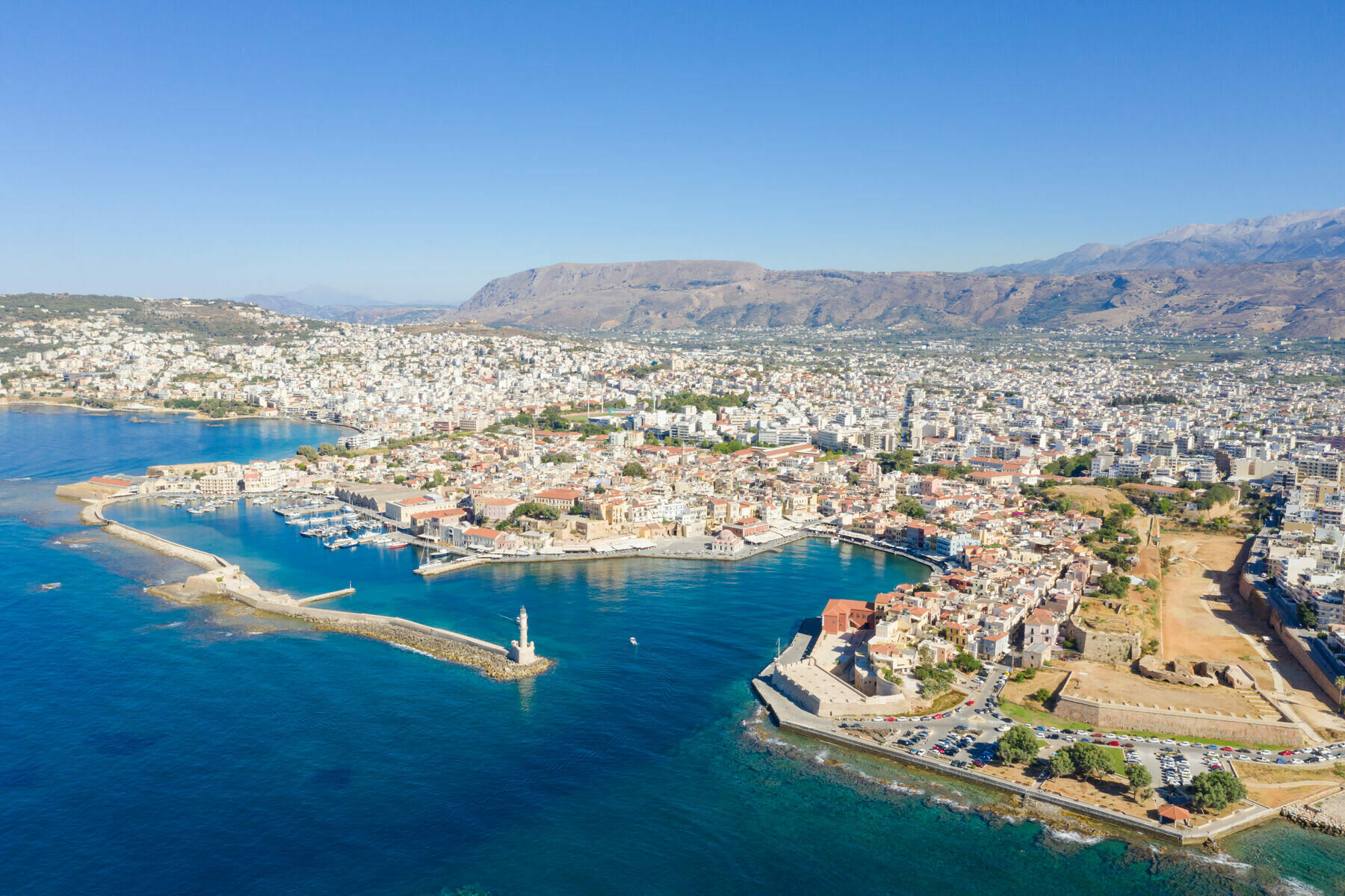
- Firka Fortress
- Venetian Lighthouse
- Harbor Walls
- The Neoria (Arsenals)
- Sea Gates
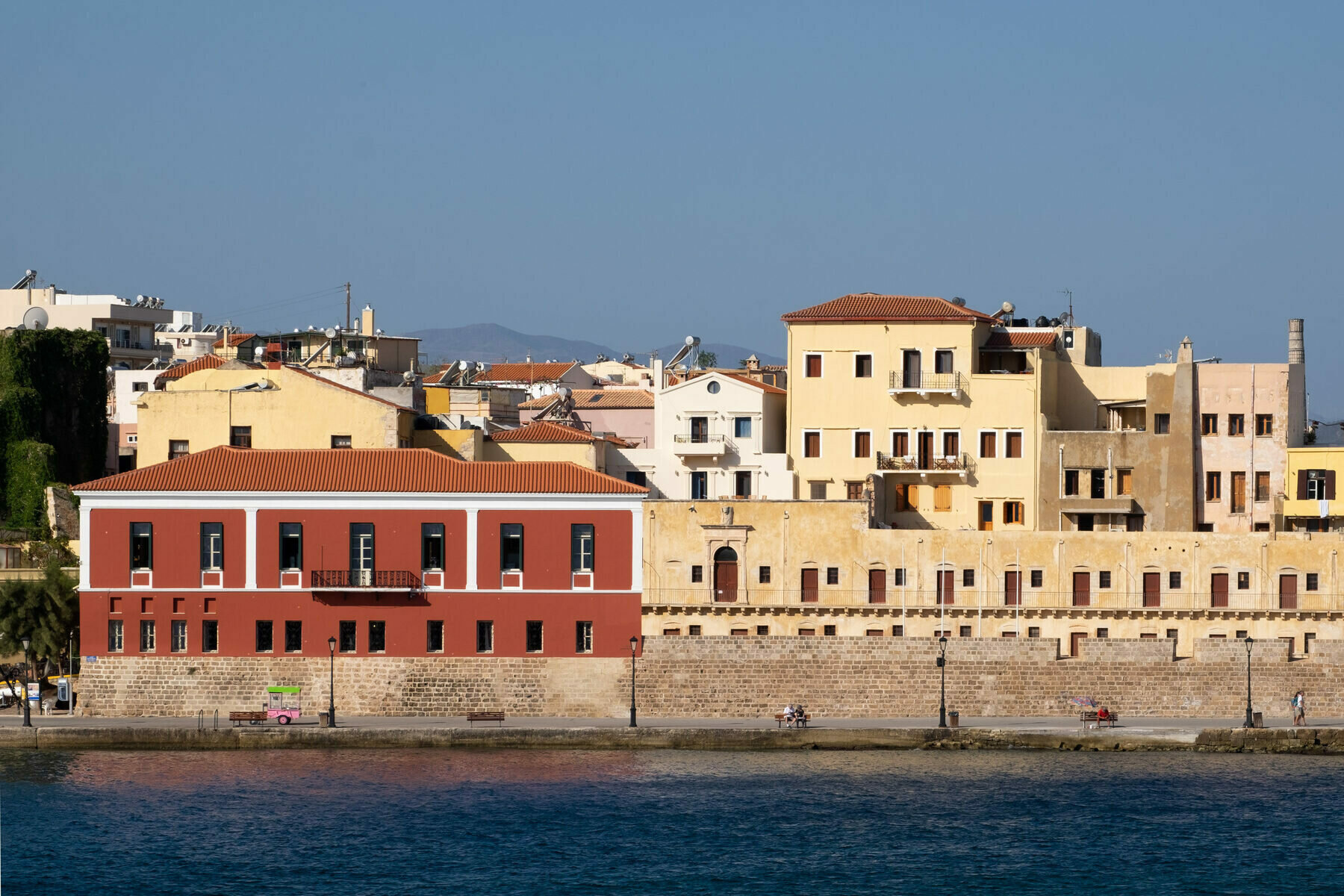
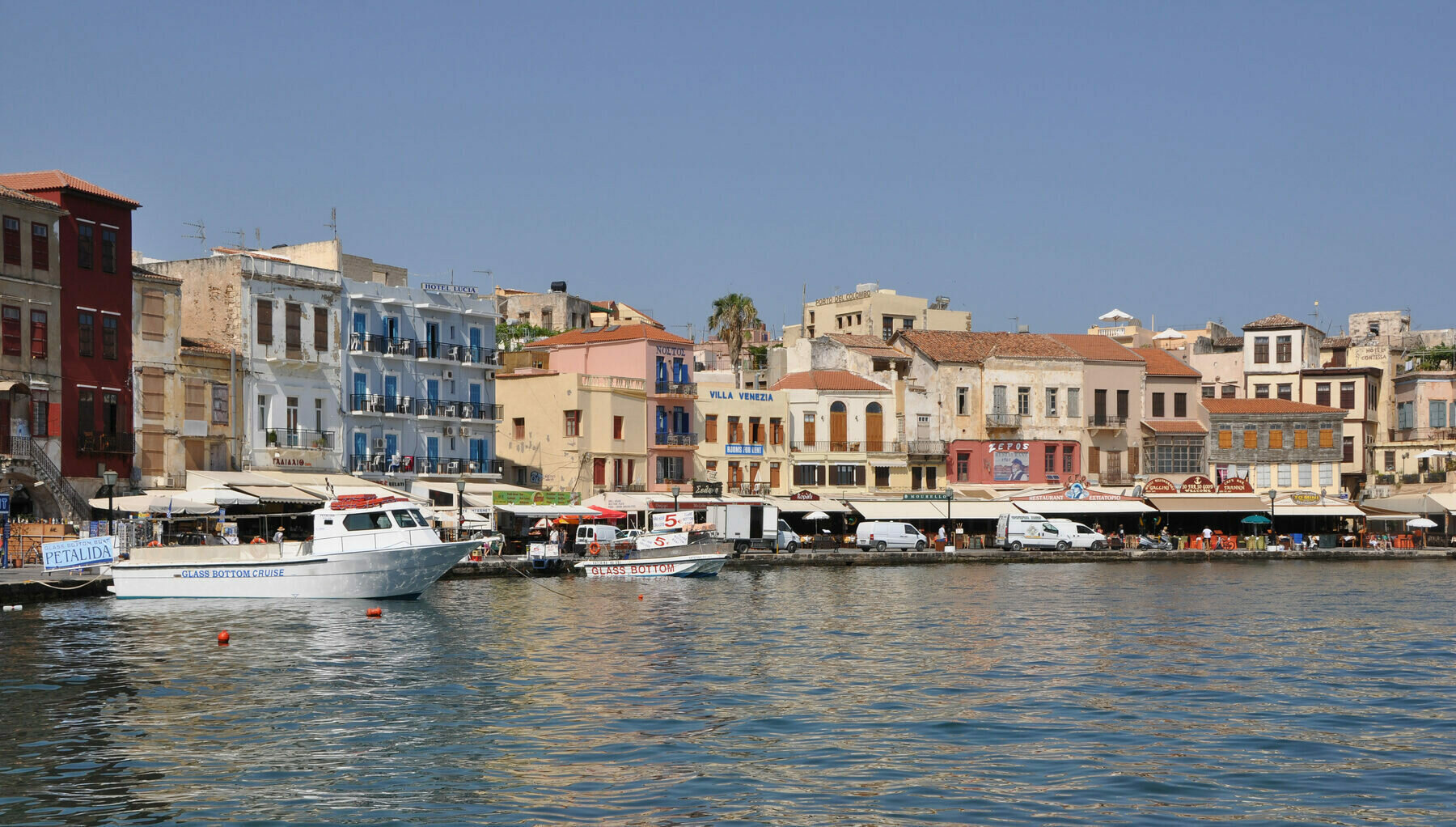
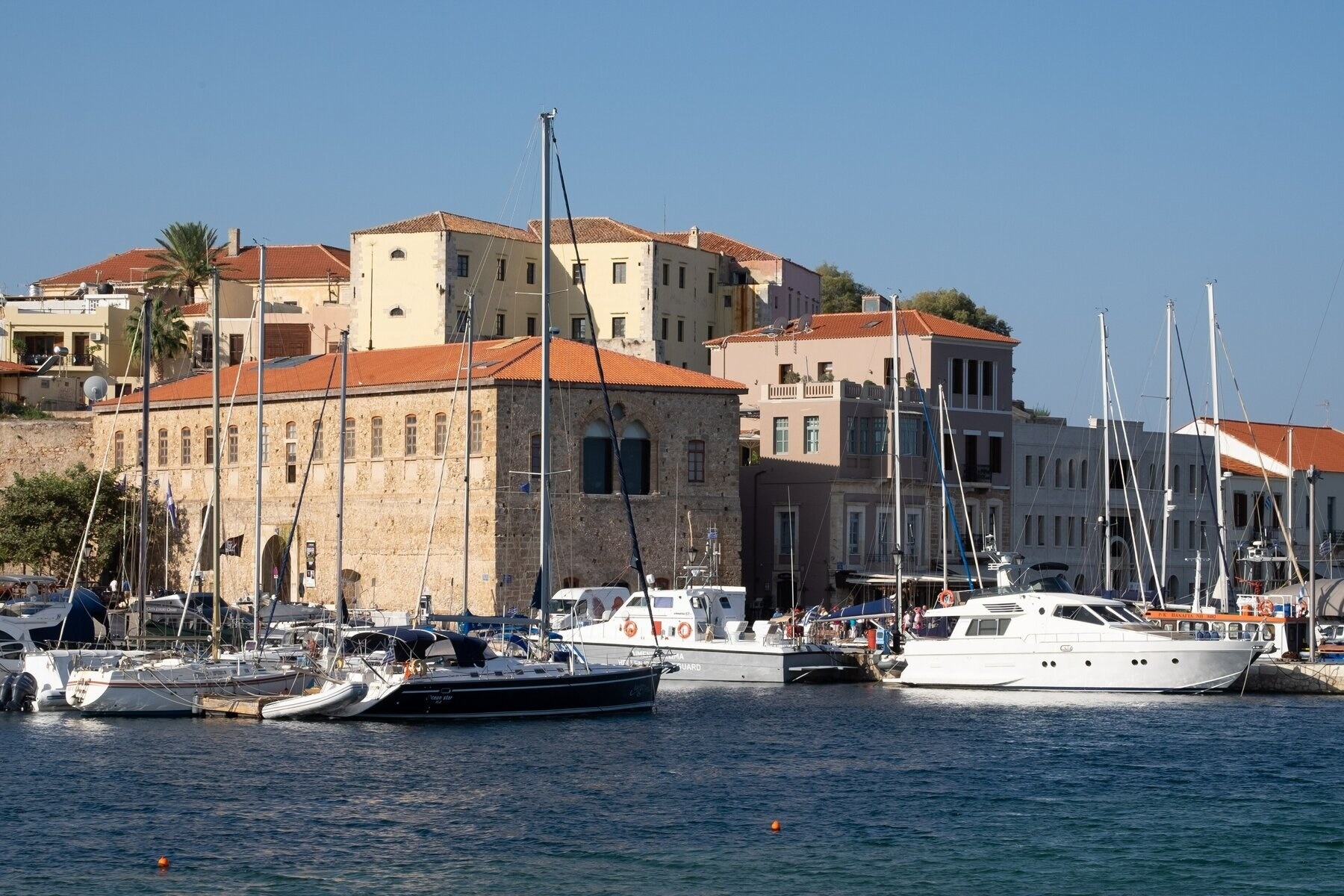
- Historic Waterfront
- Souda Bay Context
Overview
Unlike a single fortress or castle, Chania's defenses formed an integrated maritime system. Harbor walls, sea gates, shipyards, warehouses, artillery positions, and the harbor fortress worked together to defend one of Venice's most important ports in the eastern Mediterranean.
Historical Significance
For more than four centuries Chania served as one of the principal Venetian cities of Crete. Its harbor linked Venice to the Levant and functioned as a naval station, commercial center, and administrative capital for western Crete.
Strategic Importance
The harbor occupied a key position along the sea routes connecting the Adriatic, the Aegean, Cyprus, and the Levant. The nearby natural anchorage of Souda Bay further increased the military value of the region.
Firka Fortress
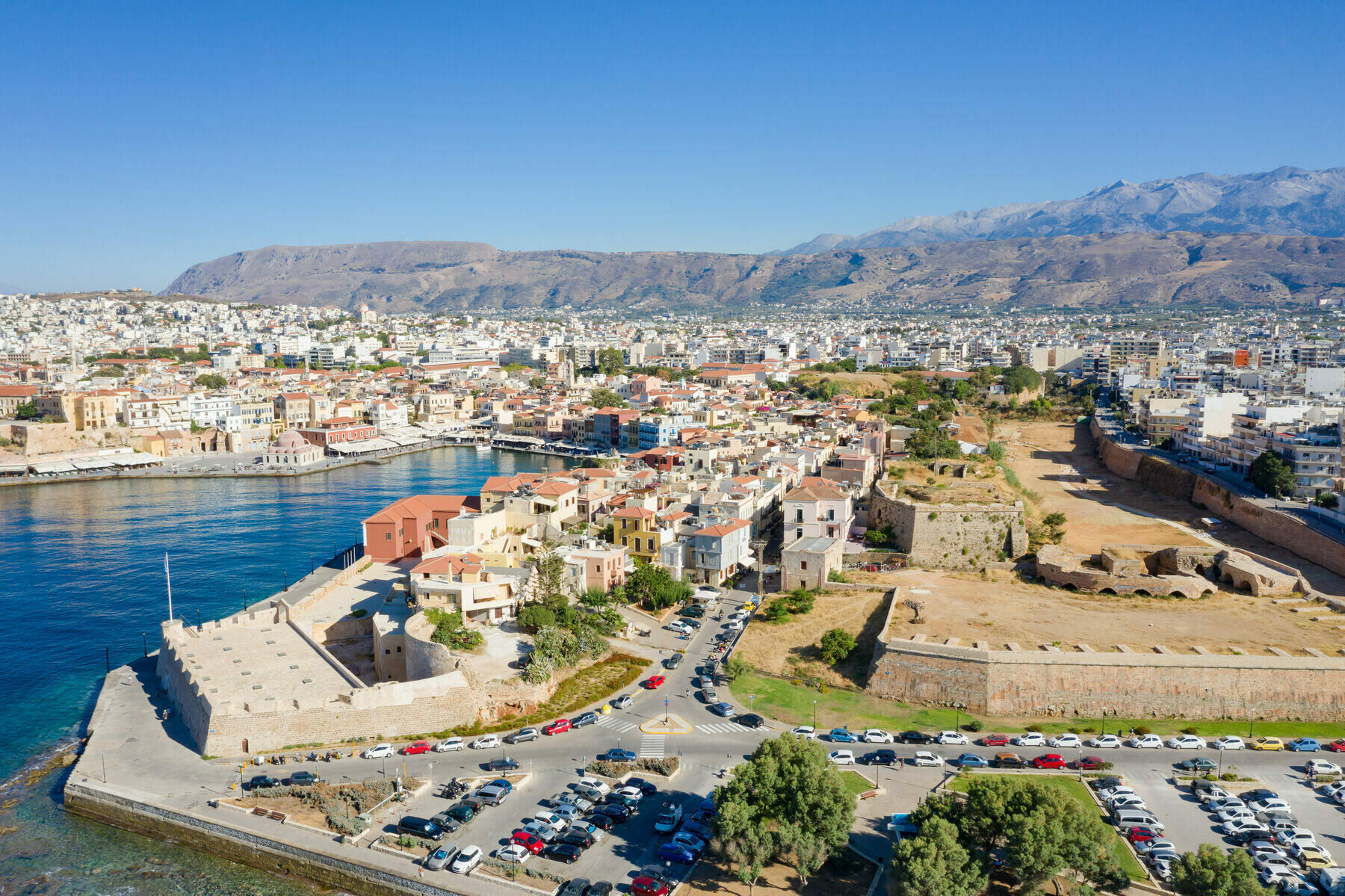
Firka Fortress occupies the western side of the harbor entrance and served as the final defensive position controlling access to the port. Its artillery batteries protected shipping and anchored the maritime defense system.
Harbor Walls and Mole
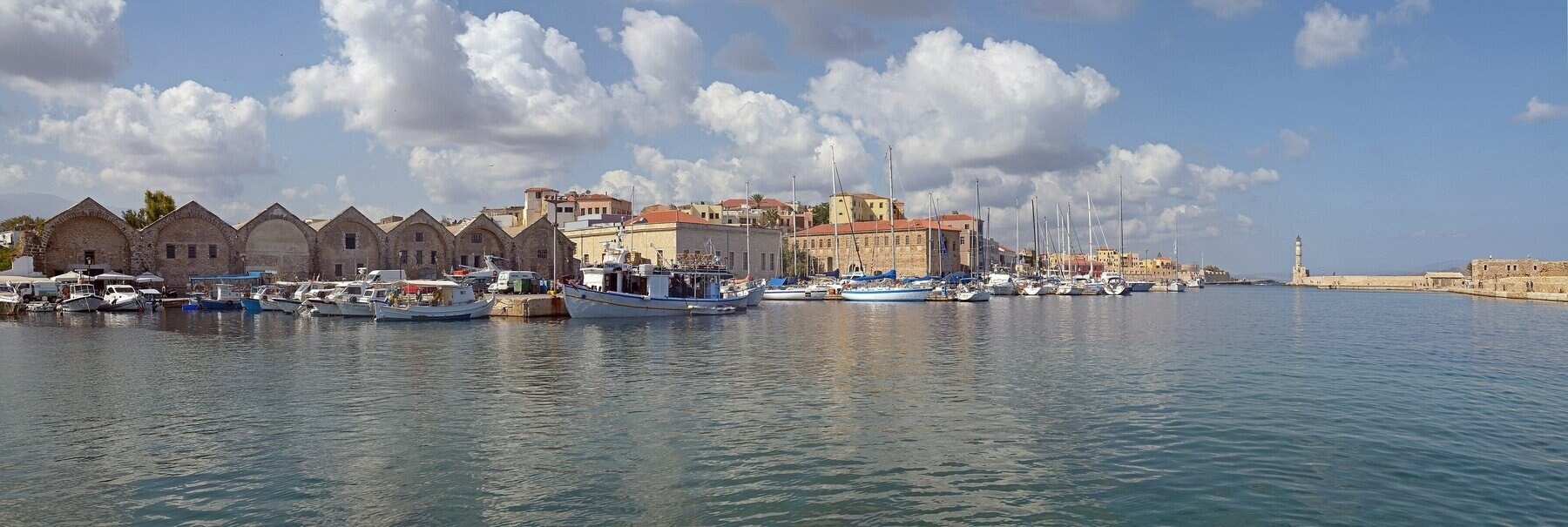
Massive stone moles and harbor walls enclosed the Venetian basin, providing protection from both storms and enemy attack. These structures remain among the most recognizable features of the historic waterfront.
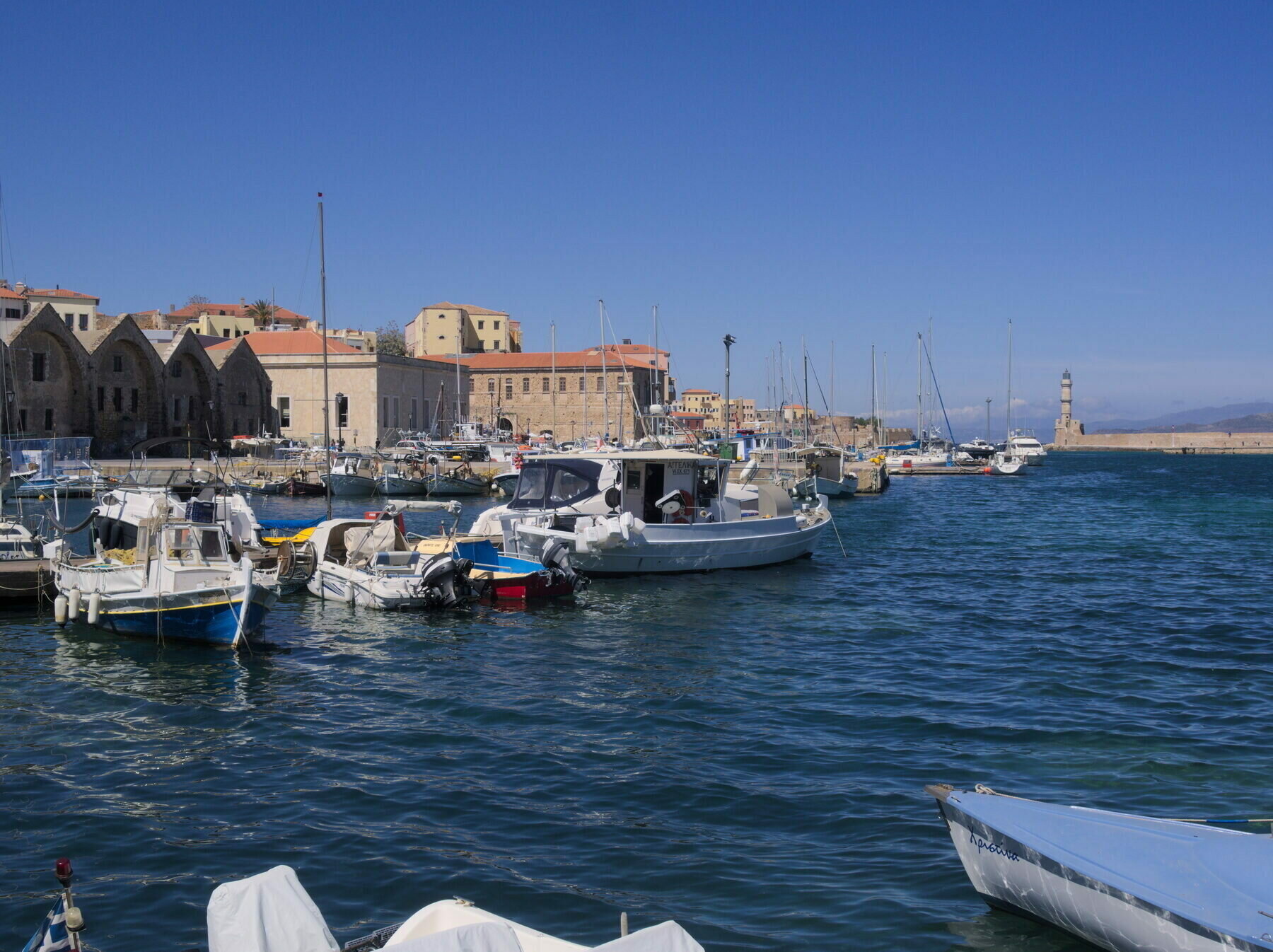
Venetian Lighthouse
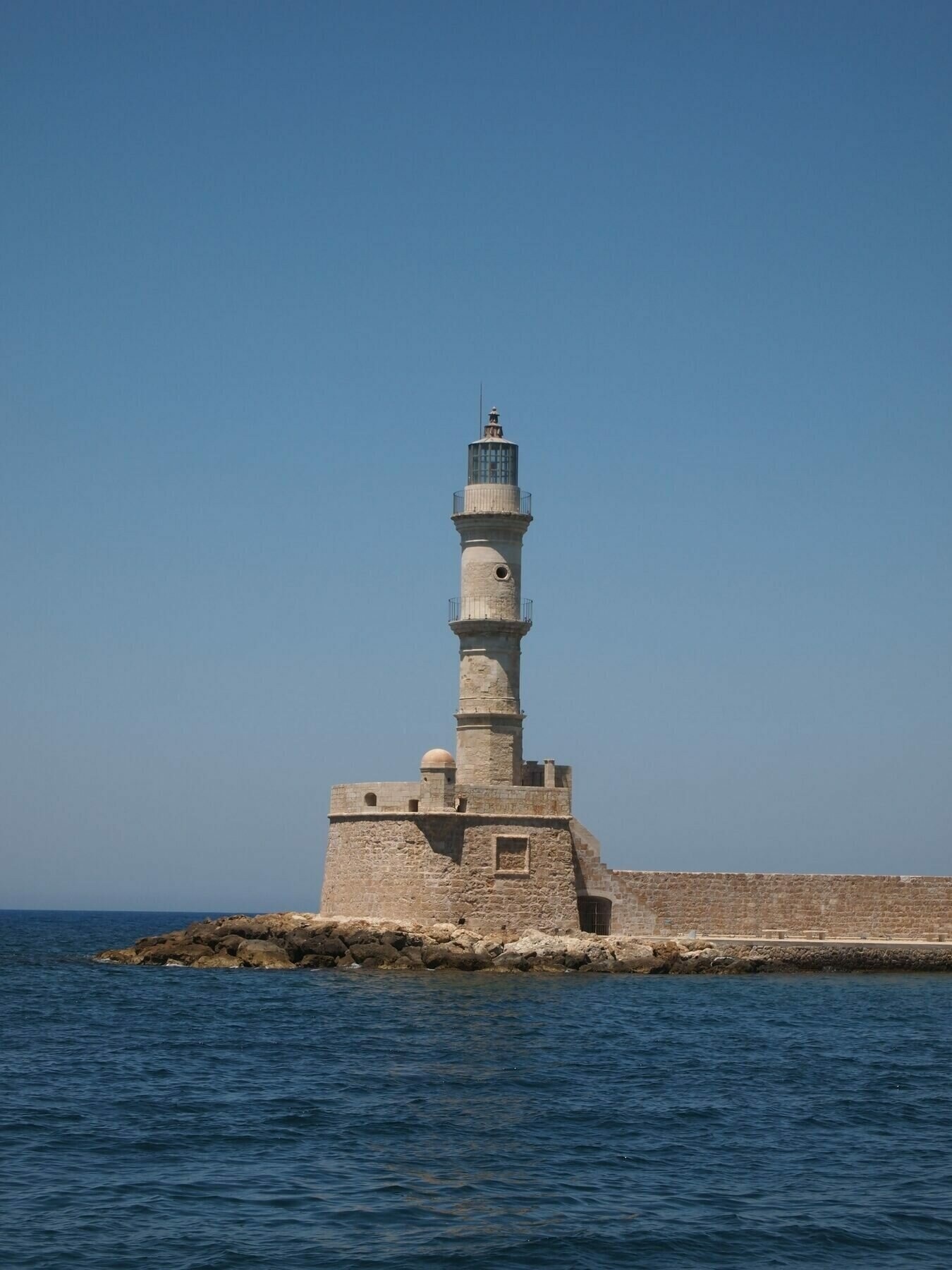
The lighthouse stands at the end of the eastern mole and has become the symbol of Chania. Although rebuilt during the Ottoman period, it remains part of the broader defensive and navigational infrastructure of the harbor.
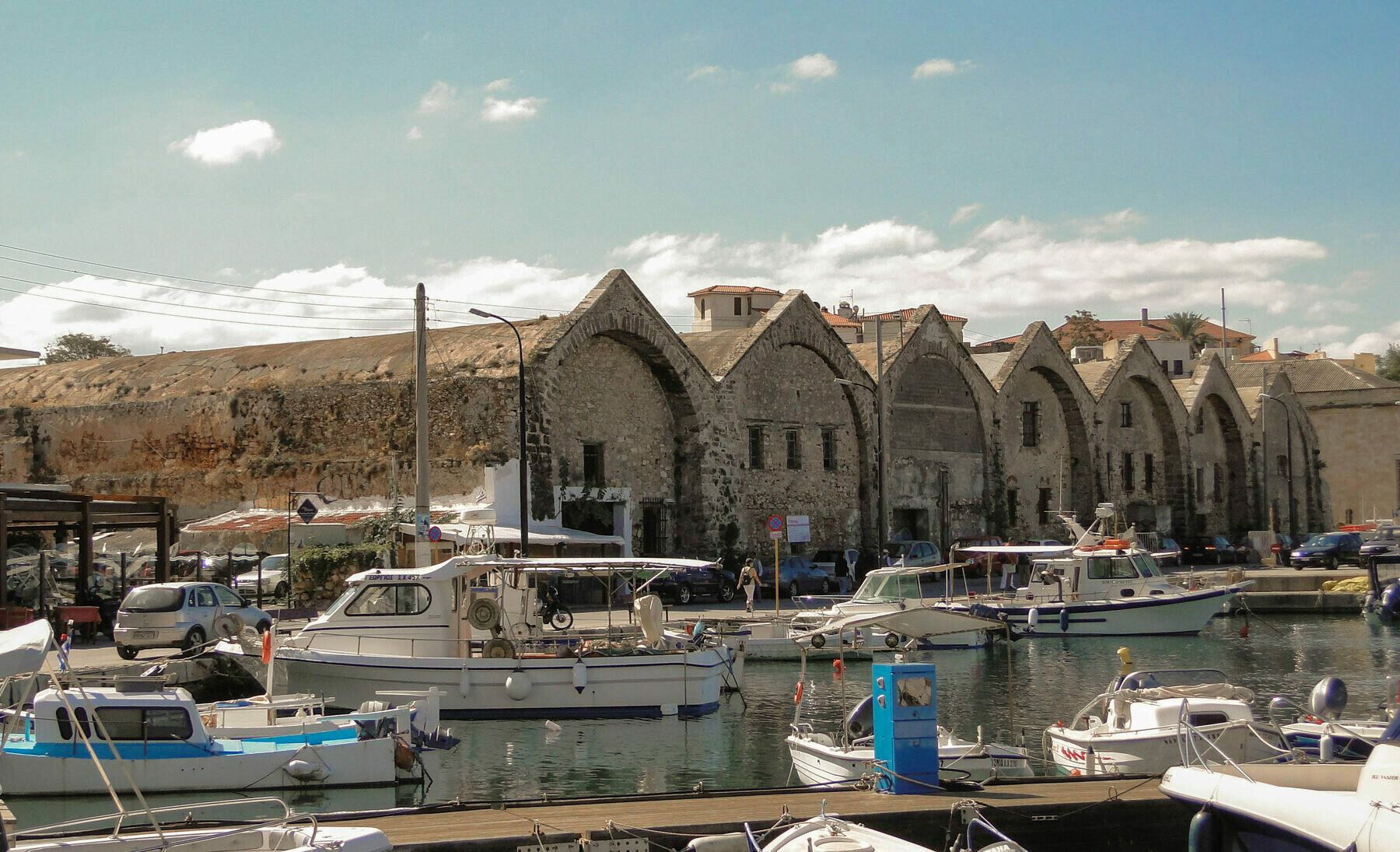
The Neoria (Arsenals)
The Venetian arsenals served as shipyards, storage facilities, and maintenance centers for the fleet. Together with the harbor defenses, they demonstrate the maritime character of Venetian Crete.
What to See Today
Visitors can explore Firka Fortress, walk the harbor walls, follow the mole to the lighthouse, visit the Venetian arsenals, and experience one of the best-preserved historic waterfronts in the Mediterranean.
Why Chania Matters
Chania represents the maritime dimension of the Castles of Greece project. Rather than a mountain fortress or walled city, it illustrates how naval power, trade, and coastal defense shaped the eastern Mediterranean.
Timeline
- 1204 Crete enters the Venetian sphere following the Fourth Crusade.
- 1252 Venice consolidates control over Chania and develops it as a major administrative and naval center.
- 14th–16th centuries The harbor, arsenals, sea walls, and defensive works are expanded.
- 1595–1620 Firka Fortress is constructed to strengthen the harbor entrance.
- 1645 Ottoman forces capture Chania during the opening phase of the Cretan War.
- 1898 The autonomous Cretan State is established.
- 1913 The Greek flag is raised at Firka Fortress following the union of Crete with Greece.
Expedition guides
Images
References
Related places
Related Stops
Topics
- Venetian
- Crete
- Chania
- Harbor Fortress
- Maritime Defense
- Lighthouse
- Arsenals
- Port City