
Overview
Irakleion is the largest and most strategic fortified city of Expedition I. Known to the Venetians as Candia, it served as the capital of Venetian Crete and became one of the strongest bastioned cities in the Mediterranean. The harbor fortress of Koules guarded the seaward approach, while the great land walls and bastions protected the city from siege. Irakleion's fortifications represent the mature artillery-age response to the pressures of Ottoman expansion and the need to defend Venice's most important eastern colony.
Highlights
- Koules Fortress
- Venetian city walls
- Bastions of Candia
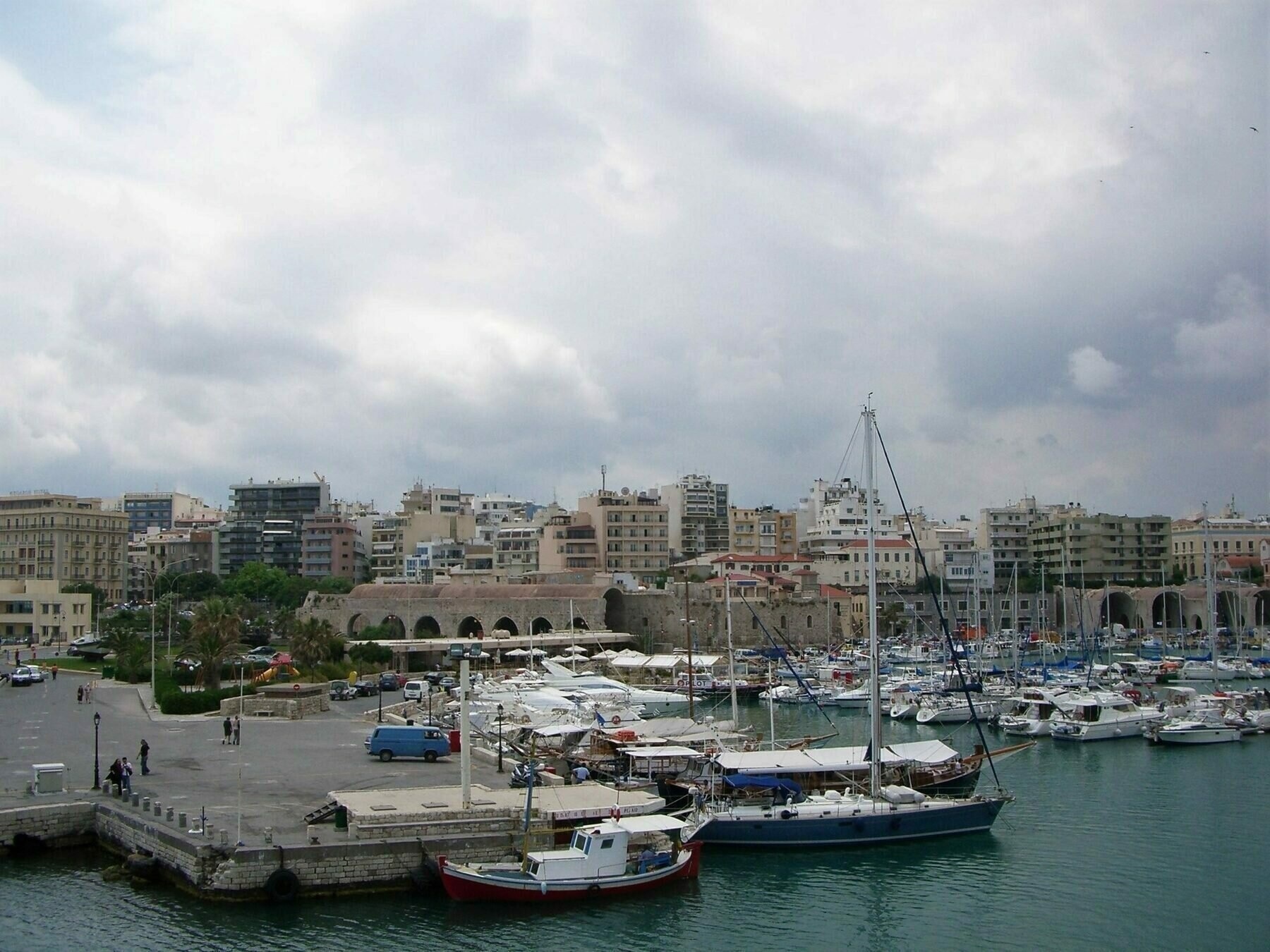
- Venetian harbor
- Historic city center
- Siege of Candia
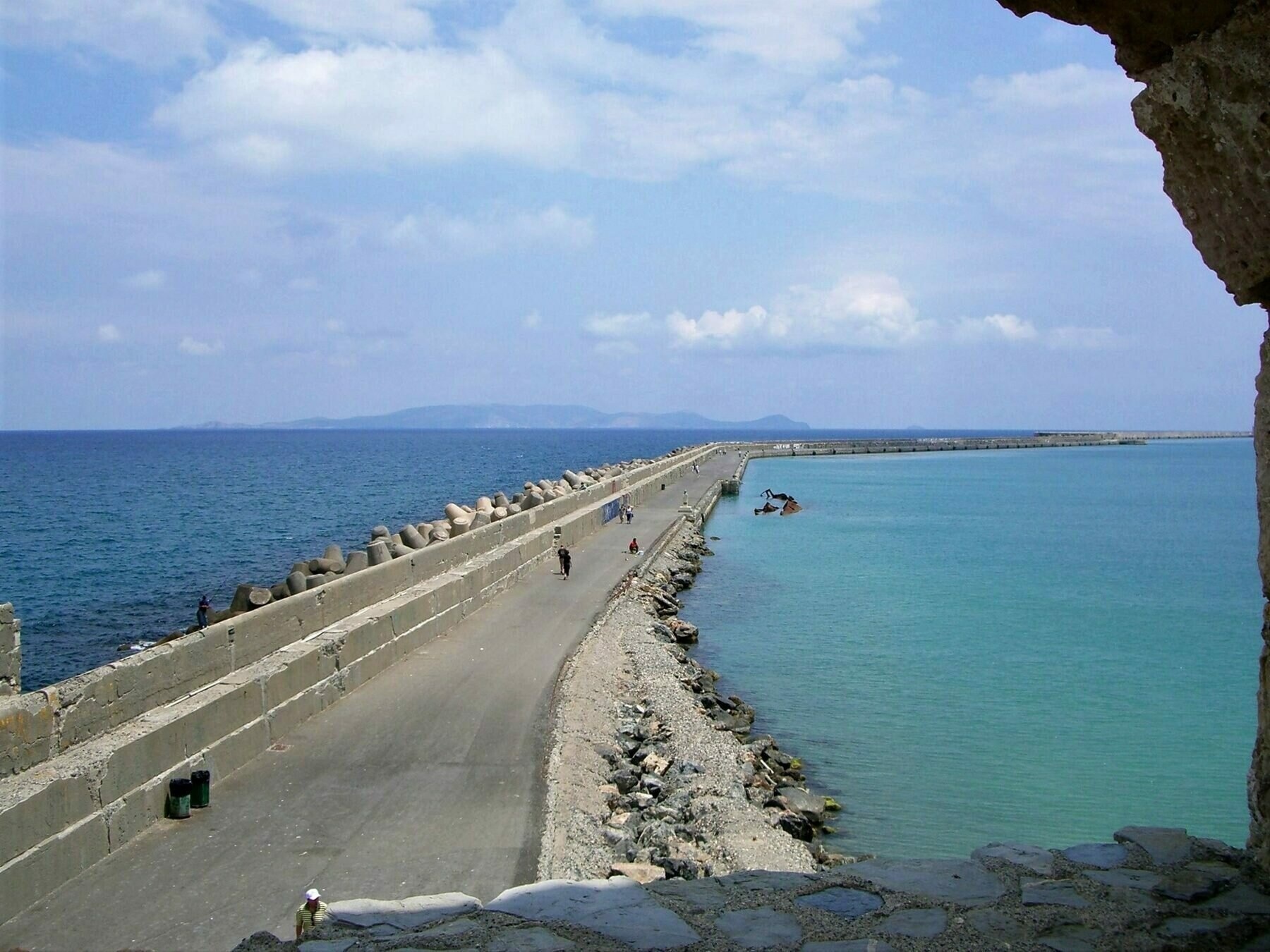
- Views from the sea wall
Fortifications and archaeological sites
Koules Fortress
harbor fortress
Venetian, 16th century
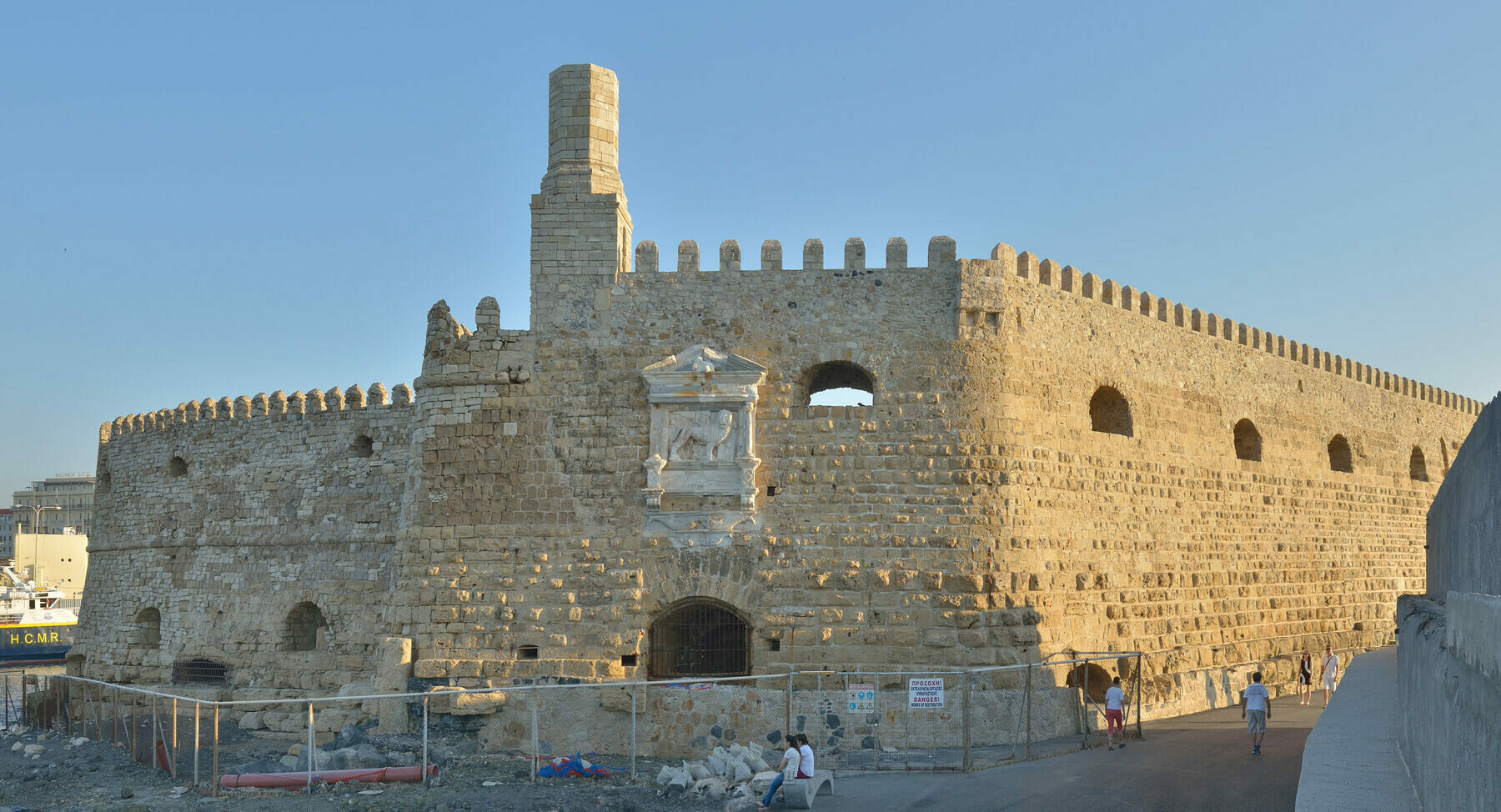
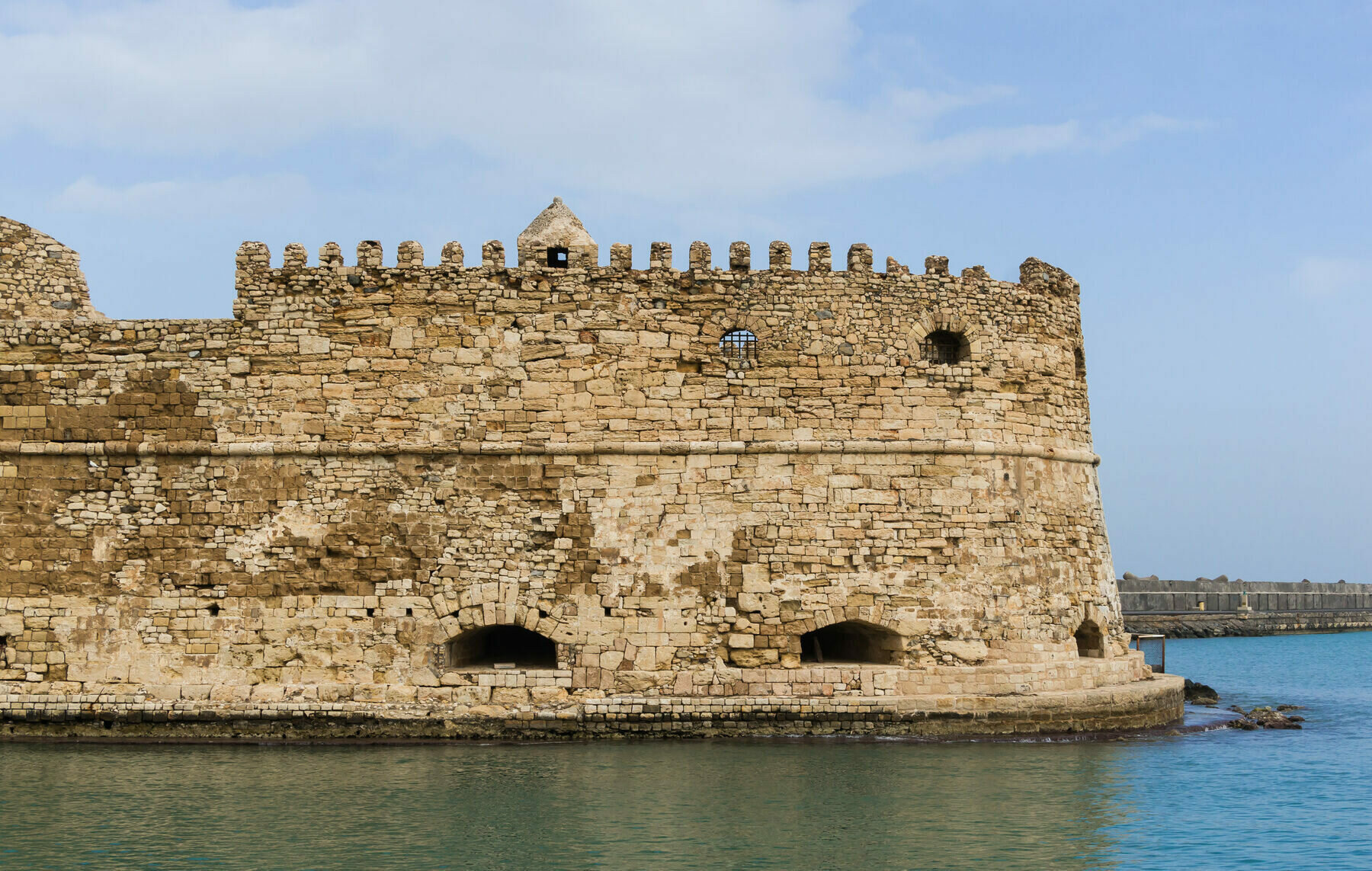
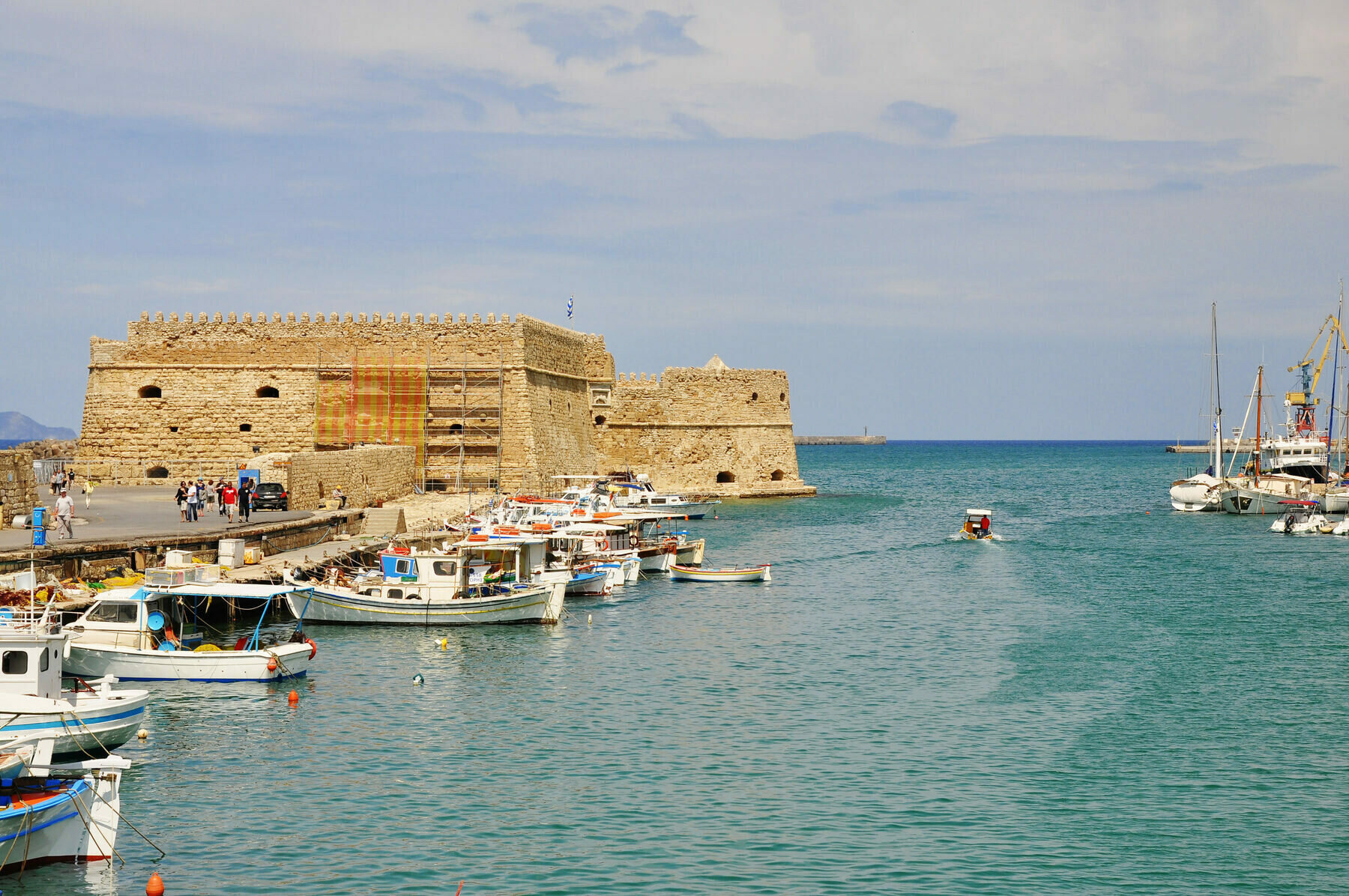
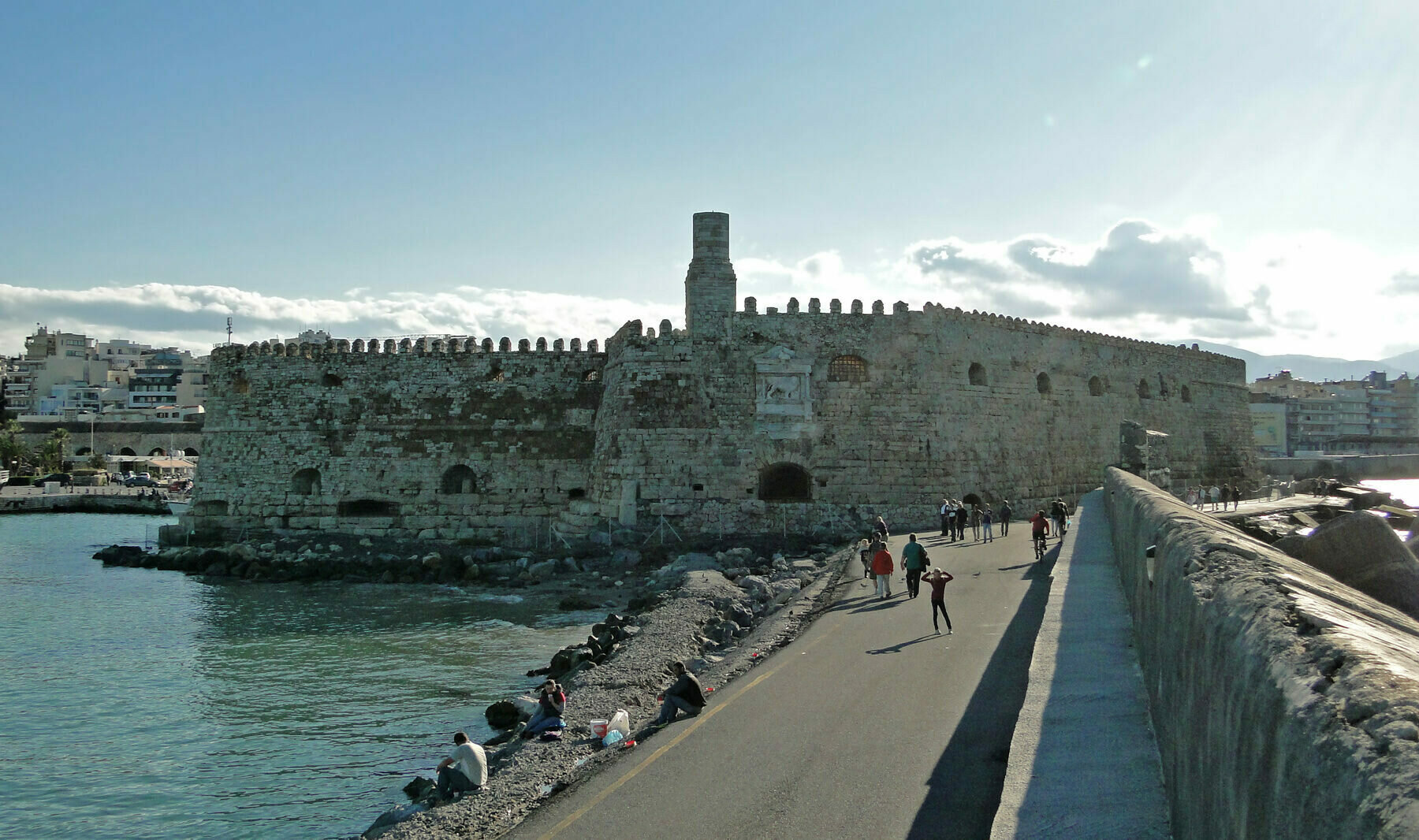
The massive sea fortress guarding the entrance to Irakleion's Venetian harbor, also known as Rocca a Mare.
Venetian Walls
bastioned city walls
Venetian, 15th–17th centuries
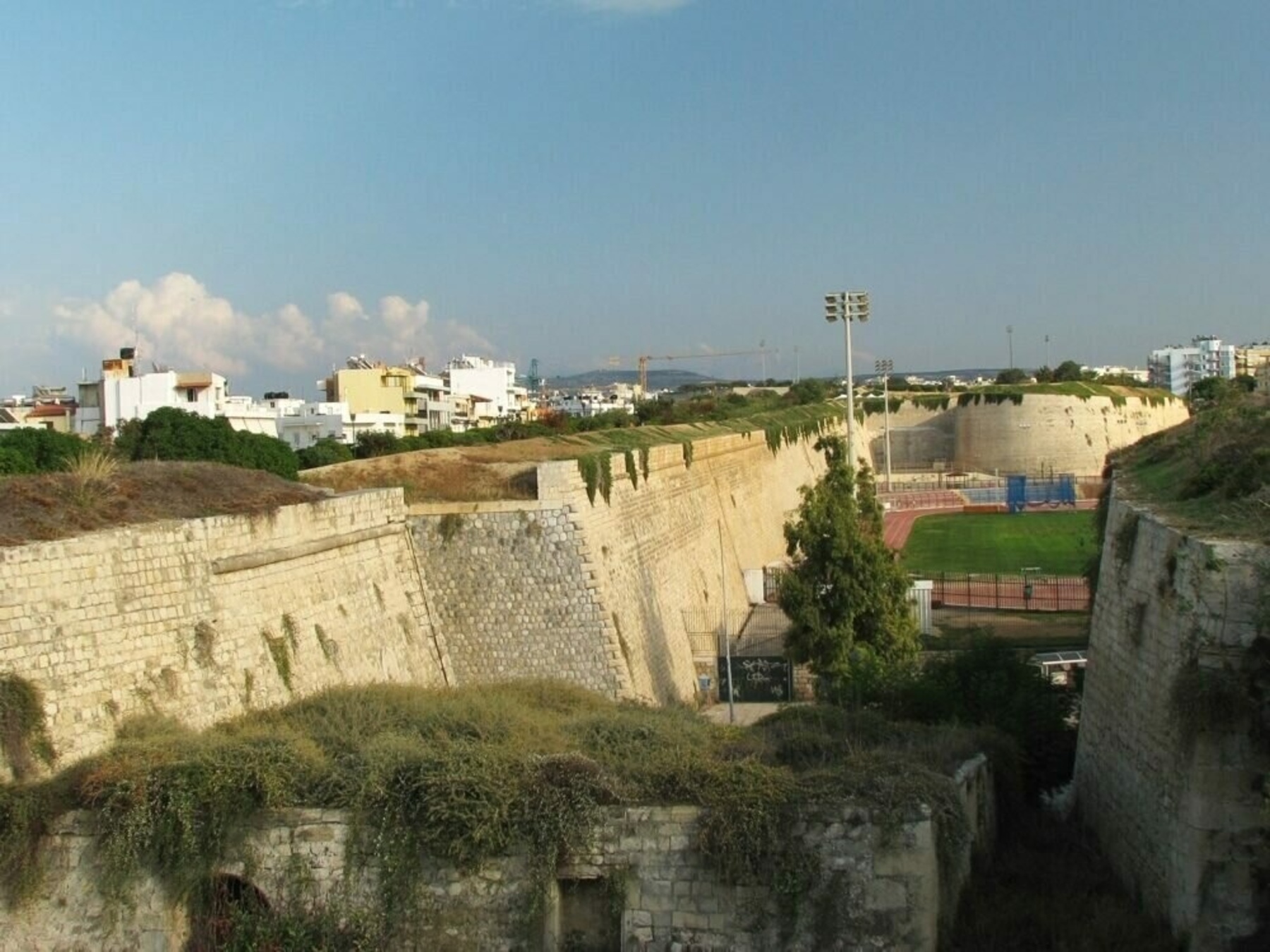
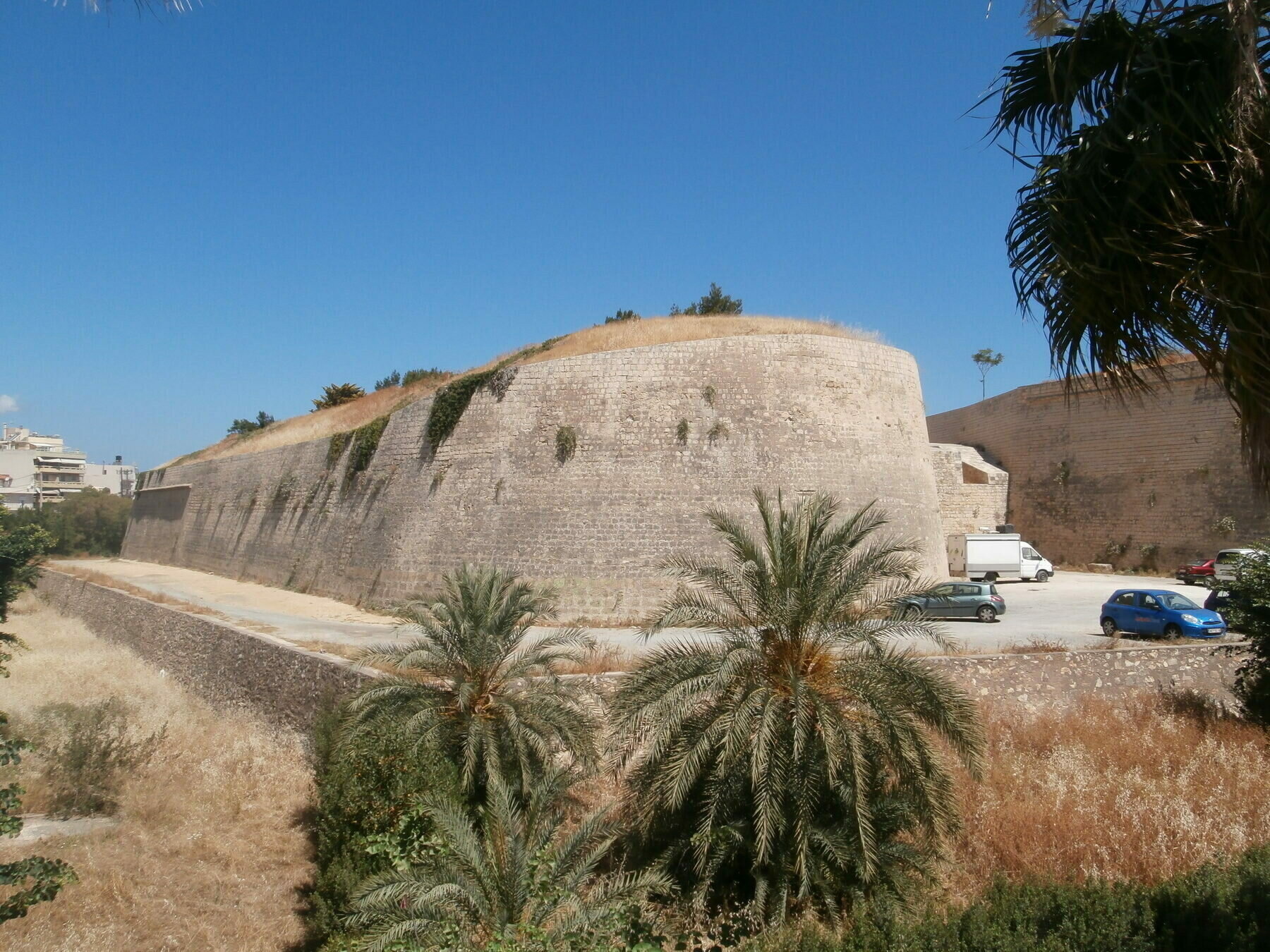
The great artillery-age walls and bastions that enclosed Candia and made it one of the strongest cities in the Mediterranean.
Venetian Harbor
historic harbor
Venetian and Ottoman
The maritime center of Candia, linking the fortified city to Venetian trade, naval logistics and imperial defense.
Old Town
historic urban center
Venetian, Ottoman and modern Greek
The historic city within the walls, preserving Venetian, Ottoman and modern Greek layers around civic monuments, gates and public spaces.
Palace of Knossos
archaeological site
Minoan
The ceremonial and administrative center of Minoan Crete, located a few kilometers south of Irakleion.
Overview
Irakleion is the largest and most strategically important fortified city in Expedition I. As Venetian Candia, it was not merely a harbor or castle but the capital of an island colony and a major node in the eastern Mediterranean. Its fortifications were designed to protect administration, commerce, naval logistics and imperial prestige.
Naming
This application uses Irakleion, following the phonetic transliteration convention commonly used on nautical charts. Heraklion is the most common English spelling, while Herakleion is another transliteration that may be encountered.
Strategic Setting
Irakleion occupies the central north coast of Crete, facing the Cretan Sea and the routes linking the Aegean, the Levant and the wider Mediterranean. Its harbor made it the natural maritime capital of Venetian Crete, while its position allowed Venice to coordinate control over the island's interior and coastal defenses.
Before Venice
Long before the rise of Candia, the region around Irakleion formed the political and ceremonial heart of Minoan Crete. The nearby Palace of Knossos, occupied from the Bronze Age until its destruction around the late second millennium BC, represents Europe's earliest urban civilization. Although separated by more than two thousand years from the Venetian fortifications, Knossos establishes Irakleion as a place of exceptional historical continuity.
Candia, Capital of Venetian Crete
Under Venetian rule, Irakleion became Candia, the administrative and military capital of Crete. The city housed officials, merchants, warehouses, churches, civic buildings and military infrastructure. Its fortified form reflected both urban life and imperial control.
Koules Fortress
Koules, also known as Rocca a Mare, guarded the entrance to the Venetian harbor. Its massive masonry, low profile and seaward position reflect the needs of artillery-age harbor defense. It protected shipping, controlled access to the port and symbolized Venice's maritime authority.
The Venetian Walls
Irakleion's walls represent one of the most ambitious fortification systems in the Greek world. Their bastions, gates, ramparts and ditches were designed for artillery warfare and prolonged siege. The walls transformed Candia into a fortified capital capable of resisting the military pressures of the early modern Mediterranean.
The Siege of Candia
The Ottoman siege of Candia, lasting from 1648 to 1669, gave Irakleion's fortifications their most dramatic historical test. The city's resistance became legendary and revealed both the strength and limits of Venetian military engineering. Its eventual surrender marked the end of Venetian rule in Irakleion and a turning point in the history of Crete.
Ottoman and Modern Irakleion
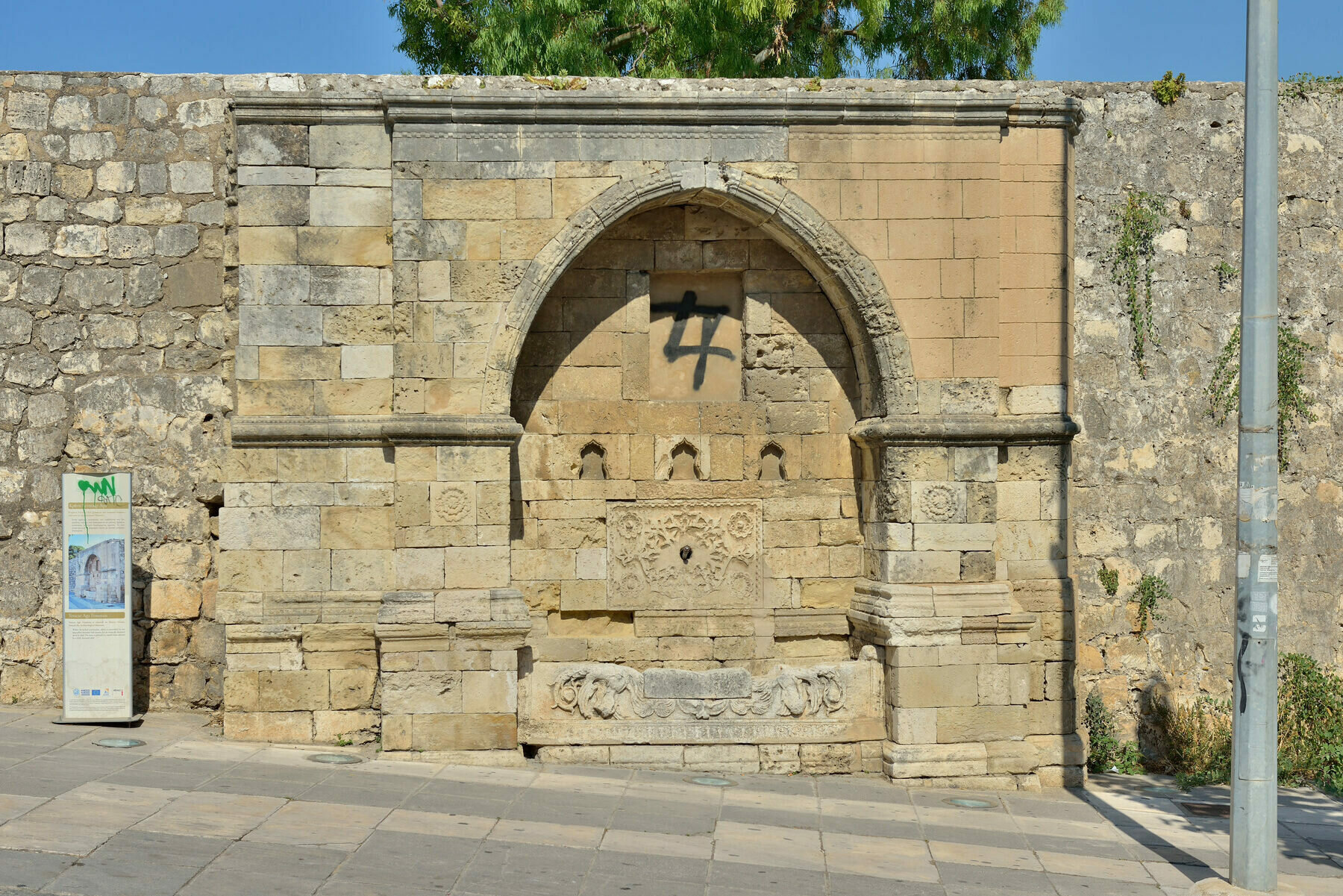
After the Ottoman conquest, the city was adapted to new administrative, military and religious uses. Mosques, fountains and civic changes altered the urban landscape while the Venetian walls and harbor fortress continued to define the city. Modern Irakleion later grew beyond the walls, but the old fortified core remained central to its identity.
Military Architecture
Irakleion illustrates the full scale of early modern bastioned fortification. Unlike smaller harbor castles, it combined a major seaward fortress with a complete landward defensive circuit. The system was designed not merely to defend a port, but to sustain a capital city under siege.
Visiting the Fortified City Today
A visit to Irakleion should include both the harbor and the walls. Koules gives the clearest view of the maritime fortress, while walking sections of the Venetian walls reveals the scale of the bastions and the relationship between the old city and its defenses. The historic center connects these military monuments to the civic life of Candia.
Why it Matters for Expedition I
Irakleion is the culmination of the Cretan fortified-city sequence in Expedition I. Chania introduces the Venetian naval harbor, Rethymno presents the compact Renaissance fortified town, and Irakleion reveals the full scale of a fortified colonial capital. It is one of the expedition's central historical anchors.
Architecture
- Harbor fortress
- Bastioned city walls
- Artillery-age defensive system
- Venetian gates and ramparts
- Urban fortified capital
- Harbor-defense relationship
- Ottoman and modern adaptations
Timeline
- Byzantine period The area of Irakleion develops as an important settlement on the north coast of Crete.
- 824 Arab forces establish the fortified settlement of Chandax, giving the city a new defensive and maritime role.
- 961 Byzantine forces under Nikephoros Phokas recapture Chandax, restoring Byzantine control over Crete.
- 1204–1211 After the Fourth Crusade, Crete passes into the Venetian sphere and Irakleion, known as Candia, becomes the capital of Venetian Crete.
- 13th–15th centuries Candia develops as the administrative, commercial and military center of Venice's Cretan colony.
- 16th century Venice strengthens the harbor and city defenses, including the construction and rebuilding of Koules and the expansion of the bastioned walls.
- 1648–1669 The Ottomans besiege Candia in one of the longest sieges in European history.
- 1669 Candia surrenders to the Ottomans, ending Venetian rule over the city.
- 1898 Irakleion becomes part of the autonomous Cretan State after the end of Ottoman rule on Crete.
- 1913 Crete unites with Greece, bringing Irakleion into the modern Greek state.
- Present Koules, the Venetian walls and the historic city remain defining monuments of Irakleion's urban identity.
Expedition guides
Images
References
Related places
Related Stops
Topics
- Fortified City
- Venetian
- Ottoman
- Crete
- Bastioned Fortification
- Harbor Defense
- Maritime Empire
- Urban Fortification
- Sea Lane Control