Highlights
- Castle hill and old town
The castle’s low hill rises above the historic center near the Nedon.
- Churches and the memory of 1821
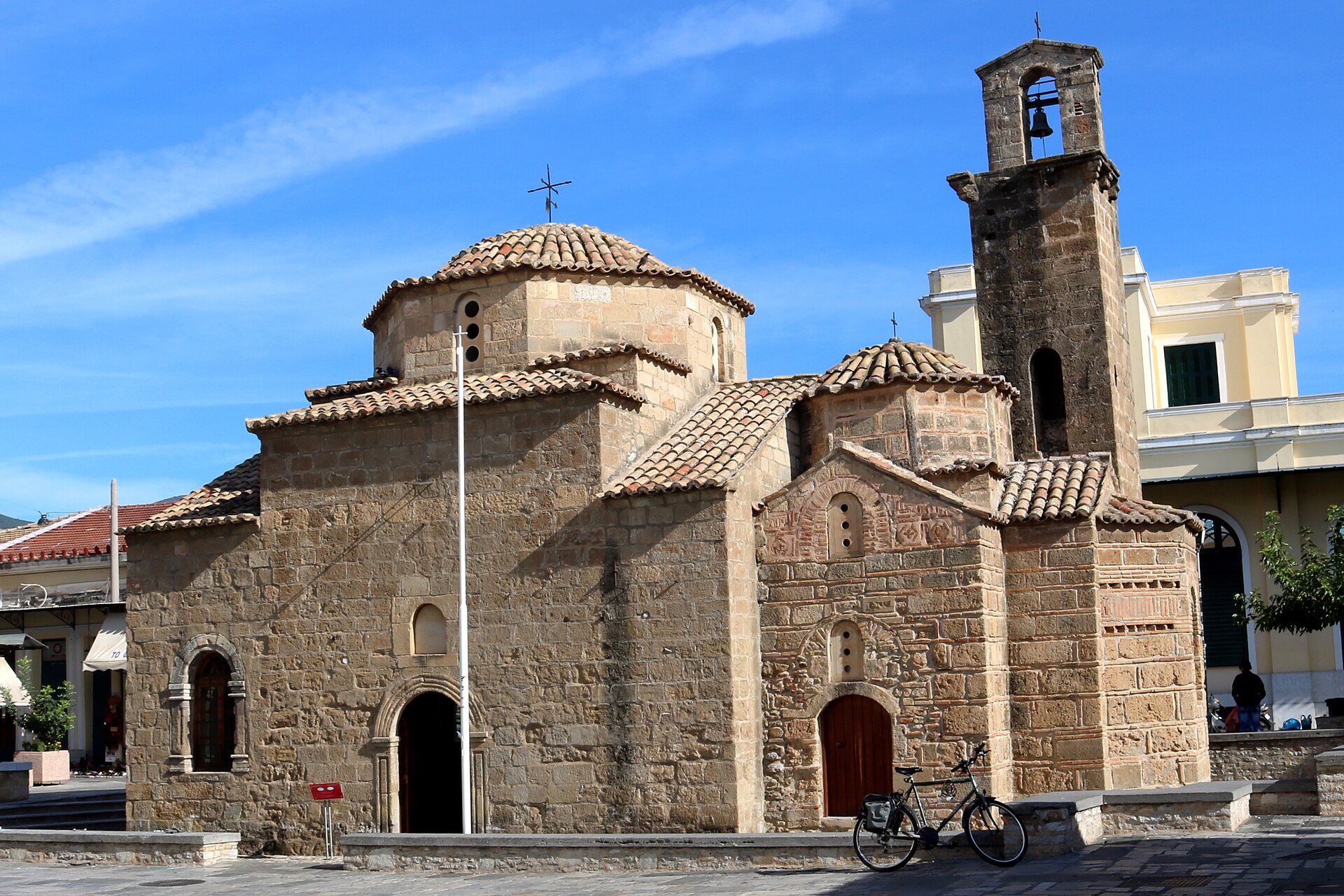
The Holy Apostles church and 23 MarchSquare are central to Kalamata’s commemoration of the revolutionary entry into the city in 1821.
- From inland town to commercial waterfront
Trade in the produce of Messinia helped draw urban development toward the port.
- Collections beyond the fortress
The Archaeological Museum of Messinia, in the old center’s former market building, interprets the wider region rather than only the castle.
Strategic role
A city transformed from fortified inland center to commercial waterfront and contemporary cultural destination.
Castle hill and old town
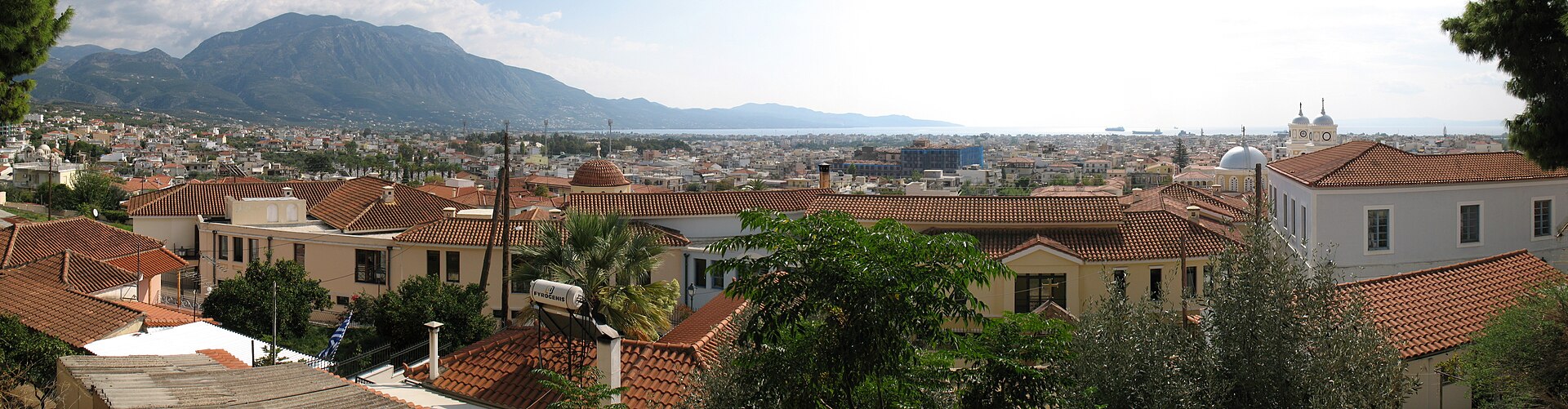
Kalamata’s castle hill rises beside the Nedon, close enough to the old center that the fortress and town can be read together. The castle’s medieval story is tied to the Frankish Principality of Achaia; Byzantine, Ottoman and Venetian rulers later altered the stronghold. From the hill, follow the streets down into the older quarters. Churches, houses and squares show how authority and daily life spread beyond the walls, and why the castle alone cannot tell the story of Kalamata.
Churches and the memory of 1821
At Holy Apostles, the memory of Kalamata’s entry into the Greek Revolution is rooted in a real urban place. On 23 March 1821, revolutionary forces took the town, and the church and square became central to how that event is commemorated. The church remains a place of worship as well as a historical landmark. Nearby, the cathedral of Ypapanti and other churches belong to a broader city that continued to grow through the nineteenth century; their prominence should not be mistaken for evidence that all are medieval.
From inland town to commercial waterfront
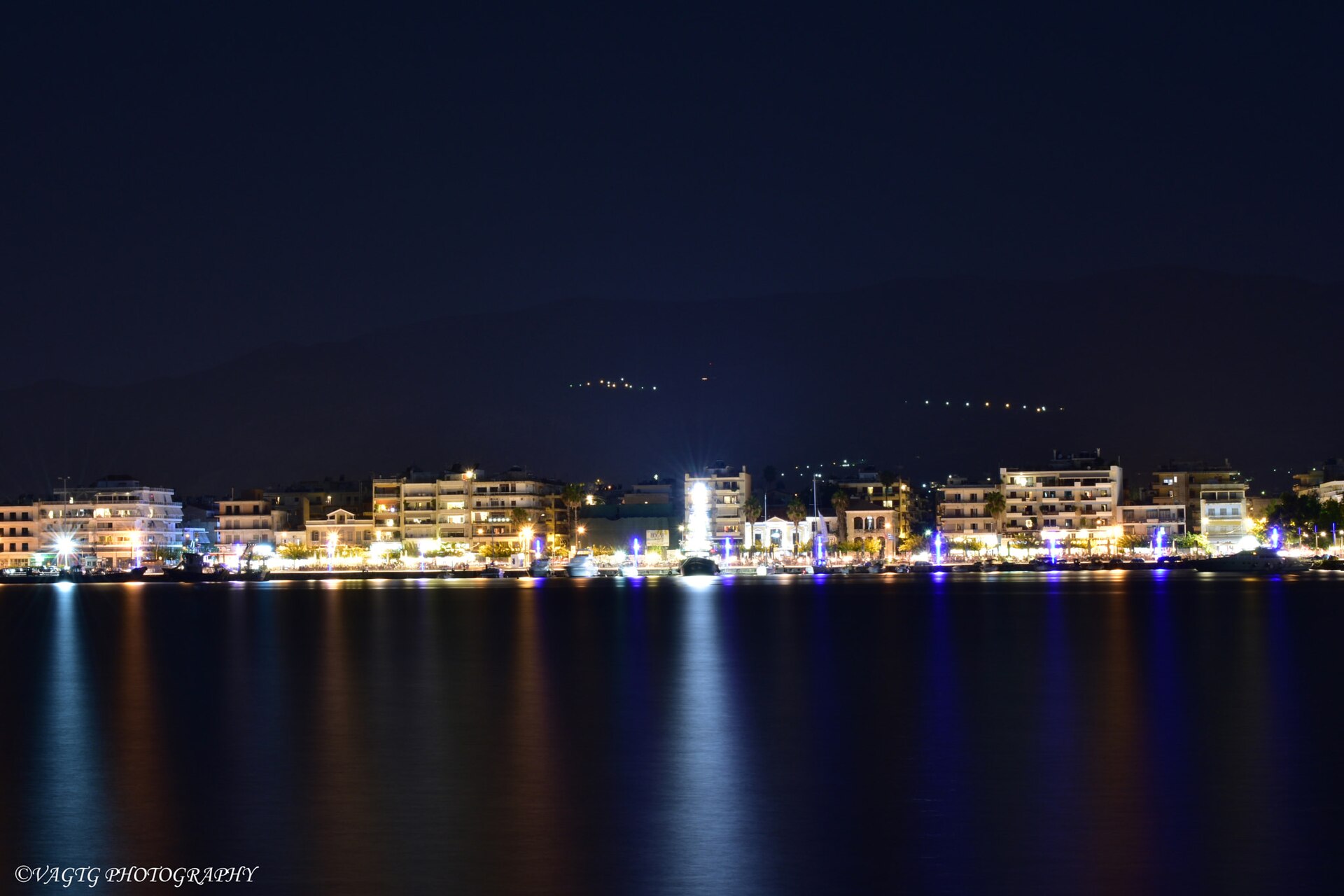
The old center did not remain Kalamata’s only focus. As trade in Messinian produce expanded, warehouses, customs activity and new streets drew the town toward the port. Olive oil, figs, currants and silk connected inland production with buyers and ships. The waterfront that visitors encounter today is therefore the outcome of a shift in work and settlement: the city grew from its older center toward the sea because commerce made that route matter.
Collections beyond the fortress
The museums add lives that the castle walls cannot show. The Archaeological Museum of Messinia occupies the former market building and presents finds from across the region, while the historical and folklore collection turns to local social life. The Karelias collection gives clothing its own setting. Moving among them, visitors pass from regional archaeology to the material details of more recent households and work; none is simply a museum of the castle.
Silk, earthquake and contemporary culture
Kalamata’s history also survives in skills, rebuilding and performance. The Kalograion monastery is associated with the city’s silk-making tradition, where religious life and skilled work met. The 1986 earthquake then damaged the modern city and made rebuilding part of its recent history. Today the Dance Megaron and International Dance Festival bring performance into the city’s cultural life. These layers show a place continually made through labor and creativity, not only through the preservation of old stone.
Reading the city from hill to sea
Start at the castle hill, then descend into the old town before following the city’s later commercial growth toward the waterfront. The route makes the change from medieval stronghold to regional market and modern port easier to see. Museums, castle and active religious sites have separate arrangements, so check each before visiting; festival schedules also change. The seafront is part of the urban story and a public walk, not a guide to harbor access.
Architecture
- Castle on a low hill above the historic center
- Medieval church fabric and later urban churches
- Neoclassical commercial streets linking older and newer districts
- Former market building reused as Archaeological Museum
- Port and customs buildings of the commercial waterfront
Timeline
- 13th century Frankish rule gave the castle much of its medieval character.
- 1410 The castle passed to the Byzantine rulers of Mystras, according to Hellenic Heritage.
- 1460 Ottoman forces captured the fortress.
- 23 March 1821 The revolutionary entry into Kalamata became central to the city’s public memory.
- 19th–early 20th centuries Export trade and port development expanded the city toward the sea.
- 1986 A destructive earthquake caused major damage and rebuilding.
- Contemporary period Dance and other cultural institutions form part of Kalamata’s living identity.
Visiting today
Combine the castle with the old town, collections and waterfront. Check individual opening and worship arrangements; the Dance Megaron requires current programme information. No port-service or navigation claims are made.
Historical contexts
- Late Byzantium
- Frankish Greece
- Venetian Maritime Empire
- Ottoman Period
- Rise of Modern Greece
Expeditions
- Expedition I
Images
References
Related places
Topics
- Messenia
- Castle Town
- Urban History
- Greek Revolution
- Commerce
- Silk
- Museums
- Contemporary Culture