Highlights
- Village and castle are distinct
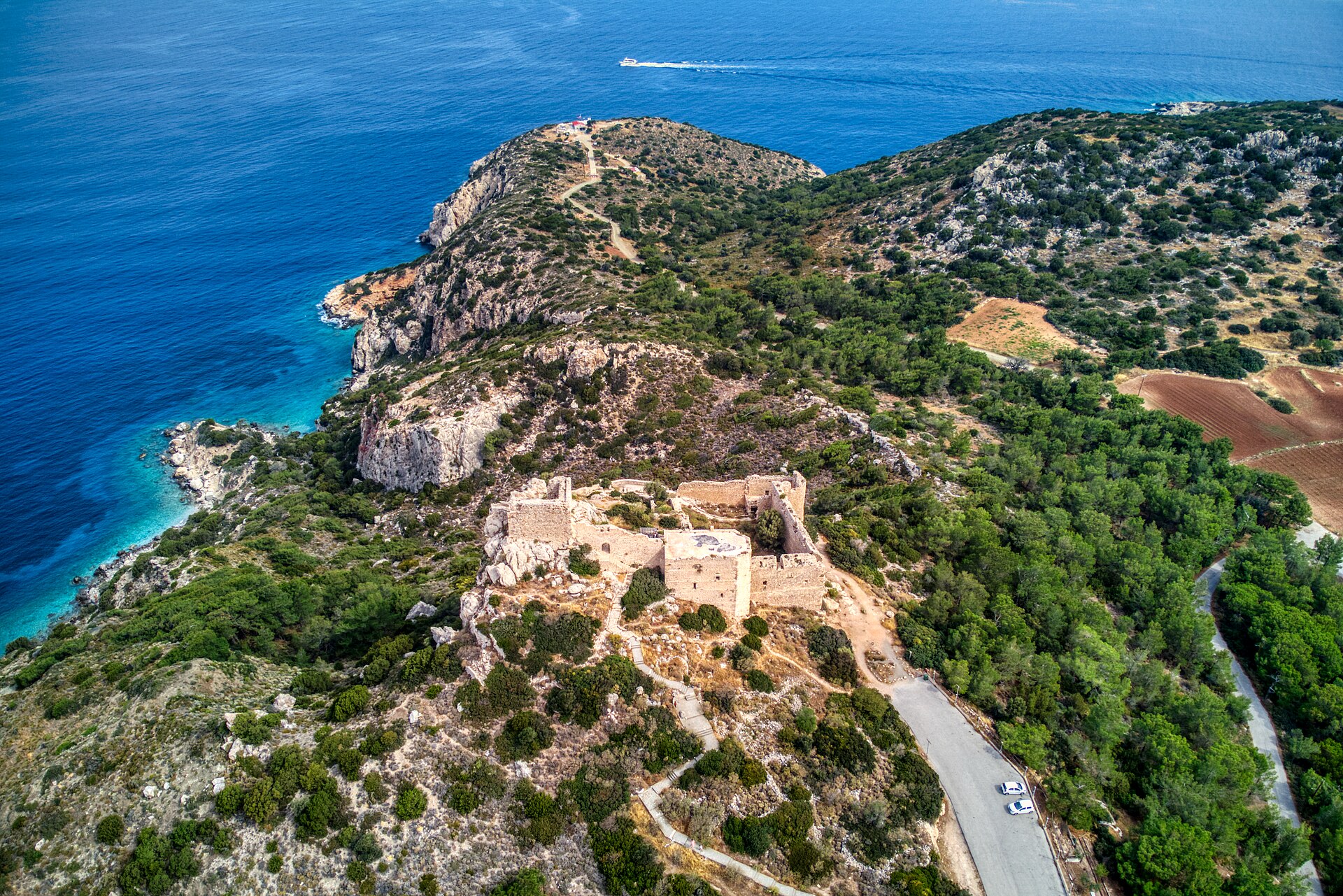
Kritinia Castle stands above the western coast of Rhodes, separate from the village that gives it its name.
- A late-medieval coastal stronghold
Hellenic Heritage dates the erection of the castle to 1472 and associates it with Giorgio Orsini.
- Reading walls, towers and maritime outlook
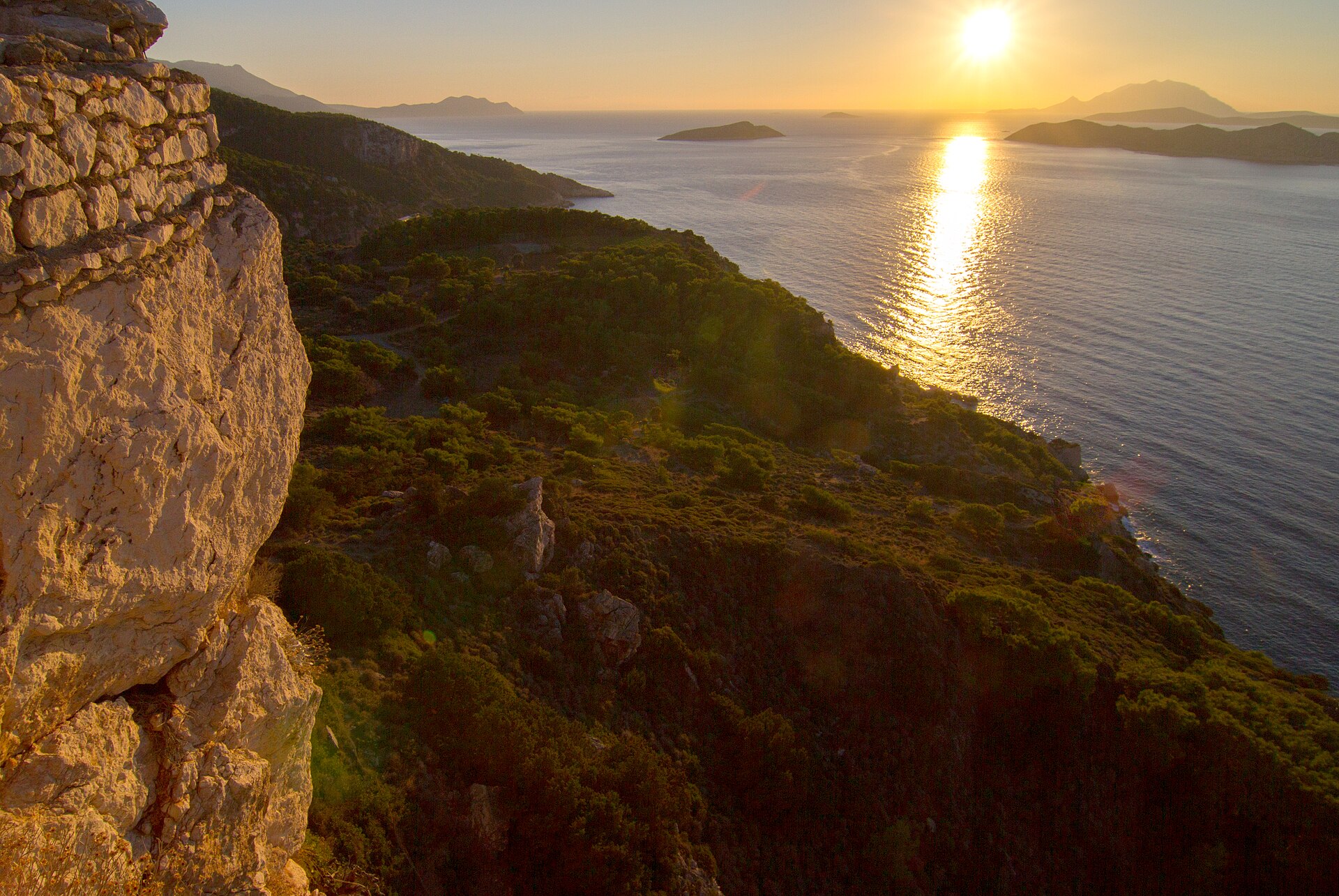
The height offers views toward Chalki and smaller islands, connecting the local enclosure with the sea beyond western Rhodes.
- Authority written in stone
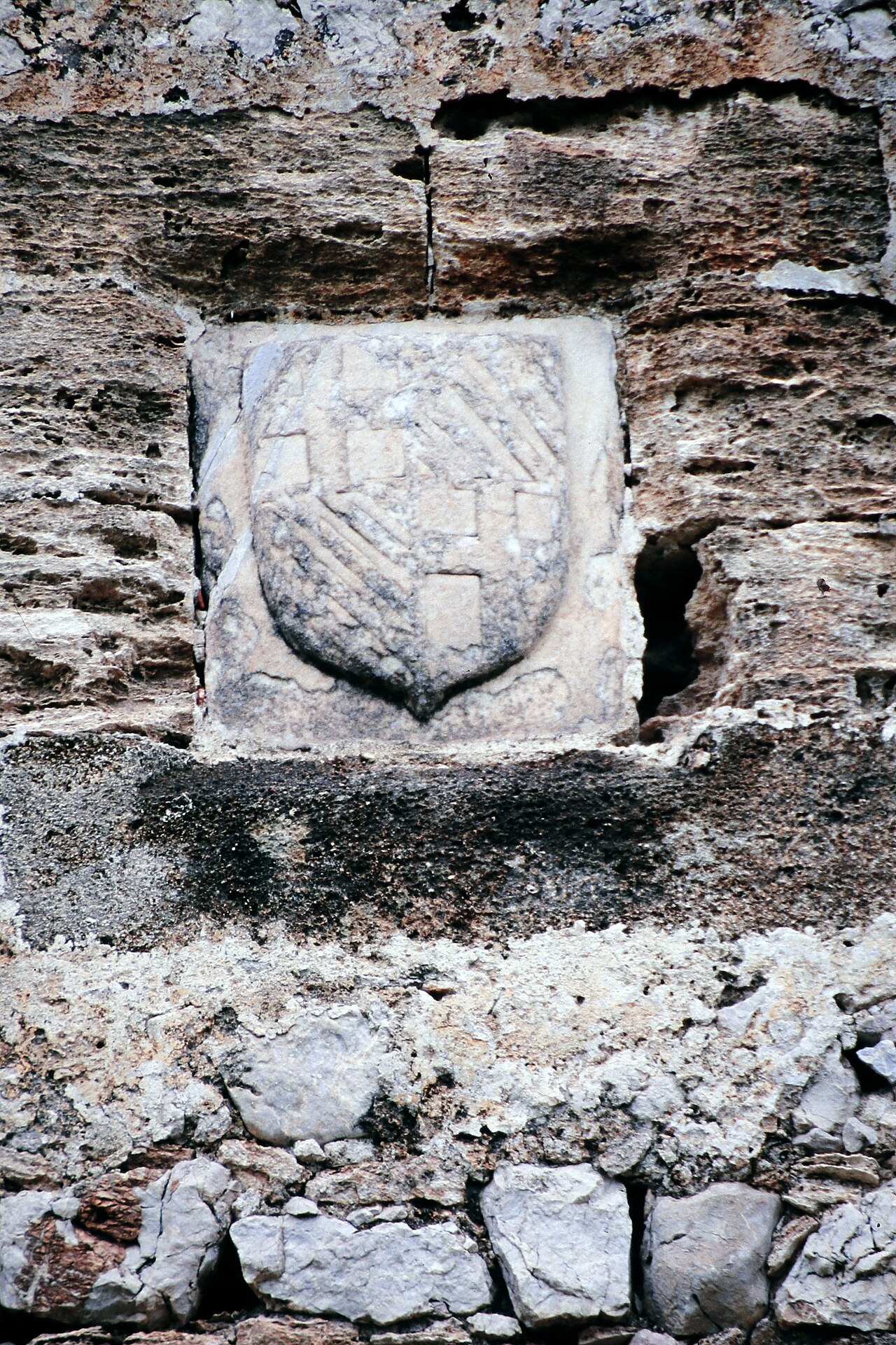
Carved coats of arms survive as compact statements of institutional power.
Strategic role
A western Rhodian locality where a fortified height overlooked sea approaches and the surrounding rural district.
Village and castle are distinct
The castle and the village named Kritinia occupy different ground. The fortress stands on a height above the western coast of Rhodes; the village remains an inhabited community below. From the approach, the sea view explains the choice of a defensible position, while the streets and churches below show the rural life that surrounded it. Visiting both places connects the military outpost with its setting without mistaking the village for part of the castle enclosure.
A late-medieval coastal stronghold
Hellenic Heritage dates the castle’s construction to 1472 and associates it with Giorgio Orsini. Yet the arms of Grand Masters d’Amboise and del Carretto, added in the early sixteenth century, show that its story continued after its foundation. The heraldry places Kritinia within the Hospitaller order’s changing system of coastal defenses. It also warns against assigning every wall to one builder: patrons and repairs accumulated over time, and the surviving symbols record only part of that process.
Reading walls, towers and maritime outlook
Inside the broken enclosure, walls and towers preserve a partial outline of the defended ground. The ruins of the Catholic church of Saint Paul recall that worship had a place within the fortress as well as military duty. From the walls, the view toward Chalki and the islands beyond reconnects the small interior with the sea routes it watched. The contrast between that broad outlook and the fragmentary buildings is the key to the visit; no intact palace or complete garrison town survives.
Authority written in stone
The carved arms are among the most specific evidence that survives at Kritinia. Rather than treating them as decoration, notice where they sit in the fortification and how the symbols of successive Grand Masters mark continuing authority. They complement the view from the castle: the landscape shows the reach of the defensive position, while the heraldry points to the people and institution that maintained it. Neither view alone can date the whole fabric.
A locality and a castle visit
The climb crosses exposed, uneven ground, and unstable edges require care. Hellenic Heritage lists free access, but conservation work or local restrictions can change what is open; confirm current arrangements before travel. Treat church interiors separately from the village’s public streets. If time allows, include the settlement below: it restores the human scale that the high walls and sea panorama can obscure.
Architecture
- Hilltop enclosure above the western coast
- Surviving towers and curtain walls
- Hospitaller coats of arms
- Ruins of the Catholic church of Saint Paul
Timeline
- 1472 Hellenic Heritage dates the erection of Kritinia Castle to this year.
- 1503–1512 The period of Grand Master d’Amboise is represented in the fortress heraldry.
- 1513–1521 The arms of del Carretto mark another early-sixteenth-century authority associated with the stronghold.
- Present day The surviving fortress and inhabited village offer complementary ways to understand the locality.
Visiting today
The fortress involves exposed ground and uneven routes; stay within permitted paths and keep away from unstable edges. Hellenic Heritage currently lists free access, but local restrictions and conservation conditions may change. Confirm arrangements before travel and treat church interiors separately from open village streets. Visiting the settlement as well as the castle avoids reducing the western countryside of Rhodes to a series of lookout points and leaves time to understand the different scale of ordinary habitation.
Historical contexts
- Knights Hospitaller
- Ottoman Period
- Rise of Modern Greece
- Harbor Defense and Sea-Lane Control
Expeditions
- Expedition II
Images
References
Related places
Topics
- Kritinia
- Historical Landscape
- Material Culture
- Visitor Context