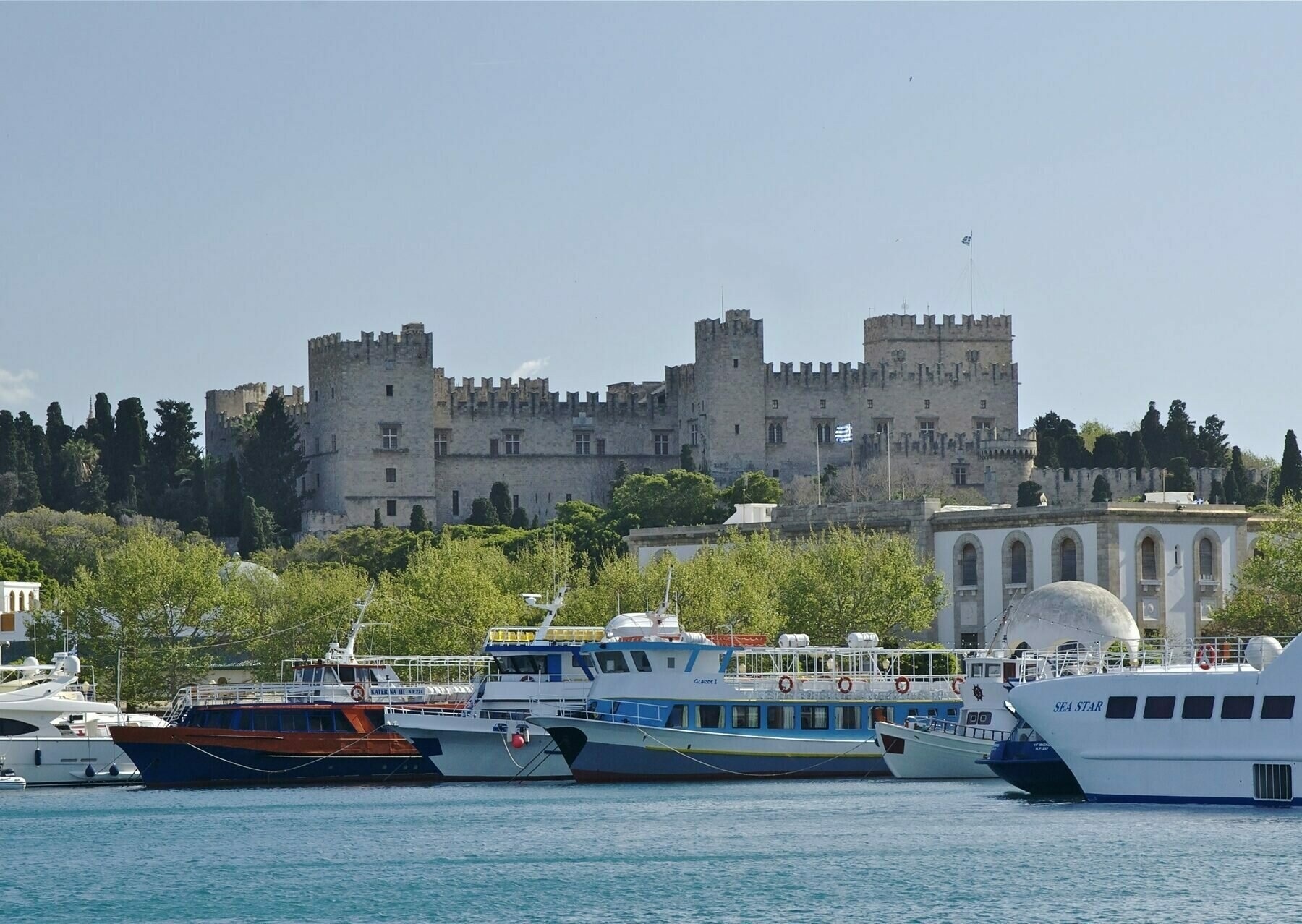
Highlights
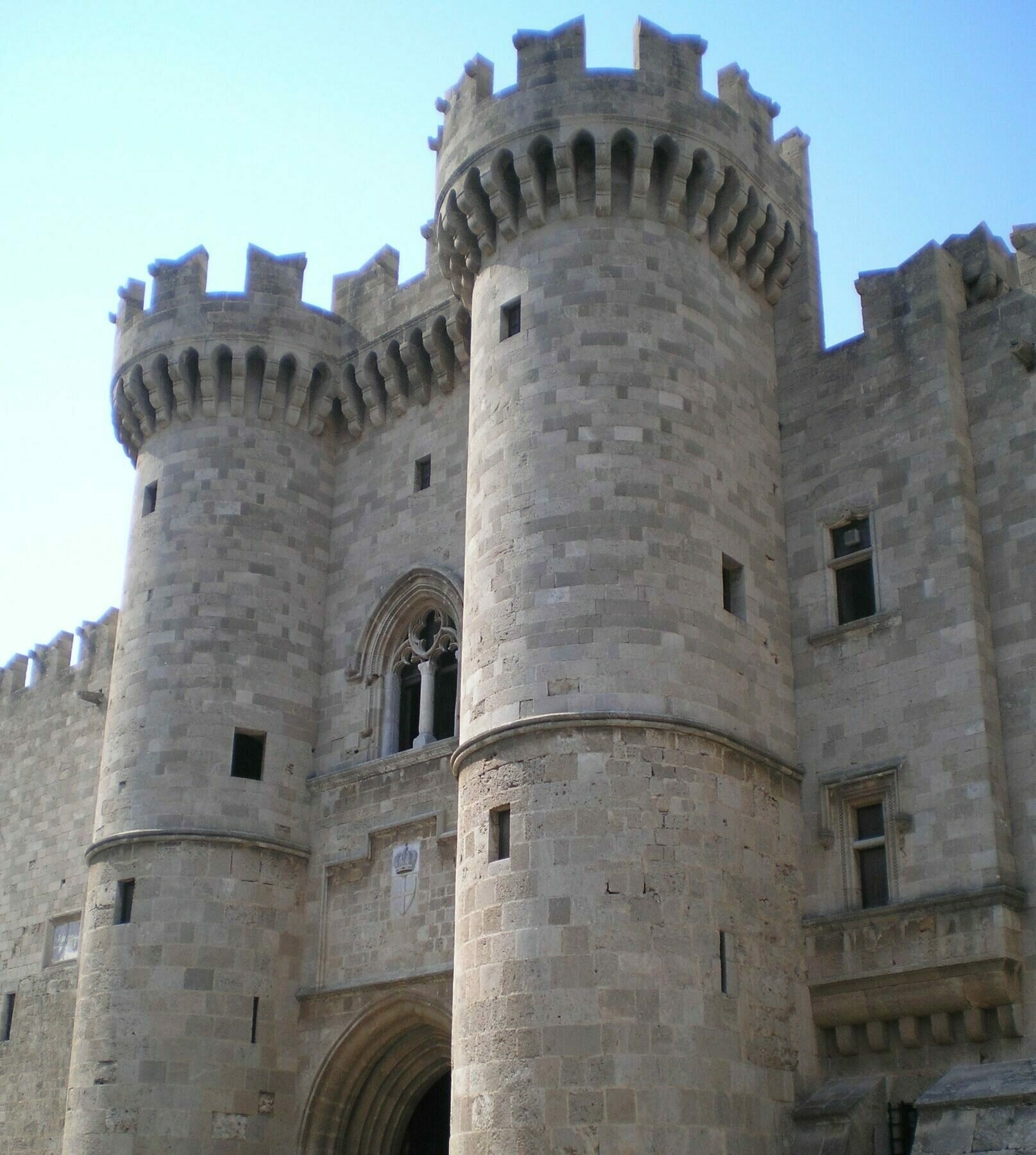
- Palace of the Grand Master
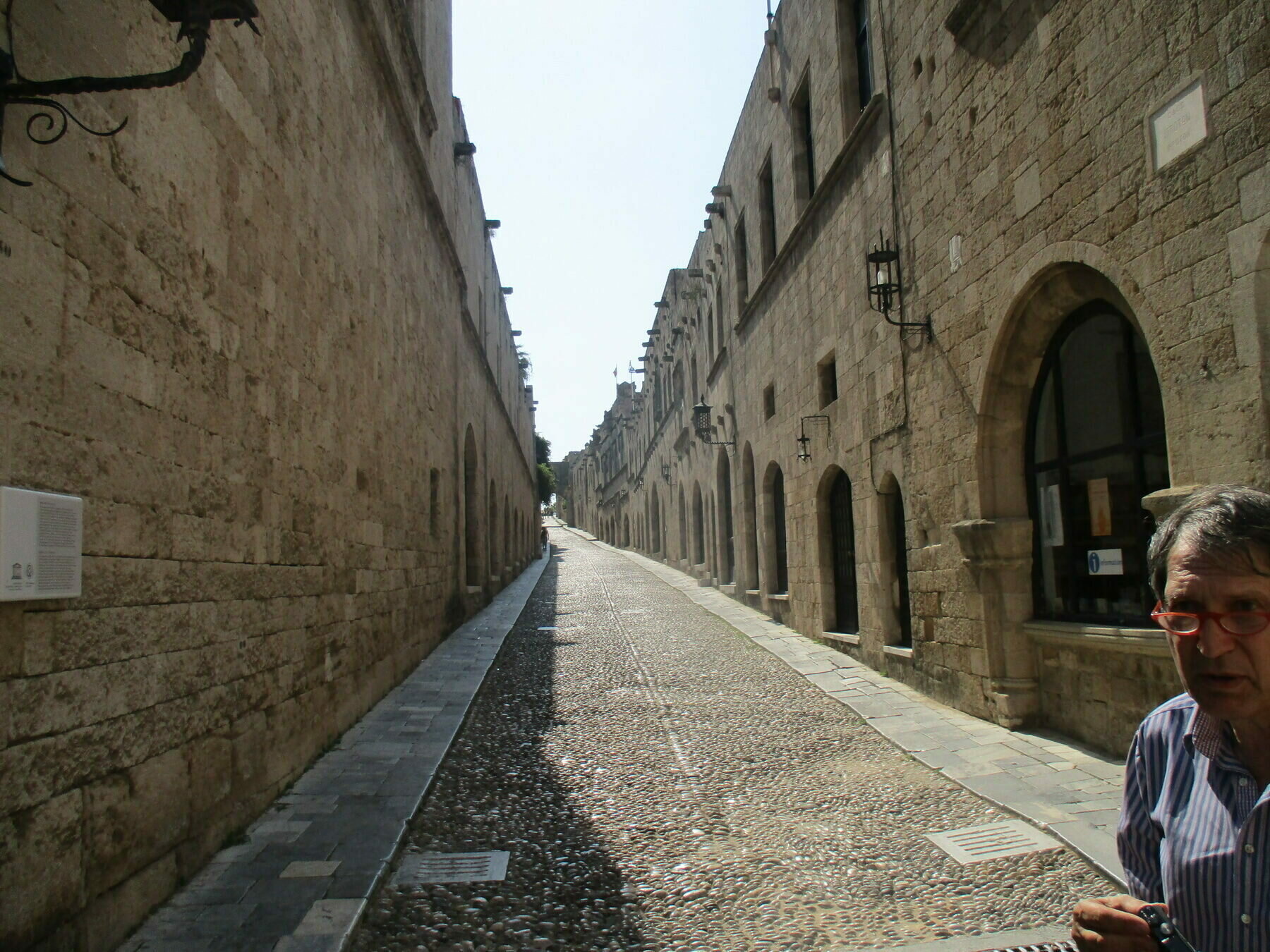
- Street of the Knights
- Hospital of the Knights
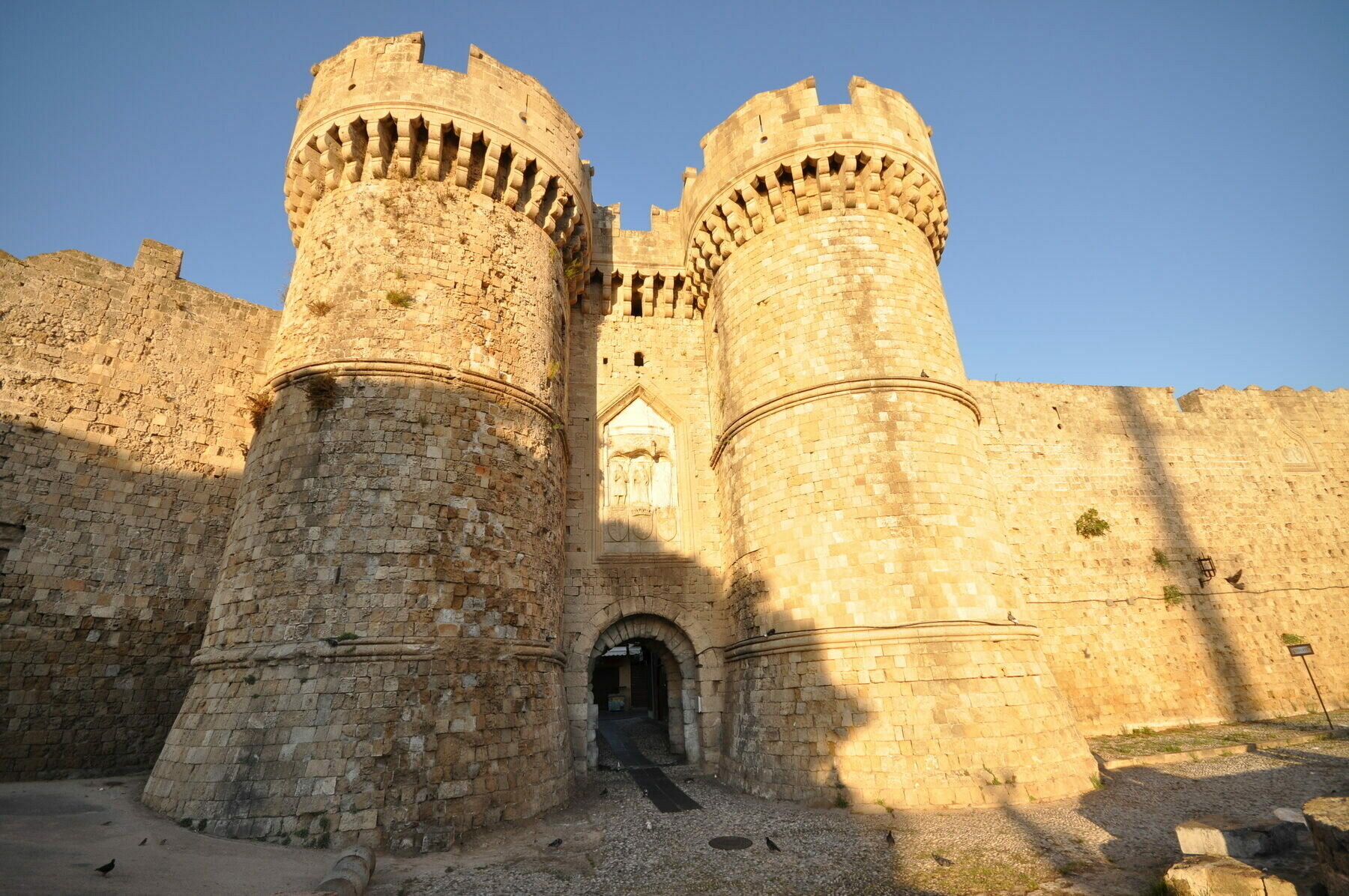
- Marine Gate
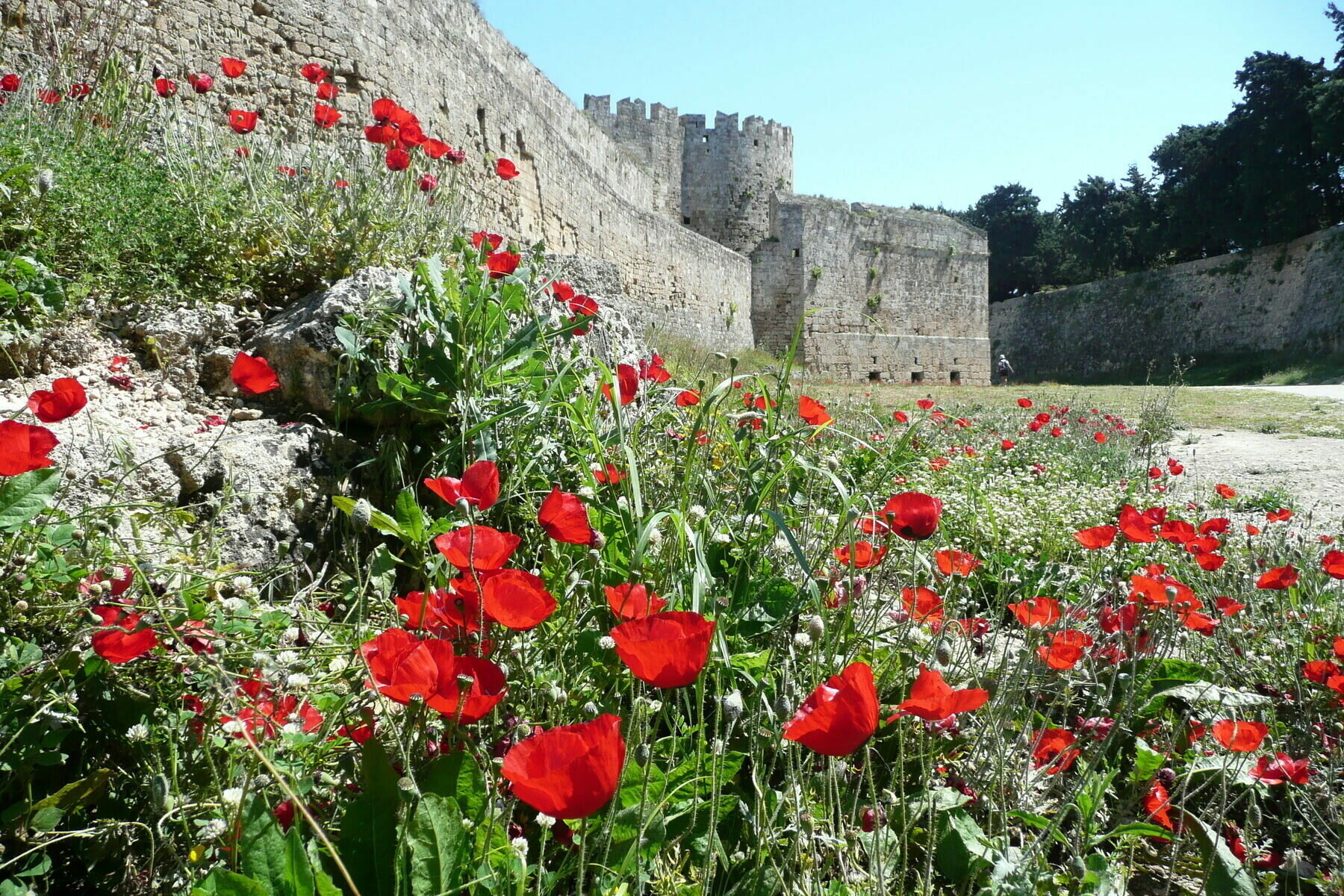
- Medieval walls and moat
- Suleymaniye Mosque
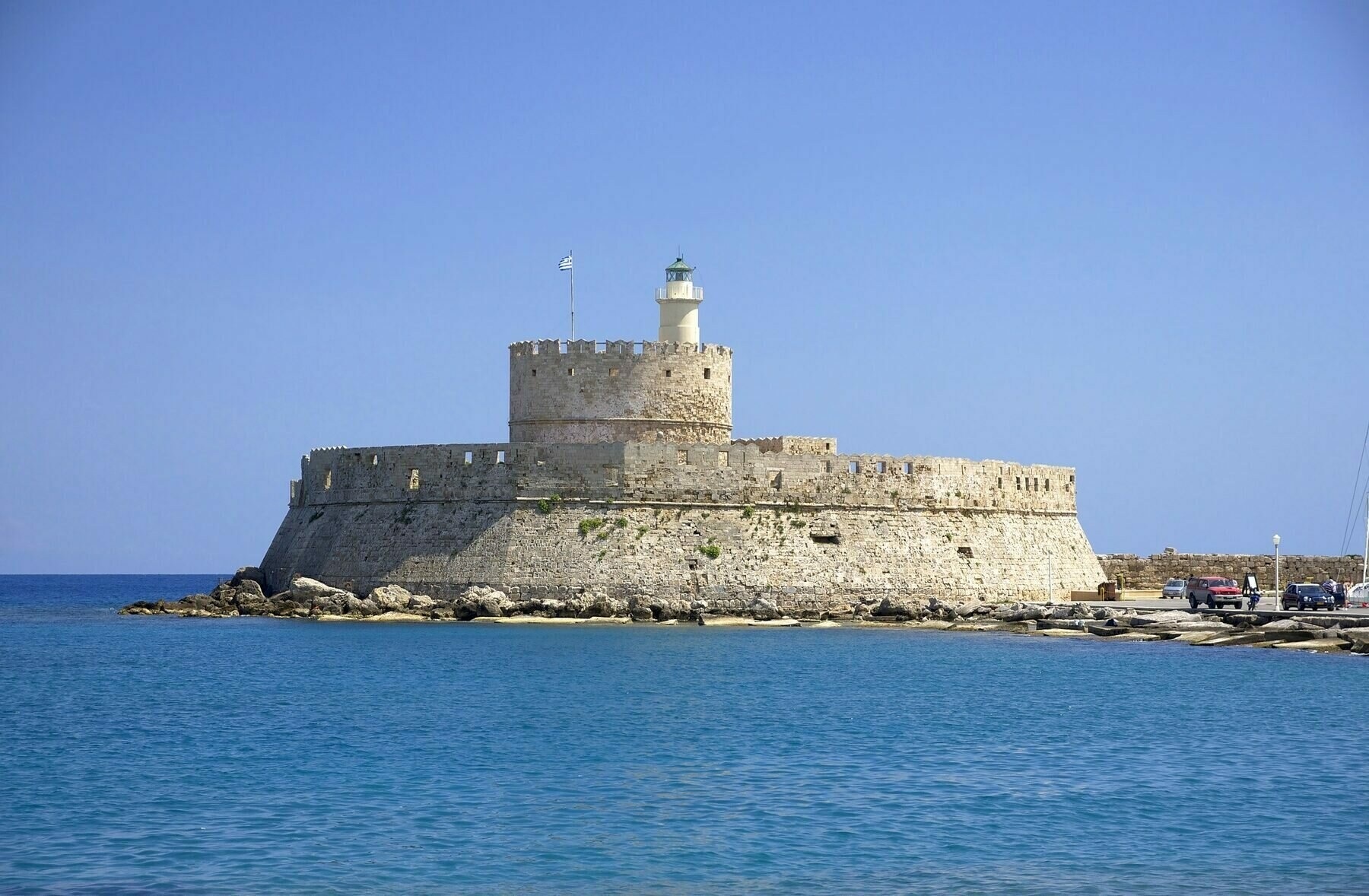
- Harbor fortifications
- Ottoman residential quarter
Overview and Historical Significance
Rhodes occupies a commanding position at the junction of the Aegean, Anatolian, Levantine, and Egyptian sea routes. Founded in 408 BC through the union of the island's principal cities, it quickly became one of the leading commercial and naval powers of the Hellenistic world. The siege by Demetrius Poliorcetes inspired the Colossus of Rhodes, while Rhodian maritime law, commerce, and scholarship gave the city influence far beyond the Aegean. Roman and Byzantine rule preserved its strategic importance, providing the foundation inherited by the Knights Hospitaller.
The Hospitaller Capital
From 1309 to 1522 Rhodes served as the headquarters of the Knights Hospitaller. The Palace of the Grand Master, Street of the Knights, Hospital, inns of the Tongues, arsenals, churches, and administrative buildings formed the center of an international military-religious state. Rhodes coordinated a wider network of castles, ports, and maritime defenses across the southeastern Aegean while protecting Christian shipping and confronting Ottoman expansion.
Fortifications and the Medieval City
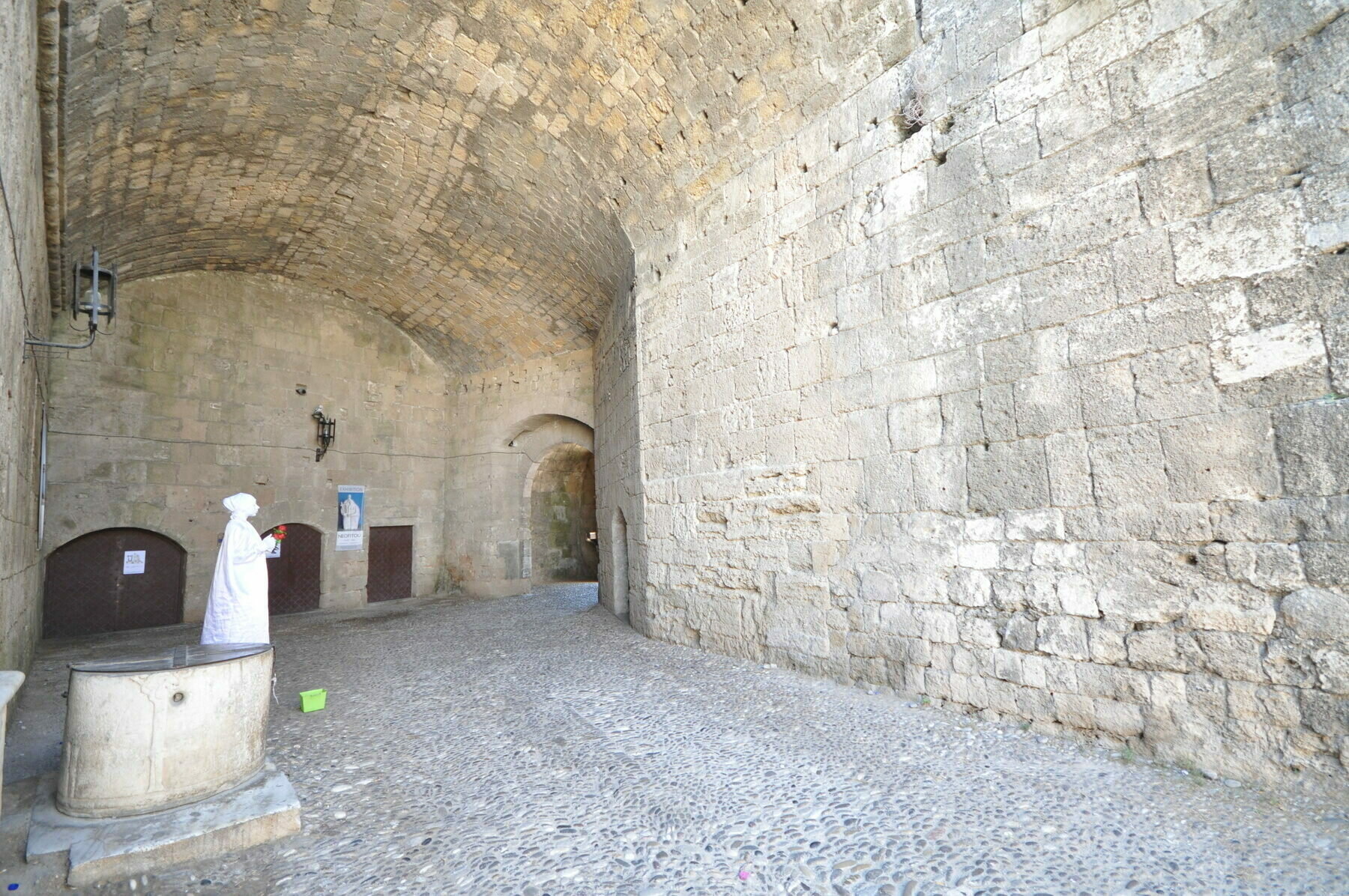
Rhodes evolved into one of Europe's greatest fortified cities. Successive improvements produced bastions, towers, gates, moats, artillery defenses, and harbor fortifications that successfully resisted the Ottoman siege of 1480 before finally yielding in 1522. Unlike an isolated castle, the medieval city remains a living urban environment preserving civic, military, religious, and residential quarters within its walls.
The Colossus and the Ancient Landscape
The Colossus of Rhodes, erected after the defeat of Demetrius Poliorcetes, became one of the Seven Wonders of the Ancient World before collapsing in the earthquake of 226 BC. Although it no longer survives, it symbolizes the city's ancient prosperity. The surrounding landscape also includes the Acropolis of Rhodes on Monte Smith, the ancient stadium, Temple of Apollo, Mandraki Harbor, Fort Saint Nicholas, and other monuments. A future map identifying these sites relative to one another would greatly enhance visitor understanding.
Later History, Preservation, and Visiting Today
Ottoman rule, Italian restoration, and modern Greek stewardship have all left visible layers within the city. Today the Medieval City is recognized as a UNESCO World Heritage Site and remains one of the world's finest preserved fortified urban ensembles. Visitors should explore both the medieval monuments and the adjacent archaeological landscape to appreciate Rhodes' exceptional continuity from antiquity to the present.
Timeline
- 408 BC Foundation of the classical city of Rhodes by synoecism of the island’s older cities.
- 305–304 BC Demetrius Poliorcetes unsuccessfully besieges Rhodes.
- c. 292–280 BC The Colossus of Rhodes is erected and becomes one of the Seven Wonders of the Ancient World.
- 226 BC An earthquake destroys the Colossus.
- Roman period Rhodes remains a major maritime, commercial, and educational center under Roman rule.
- 7th–12th centuries Rhodes remains an important Byzantine island stronghold and naval station.
- 1309 The Knights Hospitaller establish control of Rhodes and make it their eastern Mediterranean headquarters.
- 14th–15th centuries The city is transformed into a heavily fortified crusader capital with walls, gates, towers, arsenals, hospitals, and administrative quarters.
- 1480 The city withstands a major Ottoman siege under Mehmed II’s forces.
- 1522 Suleiman the Magnificent captures Rhodes after a long siege; the Knights leave the island.
- 1523–1912 Rhodes remains under Ottoman rule, with the medieval city adapted to new religious, civic, and residential uses.
- 1912–1947 Italian rule brings restoration, reconstruction, and major interventions in the medieval town.
- 1947 Rhodes becomes part of the modern Greek state.
- 1988 The Medieval City of Rhodes is inscribed as a UNESCO World Heritage Site.
Expedition guides
Images
References
Related places
Related Stops
Topics
- Rhodes
- Hospitaller
- Crusader
- Hellenistic
- Colossus
- Unesco
- Fortified City
- Dodecanese
- Maritime Power
- Medieval