Highlights
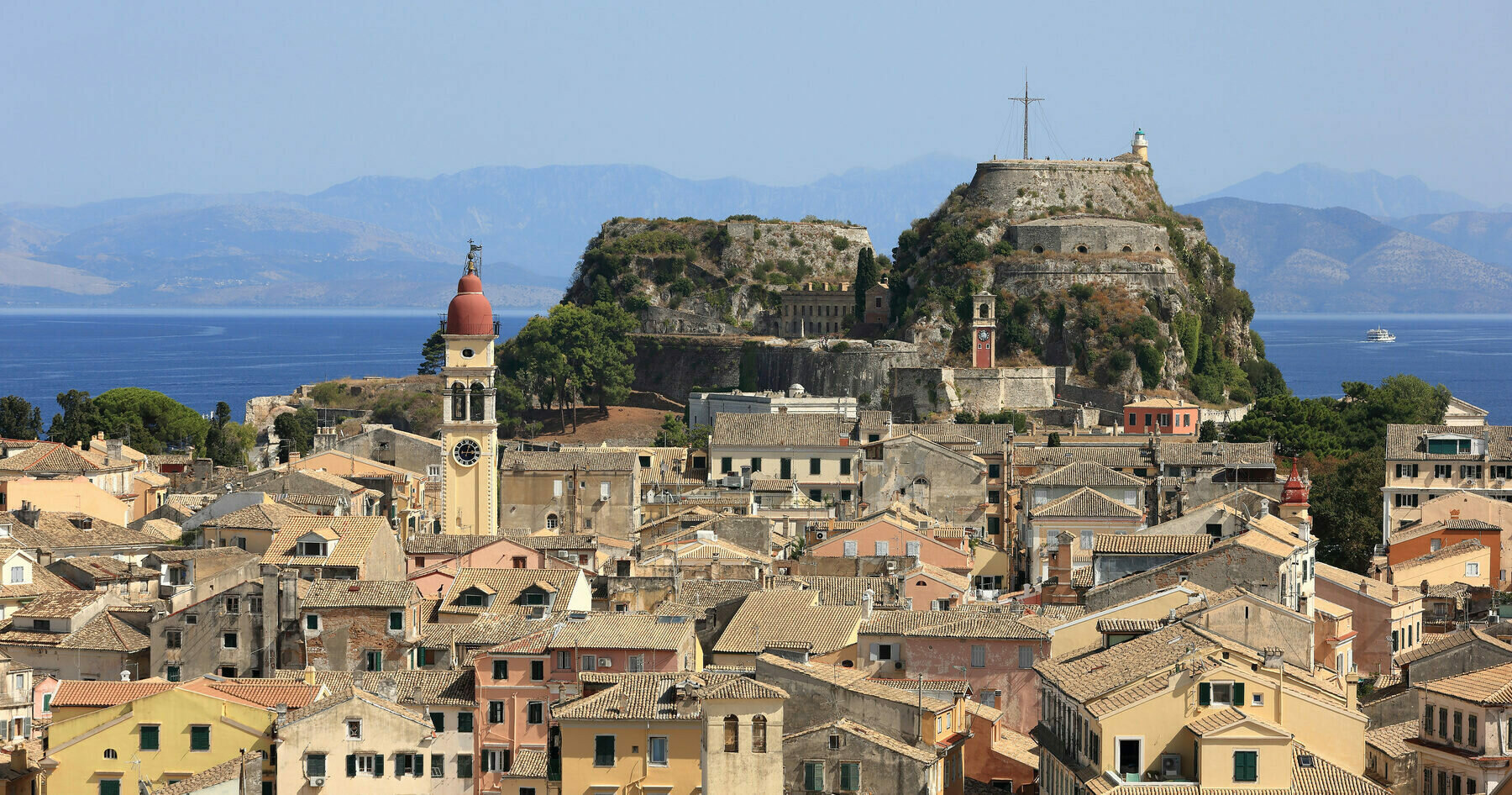
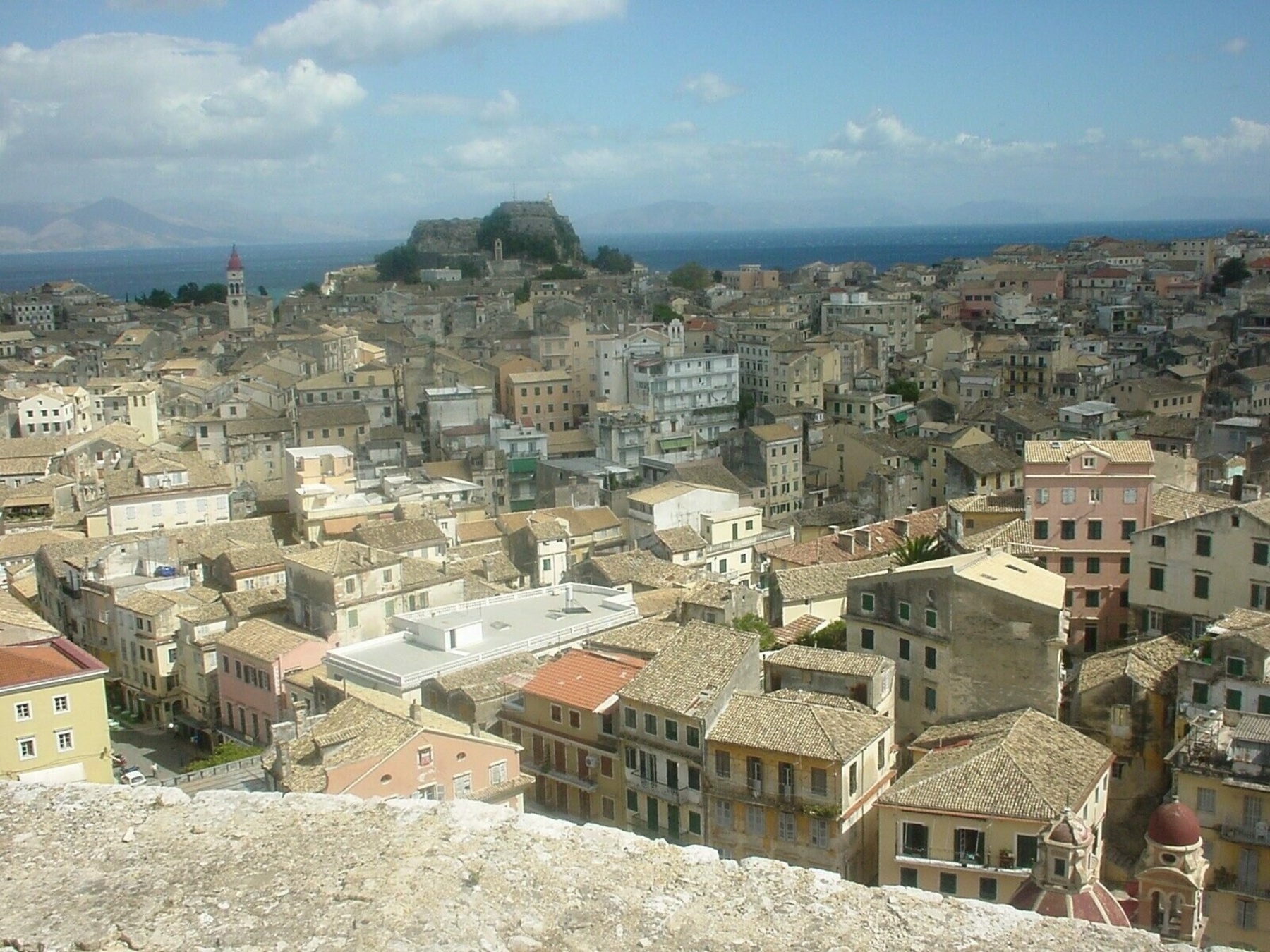
- The inhabited UNESCO-listed old town
- Old and New Fortresses as distinct monuments
- The Archaeological Museum and ancient Corfu
- The Museum of Asian Art
- Villages, religious sites and the wider island landscape
Strategic role
An Ionian island and historic urban center shaped by maritime connections, successive administrations, religious institutions and a living cultural landscape.
Fortifications and archaeological sites
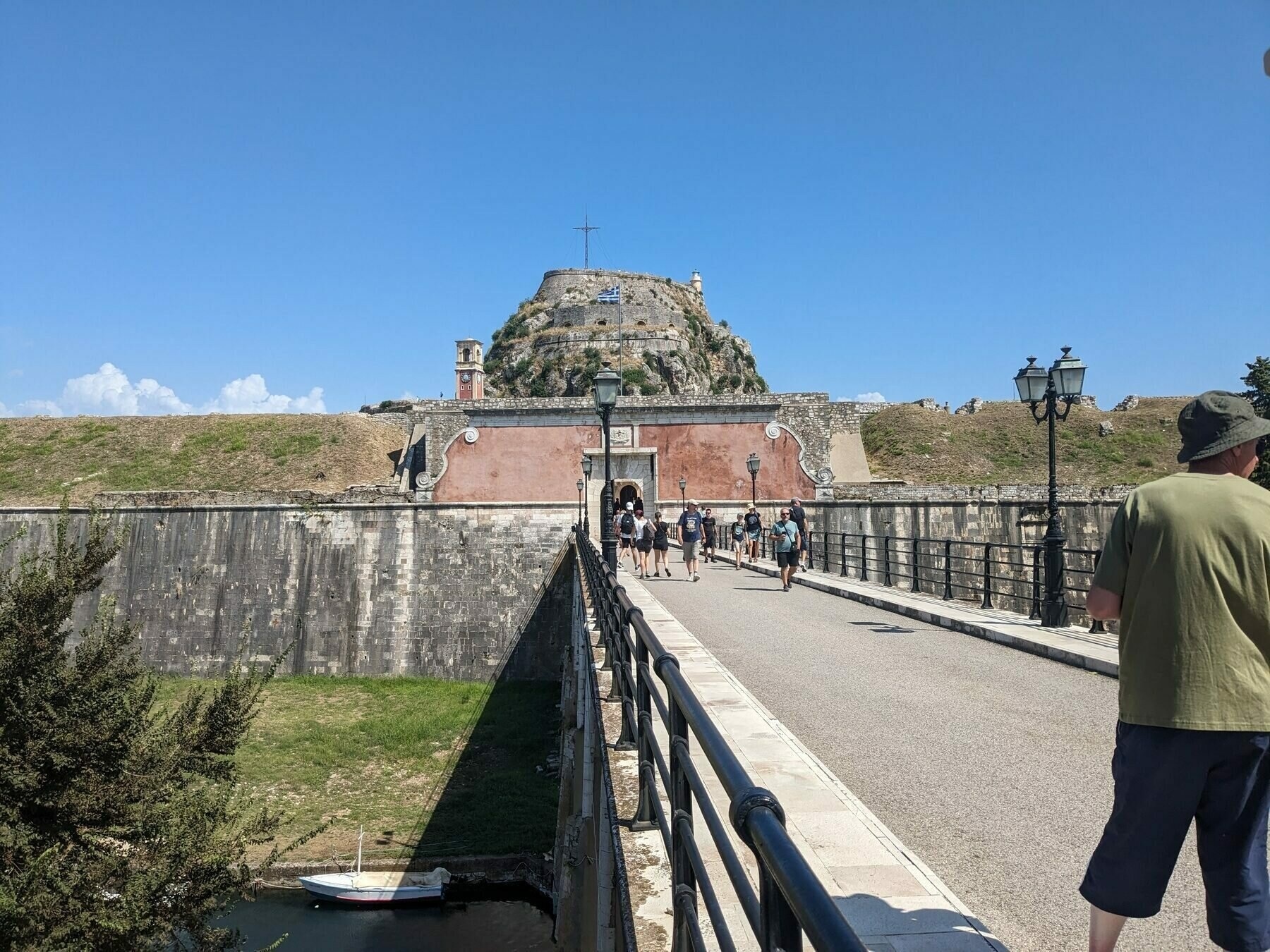
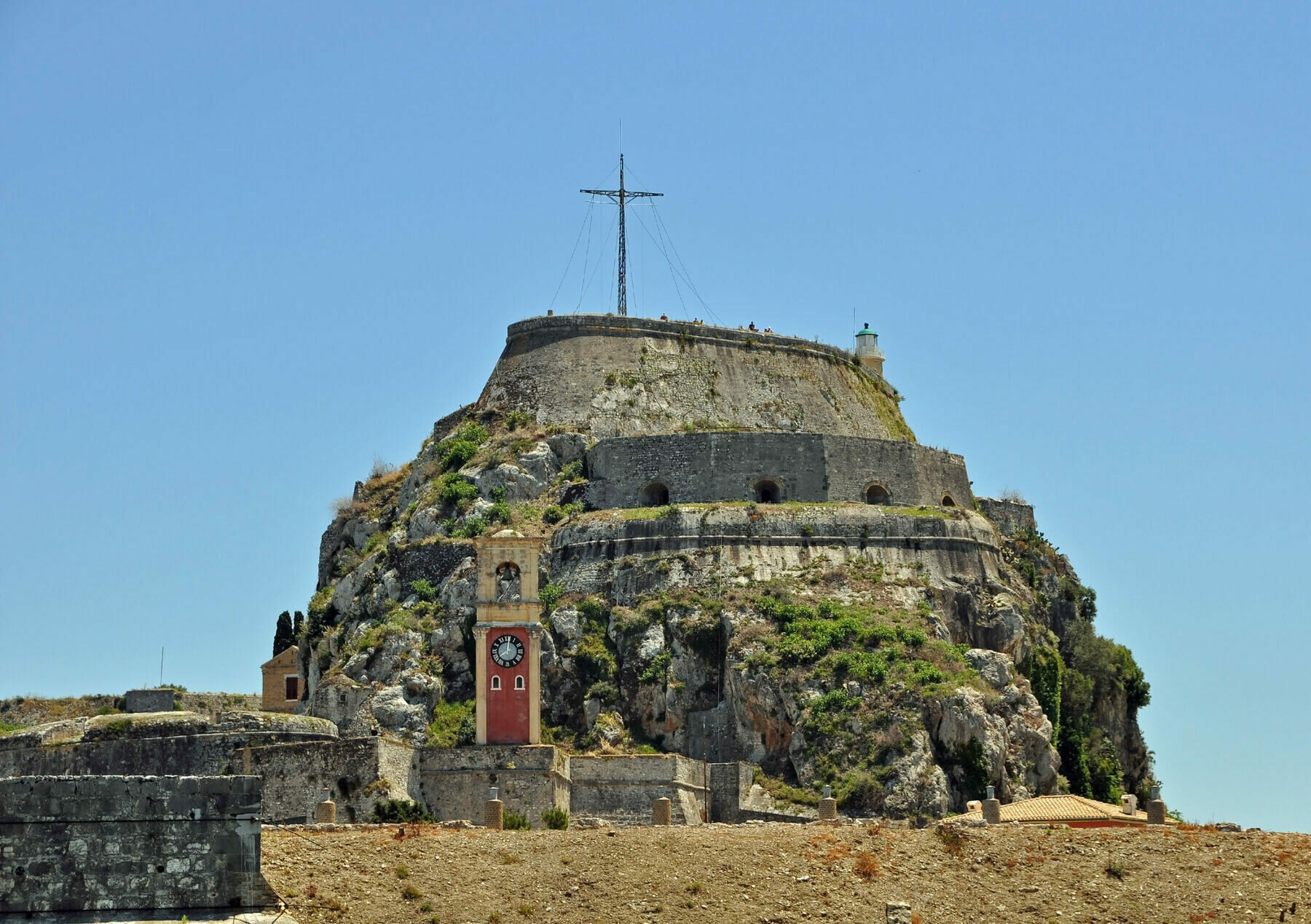
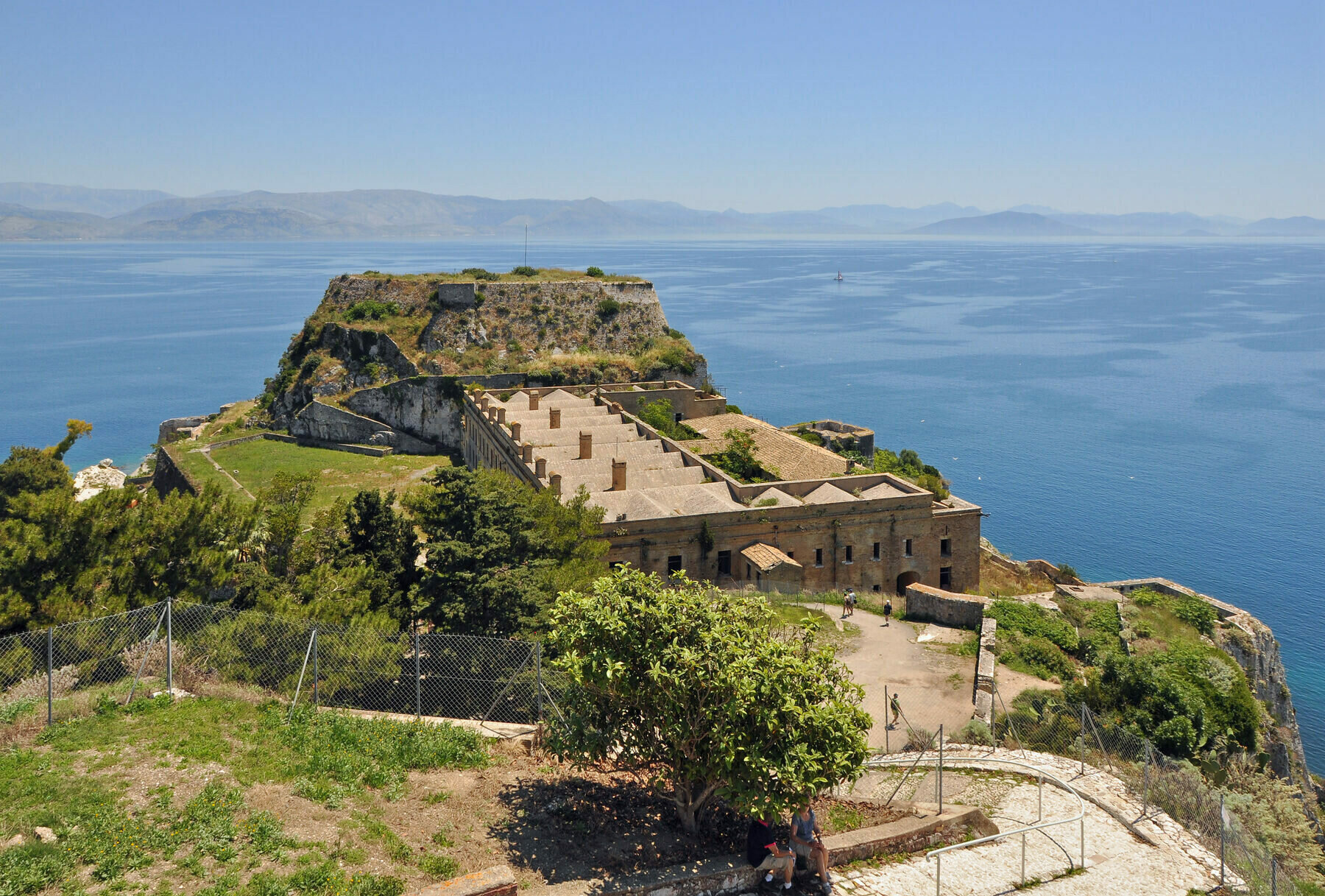
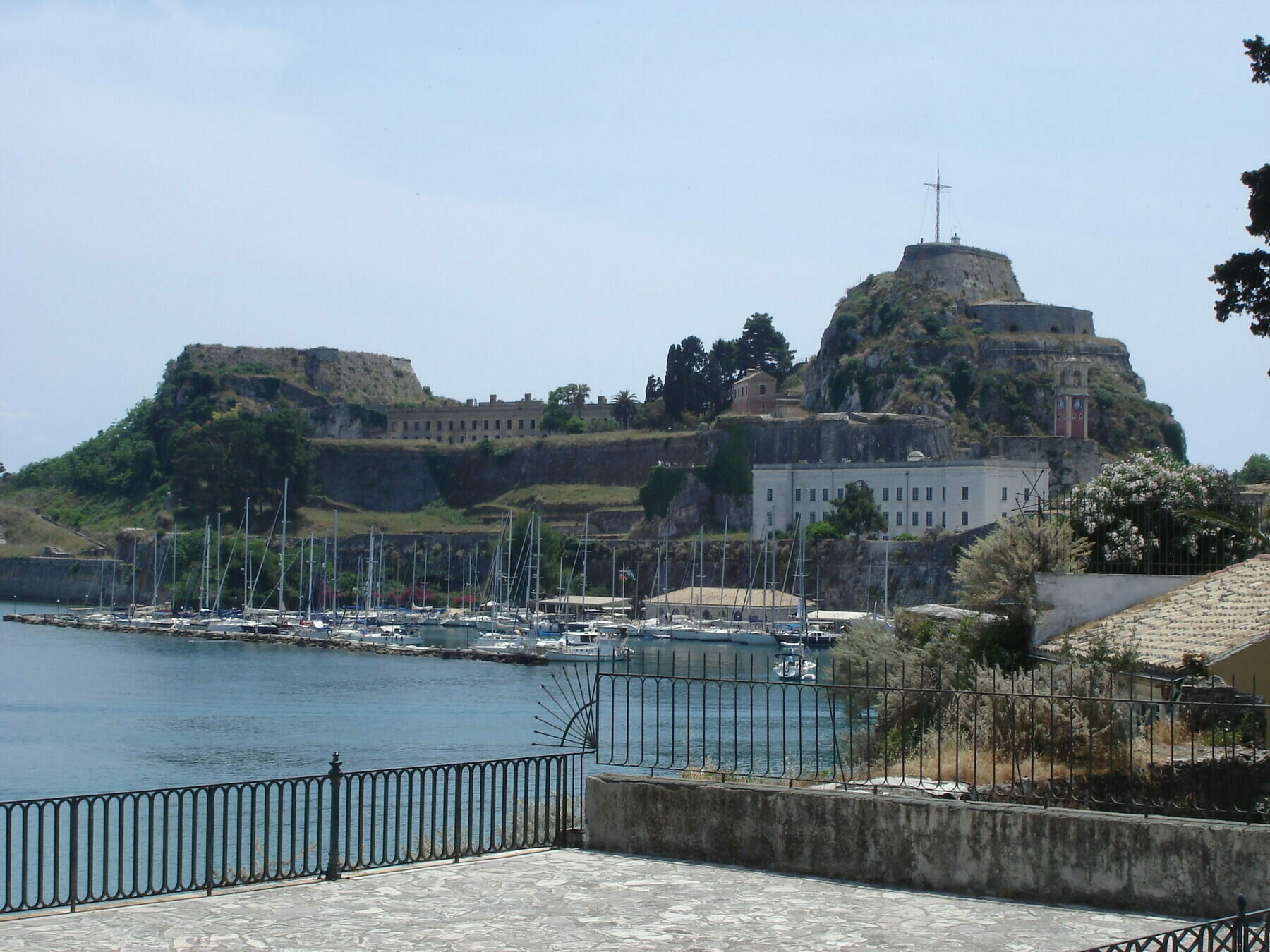
Old Fortress of Corfu
fortress
The older maritime citadel of Corfu, separated from the town by a moat and positioned to command the harbor approaches.
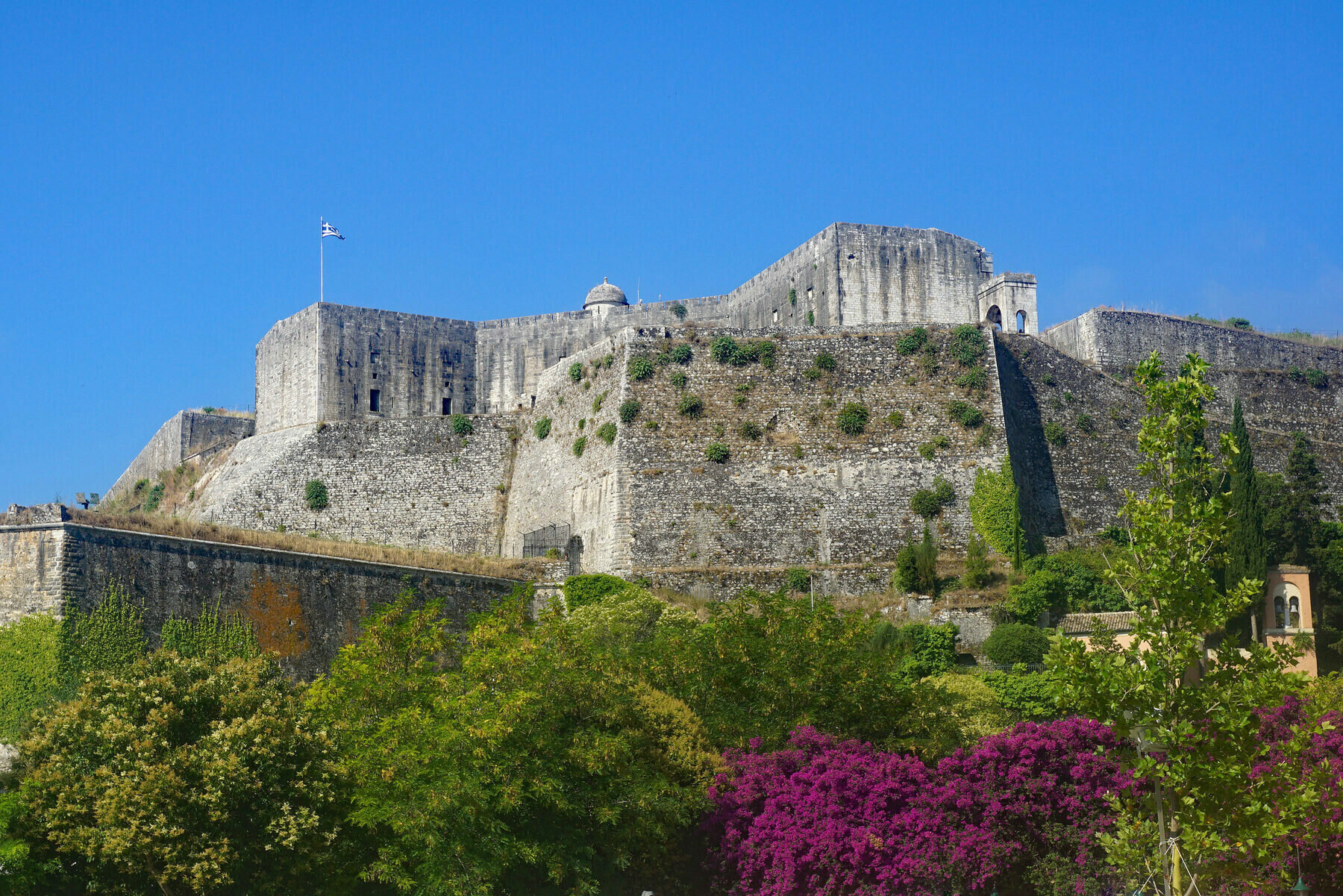
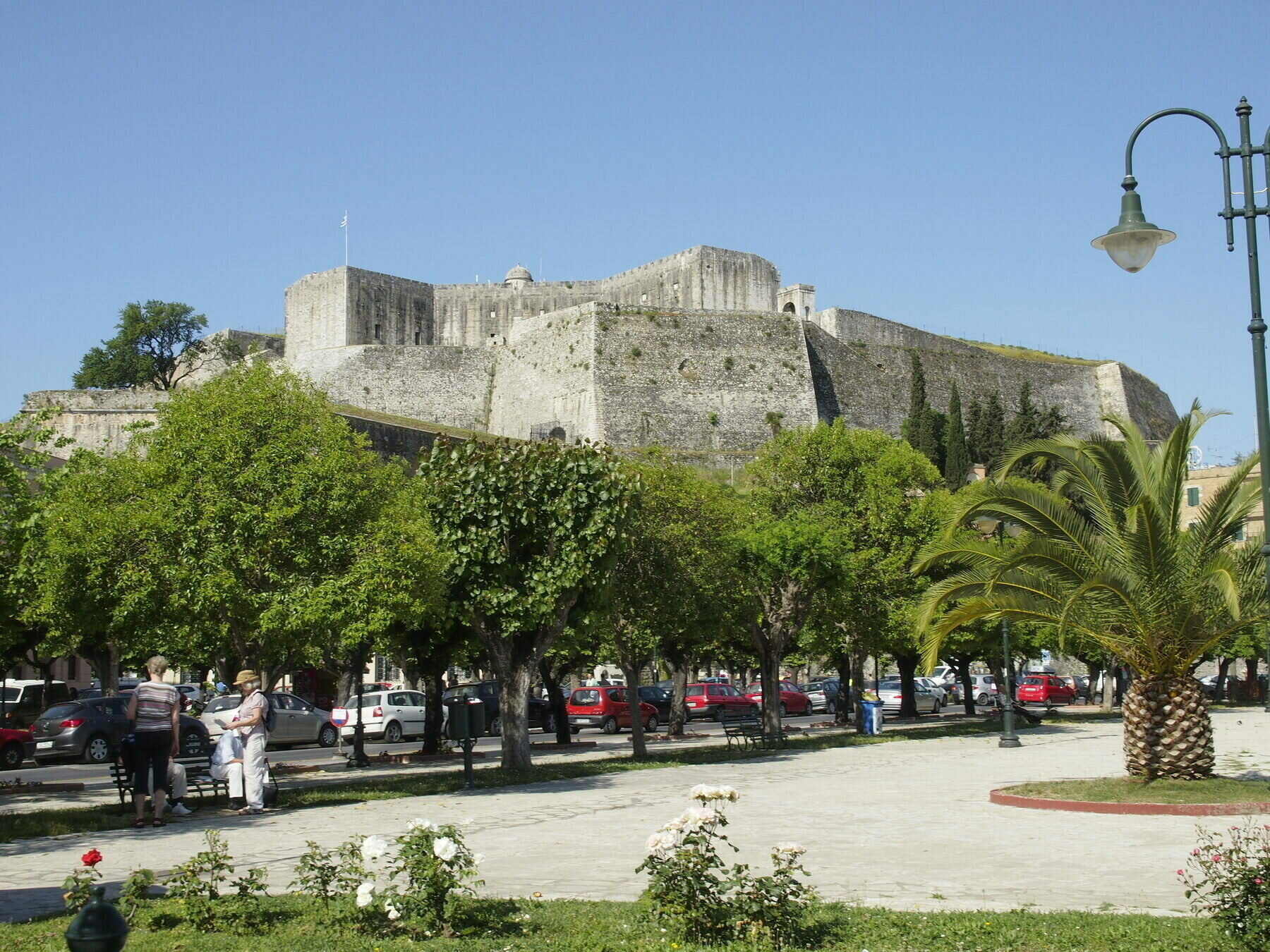
New Fortress of Corfu
fortress
The later Venetian fortress strengthening the urban and landward defenses of Corfu Town.
An island and its changing centers
The island’s ancient past is visible through archaeology as well as later buildings. Paleopolis and the Mon Repos landscape provide a different starting point from the Venetian old town, while the Archaeological Museum presents material from prehistoric through Roman Corfu. Together they prevent the surviving fortresses from becoming the beginning of the island’s entire history.
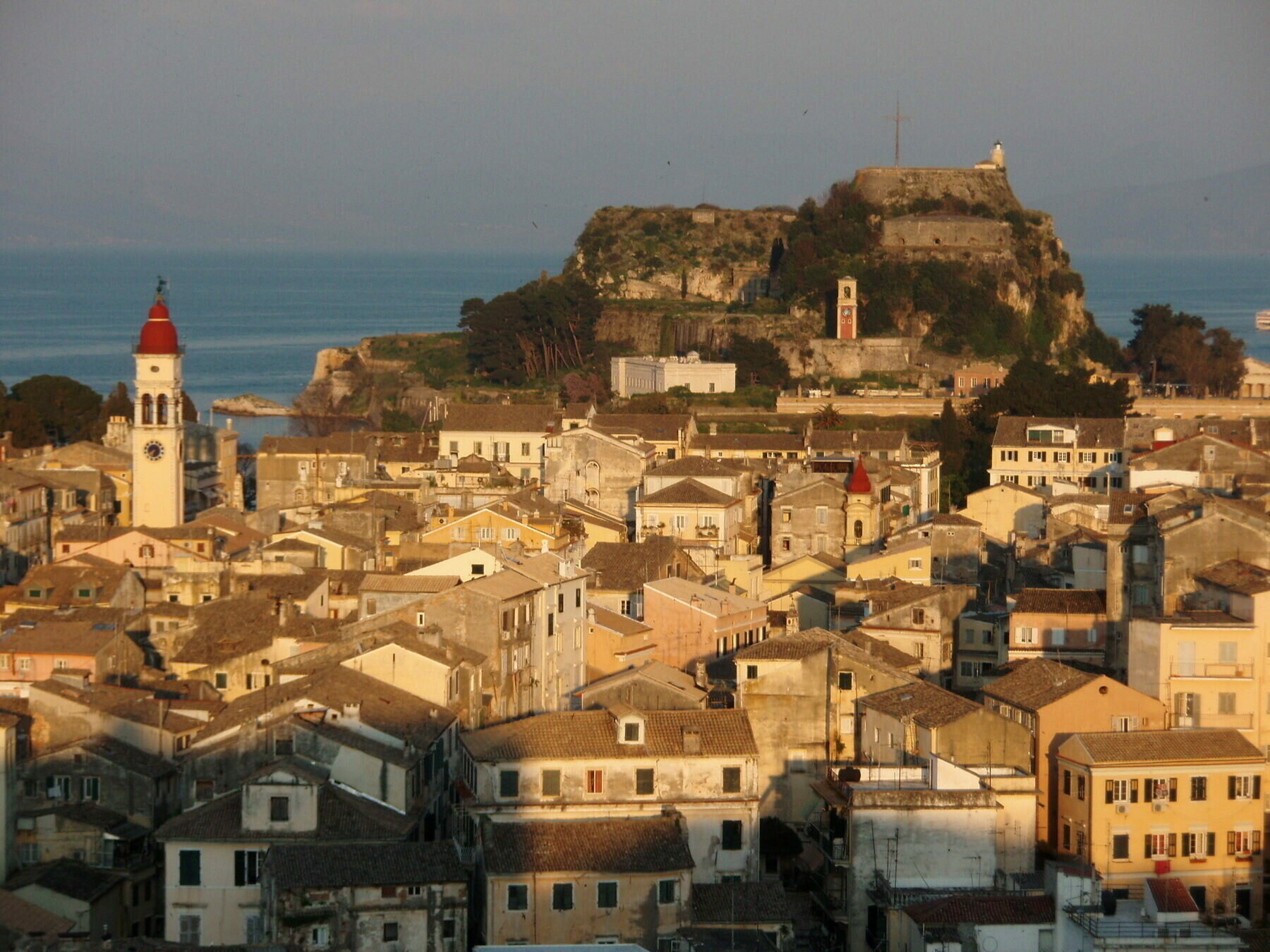
The historic town and its two fortresses
The Old Fortress occupies the older defended peninsula; the New Fortress helped protect the expanding town and its landward approaches. Between them, streets, squares and churches retain the character of an inhabited historic capital. The Spianada and Liston belong to the experience of the town as much as the battlements. Detailed building histories and separate access conditions are covered in the two monument accounts.
Museums, churches and public culture
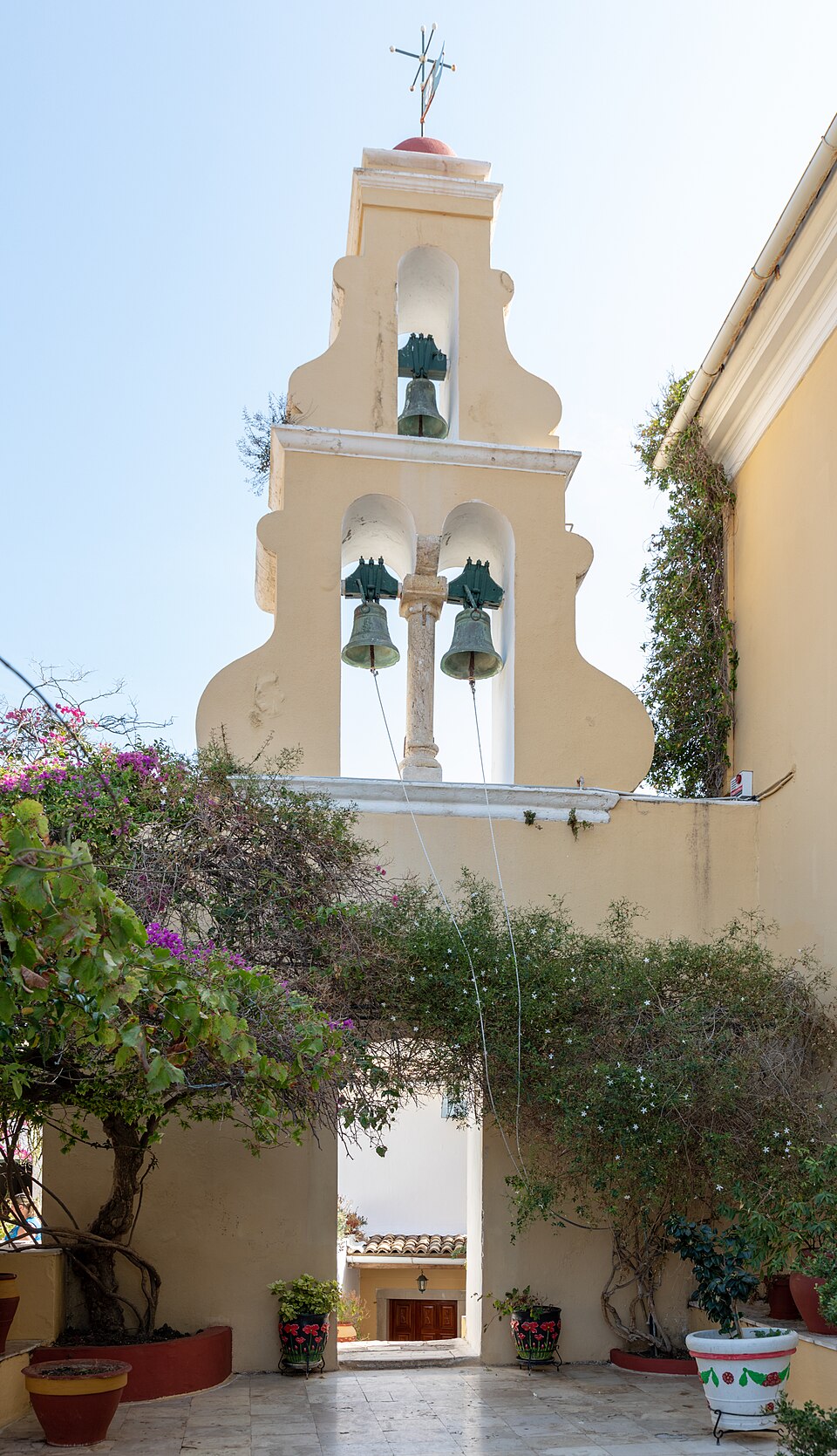
The Palace of St Michael and St George houses the Museum of Asian Art, whose collections connect Corfu to cultural worlds far beyond the Ionian Sea. The Archaeological Museum offers another scale of encounter with the island’s past. Churches, religious observances and philharmonic traditions give the streets a living institutional and musical character: this is more than an architectural backdrop.
Beyond the capital
Explore the island’s villages and countryside alongside the city. Paleokastritsa combines a coastal religious landmark with a wider landscape of coves and headlands, while inland settlements and cultivated ground give another rhythm to island life. Angelokastro provides a contrasting fortified height beyond the capital. No single town walk can stand for the whole island.
Planning an island visit — November 2026
Group the capital’s streets and museums into manageable visits, then allow separate time for the countryside and distant monuments. Check each museum, religious site and fortress independently. The New Fortress operator lists winter closure, while the Old Fortress has a separate winter visiting season. Those differences matter more than assuming that the two landmarks share one timetable.
Architecture
- Ancient urban remains and archaeological collections
- Historic streets, churches and civic buildings of Corfu Town
- Old and New Fortresses, surviving gates and harbor defenses
- Religious institutions and traditional village buildings across the island
- Cultivated countryside and coastal landscapes
Timeline
- Prehistoric to Roman periods The island’s ancient communities and city are represented in the Archaeological Museum and Paleopolis landscape.
- Byzantine foundations Earlier defenses establish Corfu as a fortified maritime position.
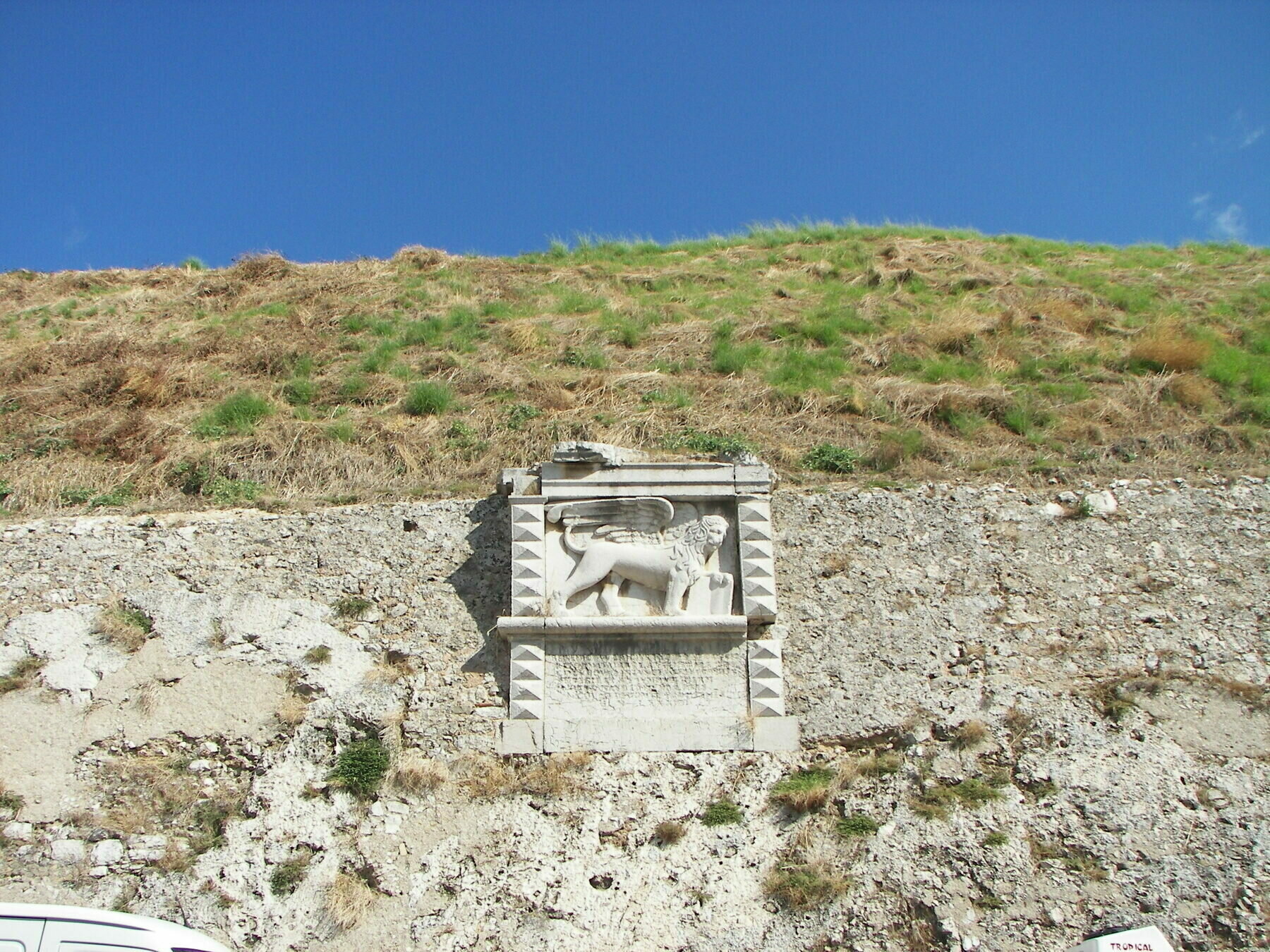
- Venetian period The Old Fortress and later New Fortress are developed as part of Venice's defensive system in the Ionian Sea.
- Ottoman pressure Corfu's fortifications become central to the defense of the Ionian frontier against Ottoman expansion.
- British and modern period The fortified city continues to be adapted, preserved, and reinterpreted within the modern history of the Ionian Islands and Greece.
- Modern heritage Corfu Town and its fortifications remain among the most important surviving fortified urban ensembles in Greece.
Visiting today
Combine the old town and museums with at least one inland or coastal village landscape. Fortress and museum access differ by site and season; active churches and monasteries may also limit visiting during worship.
Historical contexts
- Venetian Maritime Empire
- Ottoman Period
- Rise of Modern Greece
- Harbor Defense and Sea-Lane Control
Expeditions
- Expedition IV
Images
References
Related places
Topics
- Fortified City
- Venetian
- Byzantine
- British
- Ionian
- Harbor Defense
- Maritime Empire
- Urban Fortification
- Sea Lane Control