Overview
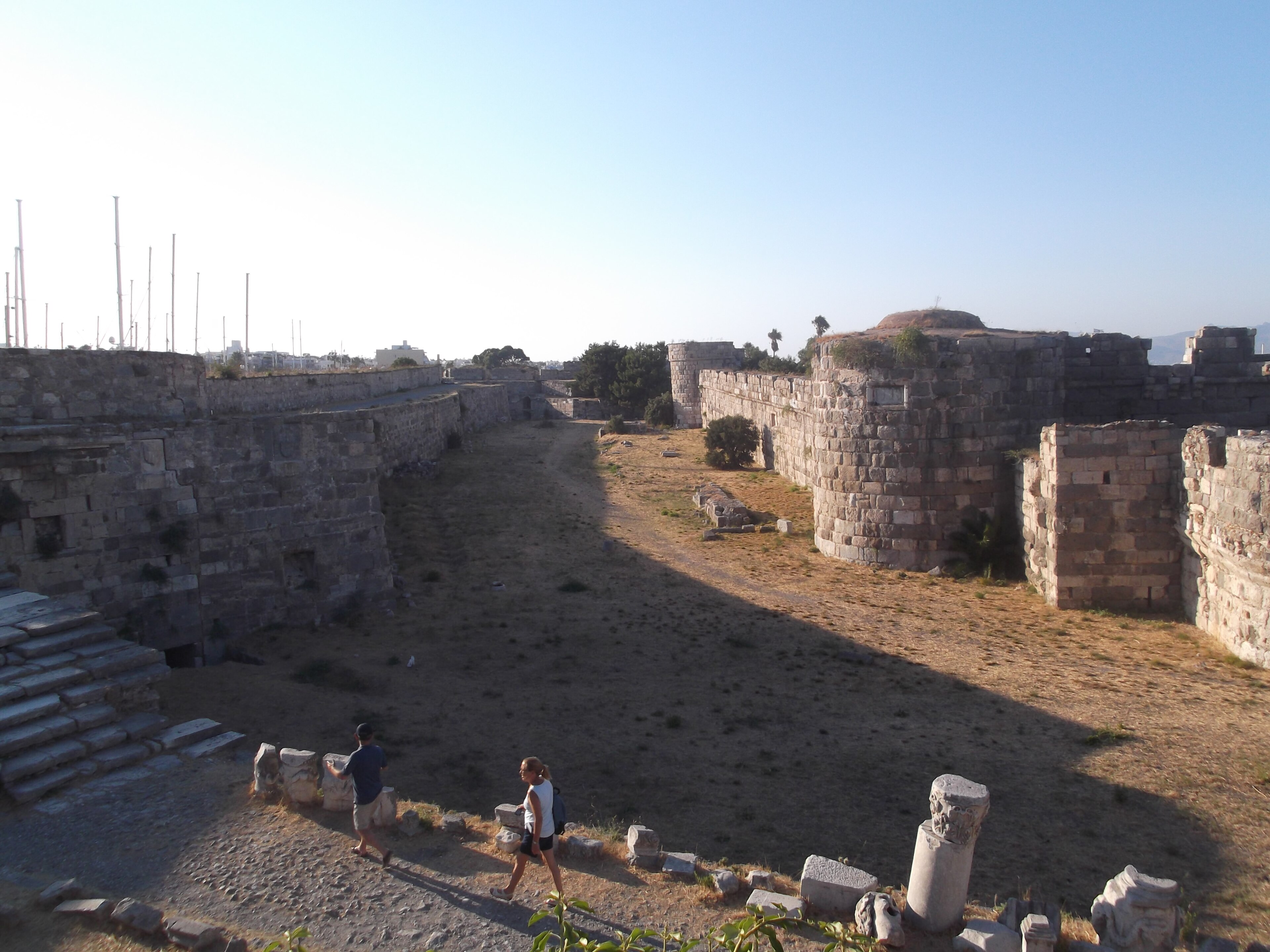
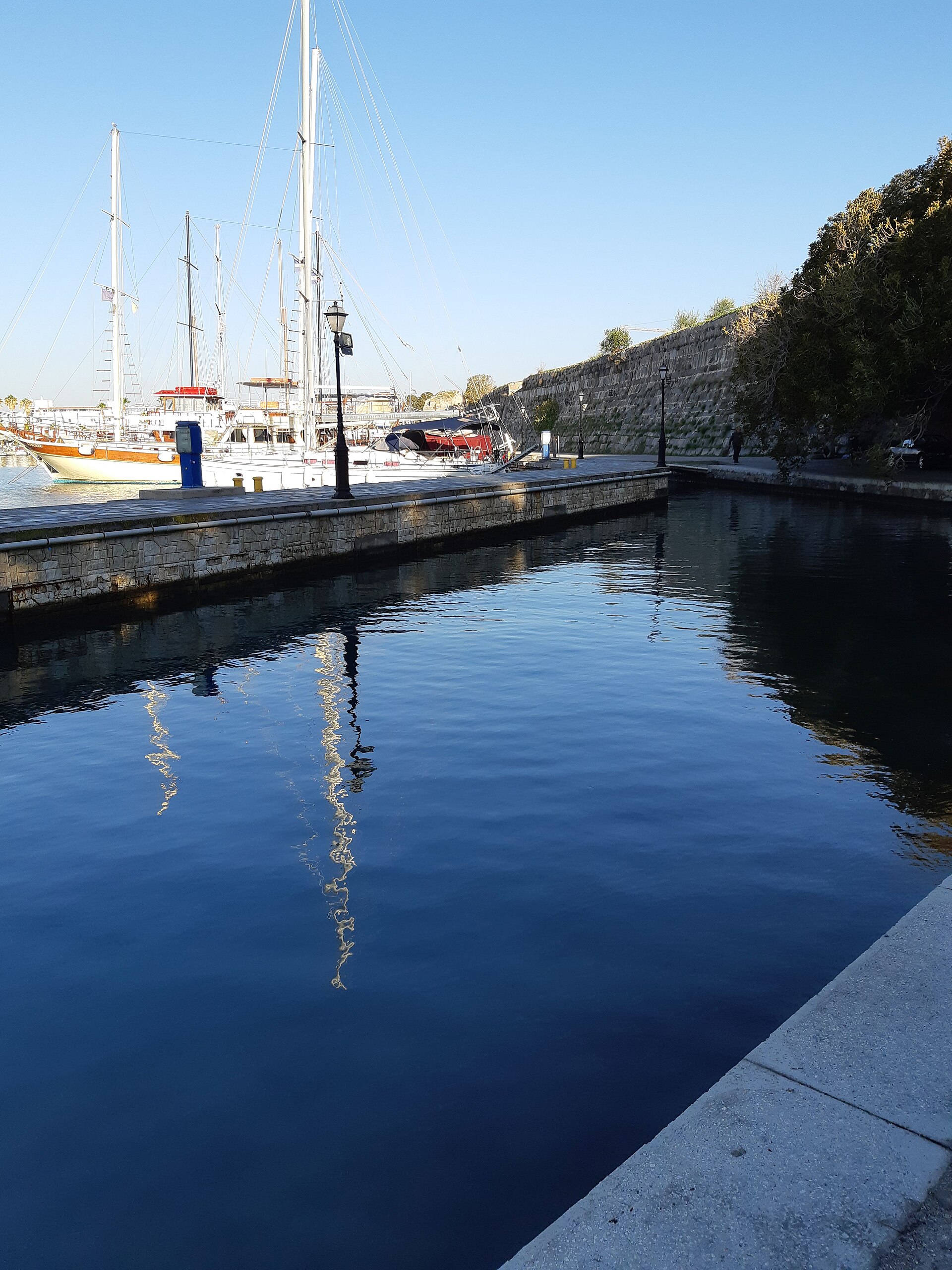
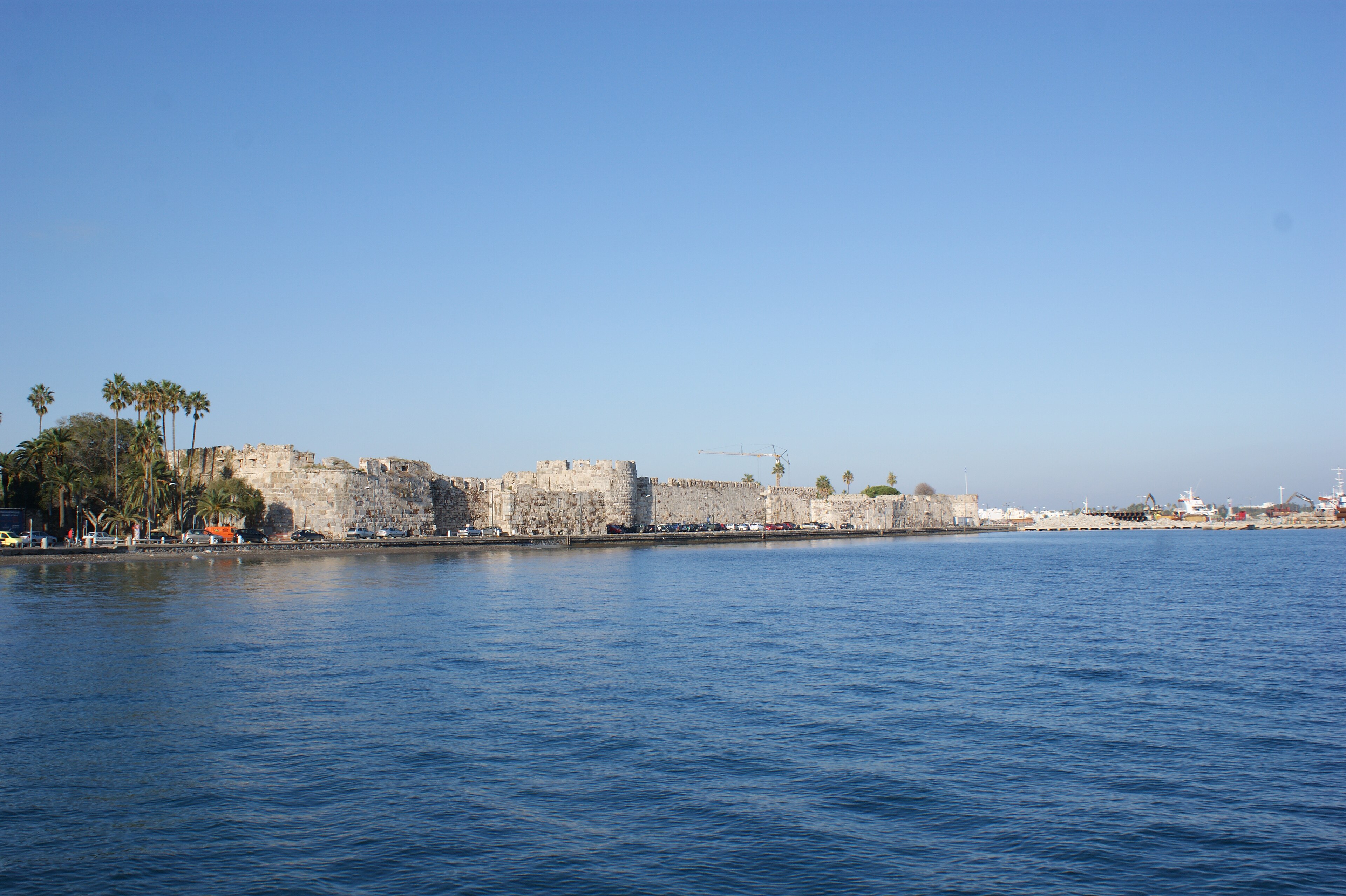
The strategic logic of Neratzhia is immediately visible from Kos harbor. Built on low ground that was historically separated from the town by water, the castle guarded the port, the knightly administrative center and the narrow sea corridor toward Asia Minor. An older inner enclosure was progressively surrounded by a much larger outer fortress during the late fifteenth and early sixteenth centuries, when Hospitaller engineers were adapting to artillery and renewed Ottoman pressure. Ancient and Early Christian blocks were reused throughout the walls, so the medieval fortress literally incorporates fragments of earlier Kos. Ottoman occupation, an 1816 powder explosion, selective Italian restoration after 1912 and severe damage in the 2017 earthquake all altered the site. The principal restoration project was inaugurated in September 2025, returning the stabilized fortress to the local community.
Highlights
- Harbor fortress and strategic setting
The castle's former insular position, bridge and harbor frontage explain why it controlled both shipping and Hospitaller administration.
- The older inner enclosure
Towers, masonry and heraldry preserve the castle's earlier medieval phases inside the later fortress.
- Outer enceinte and artillery adaptation
The late-fifteenth- and early-sixteenth-century defenses reveal the Knights' response to gunpowder warfare and Ottoman pressure.
- Ancient Kos built into the walls
Reused columns, carved blocks and inscriptions make the castle fabric an archaeological record of the city that preceded it.
- Bridge, moat and the archaeological city
The approach from Platanos Square shows how Neratzhia sits within the layered urban landscape of Kos Town.
- Earthquake damage and the 2025 restoration
The post-2017 conservation campaign demonstrates that rebuilding remains part of the fortress's continuing history.
Strategic role
Principal fortified harbor and administrative stronghold of Hospitaller Kos.
Overview
The strategic logic of Neratzhia is immediately visible from Kos harbor. Built on low ground that was historically separated from the town by water, the castle guarded the port, the knightly administrative center and the narrow sea corridor toward Asia Minor. An older inner enclosure was progressively surrounded by a much larger outer fortress during the late fifteenth and early sixteenth centuries, when Hospitaller engineers were adapting to artillery and renewed Ottoman pressure. Ancient and Early Christian blocks were reused throughout the walls, so the medieval fortress literally incorporates fragments of earlier Kos. Ottoman occupation, an 1816 powder explosion, selective Italian restoration after 1912 and severe damage in the 2017 earthquake all altered the site. The principal restoration project was inaugurated in September 2025, returning the stabilized fortress to the local community.
Harbor fortress and strategic setting
Neratzhia controlled the principal port of Kos Town and the approaches from the Anatolian coast. Its historical setting on a low islet, linked to the town by bridge and surrounded by water or moat, made the harbor itself part of the defensive design. The castle also housed the knightly governor, combining military and administrative functions. This role distinguishes it from Antimachia, whose primary value was as an inland stronghold and refuge: the two monuments protected different elements of the same island system.
The older inner enclosure
The earliest Hospitaller chronology is complex, but the inner fortress was established by the later fourteenth century and developed through successive fifteenth-century campaigns. Towers, masonry changes and coats of arms record those phases. Its tighter enclosure belongs to a defensive tradition that preceded the full dominance of gunpowder artillery, although later rebuilding repeatedly modified the fabric. Understanding this inner core is essential because the much larger outer works can otherwise make the castle appear to have been conceived in a single campaign.
Outer enceinte and artillery adaptation
The earthquake of 1493 caused widespread damage on Kos and was followed by a decisive rebuilding phase. Grand Master Pierre d'Aubusson initiated the great outer enclosure around 1495; work continued under Emery d'Amboise and was completed under Fabrizio del Carretto in 1514. Thick walls, broad defensive circuits, powerful bastions and gun openings reflect the Knights' response to artillery and the experience of Ottoman siege warfare. Neratzhia therefore records the transition from medieval stronghold to an early modern fortress designed for heavier weapons and deeper defense.
Ancient Kos built into the walls
Neratzhia is one of the most vivid places on the island to see the physical reuse of antiquity. Columns, bases, architraves, inscriptions and carved blocks from the ancient and Early Christian city were incorporated into gates, walls and internal structures. A Hellenistic frieze with masks and garlands above the principal entrance is a conspicuous example. Spolia provided convenient building material, but today it also makes the castle a compressed archaeological archive in which ancient Kos survives inside the fabric of its medieval successor.
Bridge, moat and the archaeological city
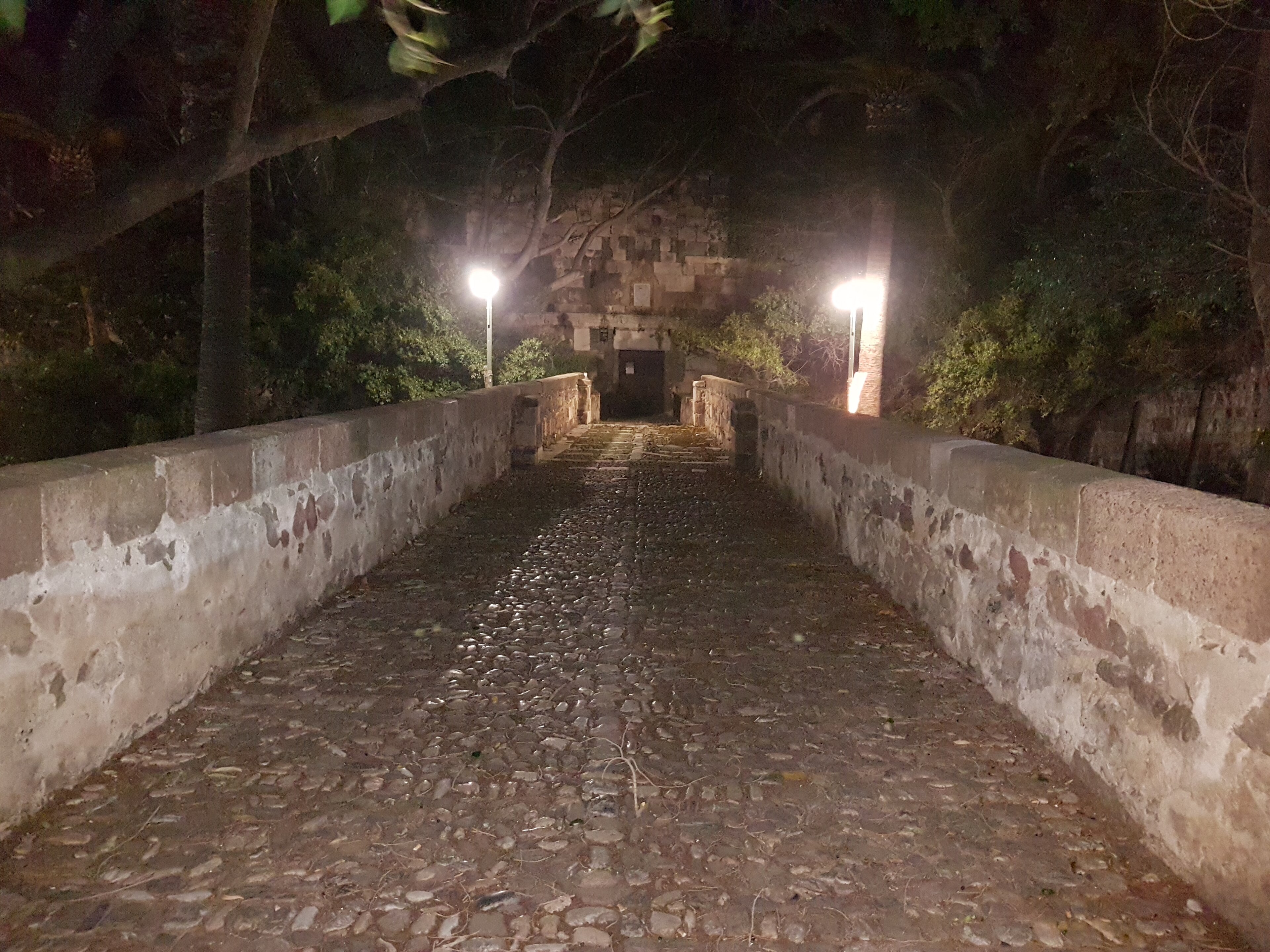
The bridge from the Plane Tree/Platanos area preserves the spatial relationship between town and former defensive water barrier. Immediately around the castle lie the ancient harbor and Agora zones, Ottoman monuments and the Italian-planned center. A visitor can therefore move from Greek and Roman archaeology into Hospitaller fortification and Ottoman urban history within minutes. Neratzhia is best interpreted not as an isolated castle but as one architectural layer within the long-lived port city.
Ottoman use, explosion and Italian restoration
Ottoman rule began in the early sixteenth century and the fortress continued to be used and adapted. An accidental powder-magazine explosion in 1816 caused major destruction. Under Italian administration after 1912, archaeological policy reshaped the castle again: medieval fabric was emphasized, Ottoman additions were removed in places and a display of ancient architectural material was organized within the complex. The present appearance is therefore medieval in core but filtered through twentieth-century restoration choices.
Earthquake damage and the 2025 restoration
The earthquake of 21 July 2017 caused serious damage, including collapses in towers and battlements and cracking in the perimeter walls and outer enceinte. A major Ministry of Culture program subsequently stabilized ground conditions, repaired masonry and restored damaged sections. In September 2025 the Ministry inaugurated the completed principal restoration project and returned the restored castle to the local community. This conservation campaign is the newest layer in a monument repeatedly rebuilt after earthquakes, warfare and changing political priorities.
Neratzhia within the Kos cluster
Within the wider history of Kos, Neratzhia represents the fortified harbor and administrative center. The island-level Kos page explains the broader defensive system, while Antimachia shows how population and routes were protected inland. Neratzhia's distinct contribution is the architecture of maritime defense: bridge and moat, successive enclosures, artillery bastions, spolia and direct control of the port.
Architecture
- Older inner enclosure with fifteenth-century towers and heraldic masonry
- Large outer enceinte begun after the 1493 earthquake and completed in the early sixteenth century
- Massive corner bastions, thick curtain walls and gun openings adapted to artillery
- Moat and bridge system reflecting the fortress's former separation from the town
- Extensive ancient and Early Christian spolia incorporated into gates and walls
- Hellenistic carved architectural fragments reused near the principal entrance
- Italian-period restoration and reconstructed display structures within the castle
Timeline
- Late 14th century The inner Hospitaller enclosure is in place.
- 1437–1461 Surviving towers and heraldry document major fifteenth-century building phases.
- 1493 Earthquake damages Kos and its fortifications.
- c. 1495 Pierre d’Aubusson begins the great outer enclosure.
- 1514 The outer fortress is completed under Fabrizio del Carretto.
- 1523 Ottoman rule begins on Kos.
- 1816 An accidental powder-magazine explosion causes major destruction.
- 1912–1943 Italian administration restores and selectively reshapes the monument.
- 2017 A strong earthquake damages the castle and forces renewed conservation.
- 2025 Major stabilization and restoration works return substantial parts of Neratzhia to public use.
Visiting today
Approach from Platanos Square and the stone bridge to understand the former moat and the fortress's relationship to the harbor and ancient city. Inside, compare the older inner ward with the broader outer defenses and look for heraldic masonry and reused ancient blocks. The principal post-2017 restoration project was inaugurated in September 2025, but opening arrangements should still be confirmed locally.
Historical contexts
- Knights Hospitaller
- Ottoman Period
- Rise of Modern Greece
- Harbor Defense and Sea-Lane Control
Expedition guides
Images
References
Related places
Related Stops
Topics
- Dodecanese
- Kos
- Knights Hospitaller
- Harbor Defense
- Artillery Fortification
- Spolia
- Ottoman Period