Overview
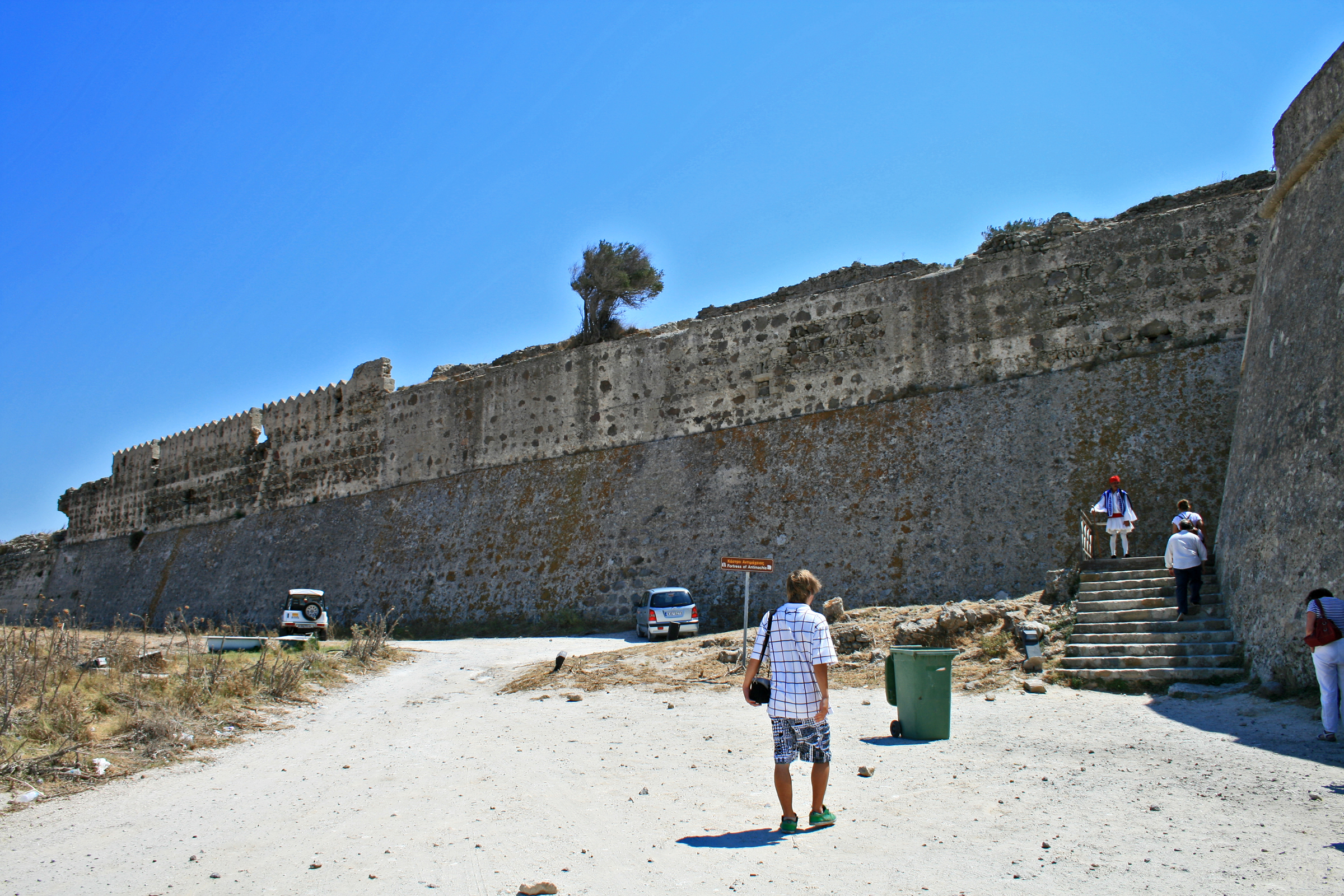
Antimachia occupies the central plateau of Kos, away from the principal harbor but close to routes crossing the island and to the southern coast. Its great Hospitaller castle was designed not merely as a military outpost but as a refuge capable of sheltering population during attack. The broad triangular enclosure follows the terrain, with a strongly defended entrance, cisterns, ruined habitation and surviving churches. Its successful defense in 1457 illustrates how the Knights of St John complemented the harbor stronghold of Neratzhia with inland refuges. After Ottoman conquest the castle's strategic importance declined and the old settlement was abandoned in 1840, while the modern village developed separately. The traditional house and restored windmill preserve a second, equally important layer: the domestic, agricultural and craft culture of nineteenth- and early twentieth-century Kos.
Highlights
- Central plateau and strategic geography
The castle's inland position explains why Antimachia complemented rather than duplicated the harbor defense of Neratzhia.
- Castle form and defensive architecture
The triangular enclosure, terrain-following walls and massive entrance bastion make the fortress's defensive logic visible.
- The siege of 1457 and the refuge system
The successful twenty-three-day resistance is the clearest demonstration of Antimachia's role as a refuge for the island's population.
- Fortified settlement, churches and water
Cisterns, ruined houses and surviving churches show that the castle enclosed an inhabited community, not merely soldiers.
- Traditional house, windmill and village culture
The folklore house and operational windmill connect medieval defense with the domestic and agricultural history of modern Antimachia.
- Antimachia within the Kos cluster
Seen with Kos and Neratzhia, Antimachia reveals how harbor defense, inland refuge and rural settlement formed one island-wide system.
Strategic role
Inland fortified refuge and rural settlement controlling central routes across Kos.
Overview
Antimachia occupies the central plateau of Kos, away from the principal harbor but close to routes crossing the island and to the southern coast. Its great Hospitaller castle was designed not merely as a military outpost but as a refuge capable of sheltering population during attack. The broad triangular enclosure follows the terrain, with a strongly defended entrance, cisterns, ruined habitation and surviving churches. Its successful defense in 1457 illustrates how the Knights of St John complemented the harbor stronghold of Neratzhia with inland refuges. After Ottoman conquest the castle's strategic importance declined and the old settlement was abandoned in 1840, while the modern village developed separately. The traditional house and restored windmill preserve a second, equally important layer: the domestic, agricultural and craft culture of nineteenth- and early twentieth-century Kos.
Central plateau and strategic geography
Antimachia stands near the middle of Kos, where routes connect the northern and southern sides of the island. The castle lies southeast of the modern village on a plateau with broad views toward the southern coast and the Aegean. This location gave the Hospitallers a defensible interior position removed from the vulnerable harbor yet connected to the island's main lines of movement. In crisis it could receive people from exposed districts; in ordinary times it stood within a productive agricultural landscape.
Castle form and defensive architecture
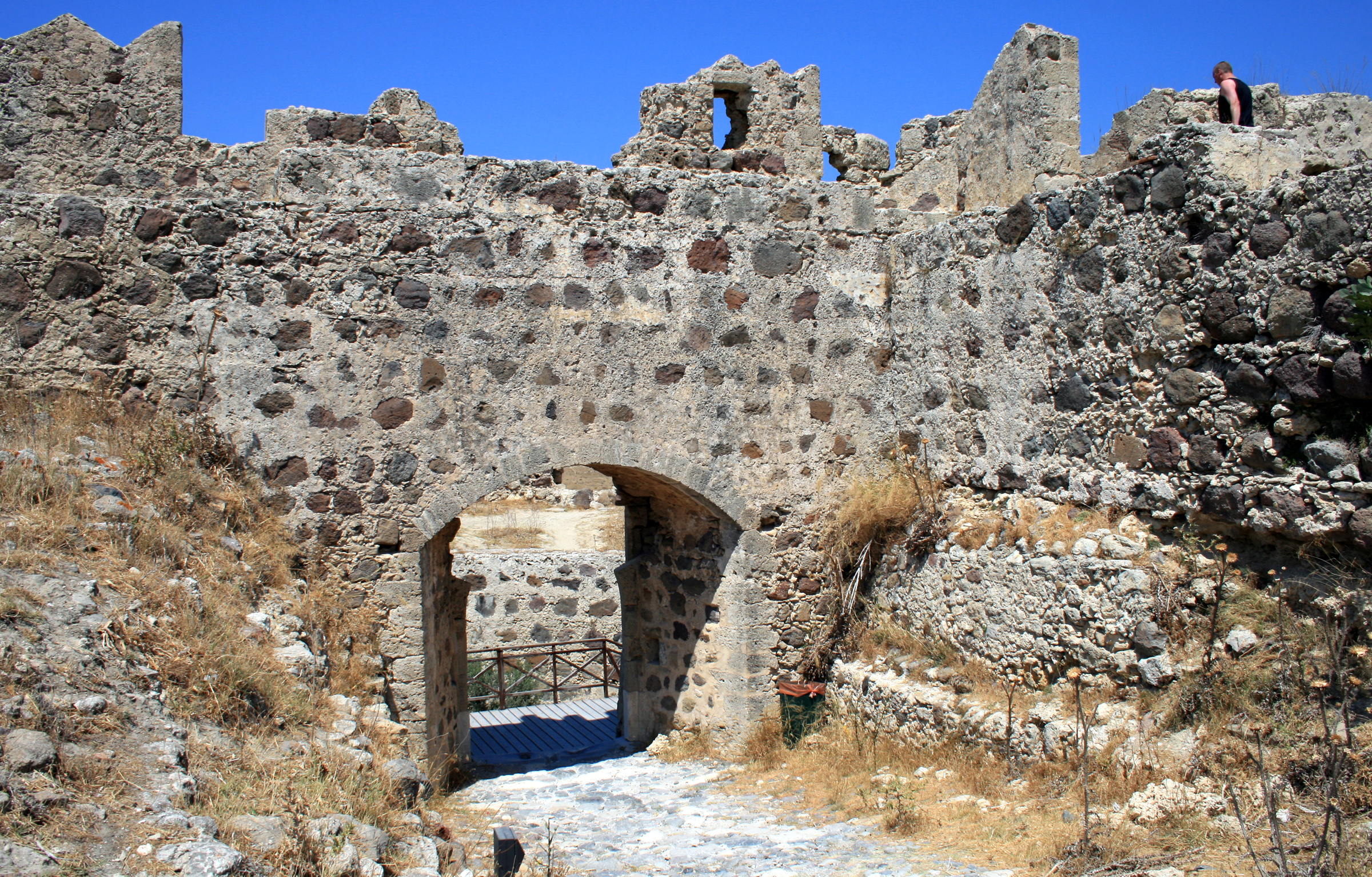
The fortress is broadly triangular, with a pointed eastern end and defensive lines shaped independently to follow the terrain. Written evidence places a fortified center here in the fourteenth century, and the castle also served at times as a prison for condemned knights. The entrance is the most emphatic surviving architectural feature: a massive crescent-shaped bastion, deep ramparts and Hospitaller heraldic stonework strengthen the approach. After the earthquake of 1493, the Knights renovated the castle in 1494, reinforcing the walls and adding new battlement forms.
The siege of 1457 and the refuge system
Antimachia's strategic purpose became unmistakable during the major Ottoman attack of June 1457. After attacking other positions on Kos, Ottoman forces besieged Antimachia for twenty-three days, but the castle held and the attackers withdrew. The episode is important because it demonstrates how the island's defenses operated as a network. Neratzhia guarded the harbor and administration, while Antimachia, Palio Pyli and Kefalos offered inland or regional refuge where inhabitants could survive an invasion that devastated exposed countryside.
Fortified settlement, churches and water
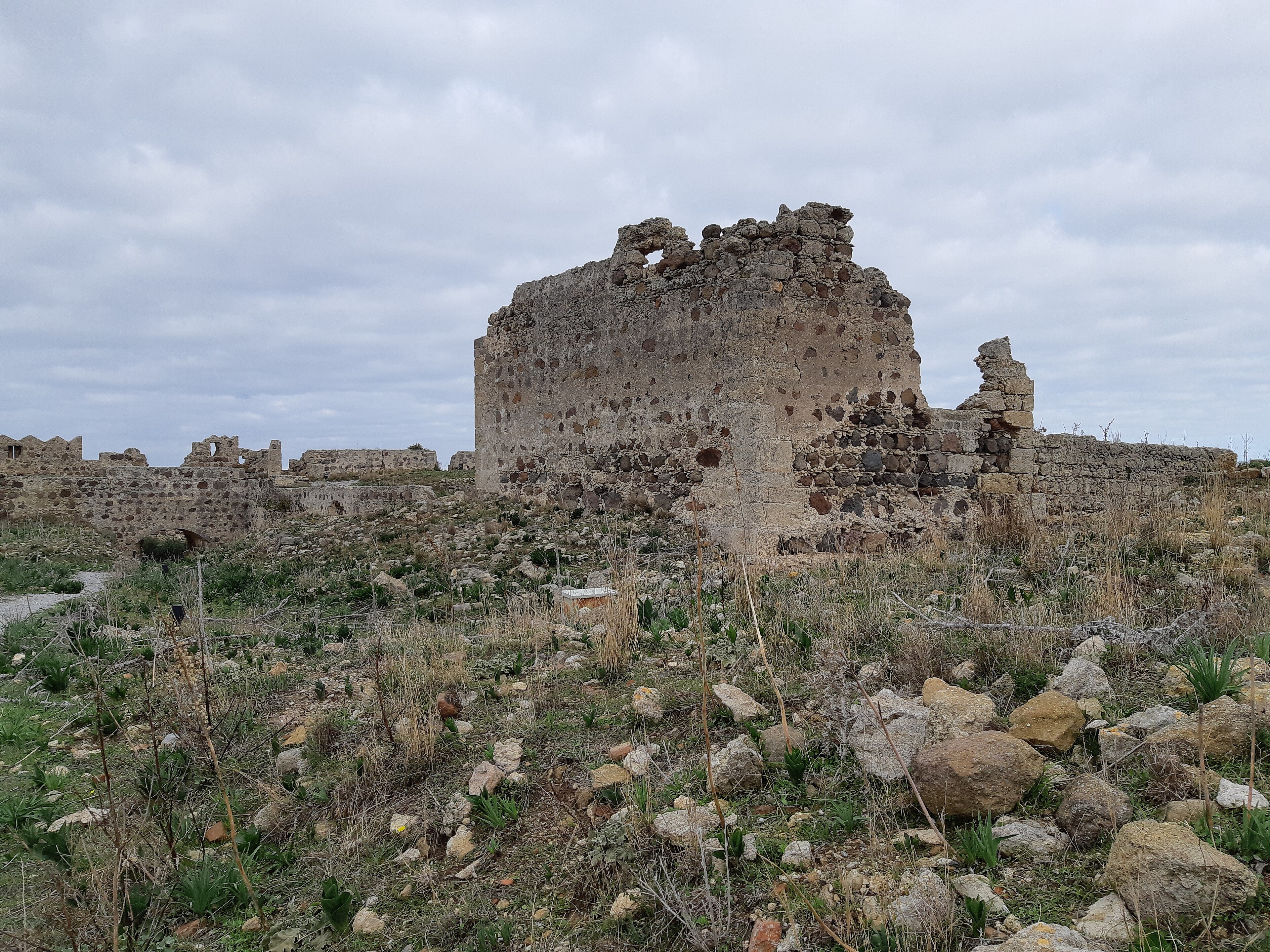
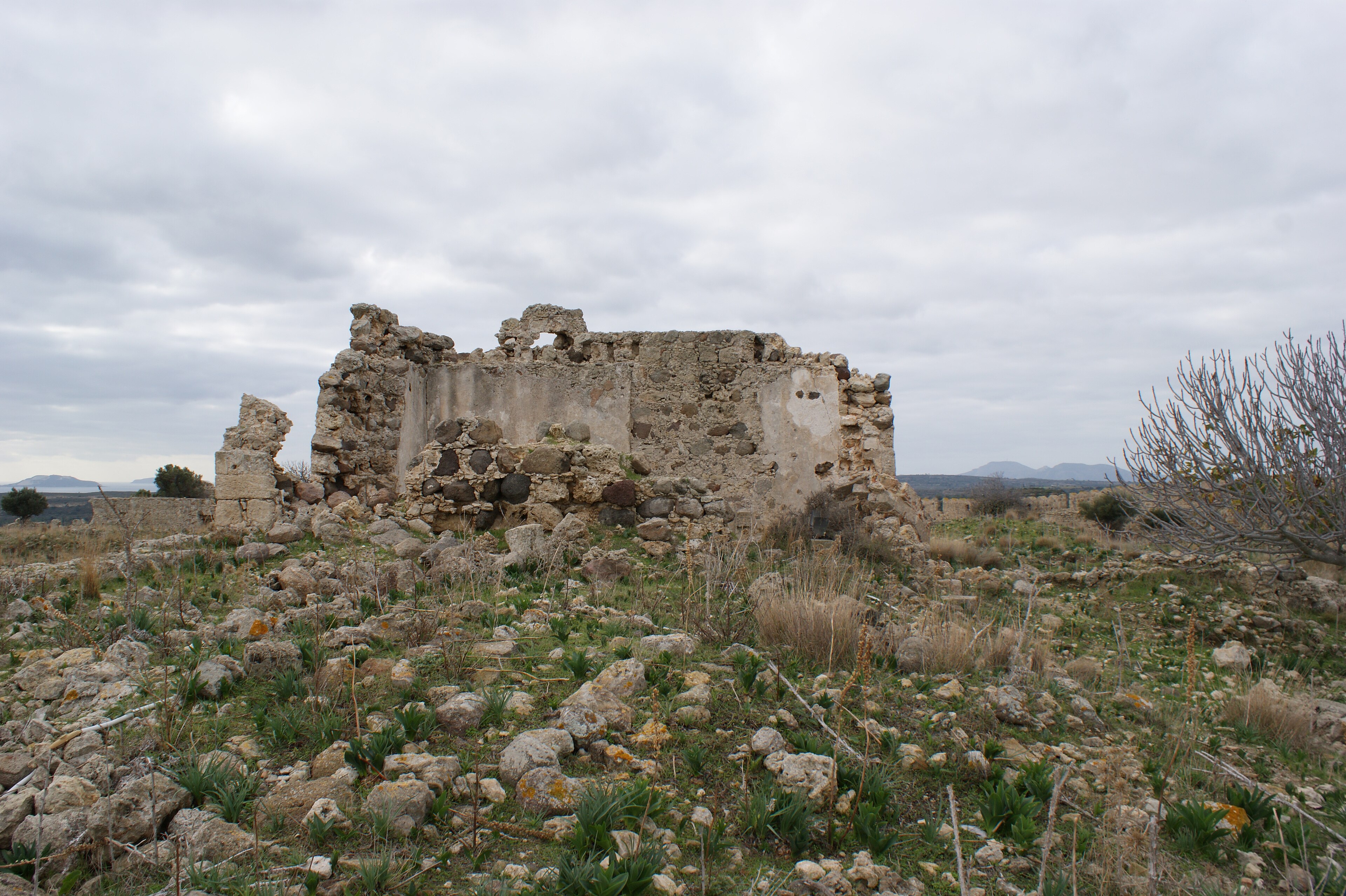
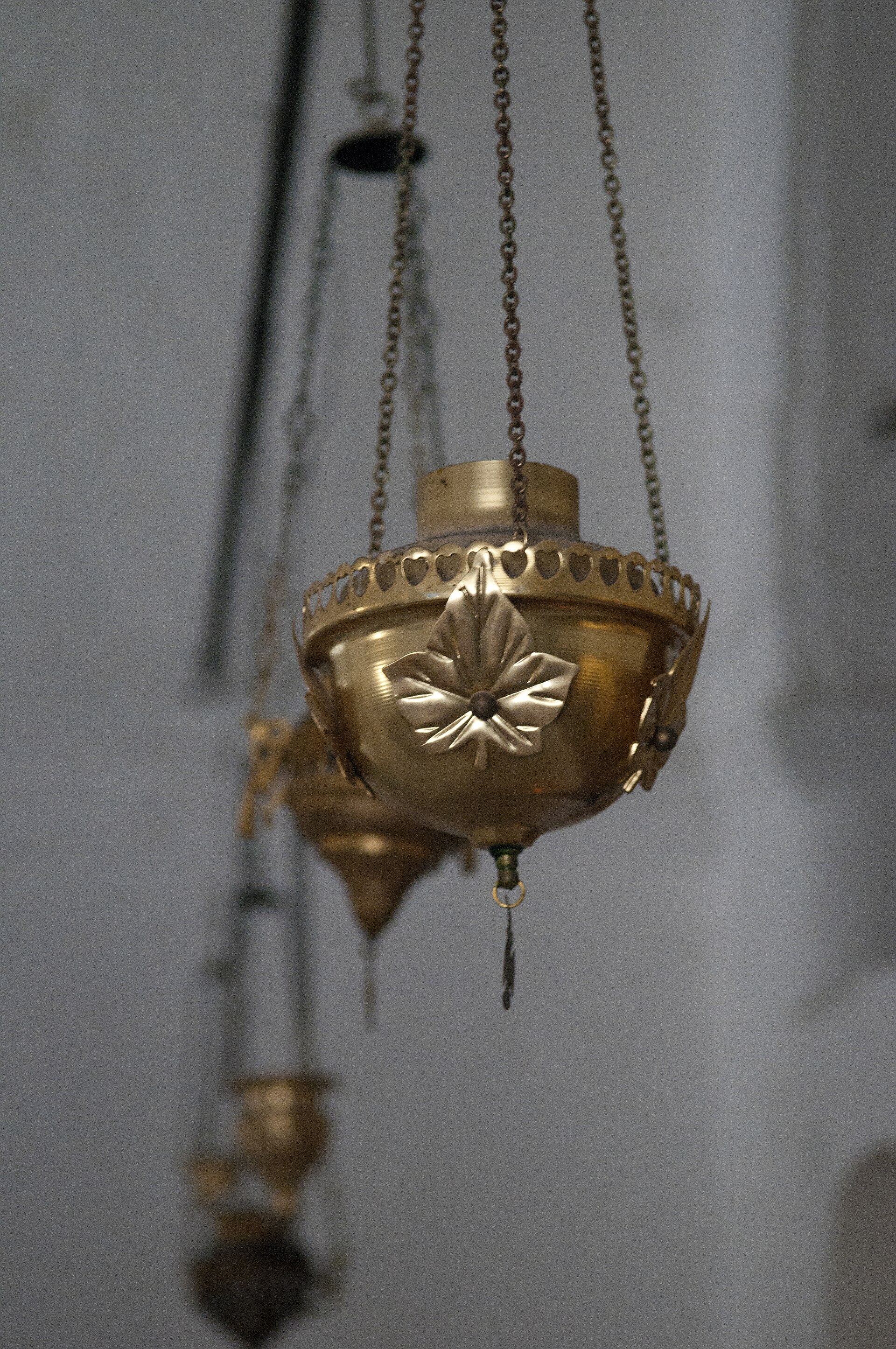
The interior makes clear that Antimachia was more than a garrison. Ruins of houses, large open areas and numerous cisterns point to a settlement capable of supporting a substantial population under pressure. Water storage was essential on the exposed plateau. Two churches remain especially visible: Agios Nikolaos and the later chapel of Agia Paraskevi. Their survival preserves the religious life of the community and helps visitors reconstruct the castle as an inhabited refuge rather than an empty military shell.
Ottoman period and abandonment of the old settlement
After Ottoman rule was established in the early sixteenth century, the castle gradually lost the strategic role it had held under the Knights. The surrounding community endured, but everyday settlement shifted away from the old fortified nucleus. The castle-town was finally abandoned in 1840. The modern village consequently represents not a direct continuation inside the walls but a new settlement geography in which the medieval fortress remained a powerful landmark above an active rural community.
Traditional house, windmill and village culture
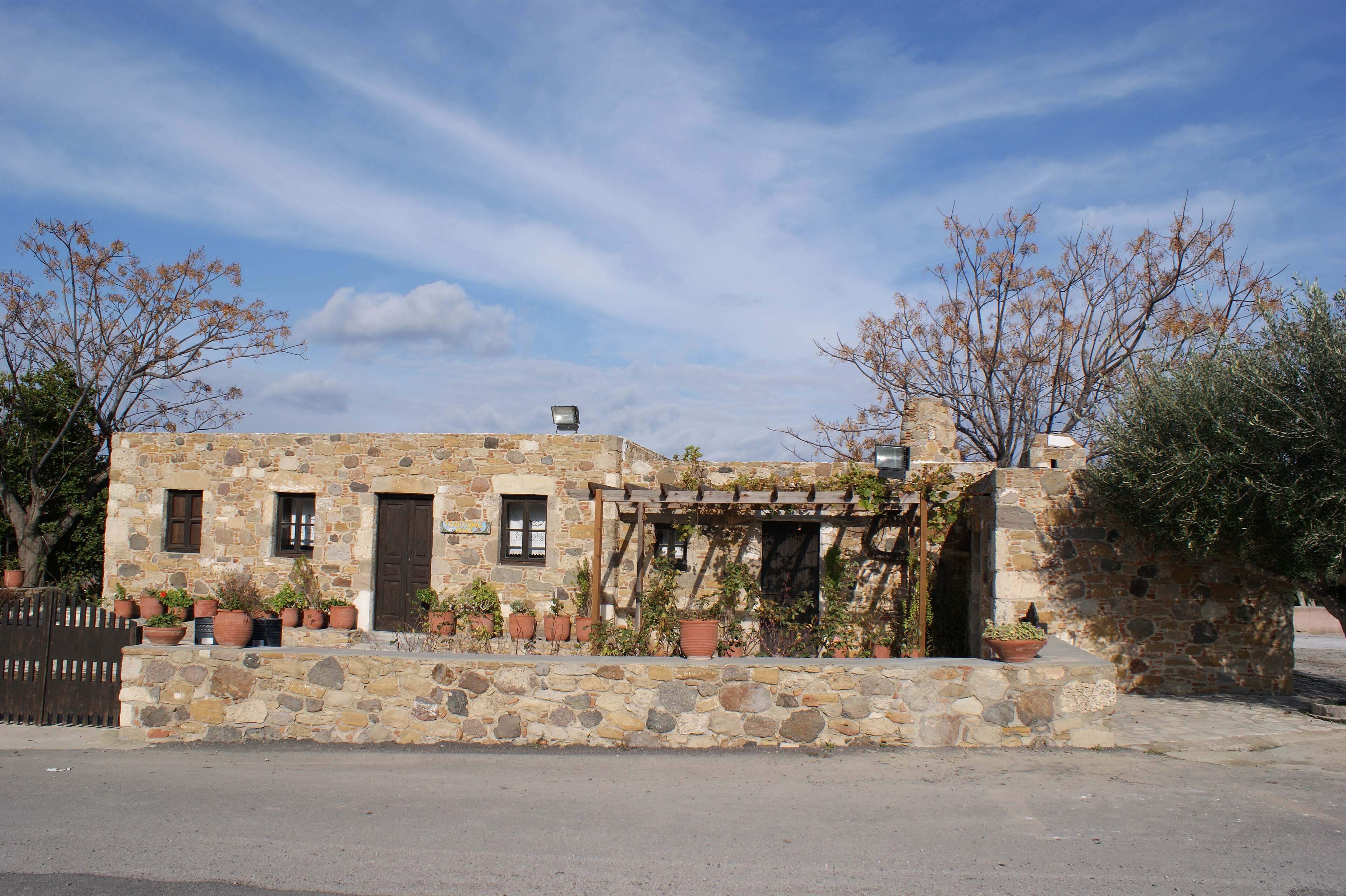
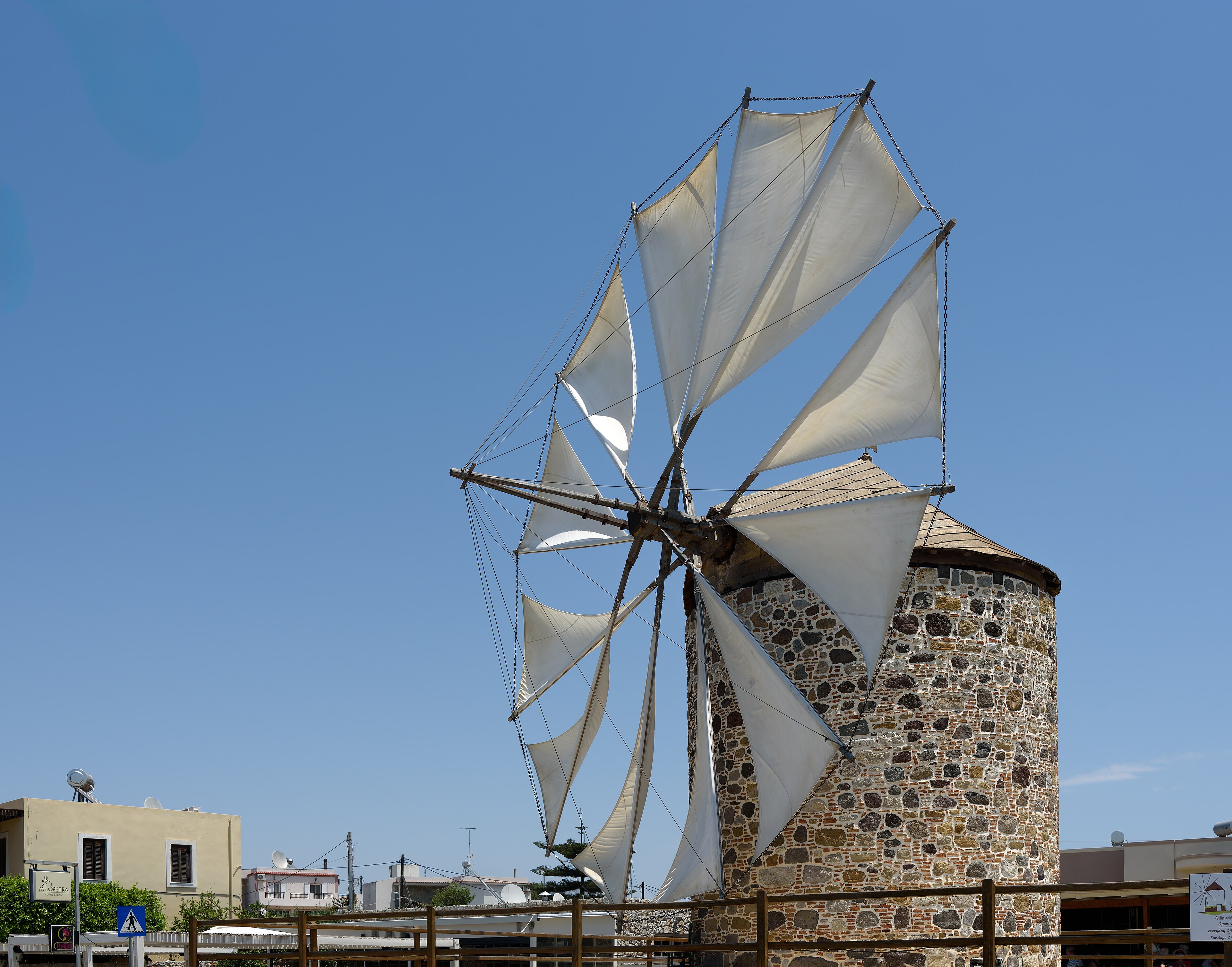
Antimachia's village heritage adds an important social dimension to the military landscape. The folklore museum recreates a traditional Koan house with furniture, looms, household equipment and objects connected with domestic work and food production. Opposite it, the restored nineteenth-century windmill remains operational and demonstrates the technology by which grain was processed in an agricultural economy. Together these places turn Antimachia into a study of everyday island life as well as medieval defense.
Antimachia within the Kos cluster
Antimachia complements rather than duplicates the larger Kos narrative. Kos explains the island's long historical and archaeological sequence; Neratzhia represents maritime defense at the administrative harbor; Antimachia explains how the Knights protected routes and population inland. Its castle, churches, cisterns, traditional house and windmill make the relationship between security, settlement and rural culture unusually clear.
Architecture
- Broad triangular Hospitaller enclosure adapted to the natural plateau
- Independent defensive lines following the terrain
- Massive crescent-shaped bastion and deep ramparts at the entrance
- Late-medieval repairs, battlements and heraldic masonry
- Cisterns and settlement ruins within the fortified enclosure
- Churches of Agios Nikolaos and Agia Paraskevi inside the castle
- Traditional Koan domestic architecture represented by the folklore house
- Restored nineteenth-century windmill preserving rural production technology
Timeline
- 14th century Written evidence places a Hospitaller fortified center at Antimachia; the castle also serves at times as a prison for condemned knights.
- 1457 Antimachia shelters islanders and withstands a twenty-three-day Ottoman siege during the major attack on Kos.
- 1493 A severe earthquake damages fortifications across Kos.
- 1494 The Knights renovate Antimachia, reinforcing walls and adding new battlements.
- 1523 Ottoman rule begins on Kos after the loss of the Hospitaller Dodecanese.
- 1840 The old fortified settlement inside Antimachia Castle is abandoned.
- 19th century The windmill associated with the modern village represents the agricultural economy and production technologies of Antimachia.
- 1912 Antimachia passes under Italian rule with Kos and the rest of the Dodecanese.
- 1948 Antimachia joins Greece with the rest of the Dodecanese.
Visiting today
Treat Antimachia as two linked visits. At the castle, walk the large enclosure slowly enough to understand the entrance bastion, curtain walls, cisterns, ruined settlement and churches; the plateau is exposed, so current access and weather conditions matter. In the modern village, the traditional house and operational windmill provide the domestic and agricultural counterpart to the fortress.
Historical contexts
- Knights Hospitaller
- Ottoman Period
- Rise of Modern Greece
Expeditions
- Expedition II
Images
References
Related places
Topics
- Dodecanese
- Kos
- Knights Hospitaller
- Fortified Settlement
- Vernacular Culture
- Ottoman Period