Highlights
- Chora and its Archaeological Museum
- The castle’s streets, churches and administrative buildings
- Mylopotamos and the watermill landscape
- The different settings of Kato Chora and Palaiochora
- Avlemonas and its harbor fort
Strategic role
An island cultural landscape linking fortified settlements, religious institutions, maritime approaches and rural production.
Fortifications and archaeological sites
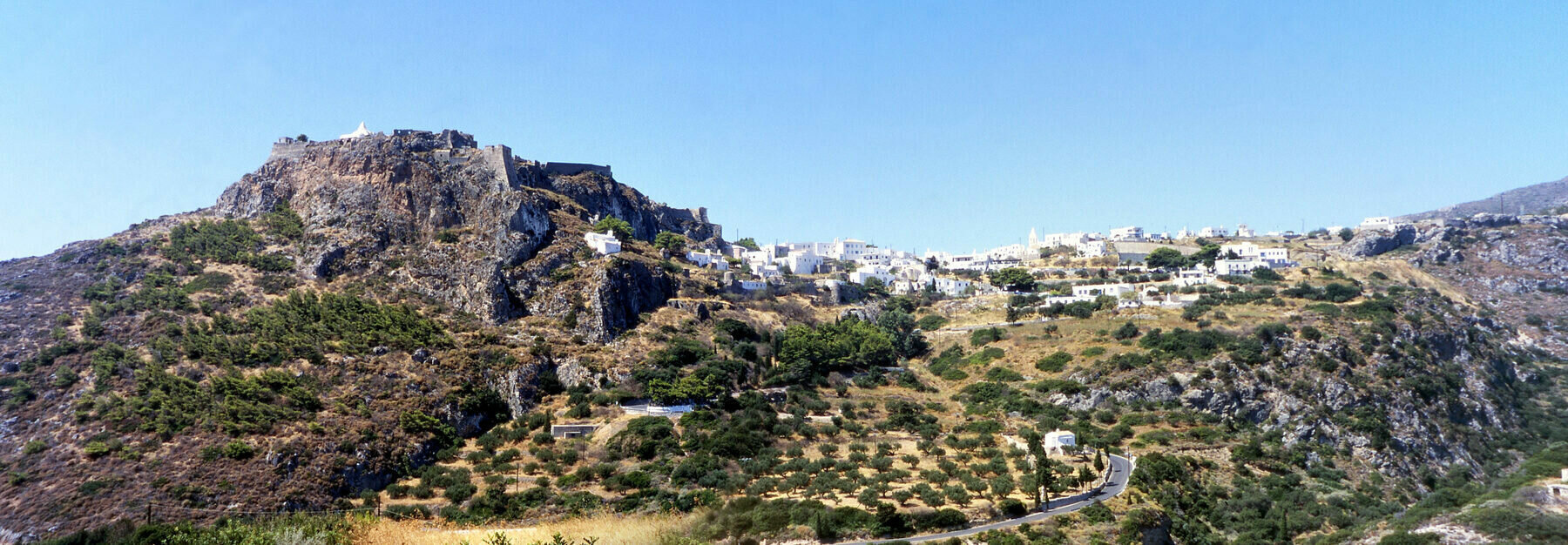
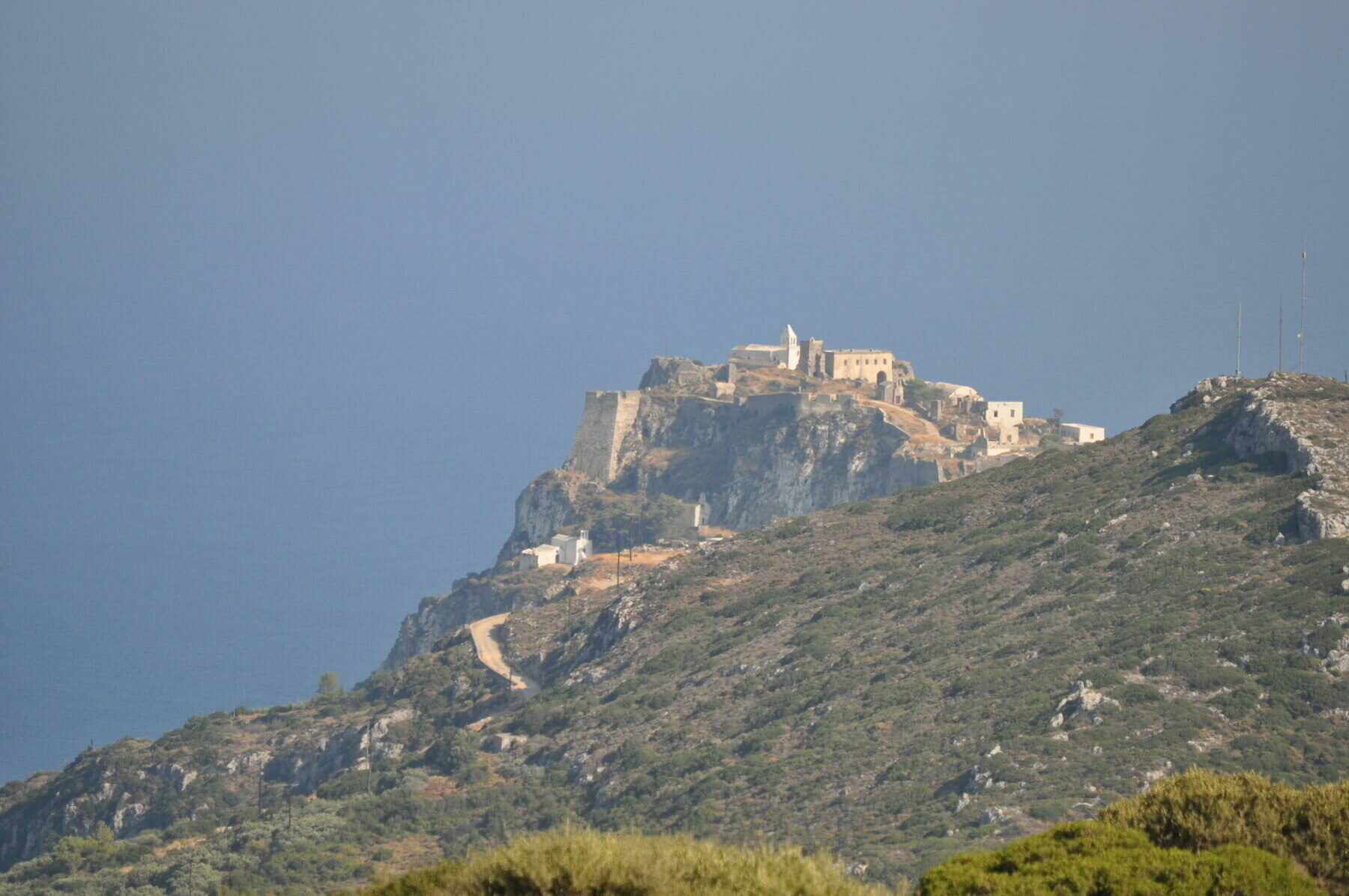
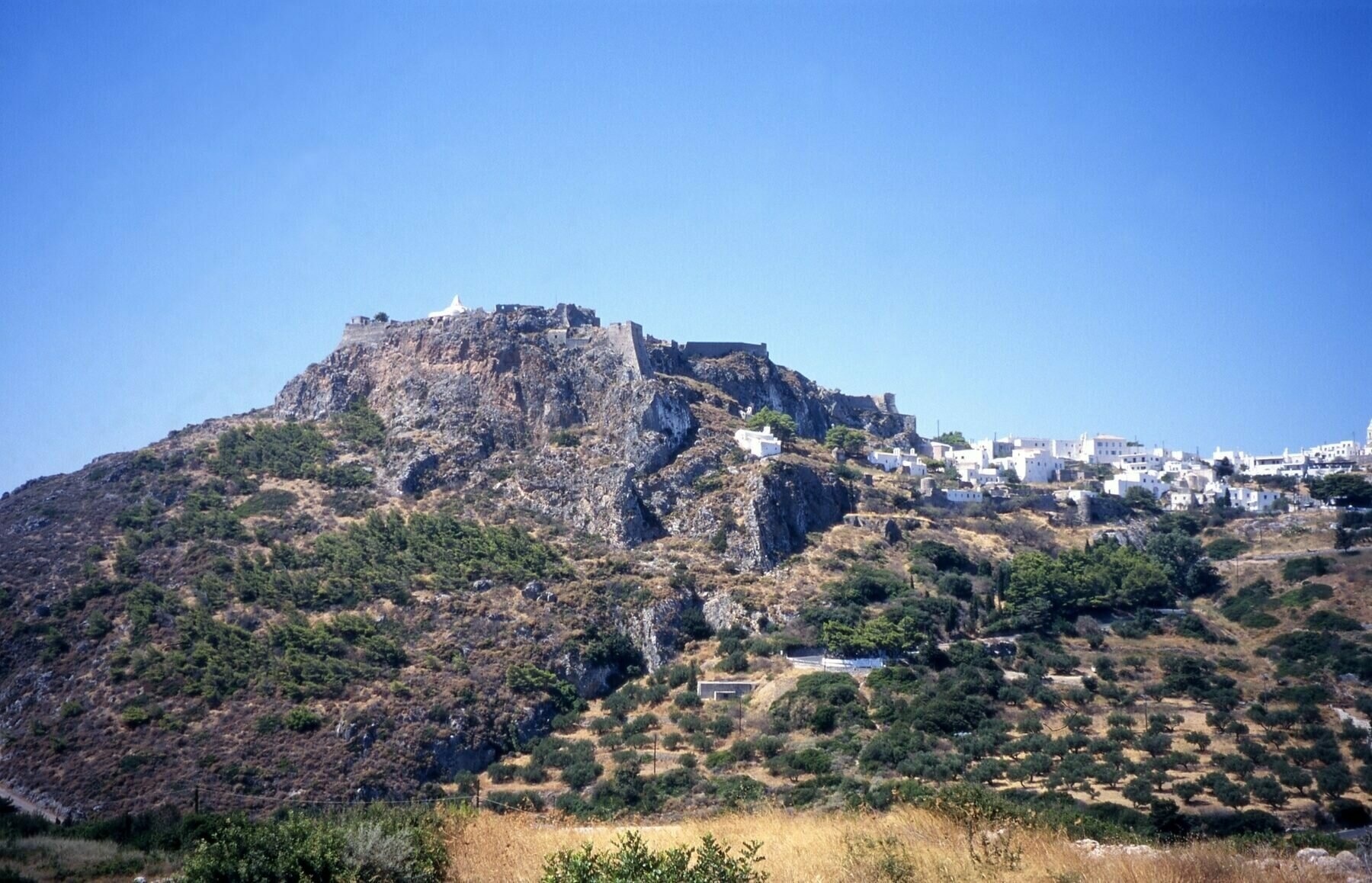
Castle of Chora, Kythira
castle and historic settlement
The defended southern capital, with domestic, religious and administrative remains.
Kastello of Avlemonas
harbor fort
A compact Venetian enclosure at the edge of the eastern coastal settlement.
An island larger than its castle
The Archaeological Museum at the entrance to Chora follows the island’s past from prehistory into the Roman period. Its collections offer a useful beginning before exploring the later defended settlements. Traditions associated with Aphrodite belong to Kythira’s cultural identity, but mythology and archaeological evidence answer different questions about the island.
Chora, Kapsali and the southern landscape
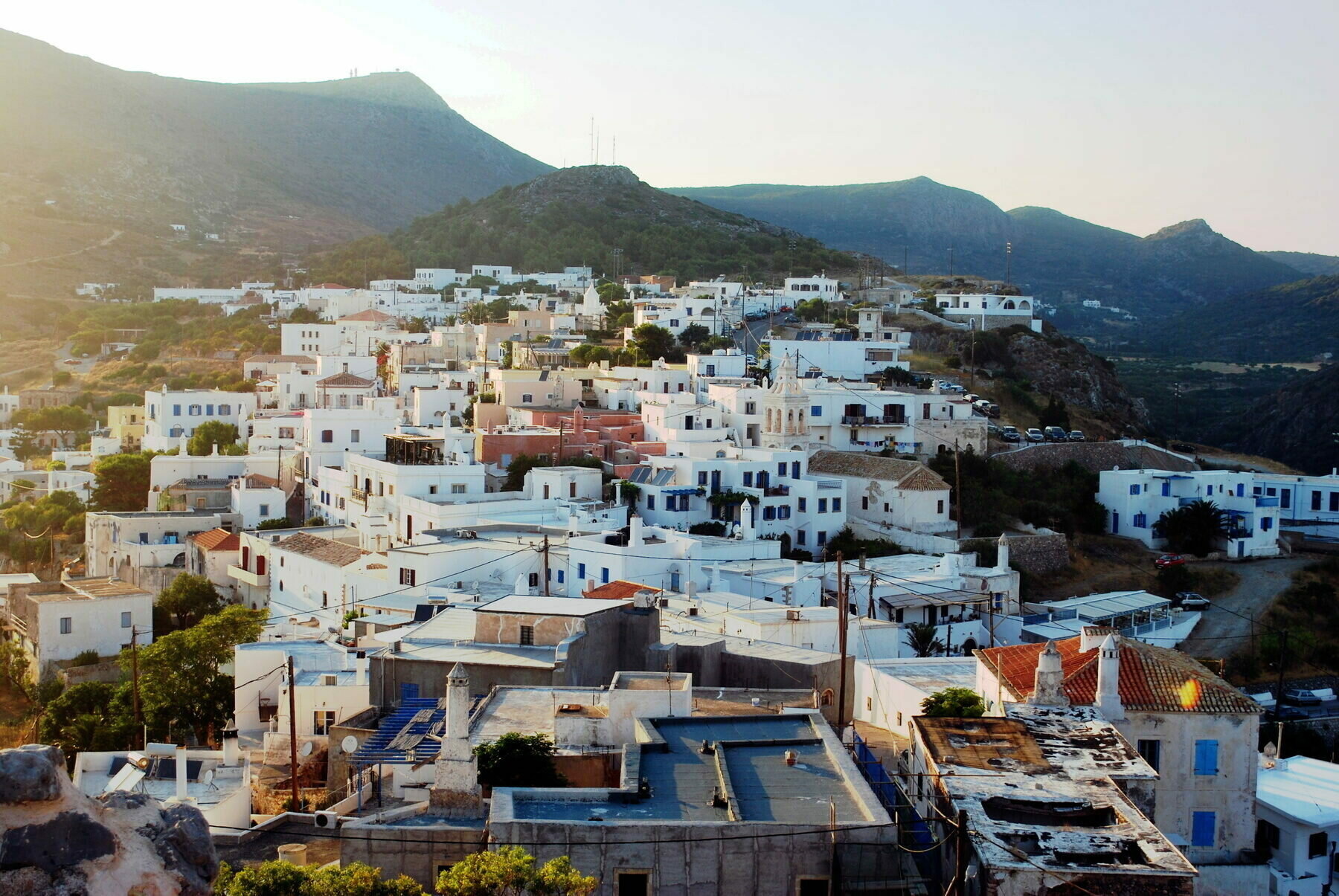
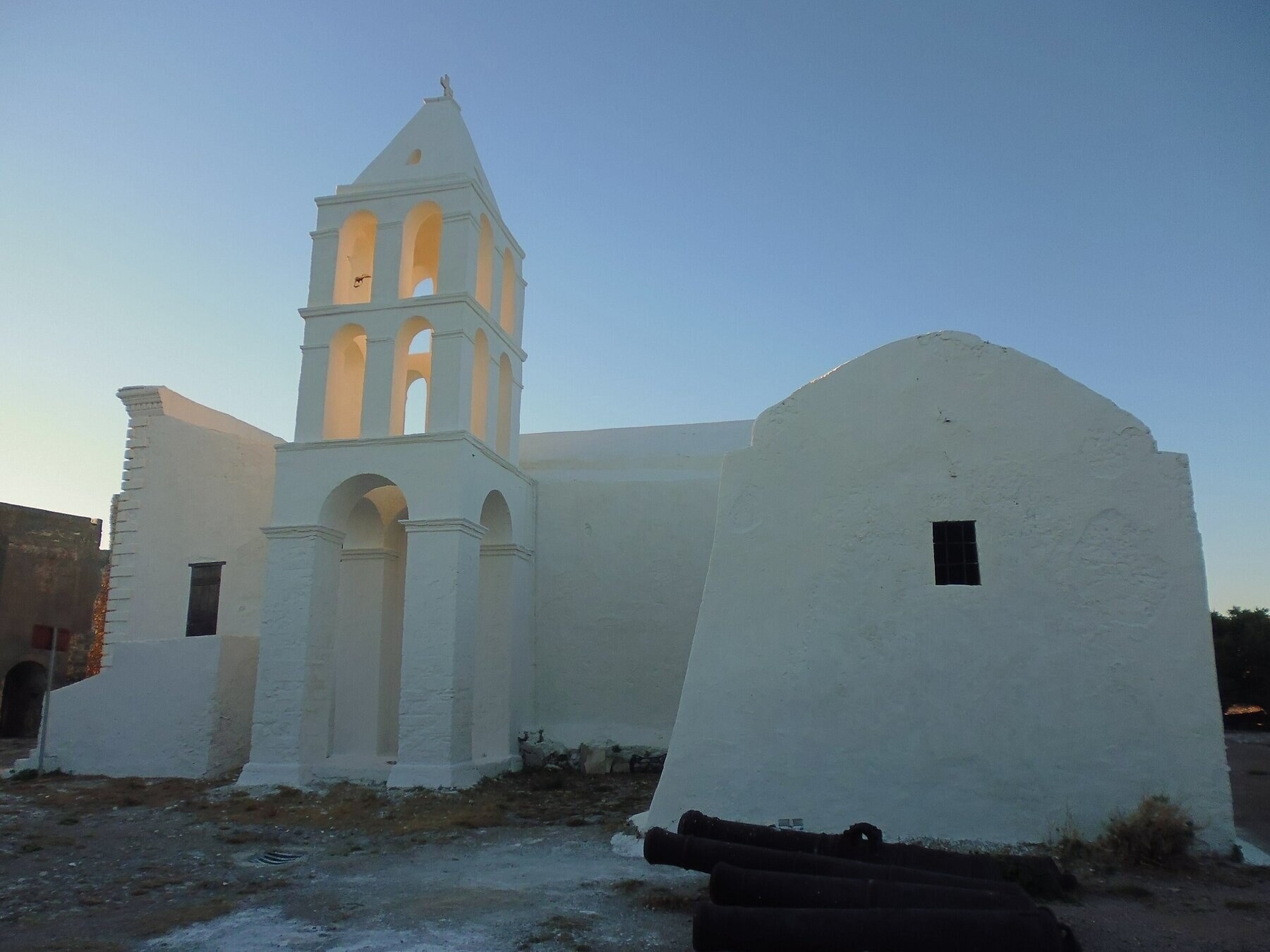
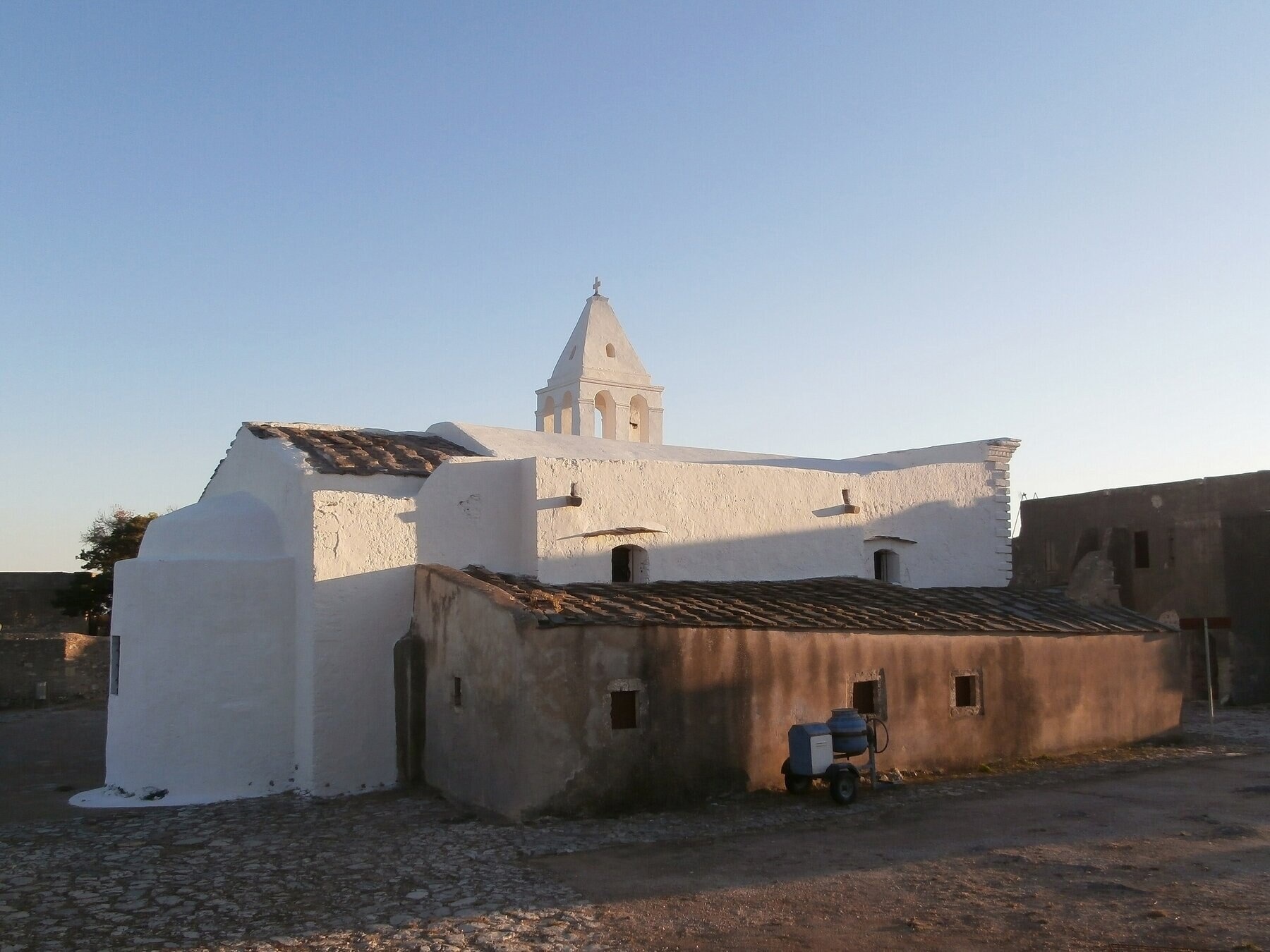
Chora gathers below a castle that combined protection, government, housing and worship. Its streets and museum deserve time alongside the enclosure; Kapsali gives the southern settlement its maritime setting. Within the walls, buildings and paths reveal the older castle-town; beyond Chora, inland communities and coastal settlements extend the island’s story.
Villages, religious heritage and water
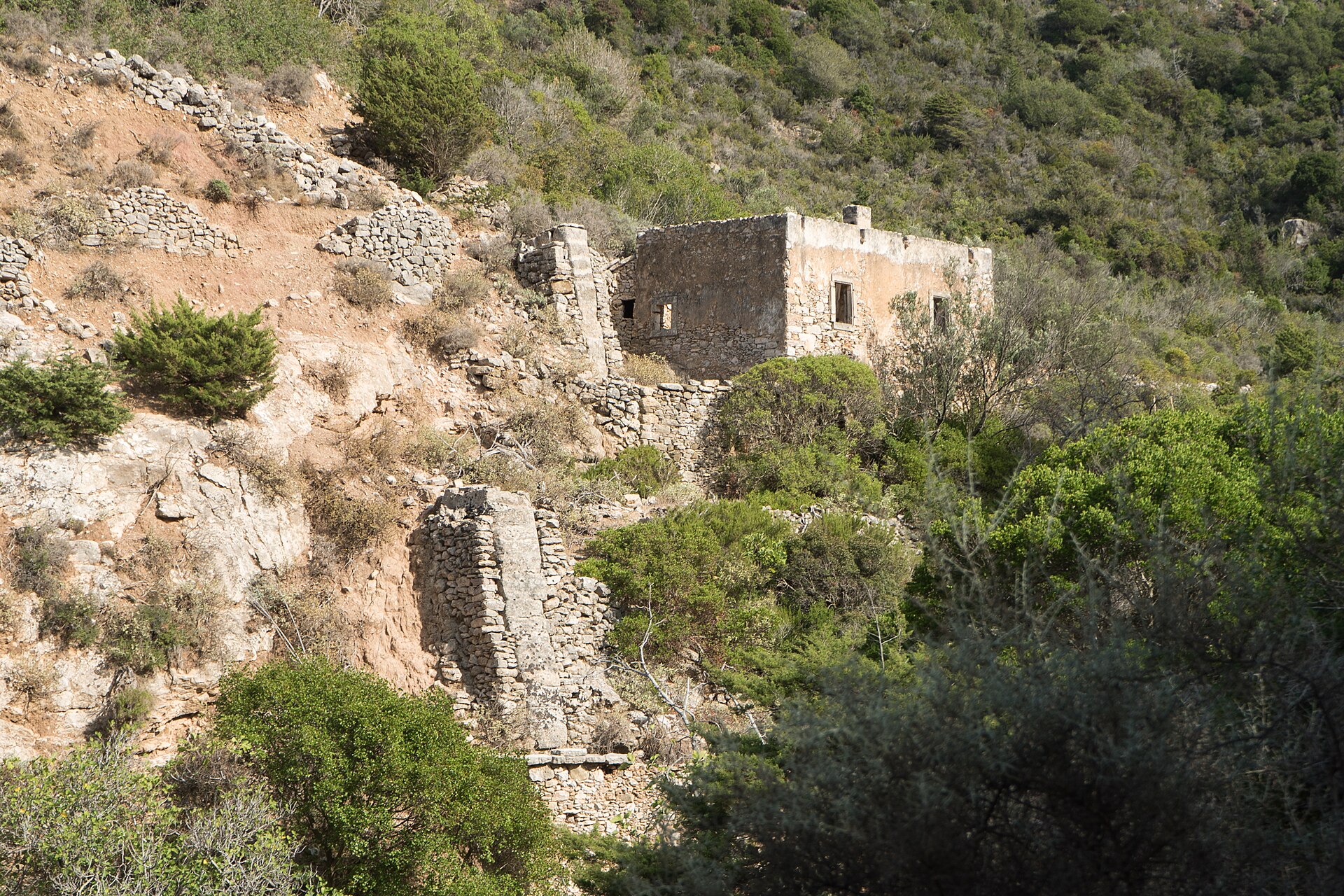
Traditional settlements preserve varied building forms, stonework, churches and changing relationships with the land. Around Mylopotamos, mills and watercourses reveal an economy organized differently from the coastal harbors. Religious sites and local gatherings continue to give places meaning beyond their archaeological remains. Respect active worship and check access rather than treating every church as an always-open museum.
Different kinds of defended place
Chora, Kato Chora at Mylopotamos and the ruined Palaiochora represent different settings for defended settlement. Avlemonas adds a smaller harbor fort on the eastern coast. Their positions matter as much as their walls: an administrative height, an inland community and a shoreline watchpoint should not be read as copies of one design or one building campaign.
Exploring Kythira — November 2026
Plan separate visits to the southern capital, the inland landscapes and the eastern coast. Official route descriptions include walks linking Chora with its port and paths through the watermill landscape, but choose routes for current conditions and your mobility. Confirm castle and museum openings independently; Avlemonas’s interior may be closed for maintenance even when the perimeter can be viewed. Antikythera is a separate island, not a component of Chora’s castle.
Architecture
- Chora and its inhabited castle landscape
- Traditional village buildings, churches and stonework
- Mylopotamos watermills and rural paths
- Defended settlements at Kato Chora and Palaiochora
- The small coastal fort at Avlemonas
Timeline
- Prehistoric and ancient periods Archaeology records the island’s long occupation before its medieval castle-towns.
- Byzantine and medieval periods Settlement and defensive activity develop on Kythira as the island's position between the Peloponnese and Crete draws successive regional powers.
- 13th century Kythira passes into the orbit of western lords after the Fourth Crusade, beginning a long period of Latin and Venetian influence.
- Venetian period Kythira is integrated into Venice's maritime network, and the castle at Chora is strengthened as an administrative center, refuge, and coastal watchpoint.
- 16th–17th centuries The fortified settlement continues to develop with churches, domestic buildings, and defensive works serving the island community.
- 1715 Ottoman expansion changes the balance of power in the region, though Kythira's insular and maritime role remains important.
- 1797–1815 The end of Venetian rule brings a succession of French, Russo-Ottoman, and British political phases across the Ionian Islands.
- 1815–1864 Kythira forms part of the British-protected United States of the Ionian Islands.
- 1864 Kythira is united with the Kingdom of Greece along with the other Ionian Islands.
- 2016 The renovated Archaeological Museum of Kythira reopened with an exhibition spanning prehistory to the Roman period.
Visiting today
Begin with Chora and the Archaeological Museum, then allow separate time for inland villages and mills, ruined settlements and the eastern coastal communities. Check each monument’s access and any active religious-site restrictions locally.
Expedition guides
Images
References
Related places
Related Stops
Topics
- Kythira
- Venetian
- Island Castle
- Fortified Settlement
- Maritime Watchpoint
- Ionian Islands
- Chora
- Kapsali
- Antikythera
- Antikythera Mechanism
- Ancient Technology
- Maritime Archaeology