A fortress within the upper defenses
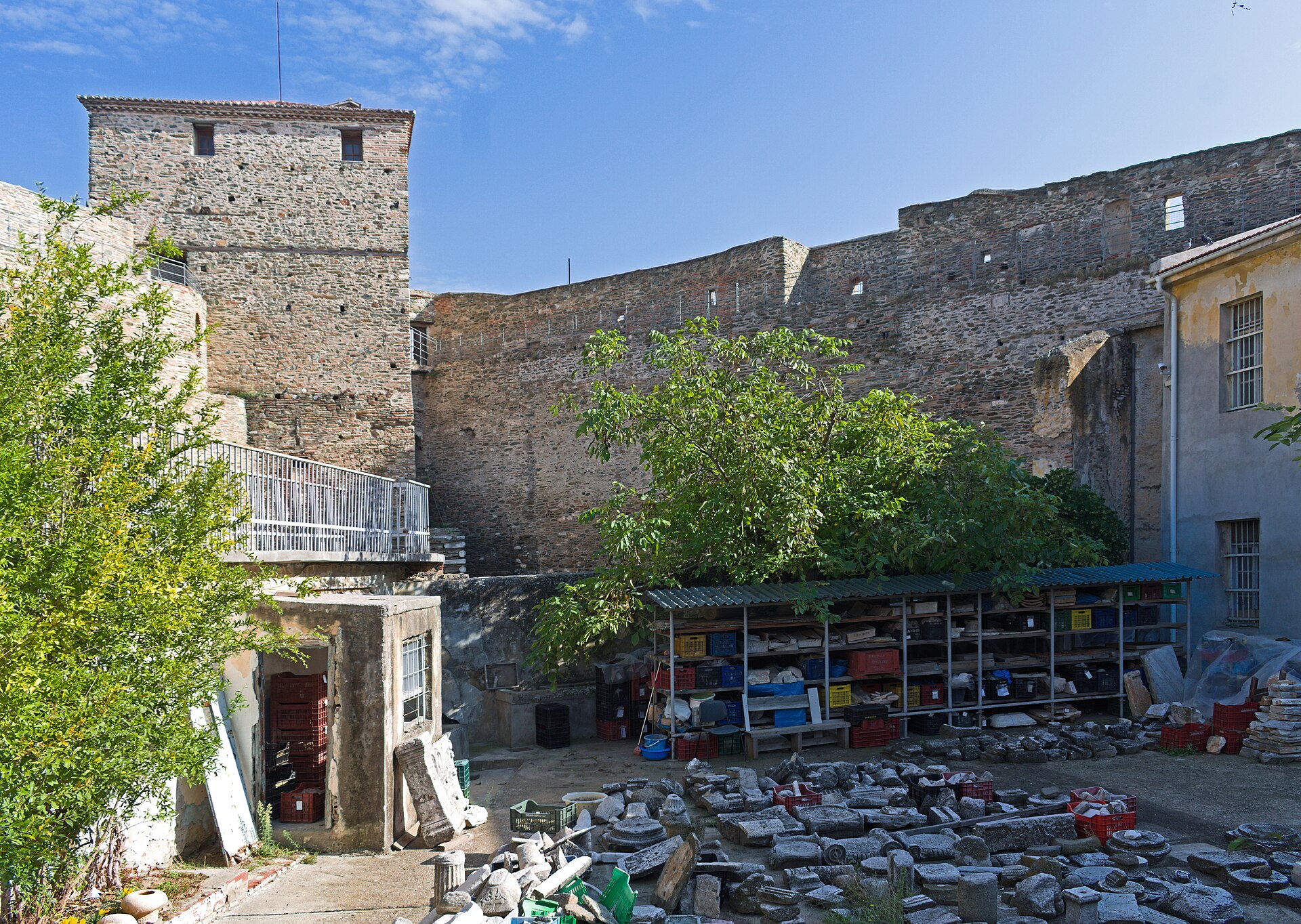
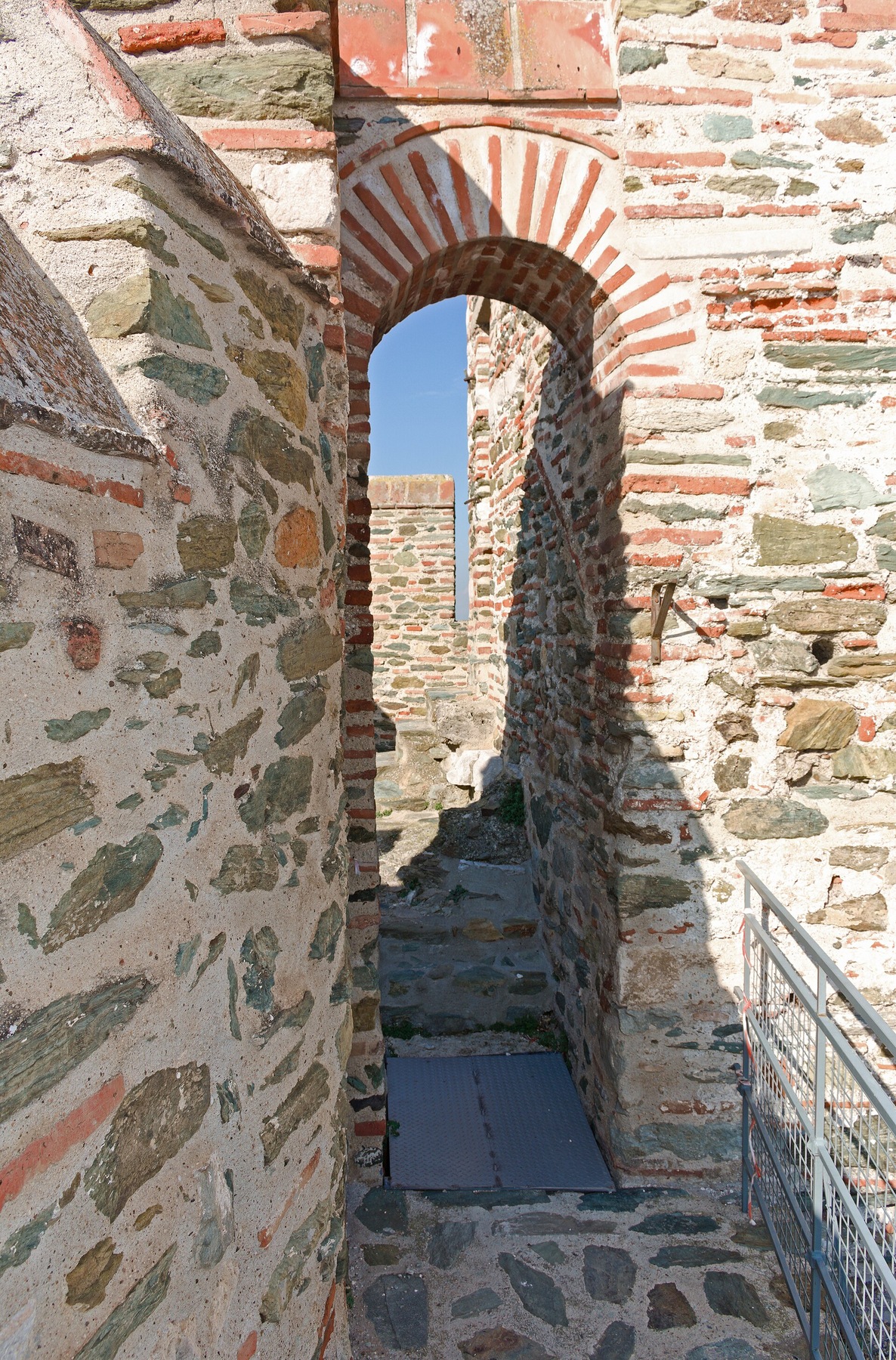
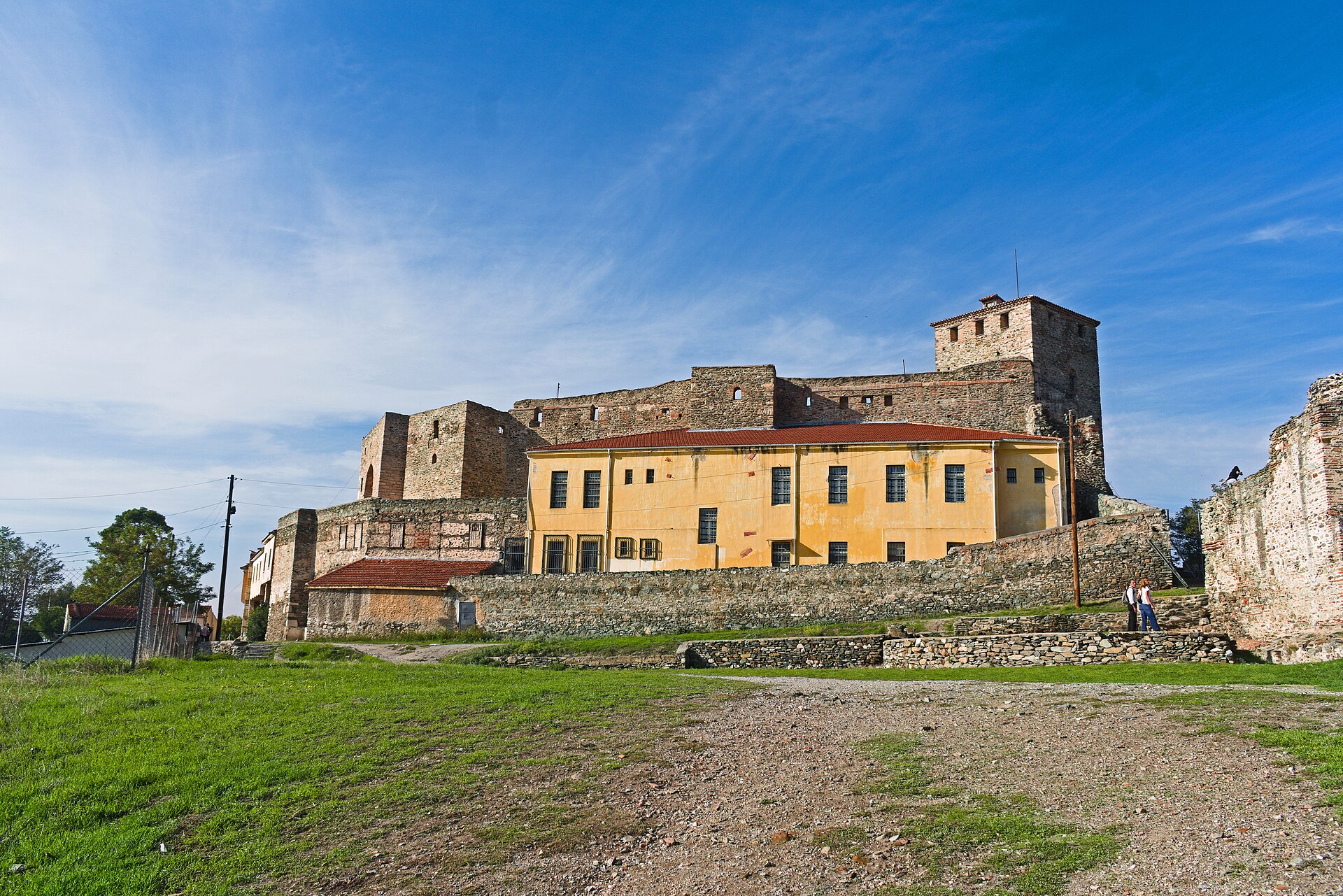
The northern side incorporates part of the older Acropolis wall, while additional southern works created a closed stronghold. The surviving fortress has ten towers, despite the familiar name meaning Seven Towers. Changes in masonry and geometry reflect repeated adaptation, which makes individual towers difficult to assign to a single campaign.
The prison within the walls
In the late nineteenth century the fortress became a penitentiary. New buildings inside and outside the older enclosure changed how its spaces were used and experienced. Prison use continued until 1989, after which the monument passed to the Ministry of Culture. Administrative blocks, enclosed courts and traces of confinement deserve attention alongside the battlements: the site’s modern history is not an incidental footnote.
What to see
Notice the contrast between the older defensive perimeter and the more recent buildings arranged against it. Follow the permitted visitor circulation through the courts and look back at the surrounding Upper City. The layers explain how a place designed to defend a population could later be used to control and isolate people. Interpretive material and the character of the prison spaces help make that change legible.
Connecting the Upper City
The Heptapyrgion belongs to the larger walls and Acropolis landscape, but it is a separate enclosed visit. Allow time to understand the surviving wall lines and the streets between them rather than treating the entire upper area as a single castle. The Trigonion Tower occupies another position in that defensive landscape and has its own access arrangements.
Visitor and project snapshot — November 2026
The official operator lists winter opening for the Heptapyrgion, with a weekly closing day; check the current details before climbing to the site. The neighbouring Trigonion Tower is listed separately, including appointment-based winter access. Further architectural lighting at the Heptapyrgion and selected city walls was announced for completion in January 2027. Keep that target distinct from the physical conservation of masonry and from the areas currently open to visitors.
Images