Highlights
- An imperial city in the streets
Connect Galerius’s arch, palace remains and Rotunda with the Roman Forum.
- Mosaics worth stepping inside for
Church interiors reveal the richness and variety of Byzantine art.
- The city beyond its landmarks
Baths, waterworks and museums illuminate everyday life and the communities that shaped Thessaloniki.
- From sea walls to the upper fortress
The White Tower and Heptapyrgion mark different parts of the defensive landscape.
Strategic role
Port, commercial crossroads, religious and artistic center connecting the Aegean with the Balkan interior
Monuments and sites
A city of many histories
Founded by Cassander around 315 BC, Thessaloniki grew at the meeting of sea routes and the roads into the Balkans. Roman civic and imperial buildings, a remarkable succession of Christian churches, and Ottoman commercial and domestic monuments still interrupt the modern street plan. Its importance rests in that continuity: it was a place of government, trade, faith and artistic exchange as well as a defended port.
The Roman city and Galerius’s monuments
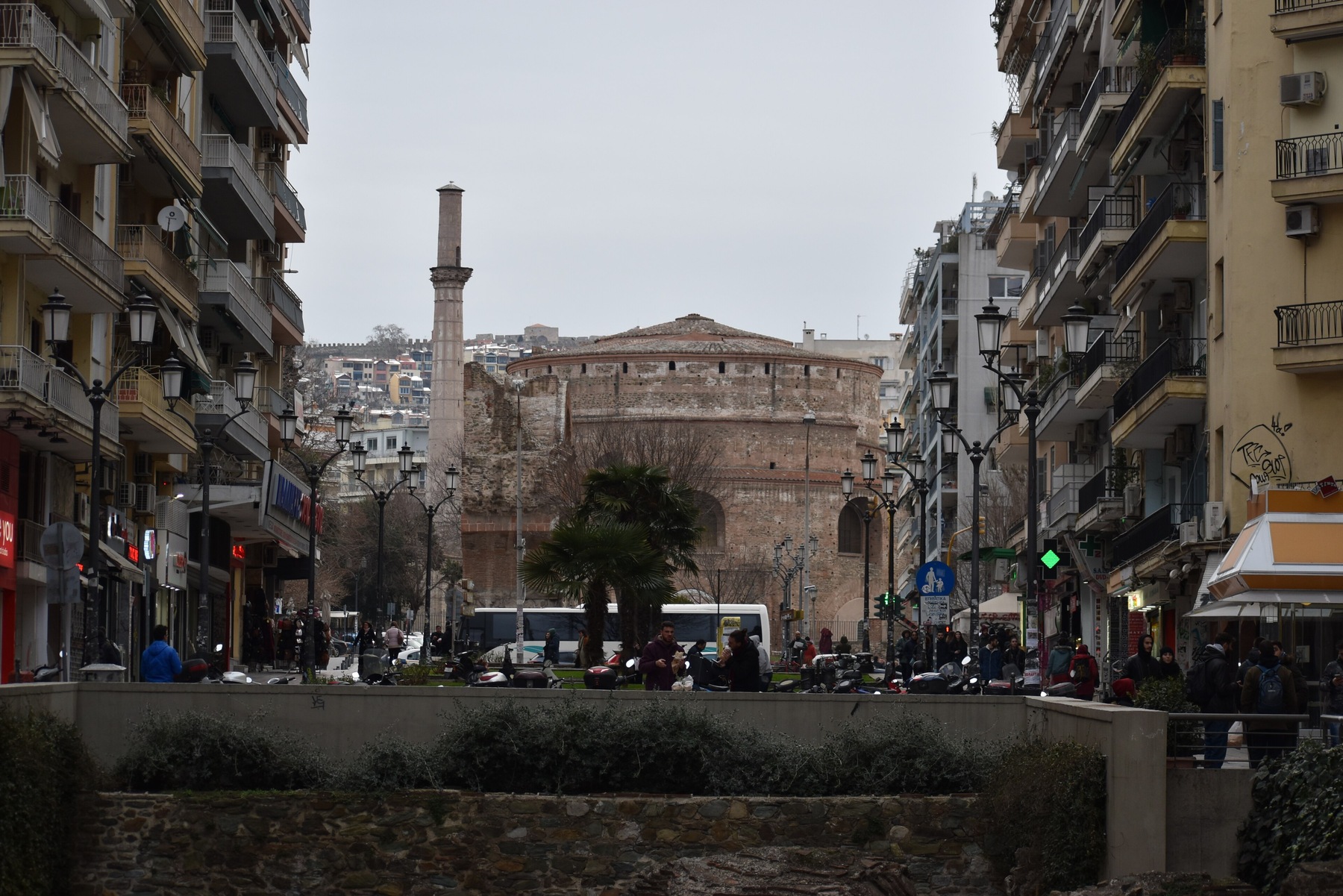
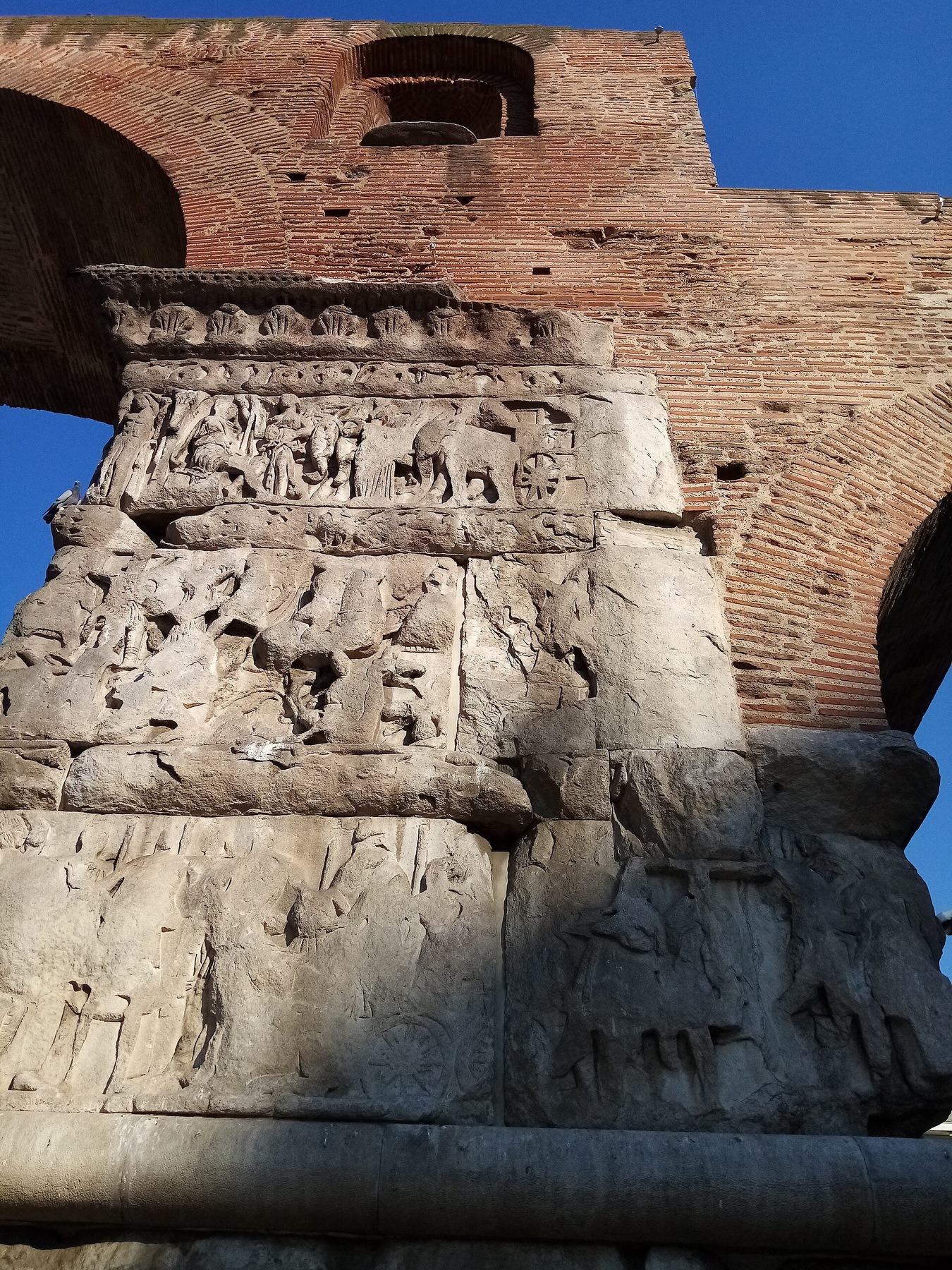
Begin with the Roman Forum, where the excavated public square, odeon and covered gallery reveal the civic center beneath the modern city. Farther east, the remains of Galerius’s palace at Navarinou Square, his monumental arch on Egnatia and the Rotunda convey the scale of imperial building around the beginning of the fourth century.
Pause at the arch to look at its relief sculpture, then step into the Rotunda for the contrast between its massive circular space and its Christian mosaics. Its later use as a church and mosque, with the surviving minaret outside, makes the building a particularly vivid introduction to the city’s changing religious life.
Churches and mosaics
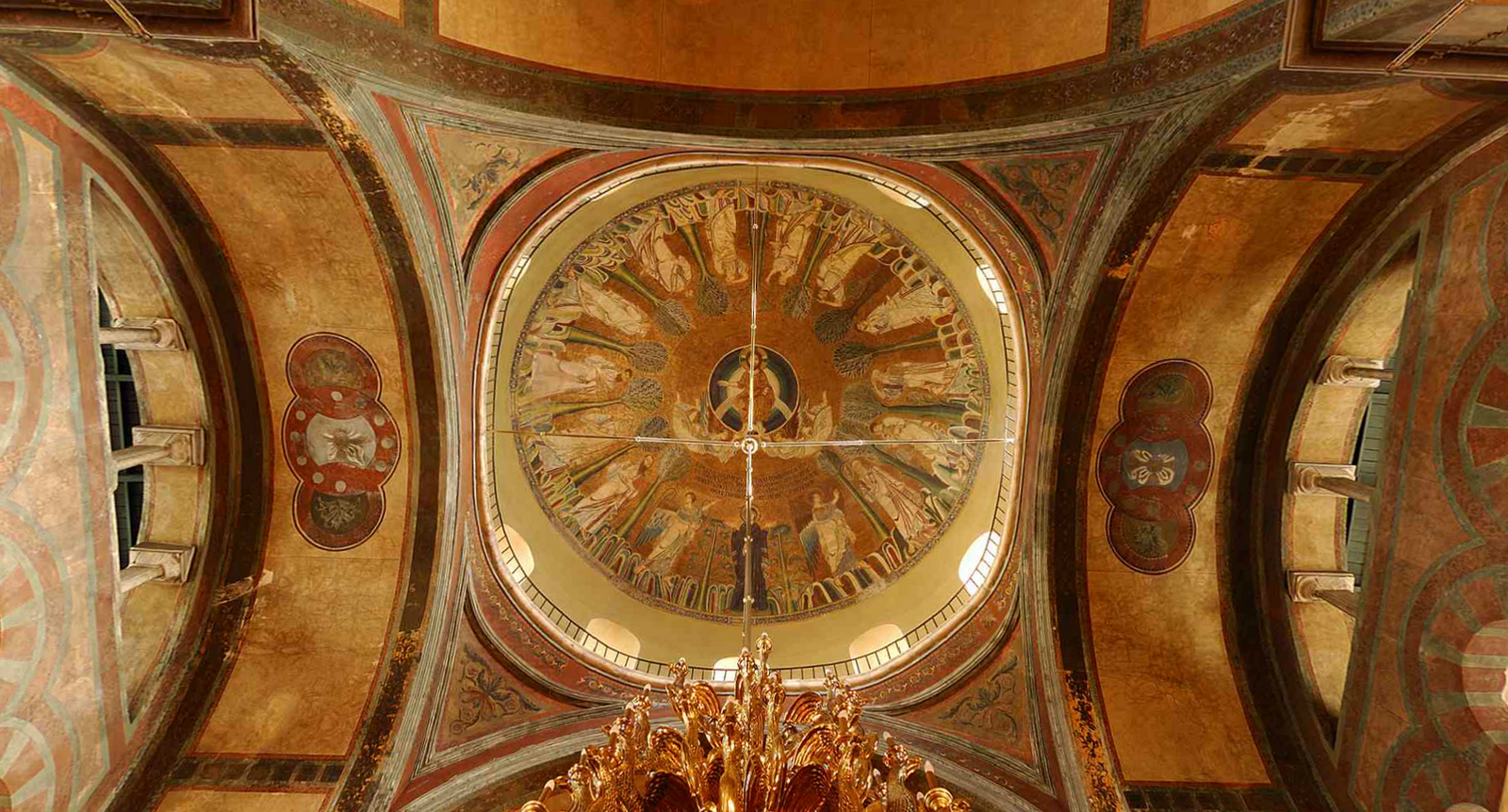
Thessaloniki’s Early Christian and Byzantine monuments form a UNESCO World Heritage ensemble. These churches reward going inside: the basilicas of Acheiropoietos and Agios Dimitrios, associated with the city’s patron saint, offer a different spatial experience from the domed Hagia Sophia. Look for mosaics as well as columns, carved stone and the relationship between nave and sanctuary.
In the Upper City, Hosios David preserves a celebrated apse mosaic, while Agios Nikolaos Orphanos is known for its wall paintings. Panagia Chalkeon and the Holy Apostles add distinctive brick exteriors and further chapters of Byzantine art. Several churches remain places of worship; allow time to visit quietly rather than treating them as a checklist.
Baths, fountains and water
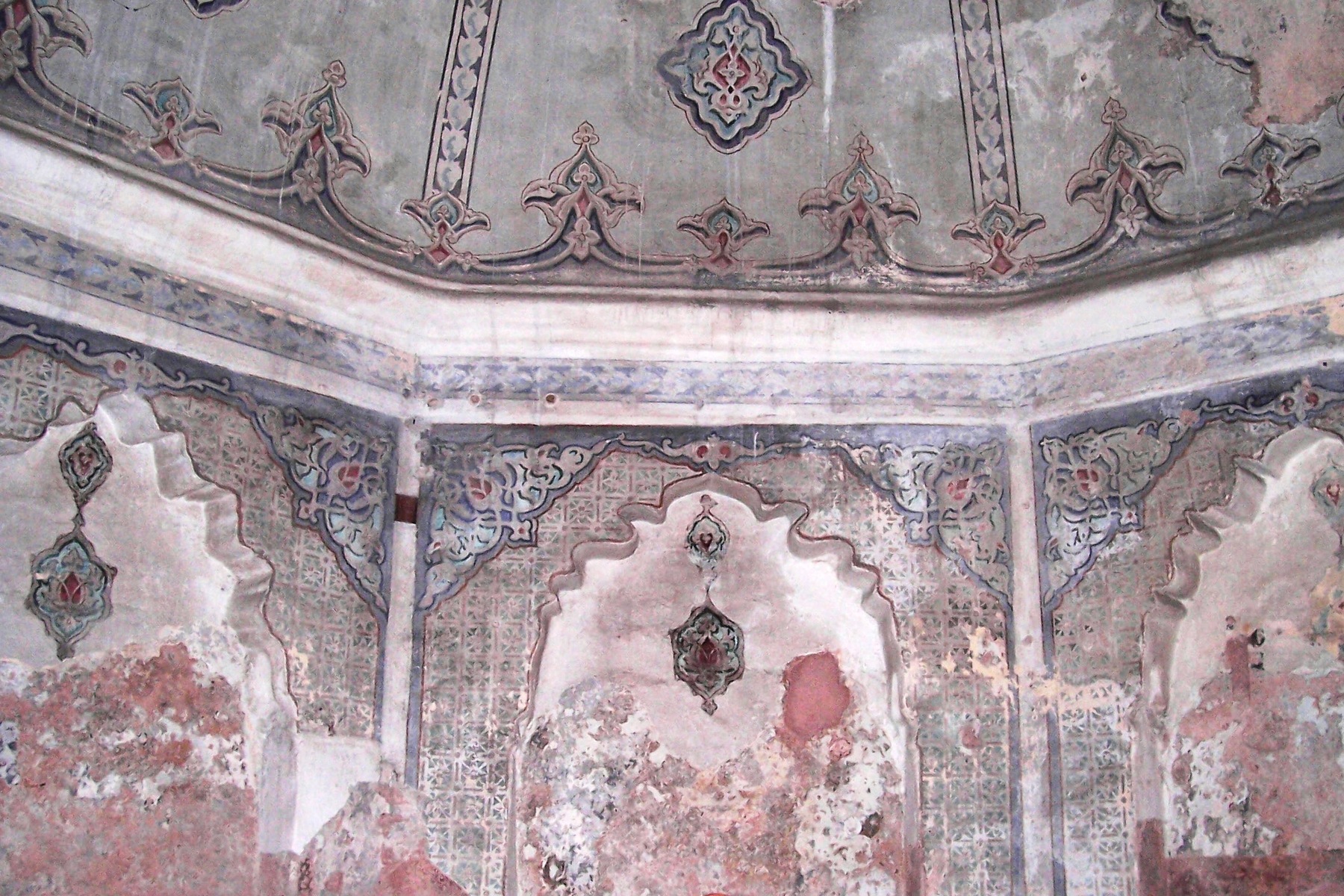
The small Byzantine Bath near the Upper City and the larger Ottoman Bey Hamam beside Egnatia reveal another side of urban life: spaces built for bathing, heat and shared routines. Look at their domes and the arrangement of rooms, rather than expecting them to resemble churches or palaces. Ottoman fountains and the large Byzantine cistern near the Acropolis also recall the practical task of supplying a densely inhabited city.
For a later chapter in that story, the EYATH Water Museum occupies the old pumping-station complex in the western Sfageion area. Its engine-room and industrial setting connect the monumental city with the infrastructure that sustained its modern growth; check visiting arrangements before making the separate journey.
Communities, loss and the modern city
Ottoman Thessaloniki was home to Christian, Muslim and Jewish communities. Sephardic Jews played a major part in the port’s commercial and cultural life. The Jewish Museum of Thessaloniki introduces community institutions, religious practice and everyday experience, alongside the Holocaust. In 1943, German occupation authorities deported the city’s Jews, overwhelmingly to Auschwitz; the destruction of this community is essential to understanding the city today.
Thessaloniki entered the Greek state in 1912. The Great Fire of 1917 and the arrival of refugees from Asia Minor in the 1920s transformed its population and urban form. Around the markets and the streets leading towards Aristotelous Square, look beyond individual monuments to the rebuilt city and its continuing life as a place of exchange.
The White Tower and the lost sea walls
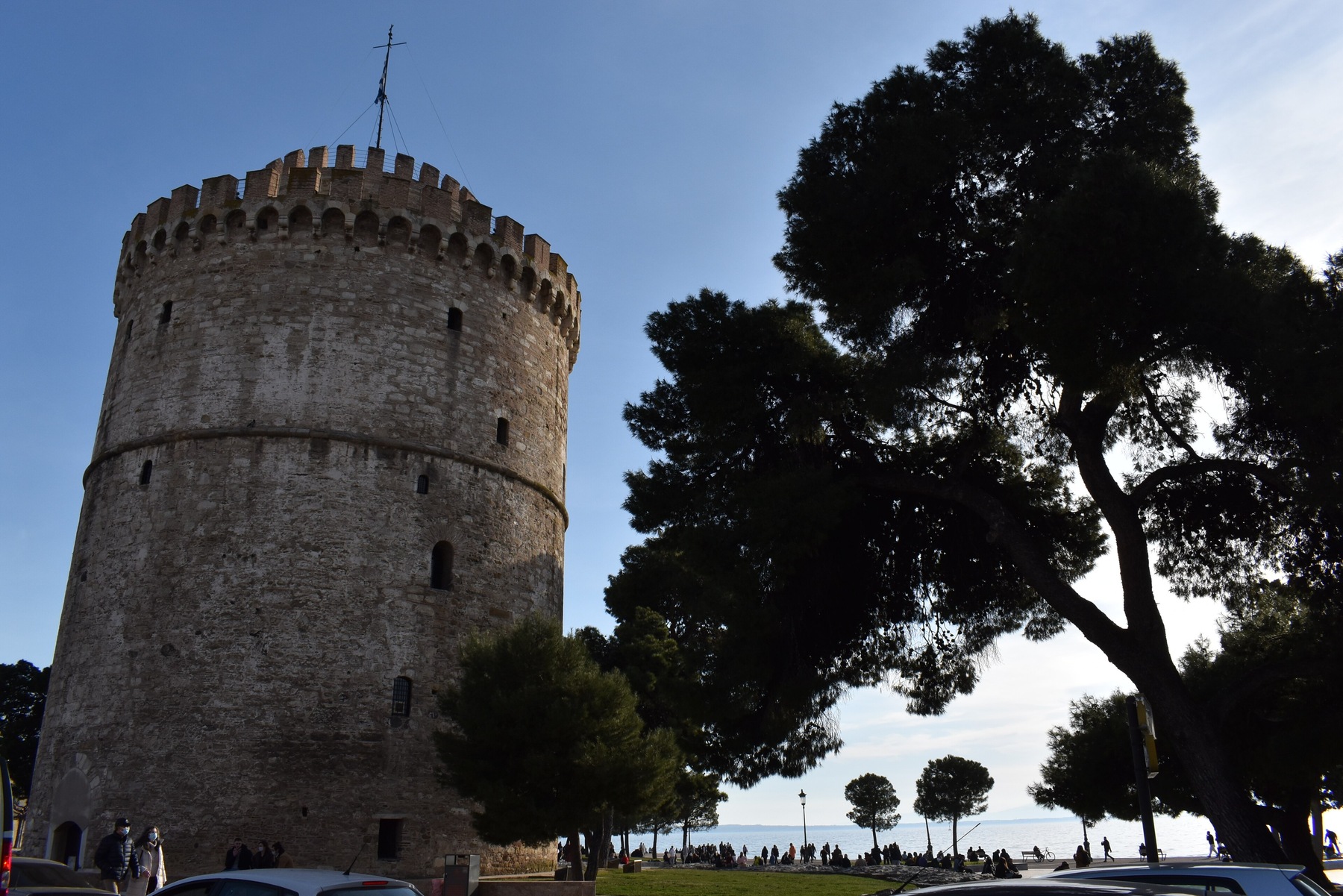
The Ottoman White Tower marks the junction of the former land and sea defenses. Its exhibition introduces the history of the whole city, while the waterfront around it reflects a much later urban transformation. The monument account explains its construction, prison memory, interior and visiting conditions; here it serves as a starting point for understanding Thessaloniki’s relationship with the sea.
The walls, Acropolis and Heptapyrgion
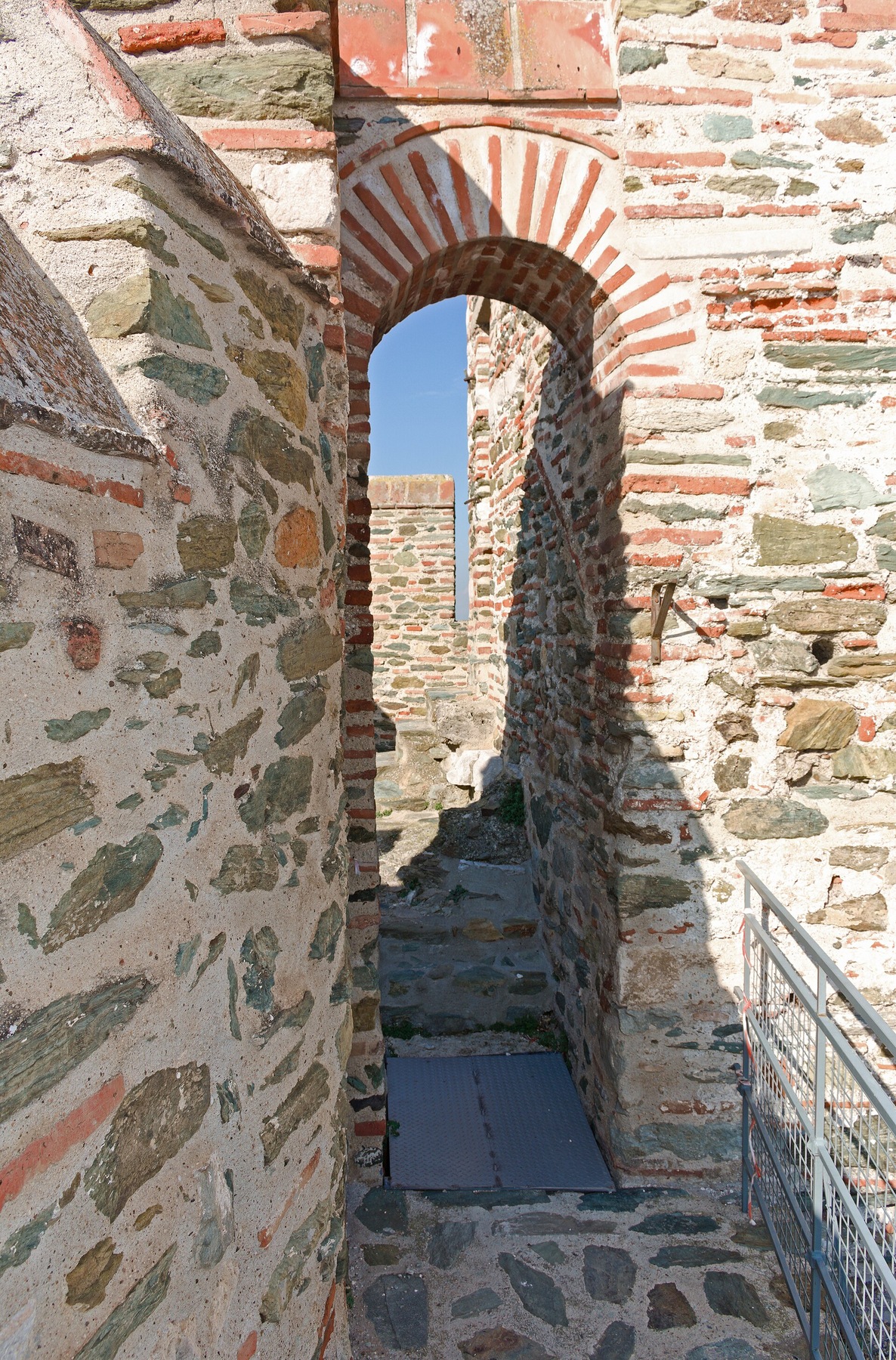
The surviving walls climb toward the Upper City and the higher Acropolis enclosure. The Heptapyrgion is a distinct fortress within that upper landscape, later used as a prison. Streets, houses and gaps now interrupt the older defensive lines. Explore selected stretches and viewpoints rather than expecting an uninterrupted circuit; the separate walls and Heptapyrgion accounts explain their fabric and visitor routes.
Museums and cultural life
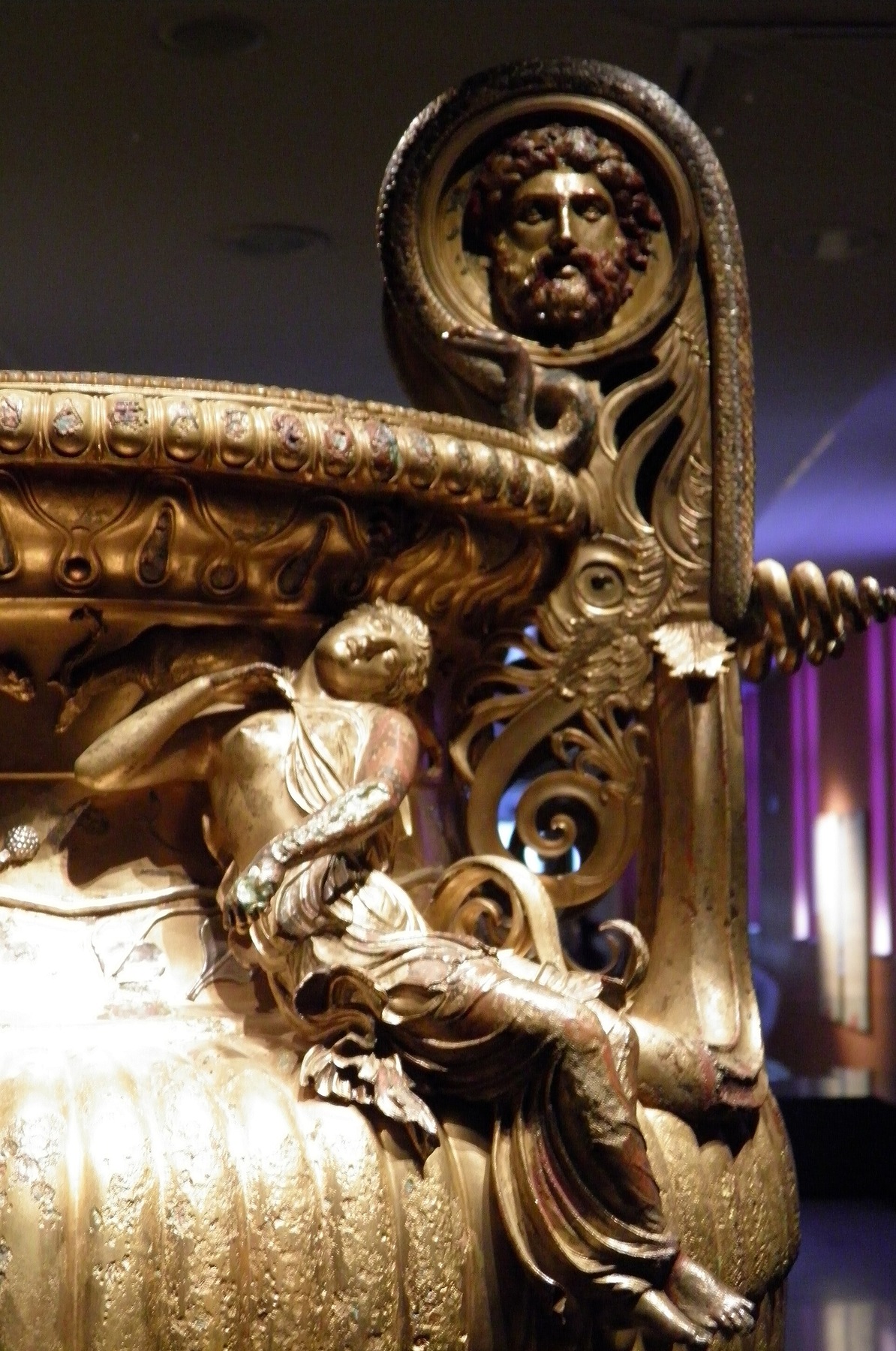
The Archaeological Museum of Thessaloniki provides a wider Macedonian setting for the city’s ancient remains. Among its treasures are the richly worked bronze Derveni Krater and the Derveni Papyrus. The Museum of Byzantine Culture brings together art and objects of everyday life, helping explain the buildings, worship, burial customs and trade encountered across the city.
Alongside the Jewish Museum and the city-history exhibition in the White Tower, the MOMus museums extend the story into modern and contemporary art and photography. Choose museums to complement the streets you are exploring: they offer time with objects and ideas that can be difficult to grasp from scattered monuments alone.
Exploring Thessaloniki
Give the city more than a single monument circuit. A central walk can connect the Forum, churches, Bey Hamam and the Galerian monuments; a waterfront visit pairs the White Tower with the archaeological and Byzantine museums. Make the Upper City a separate outing for its quieter streets, small churches, bath and fortifications.
The uphill distances, steps and differing opening hours make a flexible plan useful. Confirm access individually, especially at smaller monuments and the Water Museum. Daylight reveals mosaics, brickwork and the setting of buildings; evening views of illuminated monuments offer another experience, without replacing an interior visit.
Lighting and visitor snapshot — 27 October 2026
The White Tower’s architectural illumination was completed in October 2026. Lighting at selected walls, the Acropolis intermediate wall and Heptapyrgion has separate announced targets, so the whole circuit should not yet be expected to read as a continuous night-time route. Physical conservation and the illumination programme are different activities. Check monument opening and any local barriers before a visit.
Architecture
- Roman Forum and the palace, triumphal arch and Rotunda associated with Galerius
- Early Christian basilicas, Byzantine domed churches, mosaics and wall paintings
- Byzantine and Ottoman bathhouses, cisterns and fountains
- City walls, Ottoman White Tower, Acropolis and Heptapyrgion
- Historic markets, Upper City streets and modern cultural buildings
Timeline
- Around 315 BC Cassander founds Thessaloniki.
- Roman period The city develops its civic center and becomes a major center on the routes through Macedonia.
- Around AD 300 Galerius’s monumental complex reshapes the eastern city.
- Early Christian and Byzantine centuries Churches, mosaics, baths and fortifications give the city an enduring architectural and artistic legacy.
- 1430–Ottoman period Ottoman rule brings new religious, defensive and public buildings; Sephardic Jewish settlement strengthens the port’s cultural and commercial life.
- 1912 Thessaloniki becomes part of the Greek state.
- 1917–1920s The Great Fire and refugee arrivals transform the city.
- 1943 Deportations during the German occupation devastate Thessaloniki’s Jewish community.
- 1989 The prison leaves the Heptapyrgion.
Visiting today
Group visits by neighborhood: Roman monuments and central churches; the waterfront and major museums; then the Upper City, baths and fortifications. Allow extra time for slopes and steps above the center. Check each museum and monument’s current hours separately, and respect worship in active churches.
Images
References
- Ministry of Culture — architectural illumination update, 27 October 2026
- Ministry of Culture — fortifications and conservation, 2 July 2026
- White Tower museum — history
- Ministry of Culture — Cultural Egnatia: Thessaloniki
- Municipality of Thessaloniki — Acropolis and Heptapyrgion walking guide
- Ministry of Culture — Egnatia lighting tender, 27 November 2025
- Museum of Byzantine Culture — White Tower access notice, September–October 2026
- Municipality of Thessaloniki — lighting study commission, 2018
- Ministry of Culture — walls lighting study announcement
- UNESCO — Paleochristian and Byzantine Monuments of Thessalonika
- Municipality of Thessaloniki — monuments to see
- Archaeological Museum of Thessaloniki — ceramics, metalwork and minor arts
- Museum of Byzantine Culture — permanent exhibitions
- Jewish Museum of Thessaloniki
- United States Holocaust Memorial Museum — Salonika
- EYATH — Water Museum
- MOMus — museums and mission
- Thessaloniki Tourism Organization — city history
- Thessaloniki Tourism Organization — Bey Hamam
Topics
- Fortified City
- Byzantine
- Ottoman
- Maritime Defenses
- Urban History
- Roman
- Early Christian
- Churches
- Mosaics
- Baths
- Waterworks
- Jewish Heritage
- Museums
- Contemporary Art