Overview
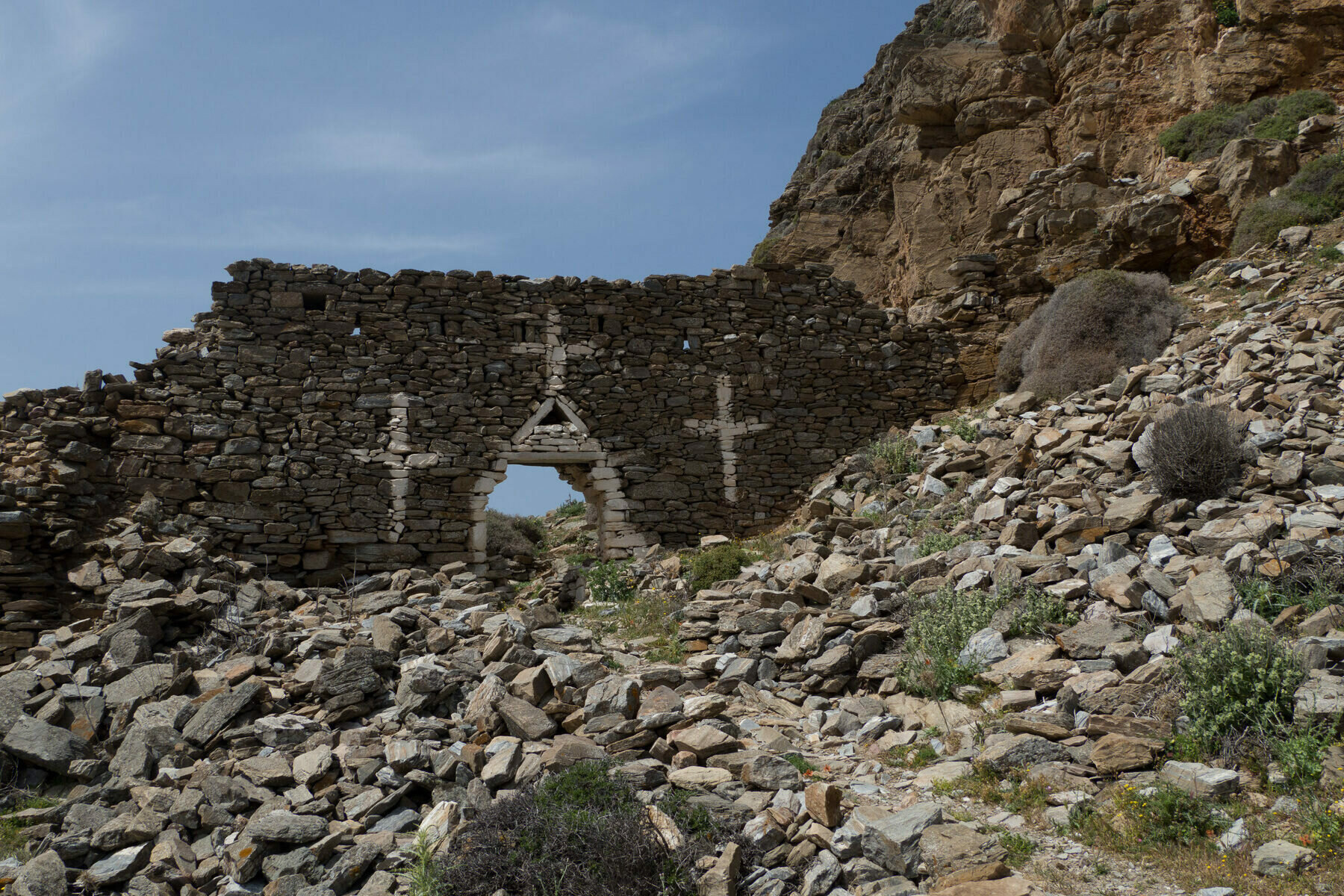
Kastro of Oria gives Expedition I a very different Cycladic castle experience from Naxos or Syros. Rather than a living town or urban kastro, it is an abandoned fortified settlement in a remote, elevated position. Its ruins preserve the memory of Kythnos's medieval capital, associated with Byzantine origins, Latin island rule and the turbulent transition to Ottoman control. Because Kythnos also lies naturally between Syros and Lavrio, it works both as a historical detour and as a practical optional waypoint on the return leg.
Highlights
- Kastro of Oria
- Abandoned medieval capital
- Ruined castle settlement
- Cycladic sea views
- Optional return-leg waypoint
- Contrast with Naxos Kastro
Fortifications and archaeological sites
Kastro of Oria
abandoned fortified settlement
Byzantine and Latin/Venetian, abandoned in the Ottoman period
The ruined medieval capital of Kythnos, set in a remote elevated position on the northwestern part of the island.
Castle Churches and Ruins
settlement remains
Medieval and post-medieval
Ruined churches, domestic structures, walls and traces of the former settlement preserved within the castle landscape.
Loutra
harbor and thermal-spring settlement
Modern, with ancient thermal-spring associations
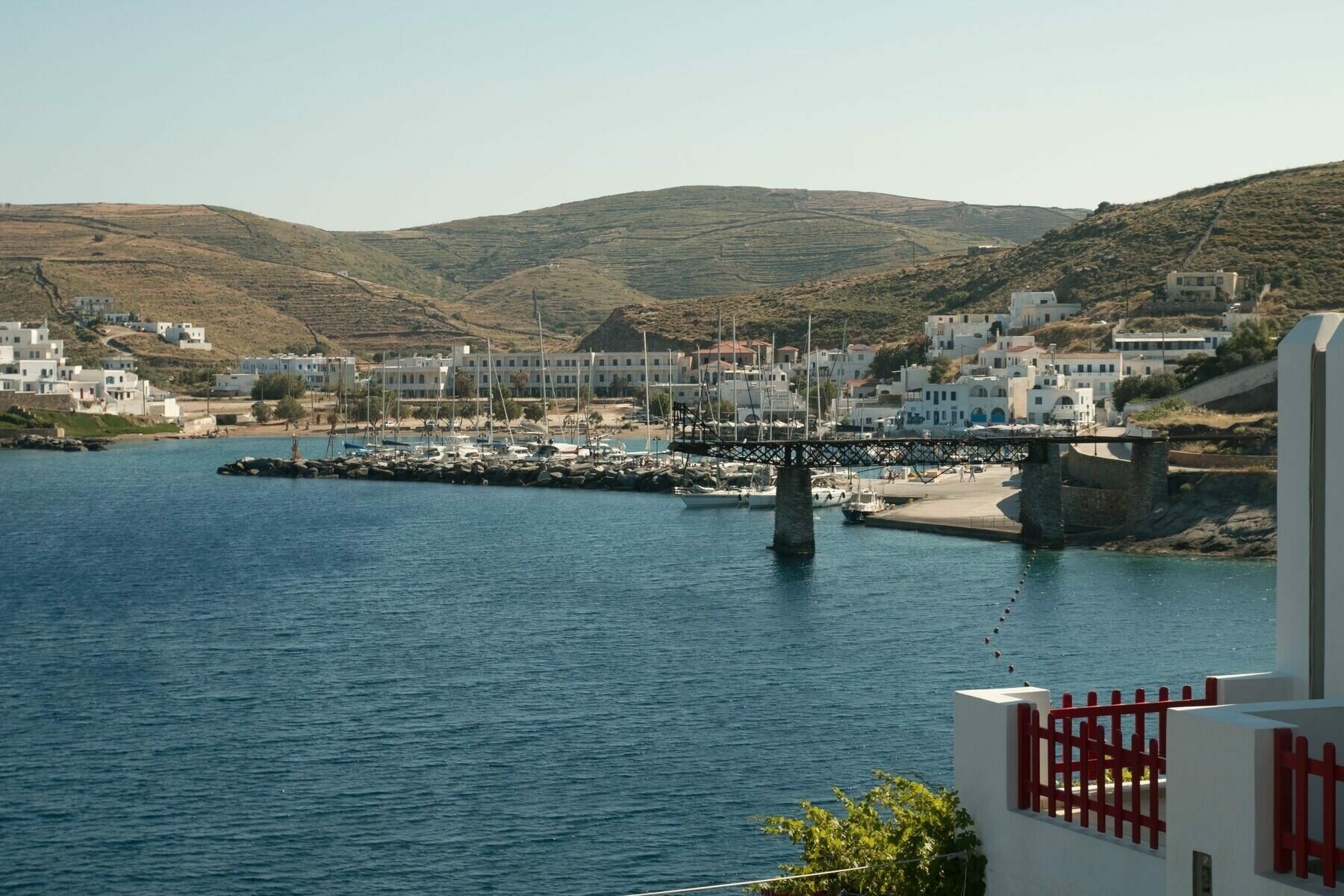
The northern harbor settlement often used for access to the castle area and known for the island's thermal springs.
Overview
Kythnos enters Expedition I as an optional return-leg stop, but its historical value is real. The Kastro of Oria is an abandoned medieval settlement rather than a living fortified town. Its ruined walls, churches and domestic remains preserve the memory of an island capital shaped by Byzantine insecurity, Latin rule and Ottoman conquest.
Strategic Setting
Kastro of Oria occupies a remote and defensible position in the northwestern part of Kythnos. Its location reflects the defensive logic of many medieval island settlements in the Aegean: withdraw from the vulnerable shore, use difficult terrain for protection, and maintain visibility over sea approaches and inland movement.
The Medieval Capital
The site is traditionally identified as the medieval capital of Kythnos, also known historically as Thermia because of the island's thermal springs. Unlike Naxos Kastro, which remained embedded in a living town, Oria was abandoned after its destruction, preserving the outline of a medieval insular stronghold with relatively little modern intervention.
Latin and Venetian Context
After the Fourth Crusade, Kythnos became part of the Latin political world of the Cyclades. The castle settlement belonged to the same broad historical environment as the Duchy of the Archipelago, the Venetian Kastro of Naxos and the fortified island communities that shaped the medieval Aegean.
Destruction and Abandonment
The castle's abandonment after Ottoman capture gives Oria much of its archaeological value. Instead of being rebuilt as a modern town, it remained a ruined medieval settlement. This makes it an especially useful comparison with living kastra such as Naxos, Sifnos or Kimolos.
Visiting the Castle Today
Kastro of Oria is a remote ruin and should be treated as a hiking and field-visit objective rather than an urban monument. Access, trail conditions, heat, wind and footing should be checked locally. The site is best visited in settled weather and with adequate time ashore.
Why it Matters for Expedition I
Kythnos breaks the long return from Syros to Lavrio and adds an optional Cycladic castle site to the expedition. It provides a contrast with Naxos and Syros: instead of a living island capital, the visitor encounters an abandoned medieval stronghold shaped by frontier conditions and later abandonment.
Architecture
- Abandoned fortified settlement
- Defensive hilltop or cliffside siting
- Ruined walls and domestic structures
- Medieval churches
- Settlement-scale fortification
- Landscape-based defense
Timeline
- Early Byzantine period The fortified settlement later known as Kastro of Oria is traditionally associated with the relocation of Kythnos's medieval capital to a defensible inland or elevated site.
- 7th century AD Several modern accounts identify the foundation of Oria as dating to the 7th century, reflecting the insecurity of the Aegean during the early medieval period.
- 1204–13th century After the Fourth Crusade, Kythnos enters the Latin-ruled political world of the Cyclades and the Duchy of the Archipelago.
- 14th–16th centuries The castle settlement remains associated with Latin island rule, including the Gozzadini family, within the broader Venetian sphere of the Cyclades.
- Late 16th century The fortified settlement is captured and destroyed during the Ottoman expansion into the Cyclades, after which it is abandoned.
- Ottoman period The island's population and administrative life shift away from the ruined medieval castle settlement.
- Present Kastro of Oria survives as a dramatic ruined castle settlement and one of the most evocative medieval sites on Kythnos.
Expedition guides
Images
References
Related places
Related Stops
Topics
- Castle Site
- Fortified Settlement
- Byzantine
- Latin Rule
- Cyclades
- Abandoned Capital
- Optional Stop
- Return Leg Waypoint